Jan and Dan Duncan Neurological Research Institute, Texas Children's Hospital, Houston, United States.
Program in Developmental Biology, Baylor College of Medicine, Houston, United States.
Elife. 2021 Jan 26;10:e64833. doi: 10.7554/eLife.64833.
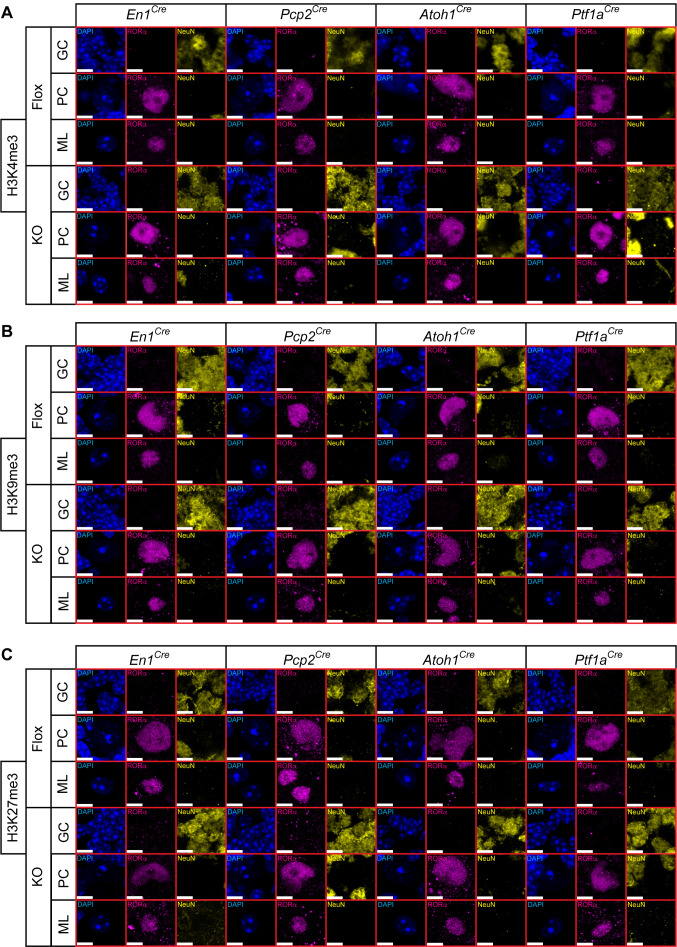
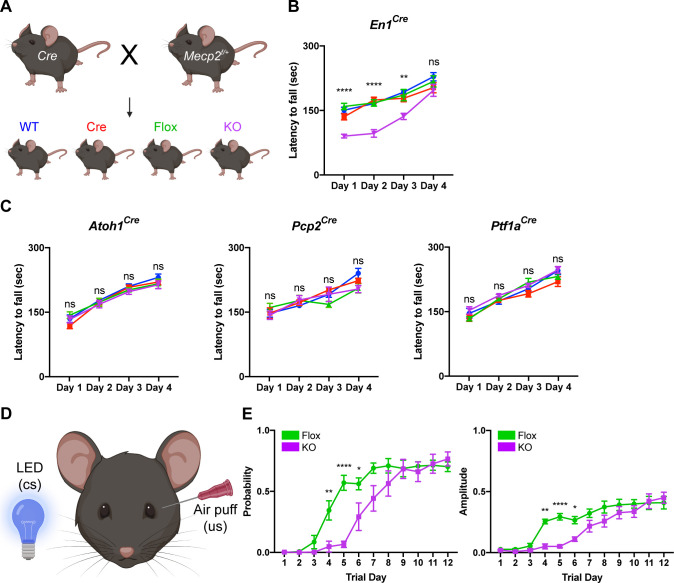
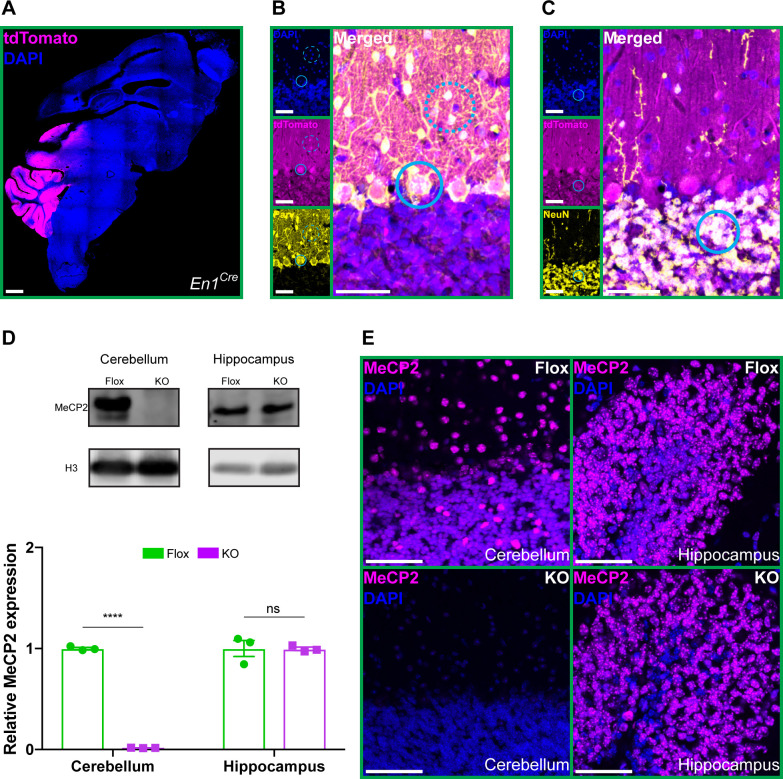
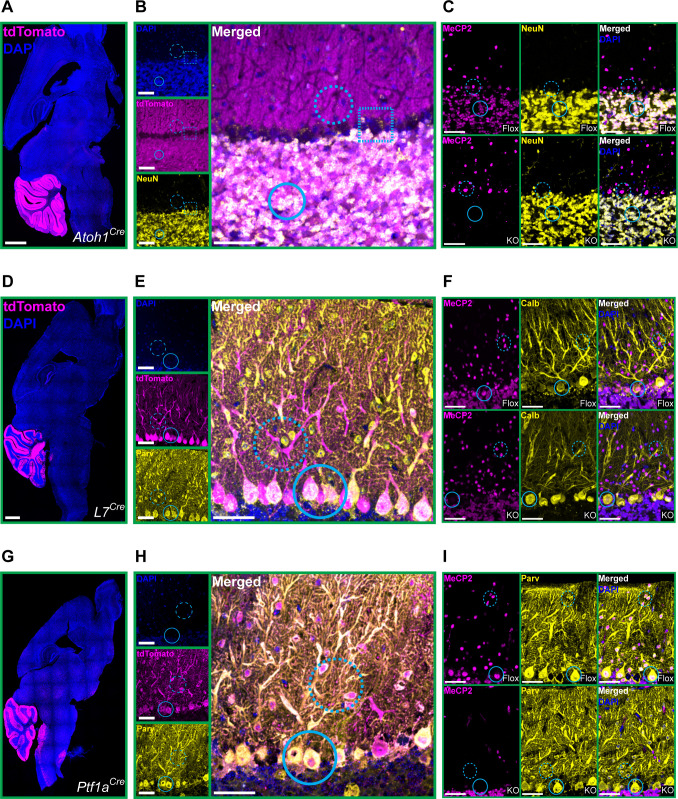
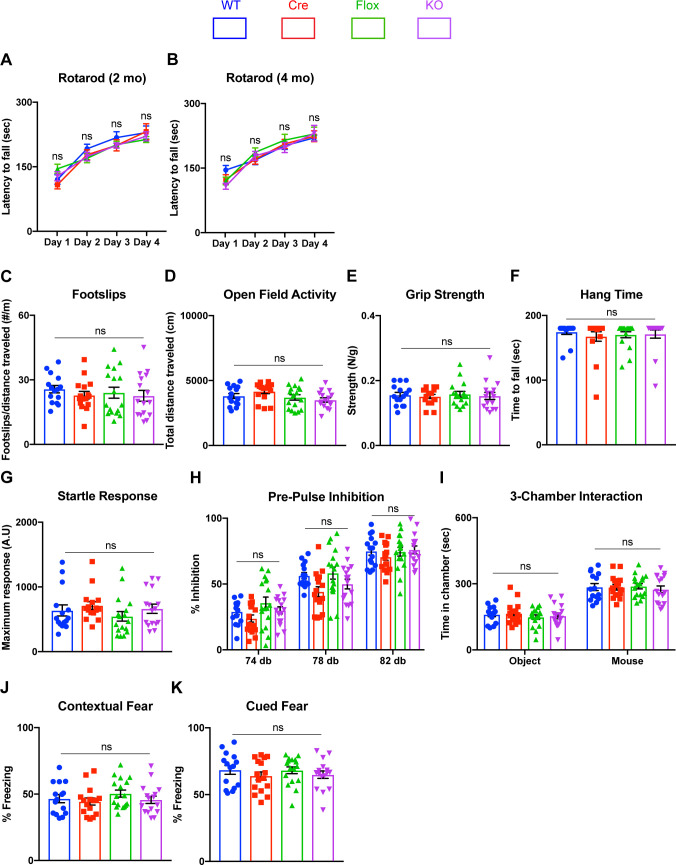
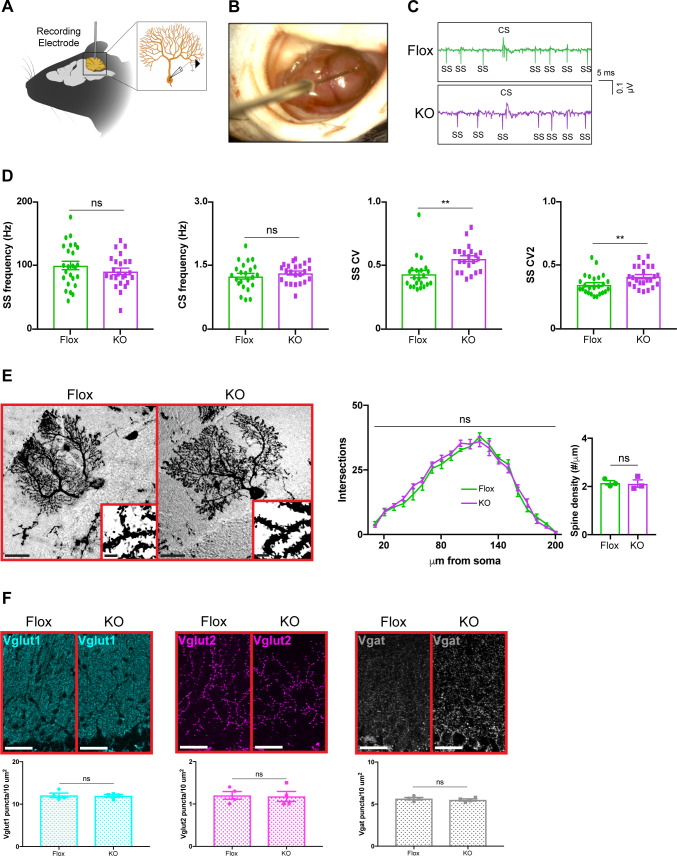
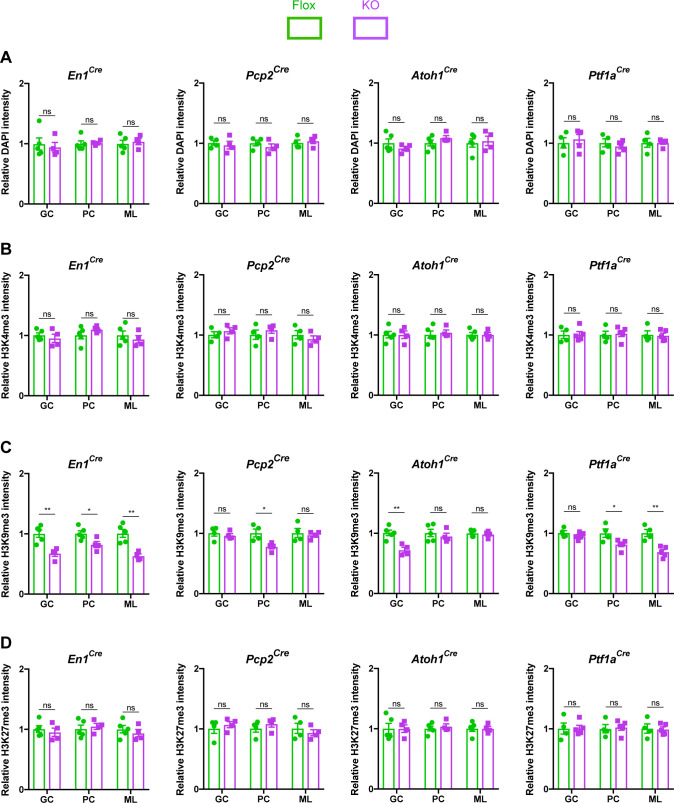
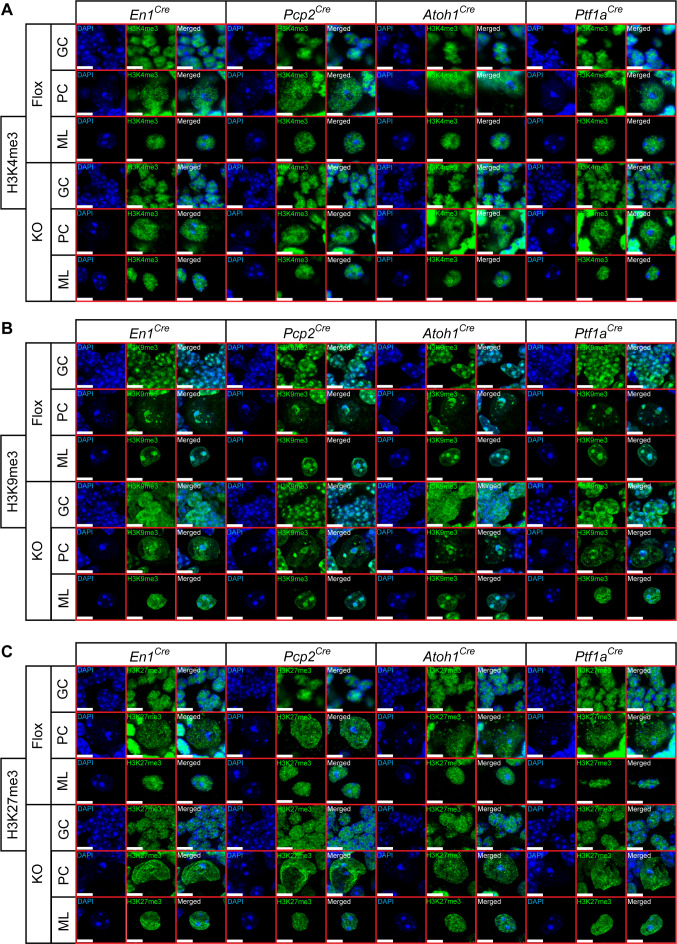
Rett syndrome is a devastating childhood neurological disorder caused by mutations in . Of the many symptoms, motor deterioration is a significant problem for patients. In mice, deleting from the cortex or basal ganglia causes motor dysfunction, hypoactivity, and tremor, which are abnormalities observed in patients. Little is known about the function of in the cerebellum, a brain region critical for motor function. Here we show that deleting from the cerebellum, but not from its neuronal subtypes, causes a delay in motor learning that is overcome by additional training. We observed irregular firing rates of Purkinje cells and altered heterochromatin architecture within the cerebellum of knockout mice. These findings demonstrate that the motor deficits present in Rett syndrome arise, in part, from cerebellar dysfunction. For Rett syndrome and other neurodevelopmental disorders, our results highlight the importance of understanding which brain regions contribute to disease phenotypes.
雷特综合征是一种由基因突变引起的毁灭性儿童神经发育障碍。在众多症状中,运动恶化是患者面临的重大问题。在小鼠中,皮层或基底神经节中的缺失会导致运动功能障碍、活动减少和震颤,这些都是患者中观察到的异常。关于在小脑(对运动功能至关重要的大脑区域)中的作用知之甚少。在这里,我们表明,从小脑而非其神经元亚型中删除会导致运动学习延迟,但通过额外的训练可以克服这种延迟。我们观察到敲除小鼠小脑浦肯野细胞的不规则放电率和改变的异染色质结构。这些发现表明,雷特综合征中存在的运动缺陷部分源于小脑功能障碍。对于雷特综合征和其他神经发育障碍,我们的研究结果强调了理解哪些大脑区域对疾病表型有贡献的重要性。