RISE Research Institutes of Sweden, Argongatan 30, Box 104, SE-431 22, Mölndal, Sweden.
Department of Biotechnology and Enzyme Catalysis, Institute of Biochemistry, University of Greifswald, Felix-Hausdorff-Strasse 4, 17487, Greifswald, Germany.
ChemSusChem. 2021 Oct 5;14(19):4028-4040. doi: 10.1002/cssc.202002666. Epub 2021 Feb 12.
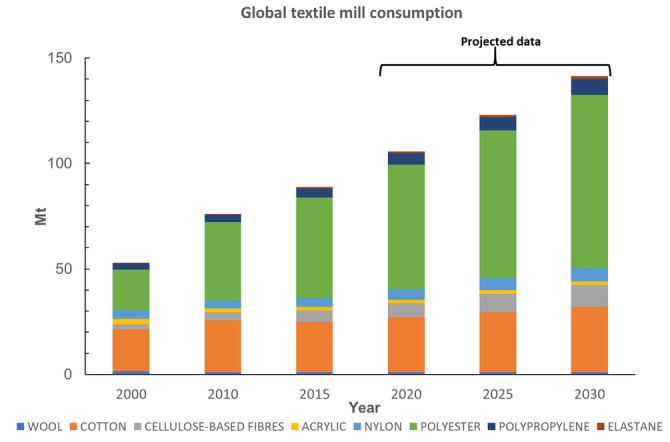
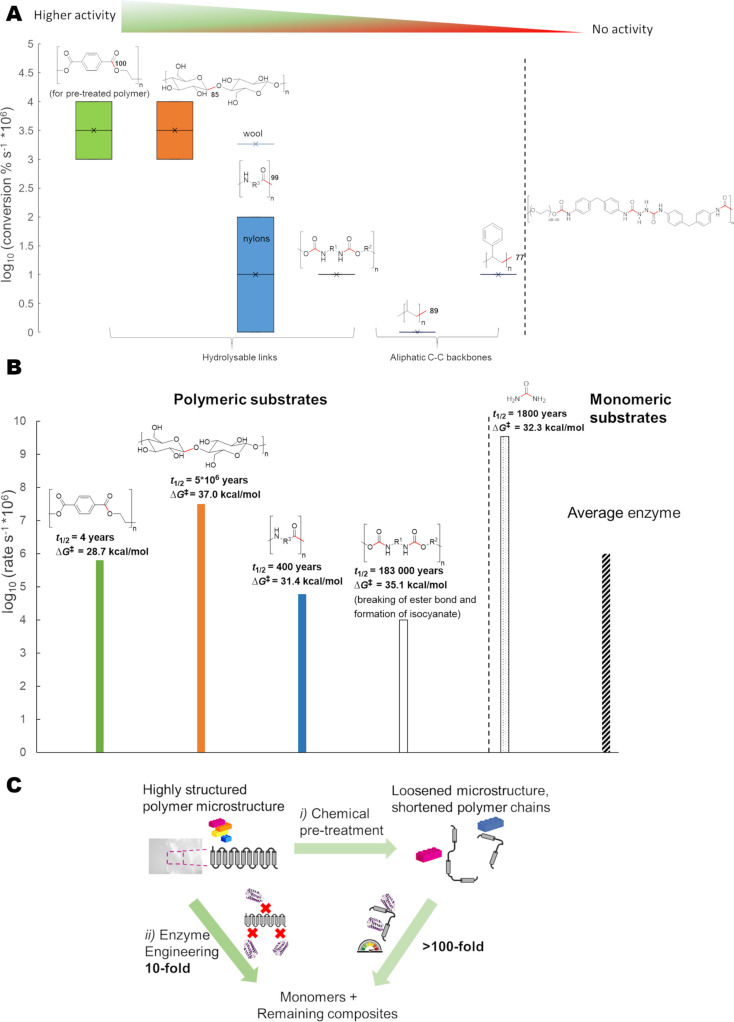
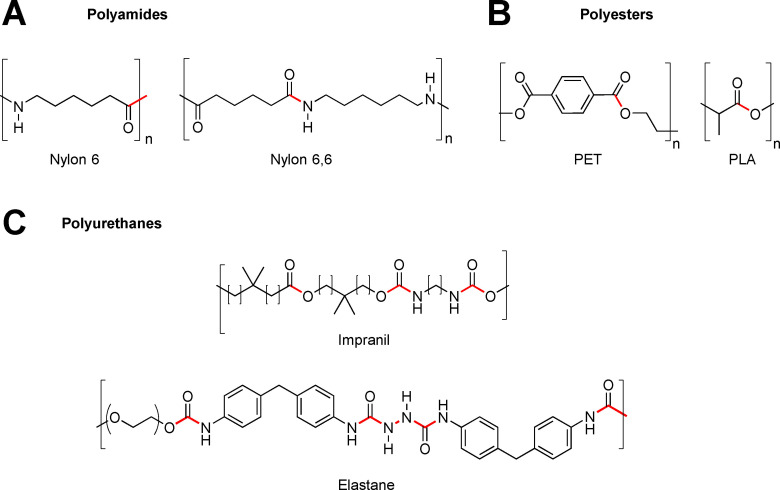
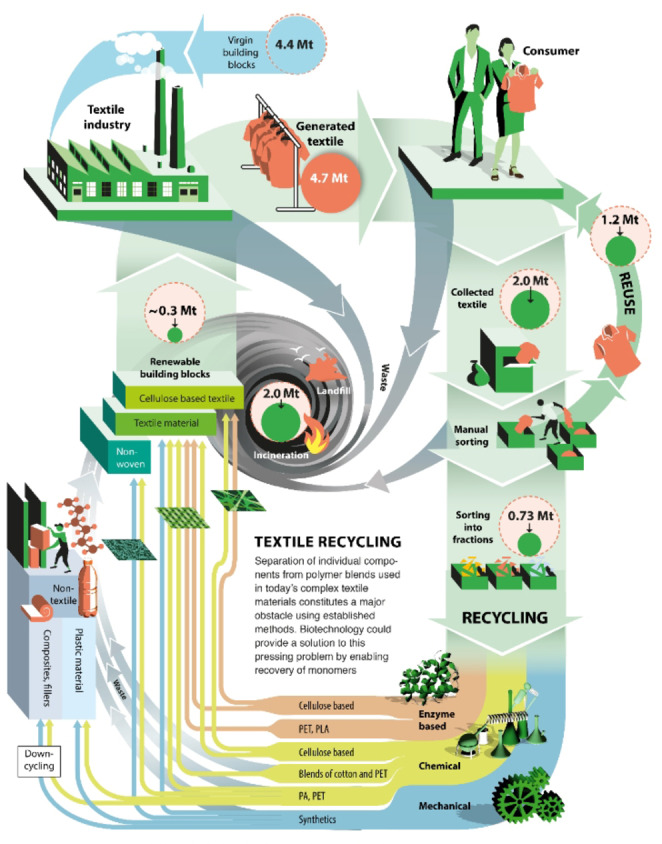
Although recovery of fibers from used textiles with retained material quality is desired, separation of individual components from polymer blends used in today's complex textile materials is currently not available at viable scale. Biotechnology could provide a solution to this pressing problem by enabling selective depolymerization of recyclable fibers of natural and synthetic origin, to isolate constituents or even recover monomers. We compiled experimental data for biocatalytic polymer degradation with a focus on synthetic polymers with hydrolysable links and calculated conversion rates to explore this path The analysis emphasizes that we urgently need major research efforts: beyond cellulose-based fibers, biotechnological-assisted depolymerization of plastics so far only works for polyethylene terephthalate, with degradation of a few other relevant synthetic polymer chains being reported. In contrast, by analyzing market data and emerging trends for synthetic fibers in the textile industry, in combination with numbers from used garment collection and sorting plants, it was shown that the use of difficult-to-recycle blended materials is rapidly growing. If the lack of recycling technology and production trend for fiber blends remains, a volume of more than 3400 Mt of waste will have been accumulated by 2030. This work highlights the urgent need to transform the textile industry from a biocatalytic perspective.
虽然人们希望从具有保留材料质量的废旧纺织品中回收纤维,但目前无法以可行的规模从当今复杂的纺织材料中使用的聚合物共混物中分离出各个成分。生物技术可以通过使天然和合成来源的可回收纤维进行选择性解聚,从而分离成分甚至回收单体,为解决这一紧迫问题提供解决方案。我们编译了有关具有可水解键的合成聚合物的生物催化聚合物降解的实验数据,并计算了转化率以探索这条途径。该分析强调,我们迫切需要进行重大的研究工作:除了基于纤维素的纤维之外,生物技术辅助的塑料解聚迄今为止仅适用于聚对苯二甲酸乙二醇酯,只有少数其他相关合成聚合物链的降解得到了报道。相比之下,通过分析纺织行业中合成纤维的市场数据和新兴趋势,结合废旧服装收集和分拣厂的数据,表明使用难以回收的混合材料的情况正在迅速增加。如果纤维共混物缺乏回收技术和生产趋势,到 2030 年,将积累超过 3400 万吨的废物。这项工作突出表明,迫切需要从生物催化的角度改变纺织行业。