Zhao Zhenyu, Ren Jianwei, Du Shaofeng, Wang Xin, Wei Zihan, Zhang Qiancheng, Zhou Yilai, Yang Zhikun, Lu Tian Jian
State Key Laboratory of Mechanics and Control of Mechanical Structures, Nanjing University of Aeronautics and Astronautics, Nanjing 210016, China.
MIIT Key Laboratory of Multi-Functional Lightweight Materials and Structures, Nanjing University of Aeronautics and Astronautics, Nanjing 210016, China.
Materials (Basel). 2021 Jan 24;14(3):556. doi: 10.3390/ma14030556.
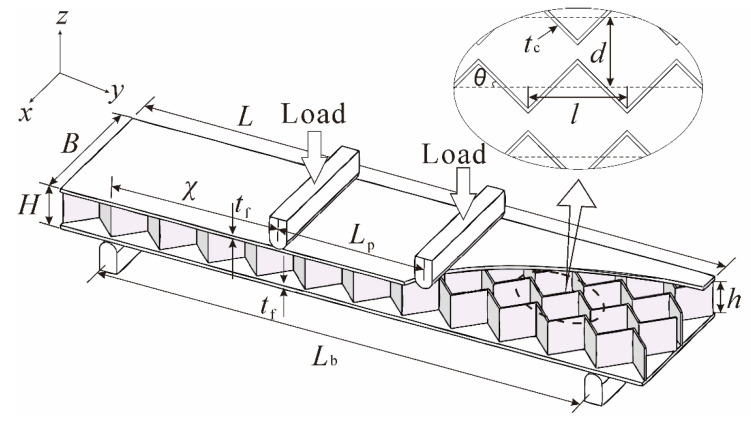
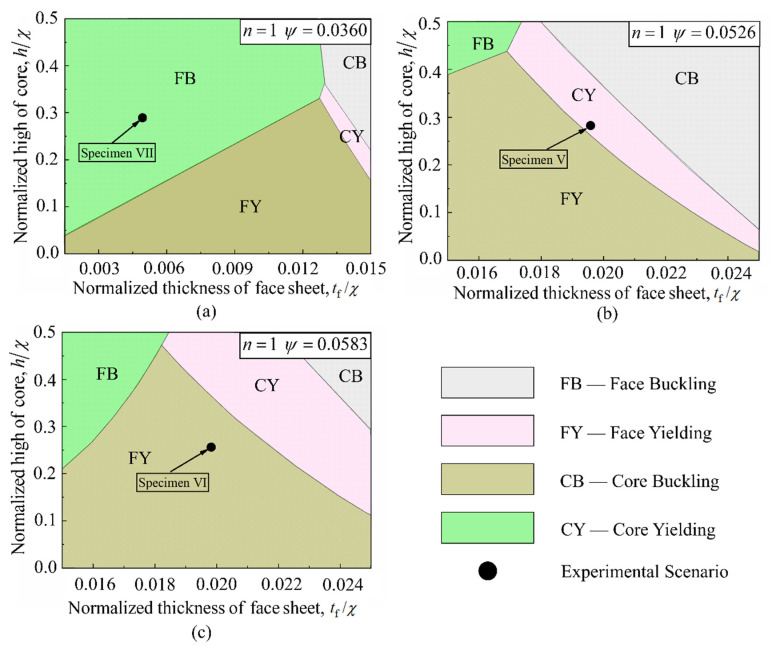
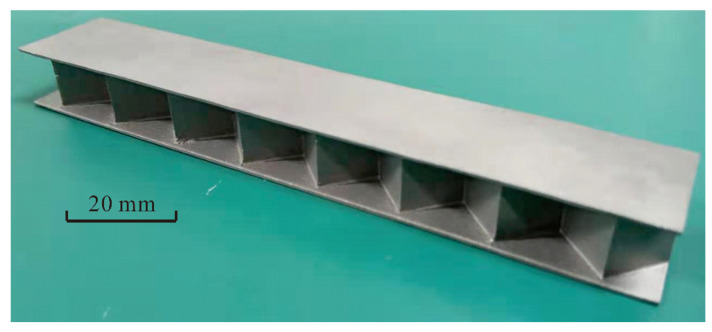
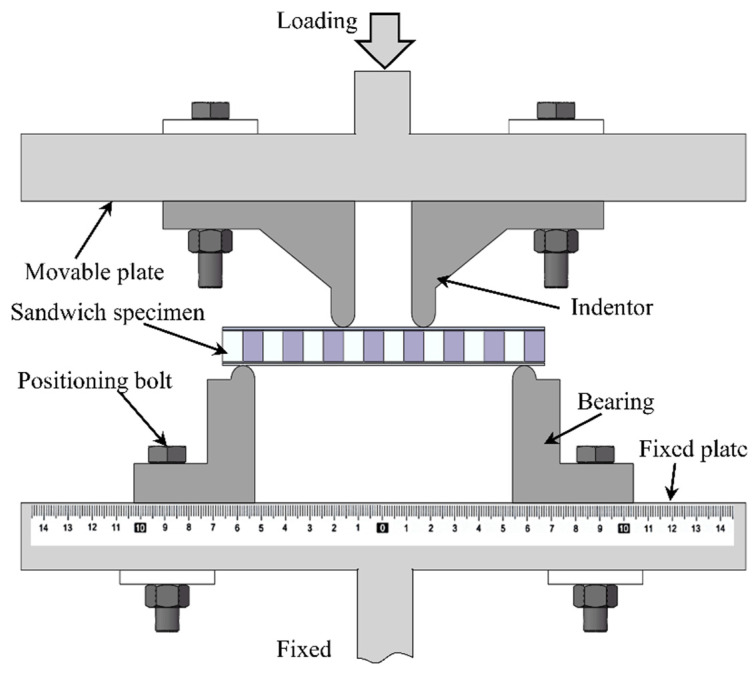
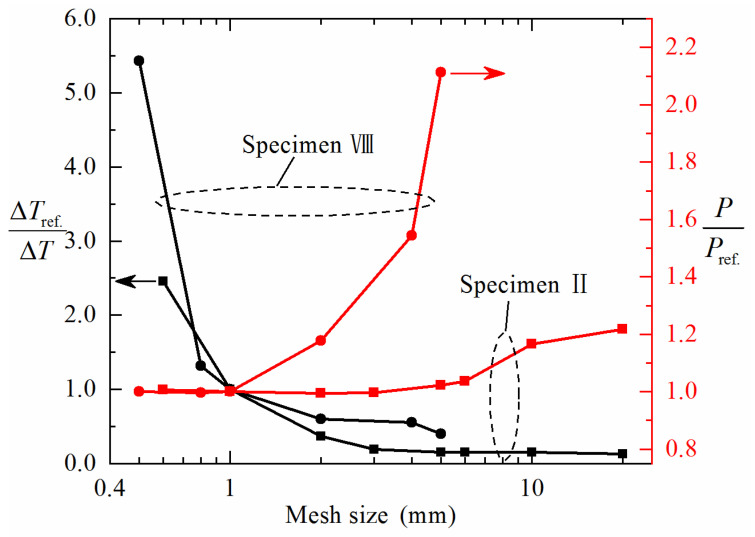
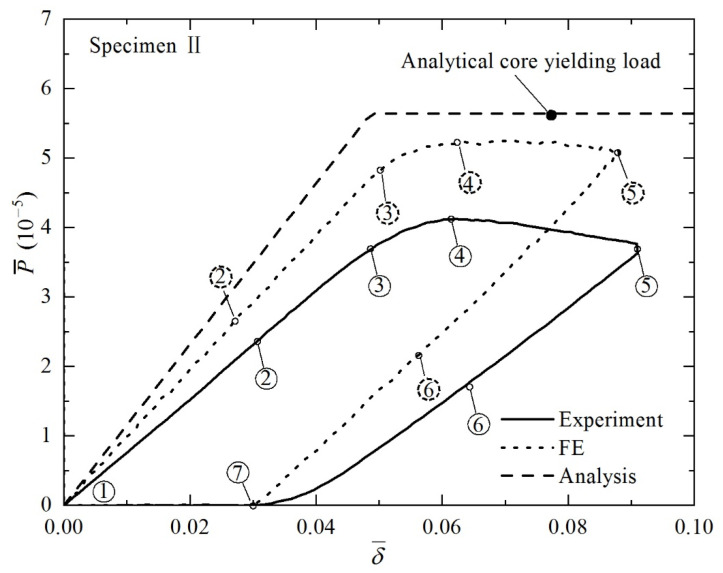
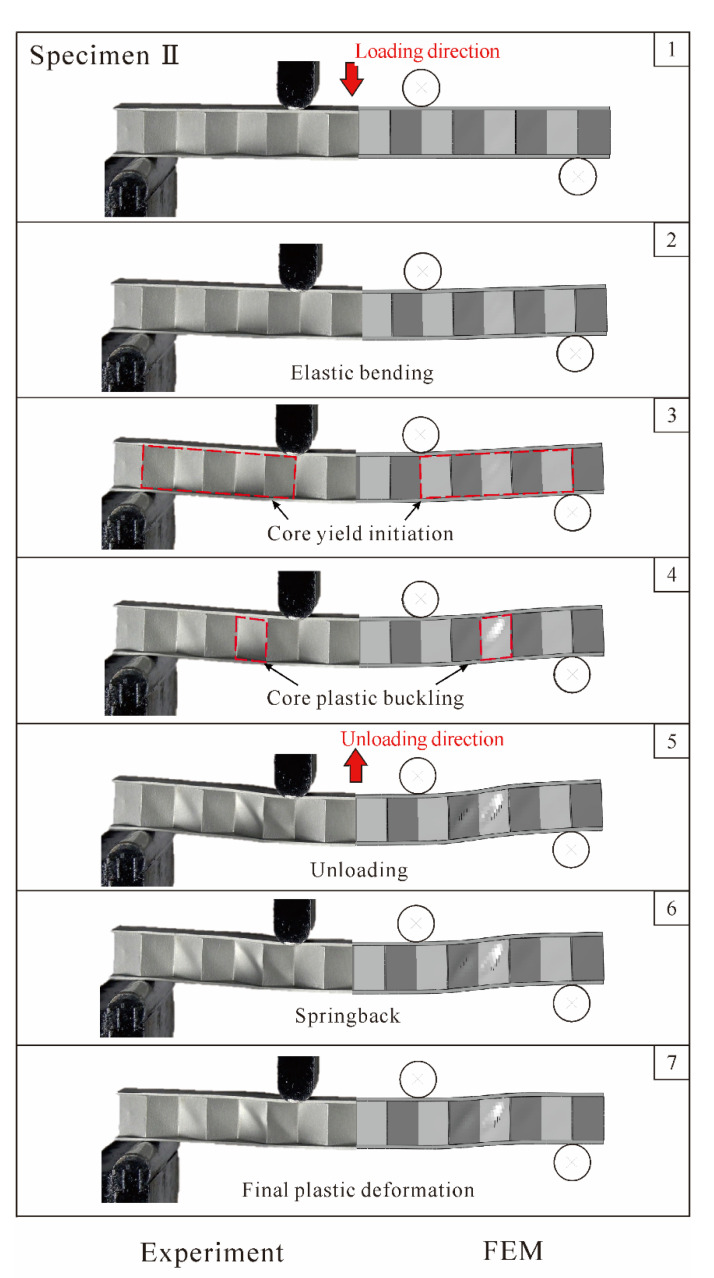
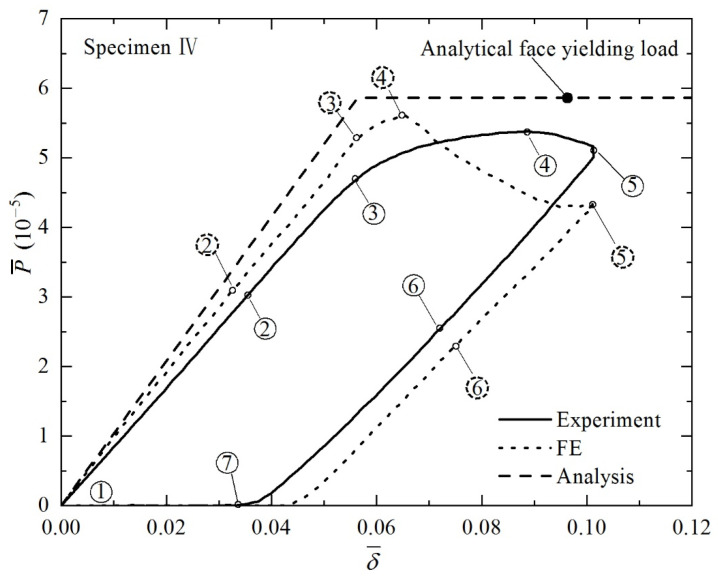
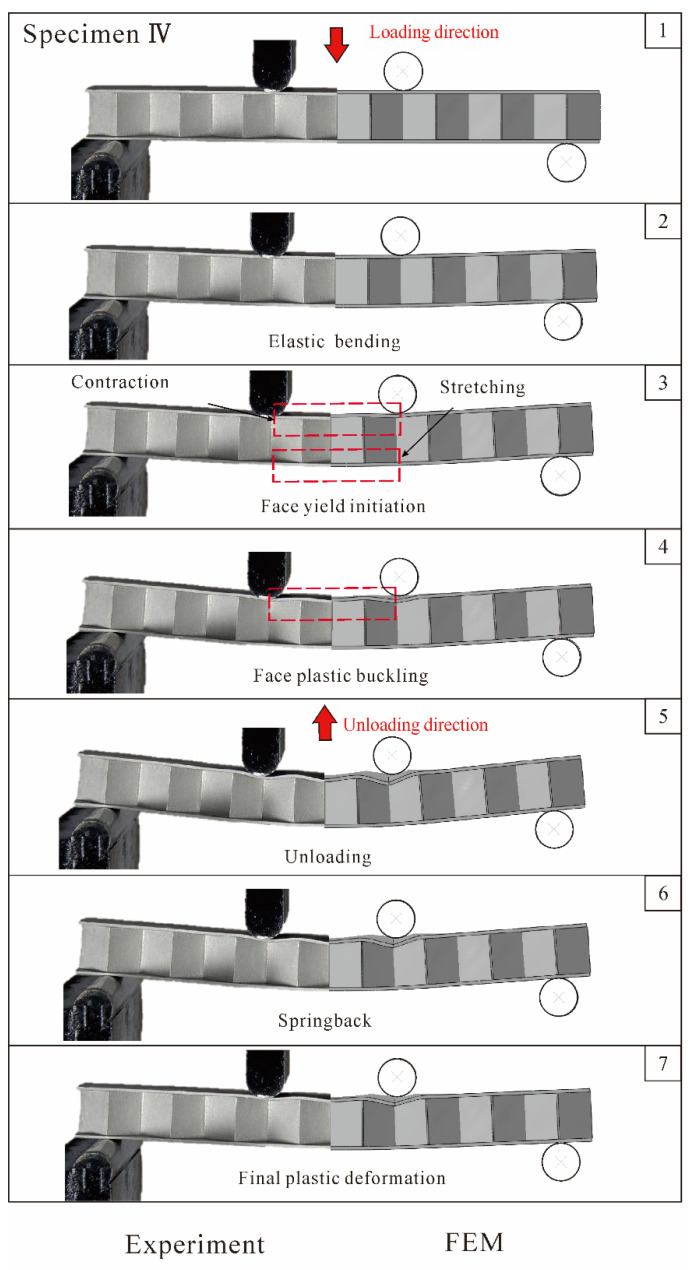
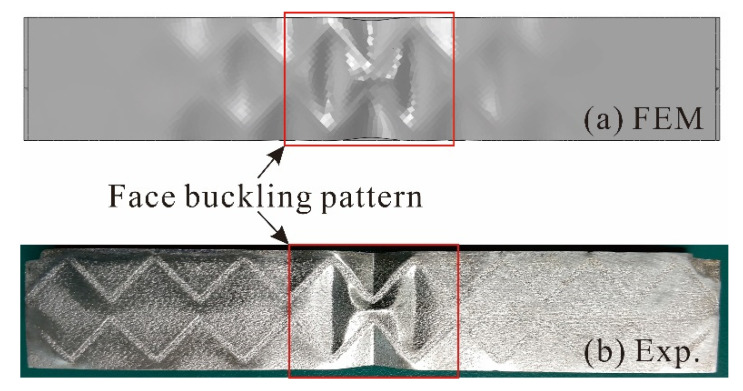
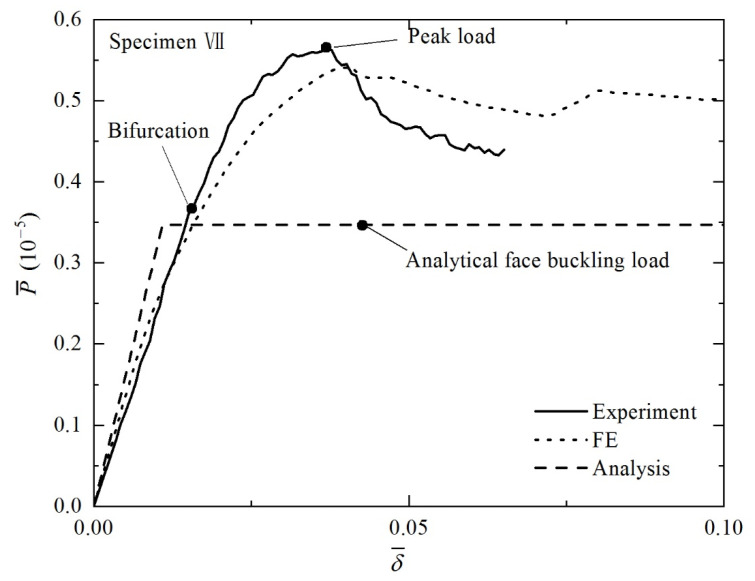
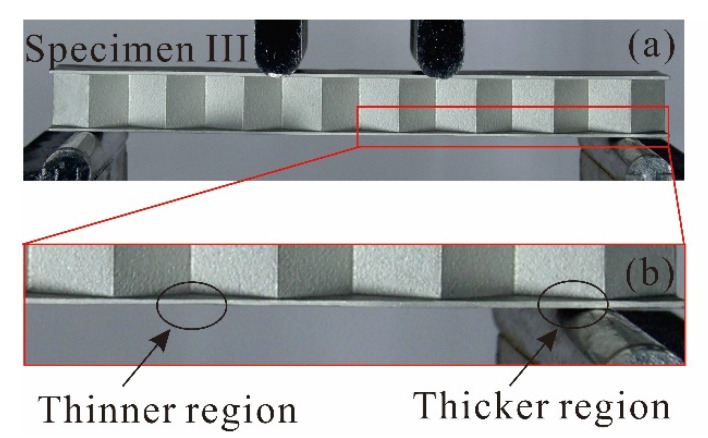
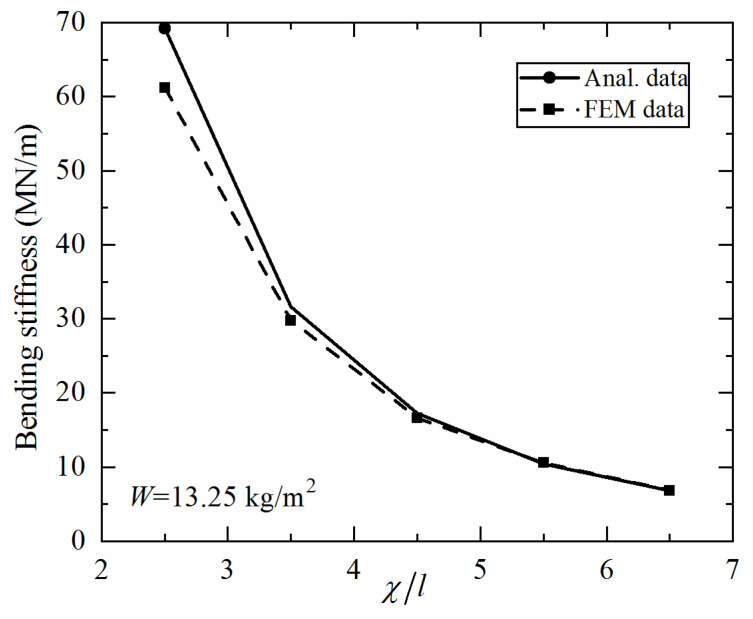
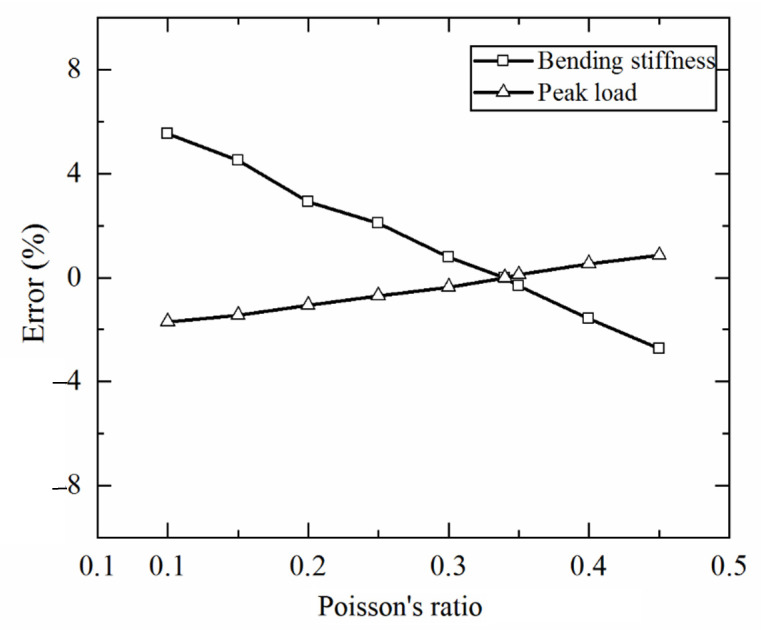
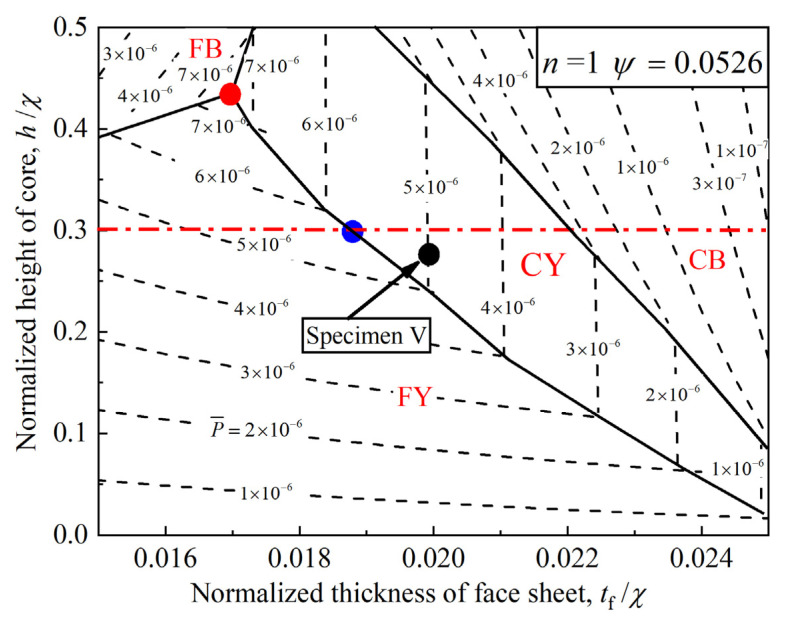
Ultralight sandwich constructions with corrugated channel cores (i.e., periodic fluid-through wavy passages) are envisioned to possess multifunctional attributes: simultaneous load-carrying and heat dissipation via active cooling. Titanium alloy (Ti-6Al-4V) corrugated-channel-cored sandwich panels (3CSPs) with thin face sheets and core webs were fabricated via the technique of selective laser melting (SLM) for enhanced shear resistance relative to other fabrication processes such as vacuum brazing. Four-point bending responses of as-fabricated 3CSP specimens, including bending resistance and initial collapse modes, were experimentally measured. The bending characteristics of the 3CSP structure were further explored using a combined approach of analytical modeling and numerical simulation based on the method of finite elements (FE). Both the analytical and numerical predictions were validated against experimental measurements. Collapse mechanism maps of the 3CSP structure were subsequently constructed using the analytical model, with four collapse modes considered (face-sheet yielding, face-sheet buckling, core yielding, and core buckling), which were used to evaluate how its structural geometry affects its collapse initiation mode.
具有波纹通道芯(即周期性的流体通过波浪形通道)的超轻型夹层结构被设想具有多功能属性:通过主动冷却同时承载负荷和散热。采用选择性激光熔化(SLM)技术制造了具有薄面板和芯腹板的钛合金(Ti-6Al-4V)波纹通道芯夹层板(3CSP),相对于其他制造工艺(如真空钎焊),其抗剪强度得到了增强。对制造后的3CSP试样进行了四点弯曲响应实验测量,包括抗弯强度和初始破坏模式。基于有限元(FE)方法,采用解析建模和数值模拟相结合的方法进一步探究了3CSP结构的弯曲特性。解析预测和数值预测均通过实验测量进行了验证。随后使用解析模型构建了3CSP结构的破坏机制图,考虑了四种破坏模式(面板屈服、面板屈曲、芯部屈服和芯部屈曲),用于评估其结构几何形状如何影响其破坏起始模式。