Kong Li, Zhu Lijuan, Yi Xianglian, Huang You, Zhao Haoqiang, Chen Yazhi, Yuan Zhihang, Wen Lixin, Wu Jing, Yi Jine
Hunan Engineering Research Center of Livestock and Poultry Health Care, Colleges of Veterinary Medicine, Hunan Agricultural University, Changsha 410128, China.
Hunan Co-Innovation Center of Animal Production Safety, Changsha 410128, China.
Antioxidants (Basel). 2021 Jan 22;10(2):158. doi: 10.3390/antiox10020158.
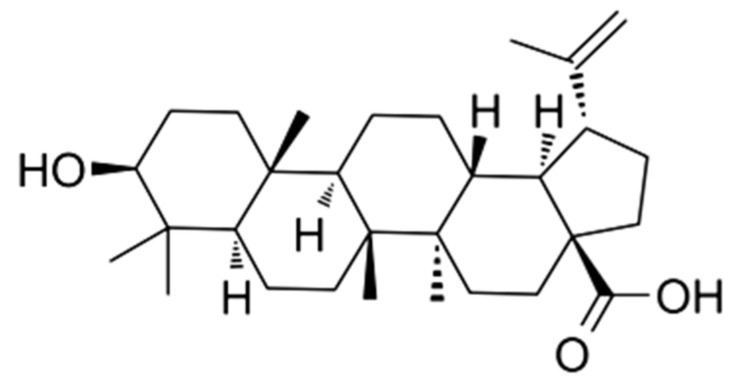
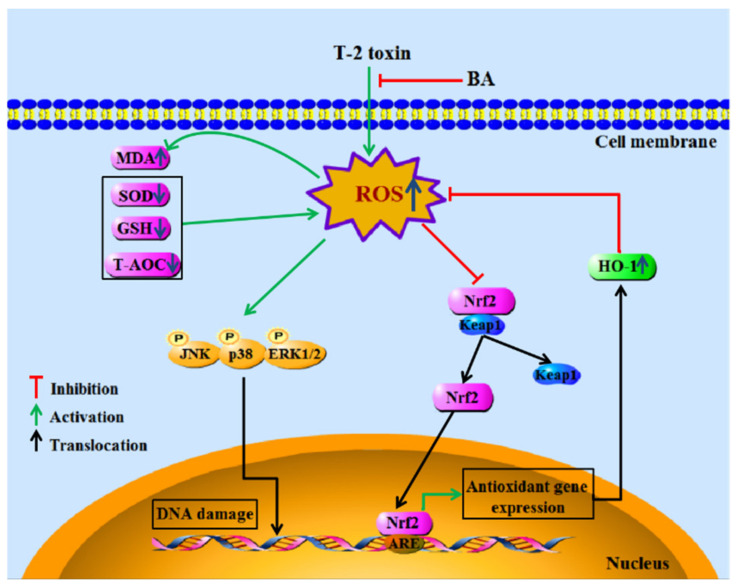
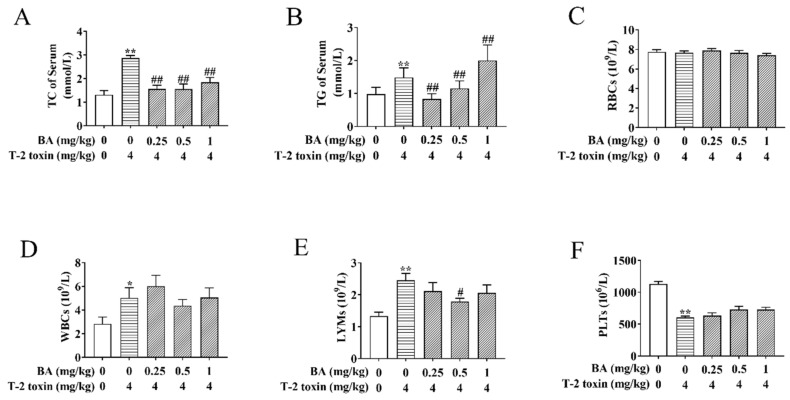
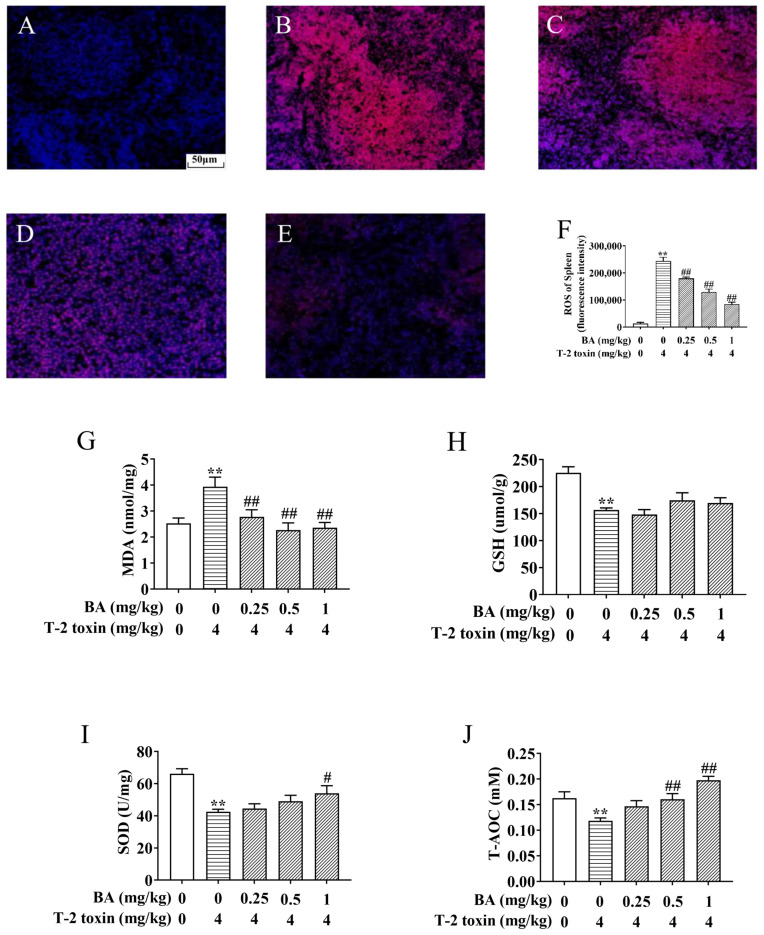
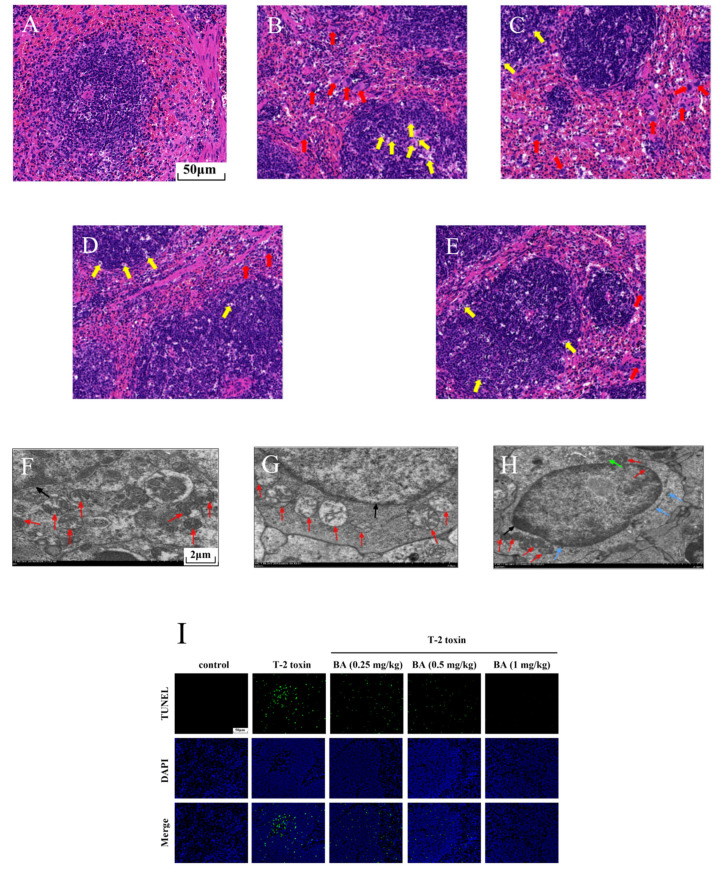
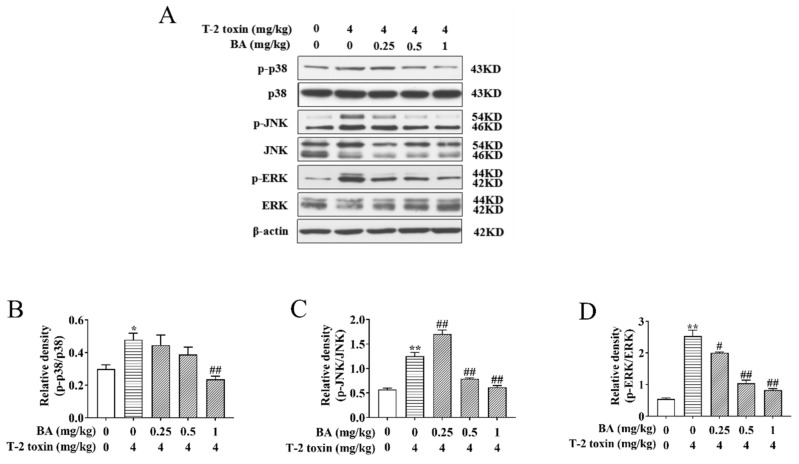
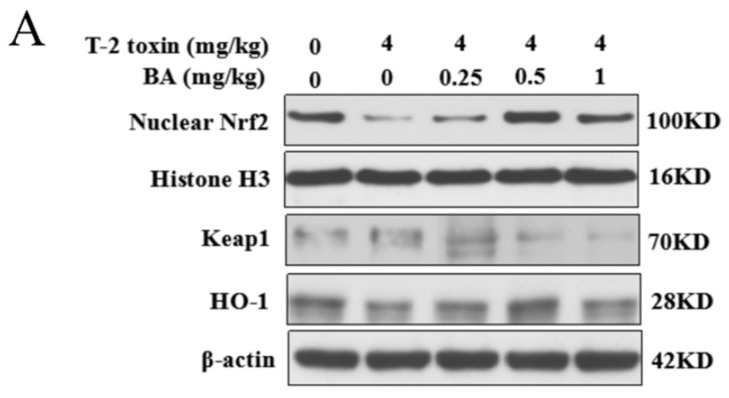
T-2 toxin, which is mainly produced by specific strains of in nature, can induce immunotoxicity and oxidative stress, resulting in immune organ dysfunction and apoptosis. Betulinic acid (BA), a pentacyclic triterpenoids from nature plants, has been demonstrated to possess immunomodulating and antioxidative bioactivities. The purpose of the study was to explore the effect of BA on T-2 toxin-challenged spleen oxidative damage and further elucidate the underlying mechanism. We found that BA not only ameliorated the contents of serum total cholesterol (TC) and triglyceride (TG) but also restored the number of lymphocytes in T-2 toxin-induced mice. BA dose-dependently reduced the accumulation of reactive oxygen species (ROS), enhanced superoxide dismutase (SOD) activity, and decreased malondialdehyde (MDA) content, as well as increased the total antioxidant capacity (T-AOC) in the spleen of T-2-toxin-exposed mice. Moreover, BA reduced inflammatory cell infiltration in the spleen, improved the morphology of mitochondria and enriched the number of organelles in splenocytes, and dramatically attenuated T-2 toxin-triggered splenocyte apoptosis. Furthermore, administration of BA alleviated the protein phosphorylation of p38, c-Jun N-terminal kinase (JNK), and extracellular signal-regulated kinases (ERK); decreased the protein expression of kelch-like erythroid cell-derived protein with CNC homology [ECH]-associated protein1 (Keap1); and increased the protein expression of nuclear factor erythroid 2 [NF-E2]-related factor (Nrf2) and heme oxygenase-1 (HO-1) in the spleen. These findings demonstrate that BA defends against spleen oxidative damage associated with T-2 toxin injection by decreasing ROS accumulation and activating the Nrf2 signaling pathway, as well as inhibiting the mitogen-activated protein kinase (MAPK) signaling pathway.
T-2毒素主要由自然界中的特定菌株产生,可诱导免疫毒性和氧化应激,导致免疫器官功能障碍和细胞凋亡。桦木酸(BA)是一种天然植物来源的五环三萜类化合物,已被证明具有免疫调节和抗氧化生物活性。本研究的目的是探讨BA对T-2毒素诱导的脾脏氧化损伤的影响,并进一步阐明其潜在机制。我们发现,BA不仅改善了血清总胆固醇(TC)和甘油三酯(TG)的含量,还恢复了T-2毒素诱导小鼠的淋巴细胞数量。BA剂量依赖性地减少了活性氧(ROS)的积累,增强了超氧化物歧化酶(SOD)活性,降低了丙二醛(MDA)含量,并提高了T-2毒素暴露小鼠脾脏中的总抗氧化能力(T-AOC)。此外,BA减少了脾脏中的炎性细胞浸润,改善了线粒体形态,增加了脾细胞中的细胞器数量,并显著减轻了T-2毒素引发的脾细胞凋亡。此外,给予BA可减轻p38、c-Jun氨基末端激酶(JNK)和细胞外信号调节激酶(ERK)的蛋白磷酸化;降低含kelch样红系衍生蛋白与CNC同源物[ECH]相关蛋白1(Keap1)的蛋白表达;并增加脾脏中核因子红系2 [NF-E2]相关因子(Nrf2)和血红素加氧酶-1(HO-1)的蛋白表达。这些发现表明,BA通过减少ROS积累、激活Nrf2信号通路以及抑制丝裂原活化蛋白激酶(MAPK)信号通路,抵御与T-2毒素注射相关的脾脏氧化损伤。