Department of Morphology, Surgery and Experimental Medicine, University of Ferrara, Ferrara, Italy; LTTA Centre, University of Ferrara, Ferrara, Italy.
Department of Morphology, Surgery and Experimental Medicine, University of Ferrara, Ferrara, Italy.
Nutr Metab Cardiovasc Dis. 2021 Jan 4;31(1):344-353. doi: 10.1016/j.numecd.2020.08.031. Epub 2020 Sep 12.
Cardiovascular disease is the main cause of death worldwide, but the collective efforts to prevent this pathological condition are directed exclusively to individuals at higher risk due to hypercholesterolemia, hypertension, obesity, diabetes. Recently, vitamin D deficiency was identified as a risk factor for cardiovascular disease in healthy people, as it predisposes to different vascular dysfunctions that can result in plaque development and fragility. In this scenario, the fundamental aim of the study was to reproduce a disease model inducing vitamin D deficiency and atheromatosis in ApoE mice and then to evaluate the impact of this vitamin D status on the onset/progression of atheromatosis, focusing on plaque formation and instability.
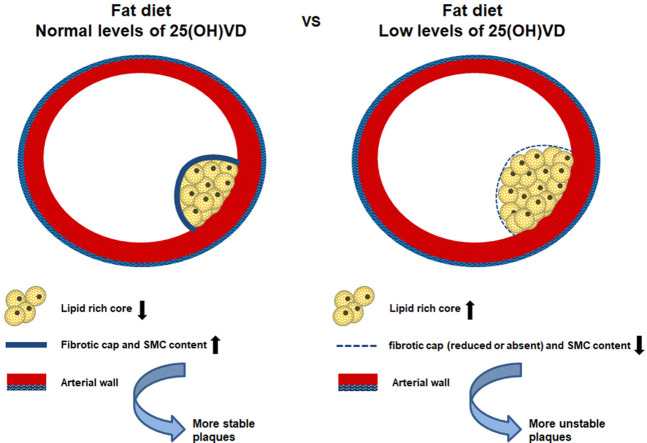
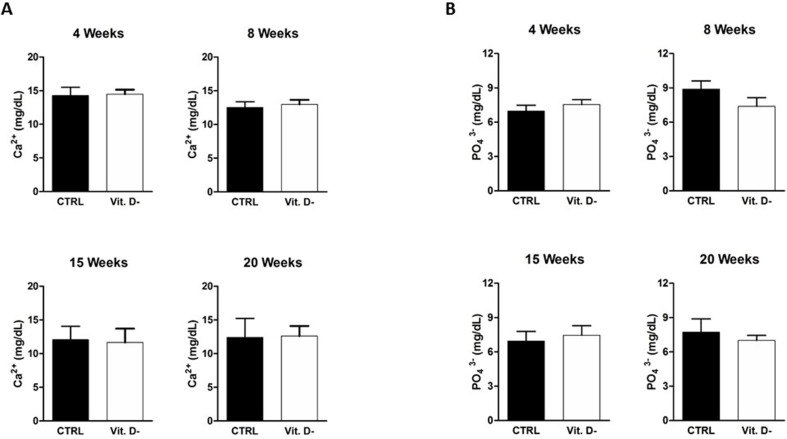
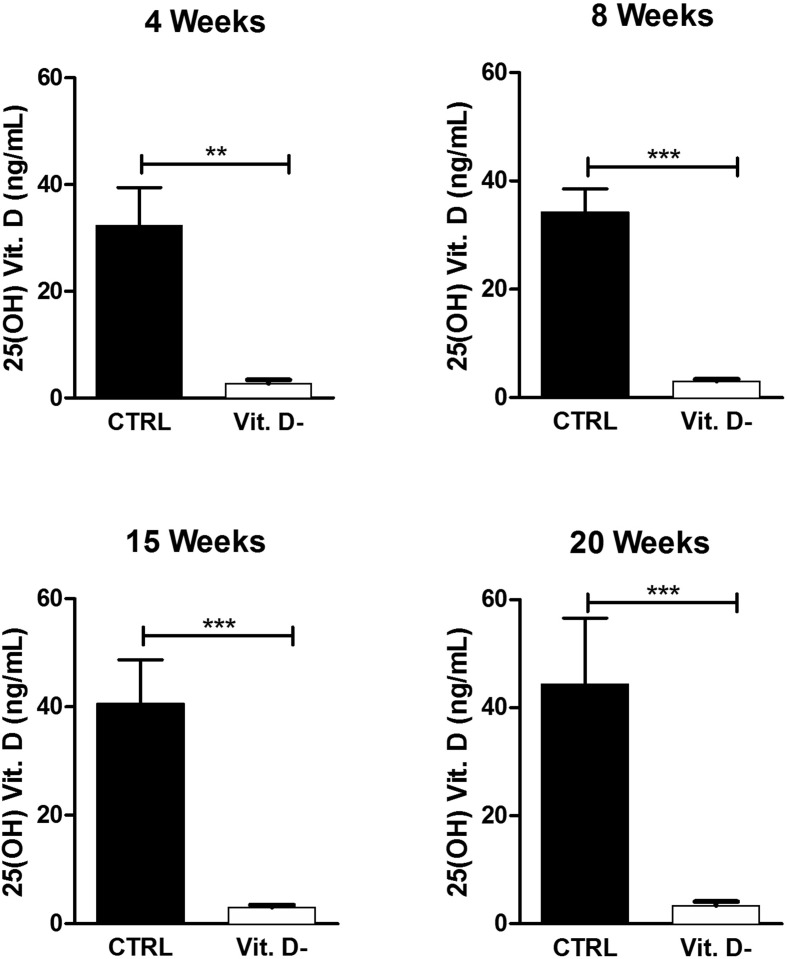
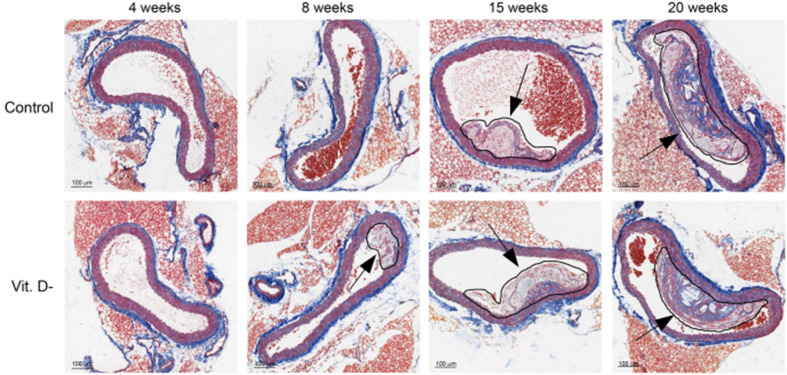
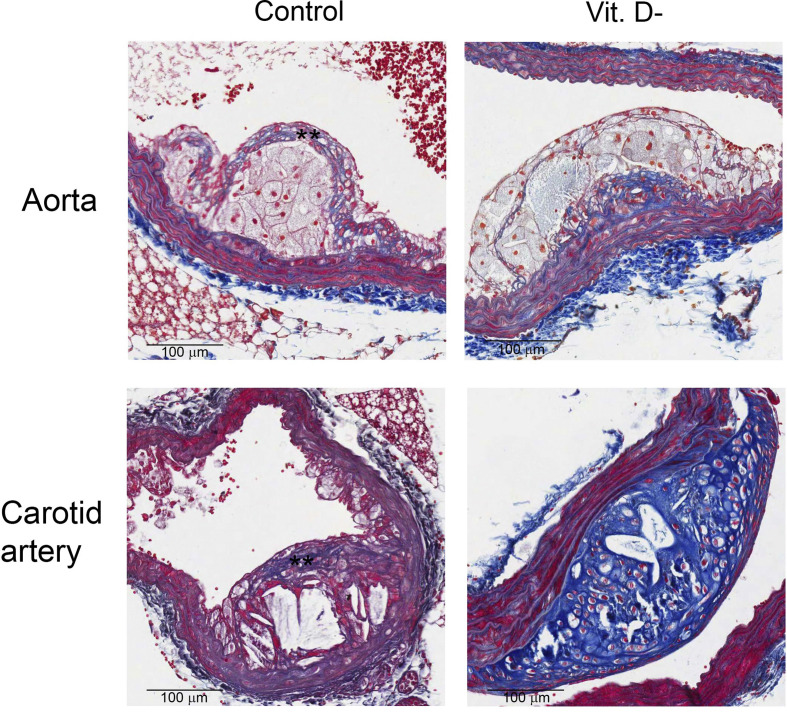
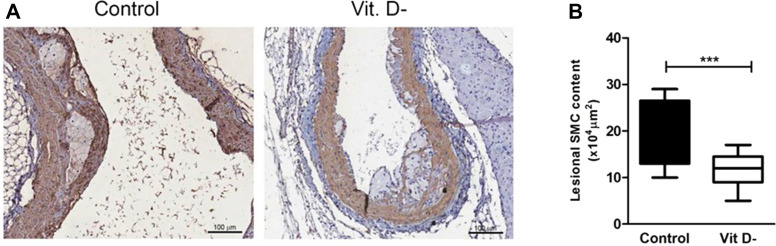
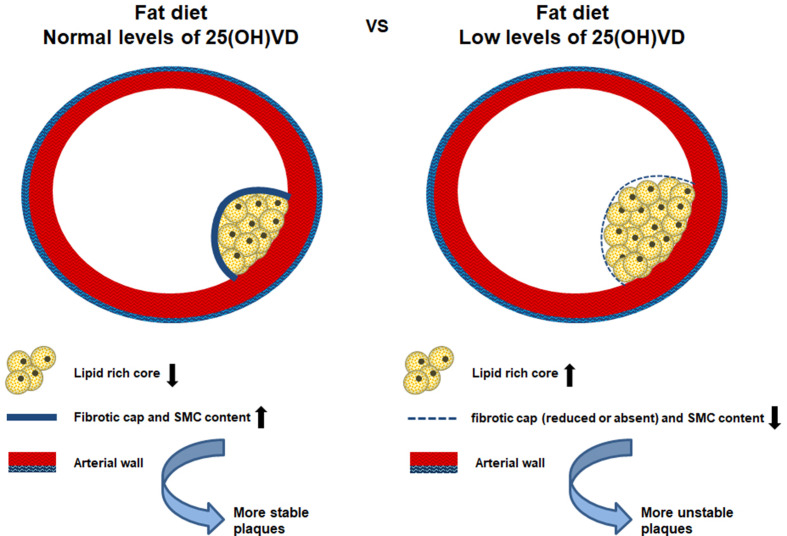
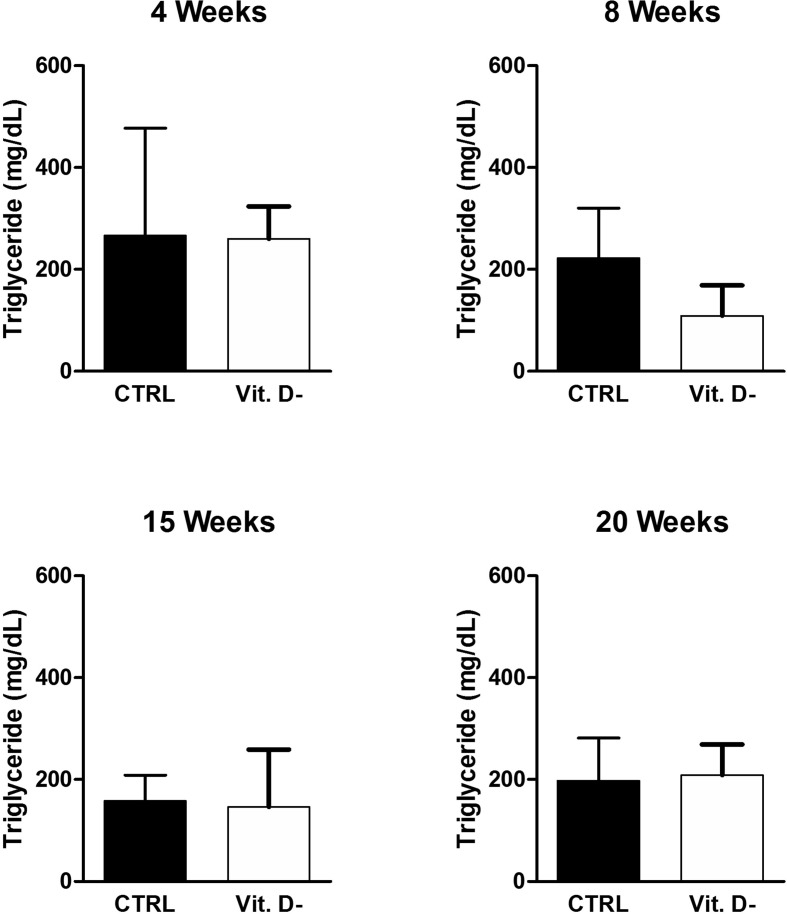
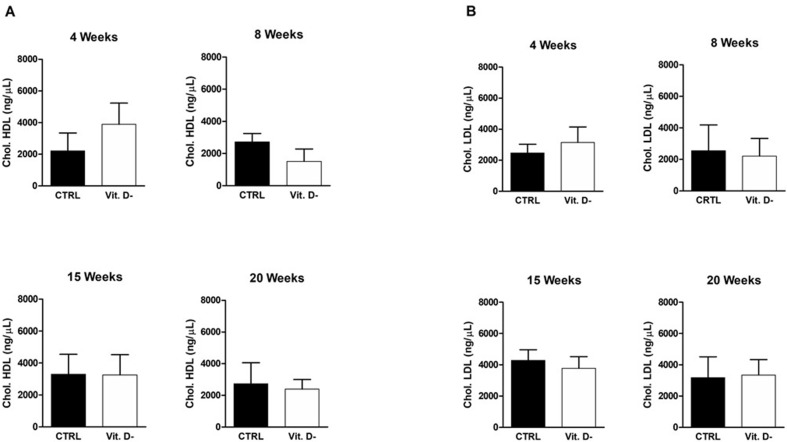
In our murine disease model, vitamin D deficiency was achieved by 3 weeks of vitamin D deficient diet along with intraperitoneal paricalcitol injections, while atheromatosis by western-type diet administration. Under these experimental conditions, vitamin D deficient mice developed more unstable atheromatous plaques with reduced or absent fibrotic cap. Since calcium and phosphorus metabolism and also cholesterol and triglycerides systemic concentration were not affected by vitamin D level, our results highlighted the role of vitamin D deficiency in the formation/instability of atheromatous plaque and, although further studies are needed, suggested a possible intervention with vitamin D to prevent or delay the atheromatous disease.
The data obtained open the question about the potential role of the vitamins in the pharmacological treatments of cardiovascular disorders as coadjutant of the primary drugs used for these pathologies.
心血管疾病是全球主要的死亡原因,但预防这种病理状况的集体努力仅针对因高胆固醇血症、高血压、肥胖症和糖尿病而处于较高风险的个体。最近,维生素 D 缺乏被确定为健康人群心血管疾病的一个风险因素,因为它易导致不同的血管功能障碍,从而导致斑块形成和脆弱。在这种情况下,研究的基本目标是在 ApoE 小鼠中再现导致维生素 D 缺乏和动脉粥样硬化的疾病模型,然后评估这种维生素 D 状态对动脉粥样硬化发病/进展的影响,重点关注斑块形成和不稳定性。
在我们的小鼠疾病模型中,通过 3 周的维生素 D 缺乏饮食和腹腔内帕立骨化醇注射来实现维生素 D 缺乏,同时给予西式饮食来诱导动脉粥样硬化。在这些实验条件下,维生素 D 缺乏的小鼠形成了更不稳定的动脉粥样硬化斑块,其纤维化帽减少或缺失。由于钙磷代谢以及胆固醇和甘油三酯的全身浓度不受维生素 D 水平的影响,我们的结果强调了维生素 D 缺乏在动脉粥样硬化斑块形成和不稳定性中的作用,尽管还需要进一步的研究,但提示了使用维生素 D 进行可能的干预以预防或延迟动脉粥样硬化疾病。
获得的数据提出了关于维生素在心血管疾病药理学治疗中的潜在作用的问题,作为用于这些疾病的主要药物的辅助治疗。