Krivitsky Vadim, Granot Eran, Avidor Yoav, Borberg Ella, Voegele Ralf T, Patolsky Fernando
School of Chemistry, Faculty of Exact Sciences, Tel Aviv University, Tel Aviv 69978, Israel.
ADAMA Ltd., Tel Aviv 7015103, Israel.
ACS Sens. 2021 Mar 26;6(3):1187-1198. doi: 10.1021/acssensors.0c02452. Epub 2021 Jan 28.
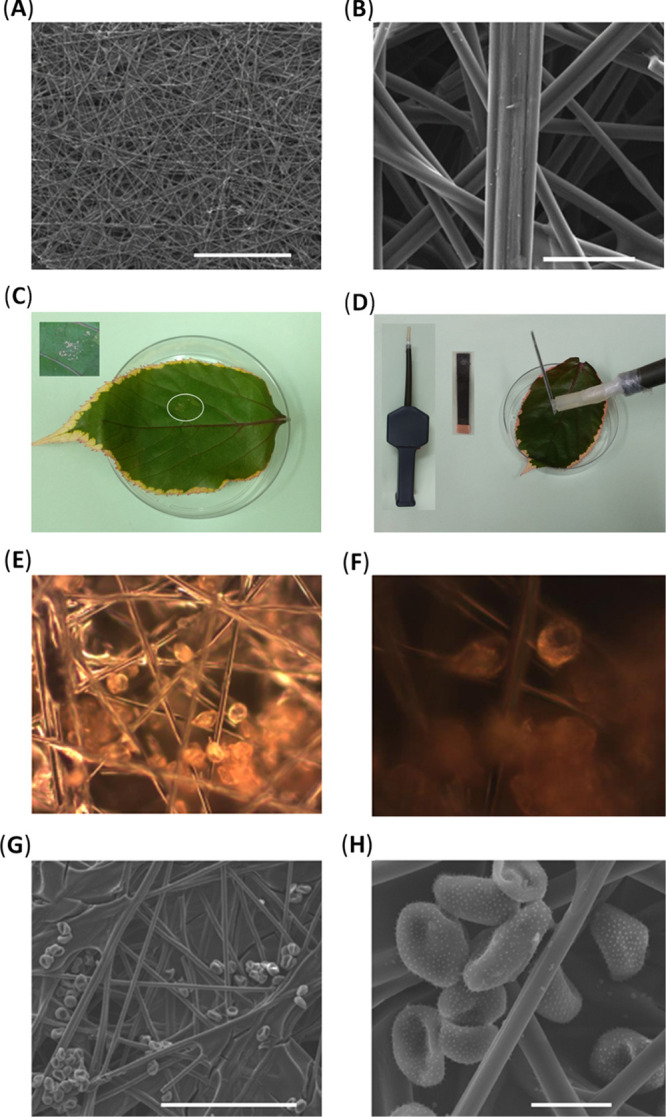
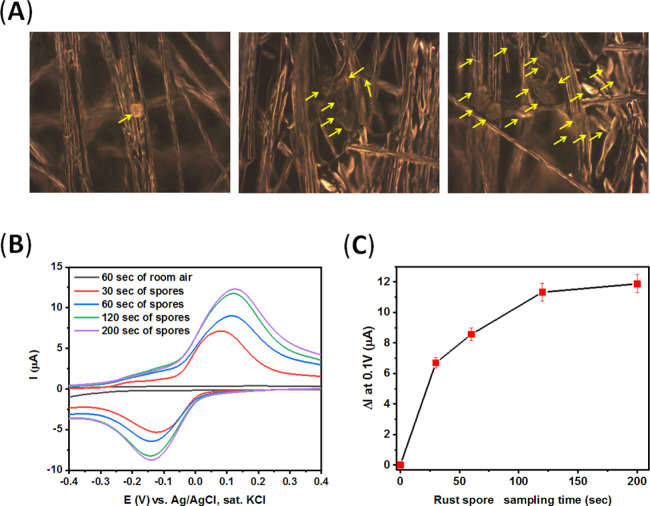
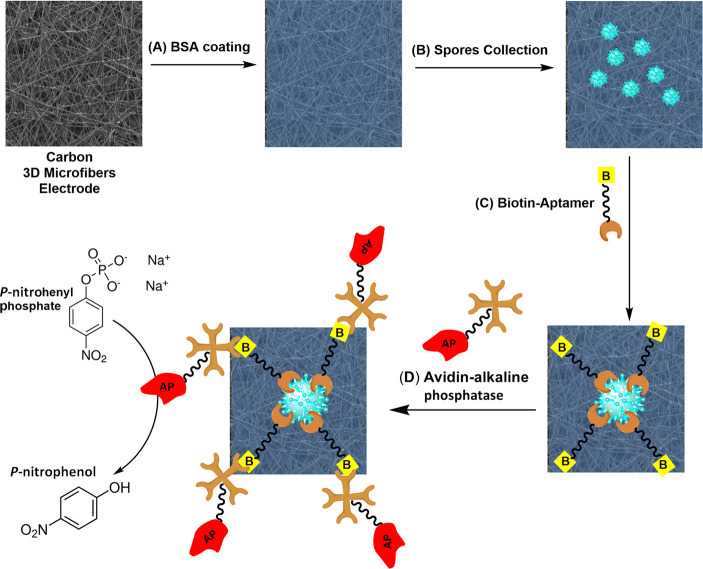
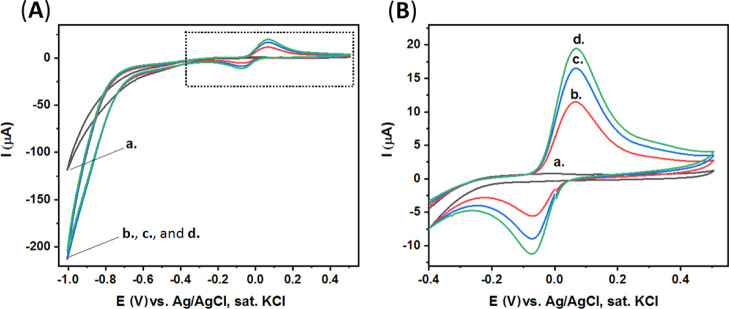
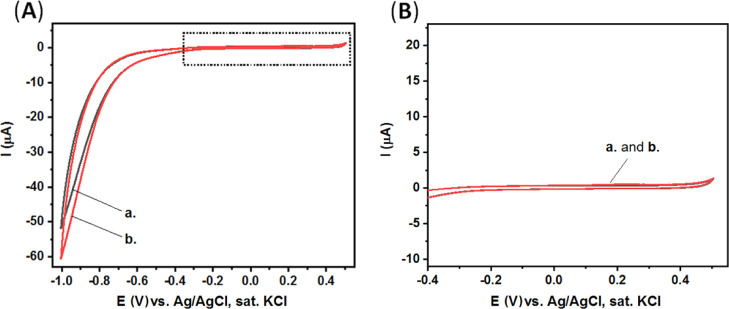
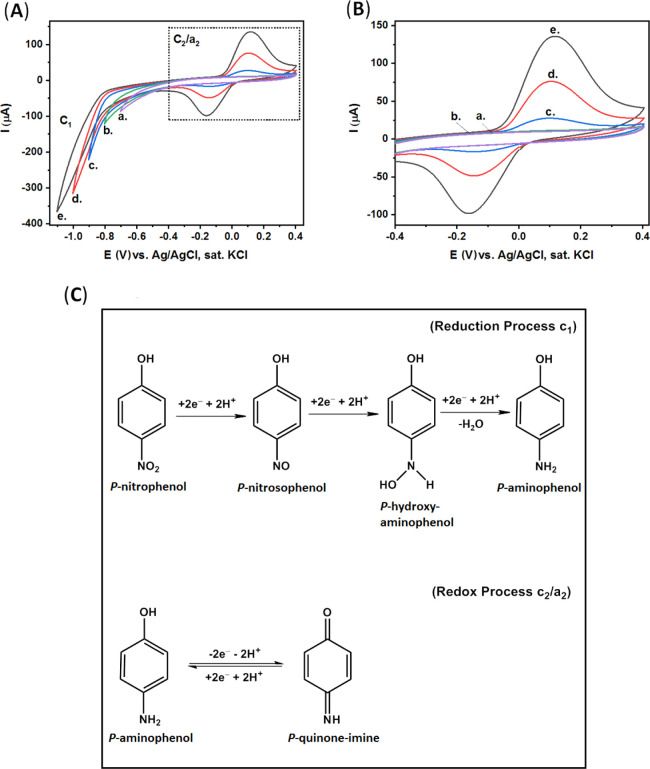
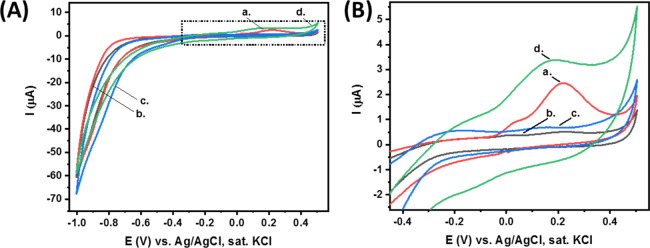
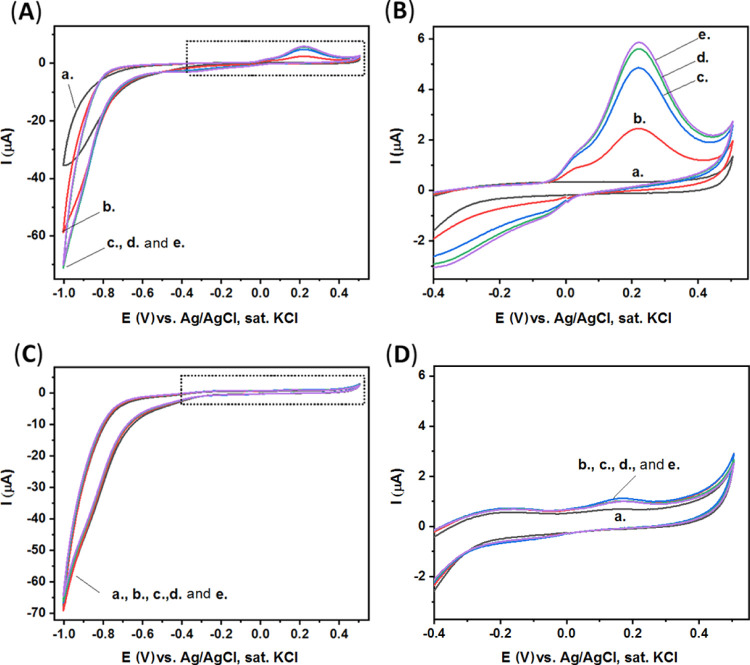
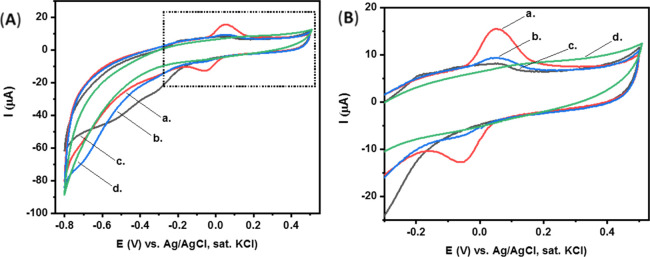
Plants are the central source of food for humans around the world. Unfortunately, plants can be negatively affected by diverse kinds of diseases that are responsible for major economic losses worldwide. Thus, monitoring plant health and early detection of pathogens are essential to reduce disease spread and facilitate effective management practices. Various detection approaches are currently practiced. These methods mainly include visual inspection and laboratory tests. Nonetheless, these methods are labor-intensive, time-consuming, expensive, and inefficient in the early stages of infection. Thus, it is extremely important to detect diseases at the early stages of the epidemic. Here, we would like to present a fast, sensitive, and reliable electrochemical sensing platform for the detection of airborne soybean rust spores. The suspected airborne soybean rust spores are first collected and trapped inside a carbon 3D electrode matrix by high-capacity air-sampling means. Then, a specific biotinylated aptamer, suitable to target specific sites of soybean rust spores is applied. This aptamer agent binds to the surface of the collected spores on the electrode. Finally, spore-bound aptamer units are incubated with a streptavidin-alkaline phosphatase agent leading to the enzymatic formation of -nitrophenol, which is characterized by its unique electrochemical properties. Our method allows for the rapid (ca. 2 min), selective, and sensitive collection and detection of soybean rust spores (down to the limit of 100-200 collected spores per cm of electrode area). This method could be further optimized for its sensitivity and applied to the future multiplex early detection of various airborne plant diseases.
植物是全球人类食物的主要来源。不幸的是,植物会受到各种疾病的负面影响,这些疾病在全球范围内造成了重大经济损失。因此,监测植物健康状况并早期检测病原体对于减少疾病传播和促进有效的管理措施至关重要。目前采用了各种检测方法。这些方法主要包括目视检查和实验室检测。然而,这些方法劳动强度大、耗时、昂贵,且在感染早期效率低下。因此,在疫情早期检测疾病极为重要。在此,我们希望展示一种用于检测空气中大豆锈病孢子的快速、灵敏且可靠的电化学传感平台。首先通过高容量空气采样手段收集疑似空气中的大豆锈病孢子并将其捕获在碳3D电极基质内。然后,应用一种适合靶向大豆锈病孢子特定部位的特异性生物素化适配体。这种适配体试剂与电极上收集到的孢子表面结合。最后,将与孢子结合的适配体单元与链霉亲和素 - 碱性磷酸酶试剂孵育,导致酶促形成对硝基苯酚,其具有独特的电化学性质。我们的方法能够快速(约2分钟)、选择性且灵敏地收集和检测大豆锈病孢子(低至每平方厘米电极面积收集100 - 200个孢子的检测限)。该方法可进一步优化其灵敏度,并应用于未来对各种空气传播植物疾病的多重早期检测。