Toulouse Biotechnology Institute, TBI, Université de Toulouse, CNRS, INRAE, INSA, 135, avenue de Rangueil, 31077, Toulouse Cedex 04, France.
Unité de Chimie des Biomolécules, Institut Pasteur, UMR3523 CNRS, 28, rue du Dr Roux, 75724, Paris Cedex 15, France.
Sci Rep. 2021 Jan 28;11(1):2474. doi: 10.1038/s41598-021-81719-1.
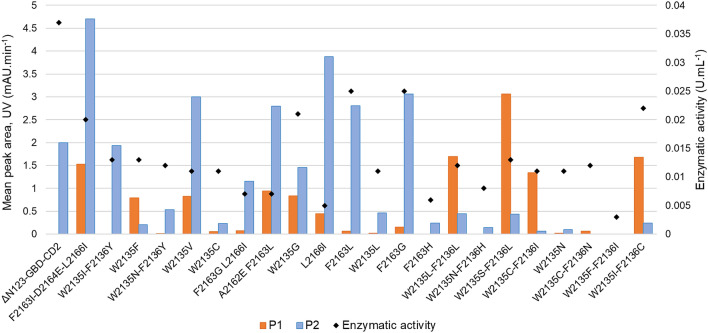
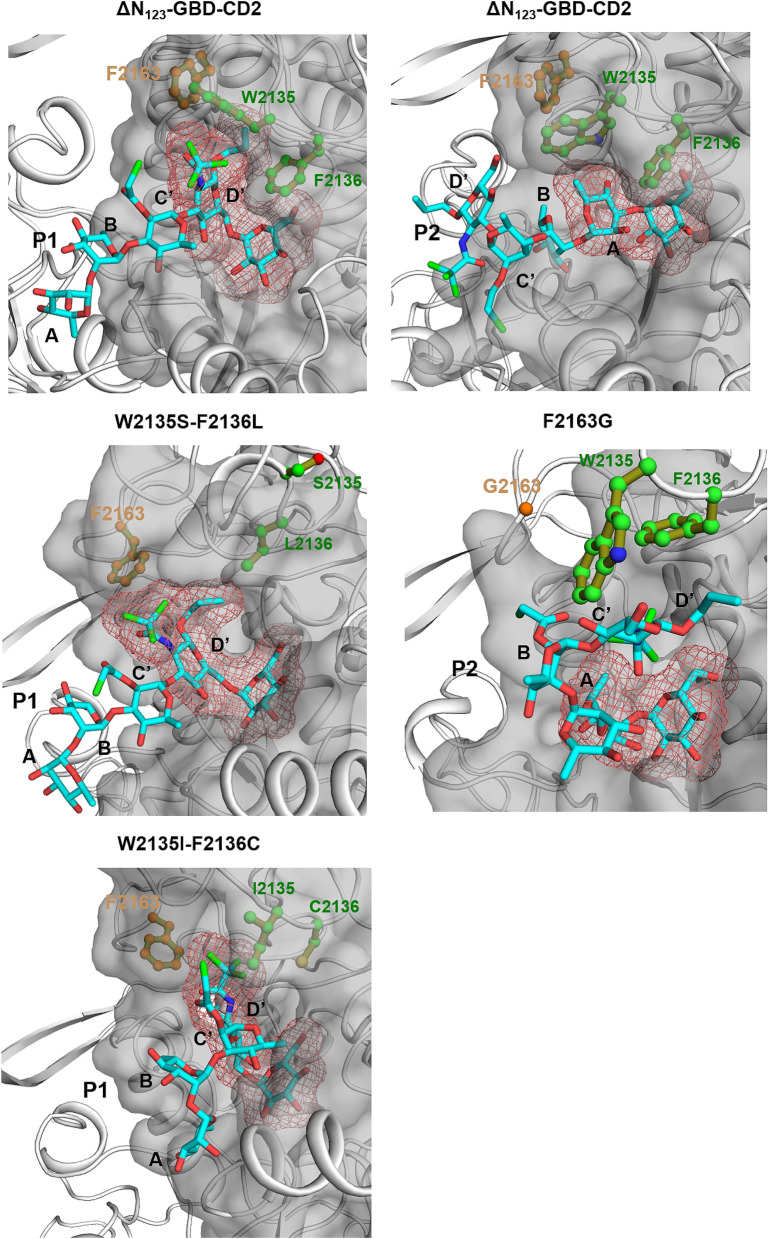
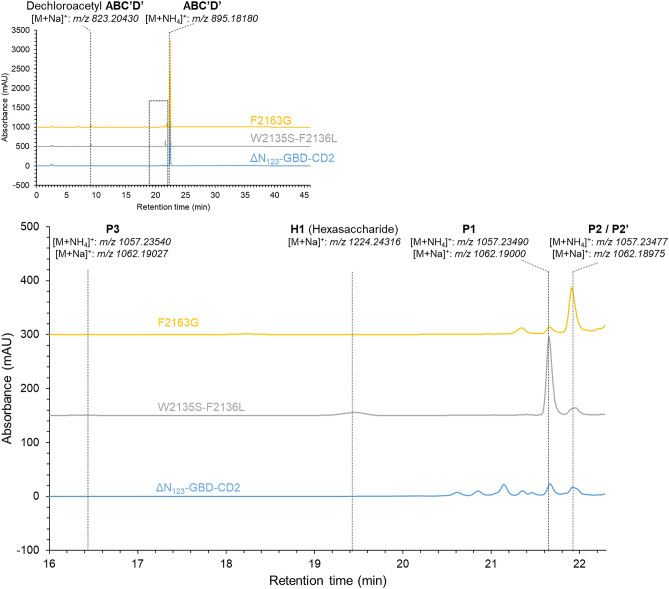
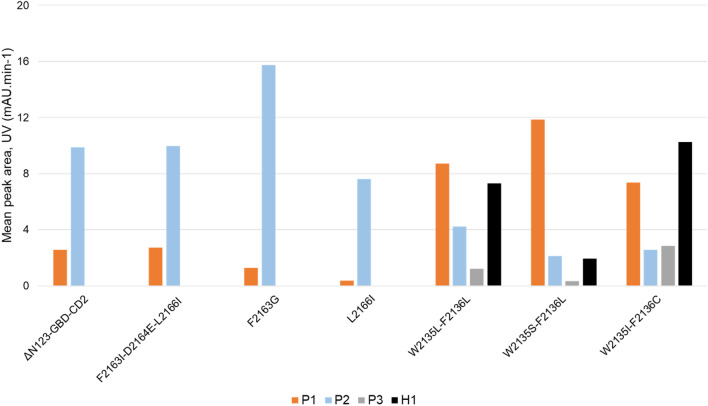
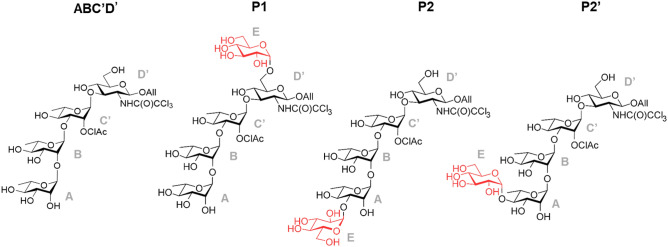
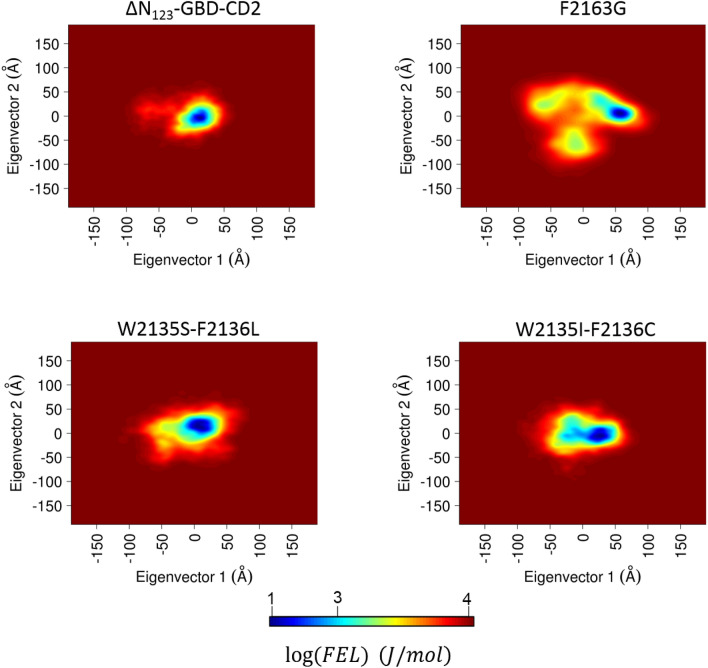
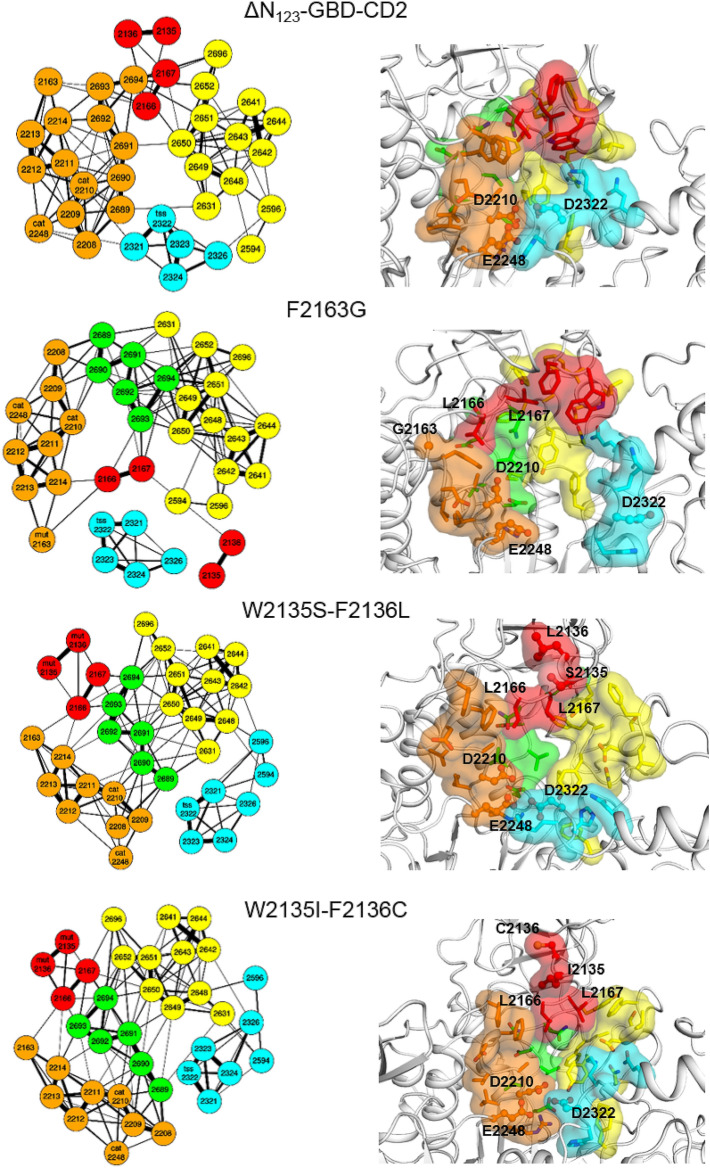
The (chemo-)enzymatic synthesis of oligosaccharides has been hampered by the lack of appropriate enzymatic tools with requisite regio- and stereo-specificities. Engineering of carbohydrate-active enzymes, in particular targeting the enzyme active site, has notably led to catalysts with altered regioselectivity of the glycosylation reaction thereby enabling to extend the repertoire of enzymes for carbohydrate synthesis. Using a collection of 22 mutants of ΔN-GBD-CD2 branching sucrase, an enzyme from the Glycoside Hydrolase family 70, containing between one and three mutations in the active site, and a lightly protected chemically synthesized tetrasaccharide as an acceptor substrate, we showed that altered glycosylation product specificities could be achieved compared to the parental enzyme. Six mutants were selected for further characterization as they produce higher amounts of two favored pentasaccharides compared to the parental enzyme and/or new products. The produced pentasaccharides were shown to be of high interest as they are precursors of representative haptens of Shigella flexneri serotypes 3a, 4a and 4b. Furthermore, their synthesis was shown to be controlled by the mutations introduced in the active site, driving the glucosylation toward one extremity or the other of the tetrasaccharide acceptor. To identify the molecular determinants involved in the change of ΔN-GBD-CD2 regioselectivity, extensive molecular dynamics simulations were carried out in combination with in-depth analyses of amino acid residue networks. Our findings help to understand the inter-relationships between the enzyme structure, conformational flexibility and activity. They also provide new insight to further engineer this class of enzymes for the synthesis of carbohydrate components of bacterial haptens.
寡糖的(化学)酶法合成受到缺乏具有必要区域和立体特异性的适当酶学工具的阻碍。碳水化合物活性酶的工程改造,特别是针对酶活性位点的工程改造,显著导致了糖基化反应区域选择性改变的催化剂,从而能够扩展用于碳水化合物合成的酶的 repertoire。使用 22 种 ΔN-GBD-CD2 分支蔗糖酶的突变体库,该酶来自糖苷水解酶家族 70,在活性位点中含有一个至三个突变,以及一个轻度保护的化学合成的四糖作为受体底物,我们表明与亲本酶相比,可以实现改变的糖基化产物特异性。选择了六个突变体进行进一步表征,因为它们与亲本酶相比产生了更高量的两种优选五糖和/或新产物。所产生的五糖具有很高的研究价值,因为它们是志贺氏菌血清型 3a、4a 和 4b 的代表性半抗原的前体。此外,它们的合成被证明受到引入活性位点的突变的控制,将葡糖基化推向四糖受体的一个或另一个末端。为了确定参与 ΔN-GBD-CD2 区域选择性变化的分子决定因素,进行了广泛的分子动力学模拟,并结合对氨基酸残基网络的深入分析。我们的研究结果有助于理解酶结构、构象灵活性和活性之间的相互关系。它们还为进一步工程改造这类酶以合成细菌半抗原的碳水化合物成分提供了新的见解。