Department of Biochemistry and Molecular Biophysics, Washington University School of Medicine, St. Louis, MO.
Department of Biomedical Engineering, University of Arizona, Tucson, AZ.
J Gen Physiol. 2021 Mar 1;153(3). doi: 10.1085/jgp.202012662.
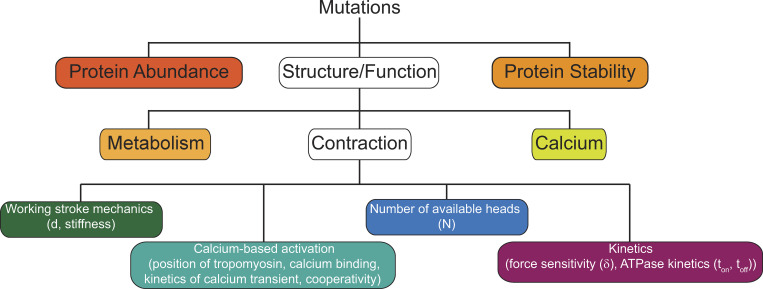
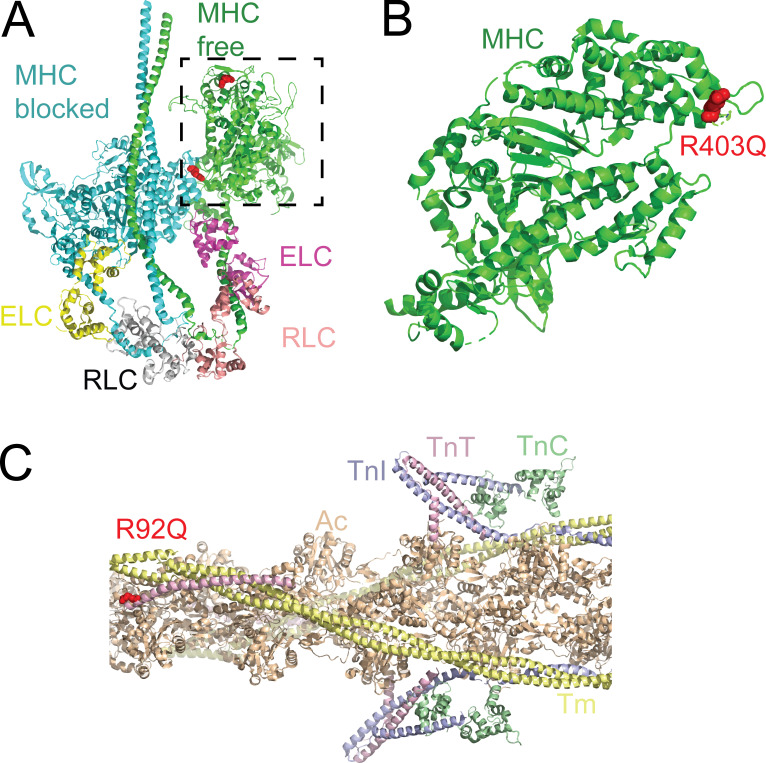
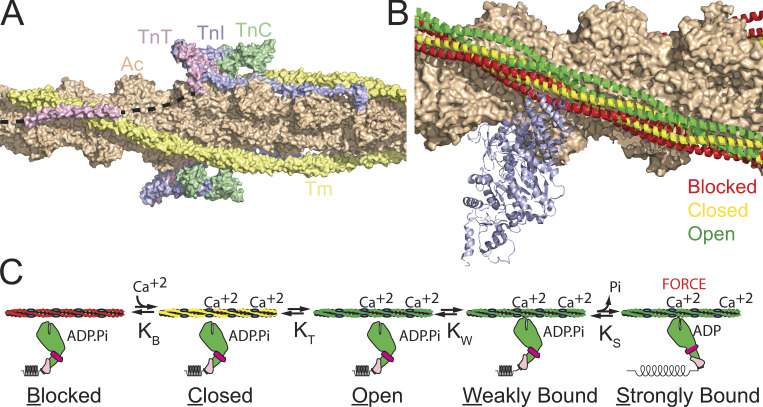
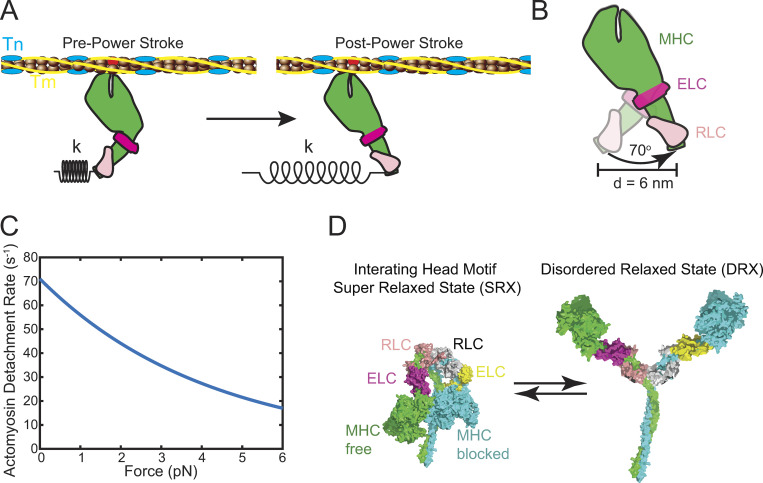
Genetic cardiomyopathies have been studied for decades, and it has become increasingly clear that these progressive diseases are more complex than originally thought. These complexities can be seen both in the molecular etiologies of these disorders and in the clinical phenotypes observed in patients. While these disorders can be caused by mutations in cardiac genes, including ones encoding sarcomeric proteins, the disease presentation varies depending on the patient mutation, where mutations even within the same gene can cause divergent phenotypes. Moreover, it is challenging to connect the mutation-induced molecular insult that drives the disease pathogenesis with the various compensatory and maladaptive pathways that are activated during the course of the subsequent progressive, pathogenic cardiac remodeling. These inherent complexities have frustrated our ability to understand and develop broadly effective treatments for these disorders. It has been proposed that it might be possible to improve patient outcomes by adopting a precision medicine approach. Here, we lay out a practical framework for such an approach, where patient subpopulations are binned based on common underlying biophysical mechanisms that drive the molecular disease pathogenesis, and we propose that this function-based approach will enable the development of targeted therapeutics that ameliorate these effects. We highlight several mutations to illustrate the need for mechanistic molecular experiments that span organizational and temporal scales, and we describe recent advances in the development of novel therapeutics based on functional targets. Finally, we describe many of the outstanding questions for the field and how fundamental mechanistic studies, informed by our more nuanced understanding of the clinical disorders, will play a central role in realizing the potential of precision medicine for genetic cardiomyopathies.
遗传性心肌病已经研究了几十年,越来越明显的是,这些进行性疾病比最初想象的更为复杂。这些复杂性既可见于这些疾病的分子病因,也可见于患者观察到的临床表型。虽然这些疾病可能是由心脏基因的突变引起的,包括编码肌节蛋白的基因,但疾病表现因患者突变而异,即使在同一基因内的突变也可能导致不同的表型。此外,将导致疾病发病机制的突变诱导的分子损伤与在随后进行性、致病的心脏重构过程中激活的各种代偿和适应途径联系起来具有挑战性。这些固有的复杂性阻碍了我们理解和开发这些疾病广泛有效的治疗方法的能力。有人提出,通过采用精准医疗方法,可能有可能改善患者的预后。在这里,我们提出了这样一种方法的实用框架,其中根据驱动分子疾病发病机制的常见潜在生物物理机制对患者亚群进行分类,我们提出这种基于功能的方法将能够开发出改善这些影响的靶向治疗药物。我们强调了几种突变,以说明需要进行跨越组织和时间尺度的机制分子实验,并描述了基于功能靶点的新型治疗药物的最新进展。最后,我们描述了该领域的许多悬而未决的问题,以及基础机制研究如何在利用我们对临床疾病更细致的理解实现精准医疗治疗遗传性心肌病的潜力方面发挥核心作用。