Aesthet Surg J. 2021 Oct 15;41(11):1252-1262. doi: 10.1093/asj/sjaa308.
Biofilm-associated bacteria have been observed in both breast implant revision and tissue expander-implant exchange surgeries. The utilization of antimicrobial solutions in breast surgery, especially those containing triple antibiotics (TAB) and/or 10% povidone-iodine (PI), may help reduce existing biofilm-associated bacteria, which is particularly important in a mature breast pocket that may contain residual bacteria from a previously colonized implant surface or, theoretically, bacteria that may arrive postoperatively through hematogenous spread.
A series of in vitro assessments was performed to evaluate the antimicrobial utility of TAB and PI, either alone or in combination, against preformed biofilm-associated bacteria.
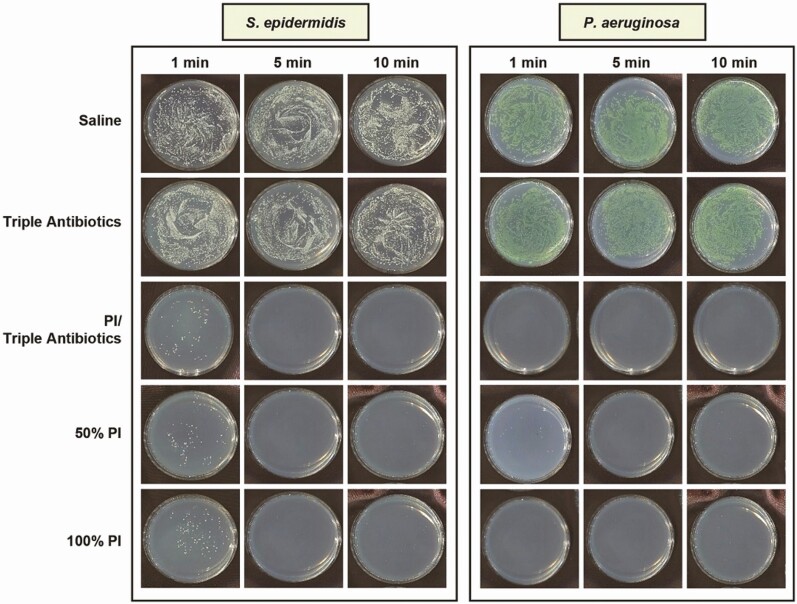
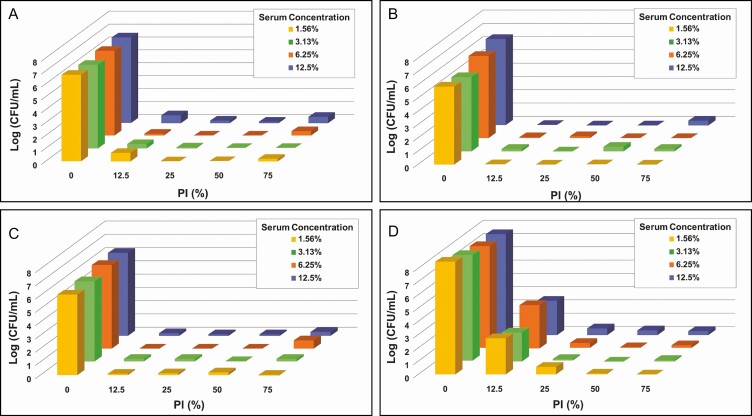
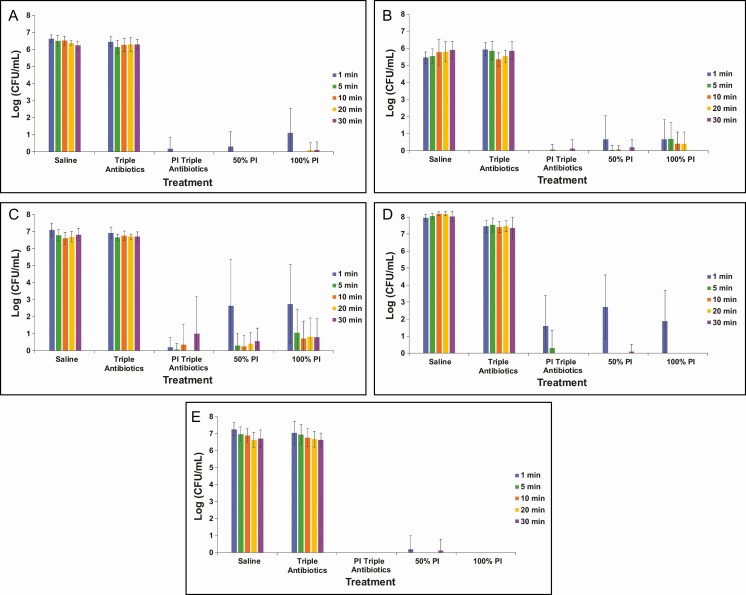
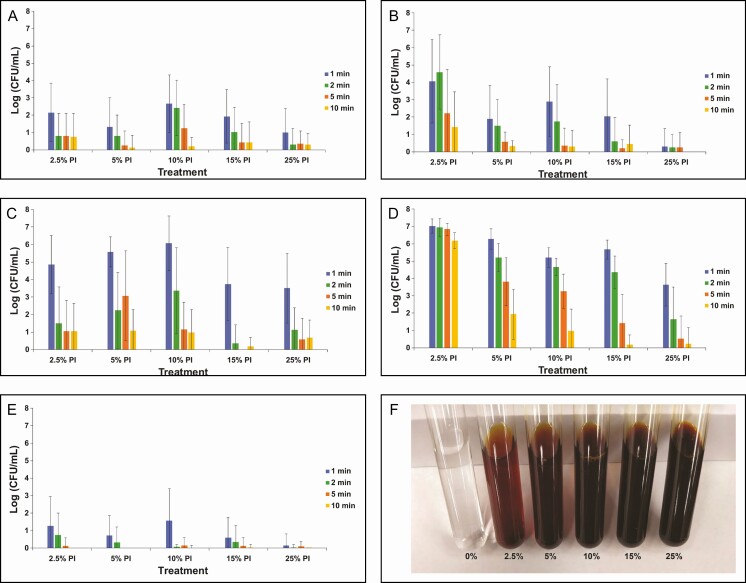
Preformed biofilm-associated gram-positive and gram-negative bacterial strains were exposed to TAB and PI ± TAB for up to 30 minutes in a bacterial time-kill assay. Efficacy of various dilutions of PI and the effects of serum protein on PI efficacy were also investigated.
TAB was ineffective at the timeframes tested when utilized alone; when utilized in conjunction with PI, significant log reduction of all biofilm-associated bacterial species tested was achieved when treated for at least 5 minutes. PI alone at a concentration of 25% or higher was also effective, although its efficacy was negatively affected by increasing serum protein concentration only for Staphylococcus epidermidis.
Our data indicate that PI-containing solutions significantly reduce biofilm-associated bacteria, suggesting potential utility for breast pocket irrigation during revision or exchange surgeries. Care should be taken to minimize excessive dilution of PI to maintain efficacy.
在乳房植入物翻修和组织扩张器-植入物置换手术中都观察到生物膜相关细菌。在乳房手术中使用抗菌溶液,特别是含有三联抗生素(TAB)和/或 10%聚维酮碘(PI)的抗菌溶液,可能有助于减少现有的生物膜相关细菌,这在成熟的乳房袋中尤为重要,因为成熟的乳房袋可能含有来自先前定植的植入物表面的残留细菌,或者理论上可能会通过血源性传播术后到达细菌。
进行了一系列的体外评估,以评估 TAB 和 PI 单独或联合使用对预先形成的生物膜相关细菌的抗菌效果。
将预先形成的生物膜相关革兰氏阳性和革兰氏阴性细菌菌株暴露于 TAB 和 PI±TAB 中,在细菌时间杀伤测定中最长达 30 分钟。还研究了 PI 的各种稀释度的功效以及血清蛋白对 PI 功效的影响。
在测试的时间范围内,单独使用 TAB 时无效;当与 PI 联合使用时,至少处理 5 分钟时,所有测试的生物膜相关细菌物种的对数减少都有显著效果。PI 浓度为 25%或更高时单独使用也有效,但是其功效仅受到表皮葡萄球菌的血清蛋白浓度增加的负面影响。
我们的数据表明,含 PI 的溶液可显著减少生物膜相关细菌,这表明在翻修或更换手术期间对乳房袋冲洗有潜在的应用价值。应注意避免 PI 过度稀释以保持功效。