Pavelková Miroslava, Vysloužil Jakub, Kubová Kateřina, Pavloková Sylvie, Molinková Dobromila, Celer Vladimír, Pechová Alena, Mašek Josef, Vetchý David
Department of Pharmaceutical Technology, Faculty of Pharmacy, Masaryk University, Palackého 1, 612 00 Brno, Czech Republic.
Department of Infectious Diseases and Microbiology, Faculty of Veterinary Medicine, University of Veterinary and Pharmaceutical Sciences Brno, Palackého 1, 612 42 Brno, Czech Republic.
Pharmaceutics. 2021 Jan 27;13(2):165. doi: 10.3390/pharmaceutics13020165.
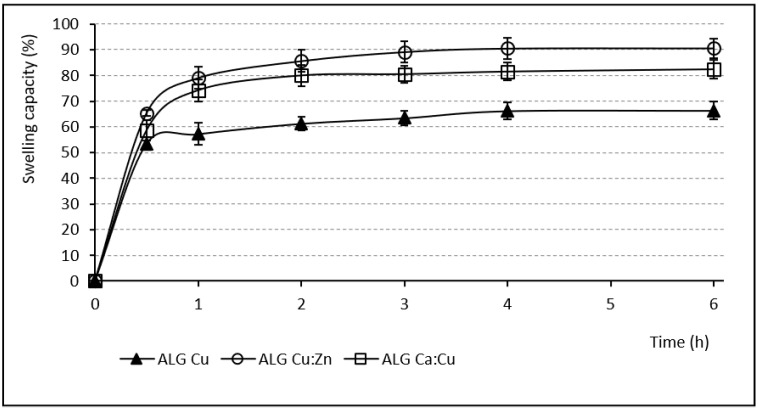
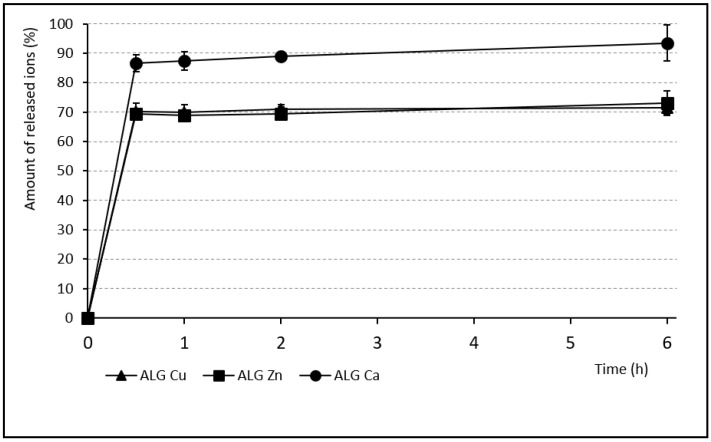
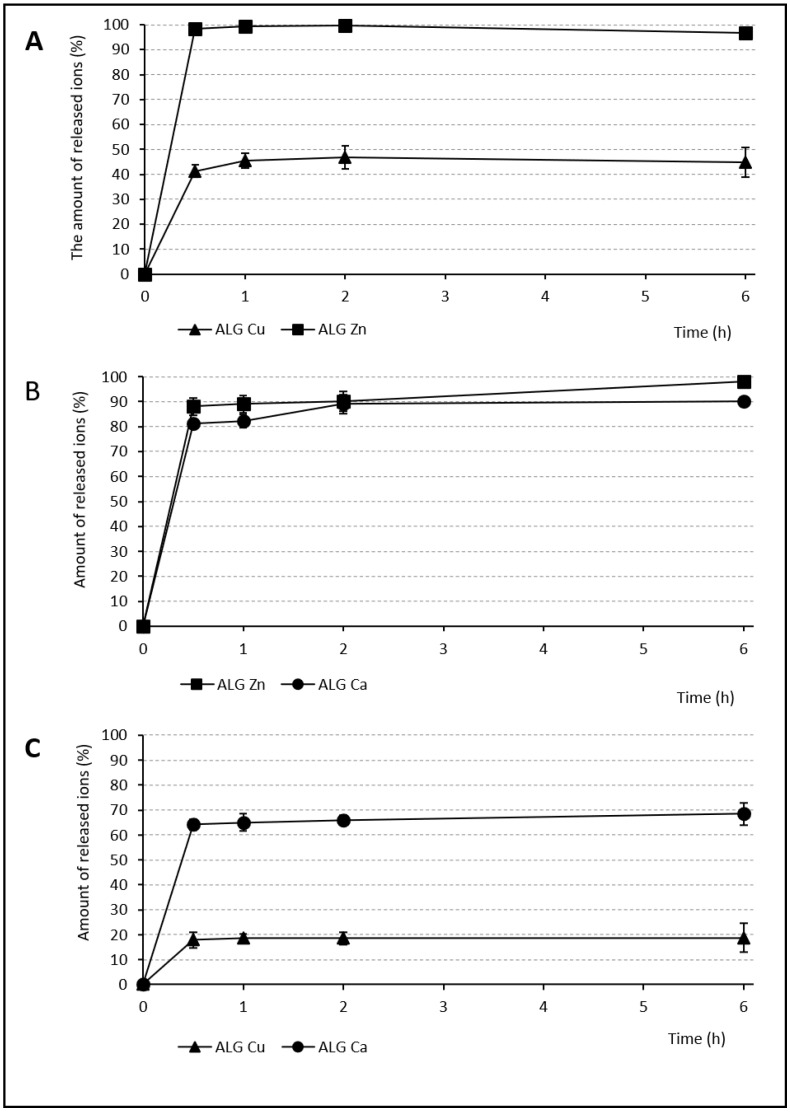
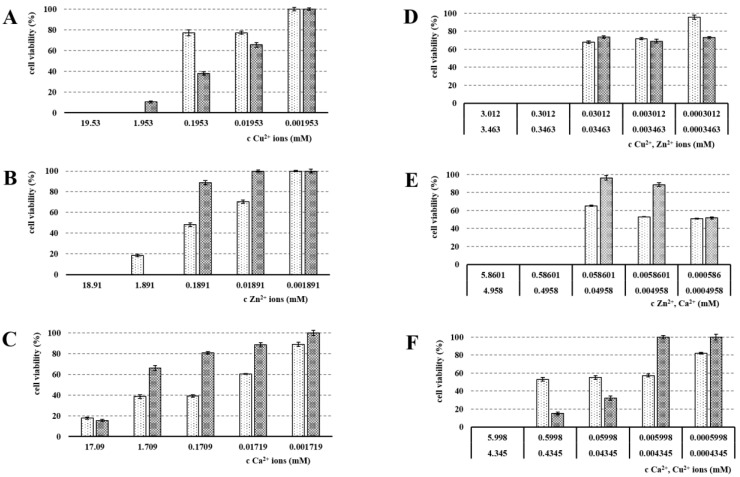
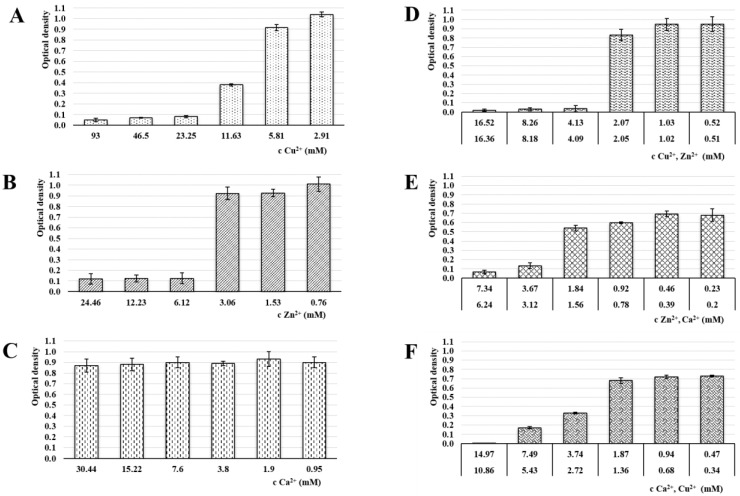
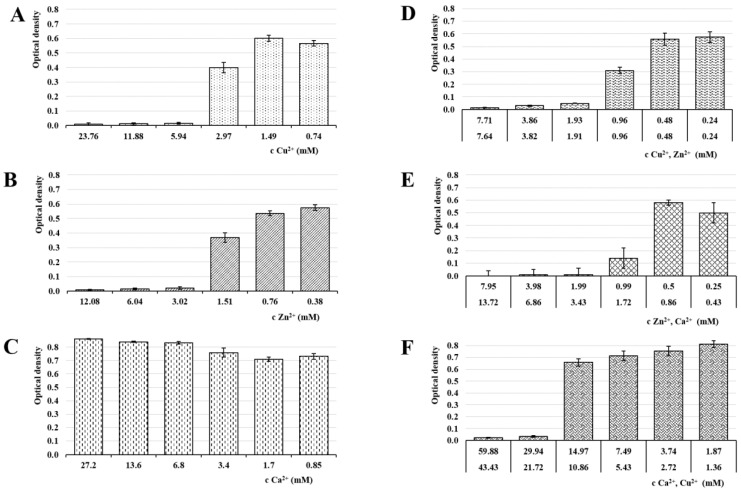
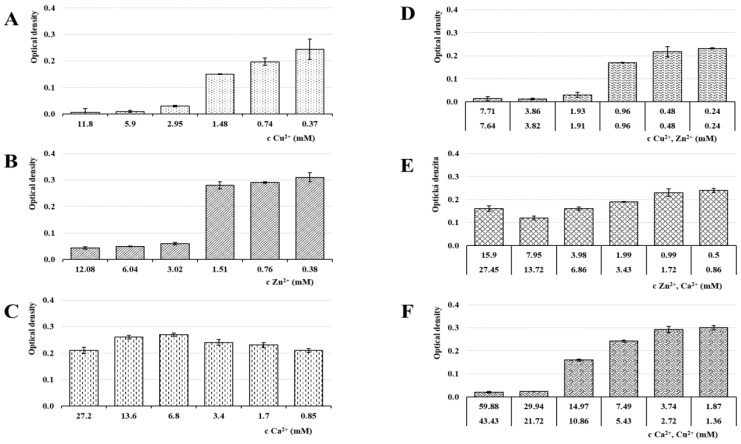
Antimicrobial agent abuse poses a serious threat for future pharmacotherapy, including vaginal administration. The solution can be found in simple polymeric systems with inherent antimicrobial properties without the need to incorporate drugs, for instance alginate beads cross-linked by bivalent ions. The main goal of the presented study was to provide improvement on the well-documented cytotoxicity of Cu cross-linked alginate. Alginate beads were prepared by external ionotropic gelation by cross-linking with Cu, Ca and Zn ions, separately and in mixtures. Morphological properties, swelling capacity, ion release and efficacy against the most common vaginal pathogens (, , and virus strain-human herpesvirus type 1) were evaluated. The prepared particles (particle size 1455.68 ± 18.71-1756.31 ± 16.58 µm) had very good sphericity (0.86 ± 0.04-0.97 ± 0.06). In mixture samples, Cu hampered second ion loading, and was also released incompletely (18.75-44.8%) compared to the single ion Cu sample (71.4%). Efficacy against the selected pathogens was confirmed in almost all samples. Although anticipating otherwise, ion mixture samples did not show betterment over a Cu cross-linked sample in cytotoxicity-pathogen efficacy relation. However, the desired improvement was found in a single ion Zn sample whose minimal inhibition concentrations against the pathogens (0.6-6.12 mM) were close to, or in the same mathematical order as, its toxic concentration of 50 (1.891 mM). In summary, these findings combined with alginate's biocompatibility and biodegradability give the combination solid potential in antimicrobial use.
抗菌剂滥用对包括阴道给药在内的未来药物治疗构成严重威胁。解决方案可以在具有固有抗菌特性的简单聚合物系统中找到,无需加入药物,例如通过二价离子交联的藻酸盐珠。本研究的主要目标是改善铜交联藻酸盐已被充分证明的细胞毒性。通过分别与铜、钙和锌离子以及它们的混合物进行外部离子交联凝胶化来制备藻酸盐珠。评估了其形态学特性、溶胀能力、离子释放以及对最常见阴道病原体(、、和病毒株——人疱疹病毒1型)的功效。制备的颗粒(粒径为1455.68±18.71 - 1756.31±16.58 µm)具有非常好的球形度(0.86±0.04 - 0.97±0.06)。在混合样品中,铜阻碍了第二种离子的负载,并且与单离子铜样品(71.4%)相比,其释放也不完全(18.75 - 44.8%)。几乎所有样品都证实了对所选病原体的功效。尽管预期并非如此,但在细胞毒性 - 病原体功效关系方面,离子混合样品并未显示出比铜交联样品更好的效果。然而,在单离子锌样品中发现了预期的改善,其对病原体的最小抑菌浓度(0.6 - 6.12 mM)接近其50%毒性浓度(1.891 mM)或处于相同的数量级。总之,这些发现与藻酸盐的生物相容性和生物降解性相结合,使其在抗菌应用中具有坚实的潜力。