Department of Biochemistry and Molecular Biology, University of Texas Medical Branch, Galveston, TX, USA.
Department of Microbiology and Immunology, University of Texas Medical Branch, Galveston, TX, USA.
Nat Protoc. 2021 Mar;16(3):1761-1784. doi: 10.1038/s41596-021-00491-8. Epub 2021 Jan 29.
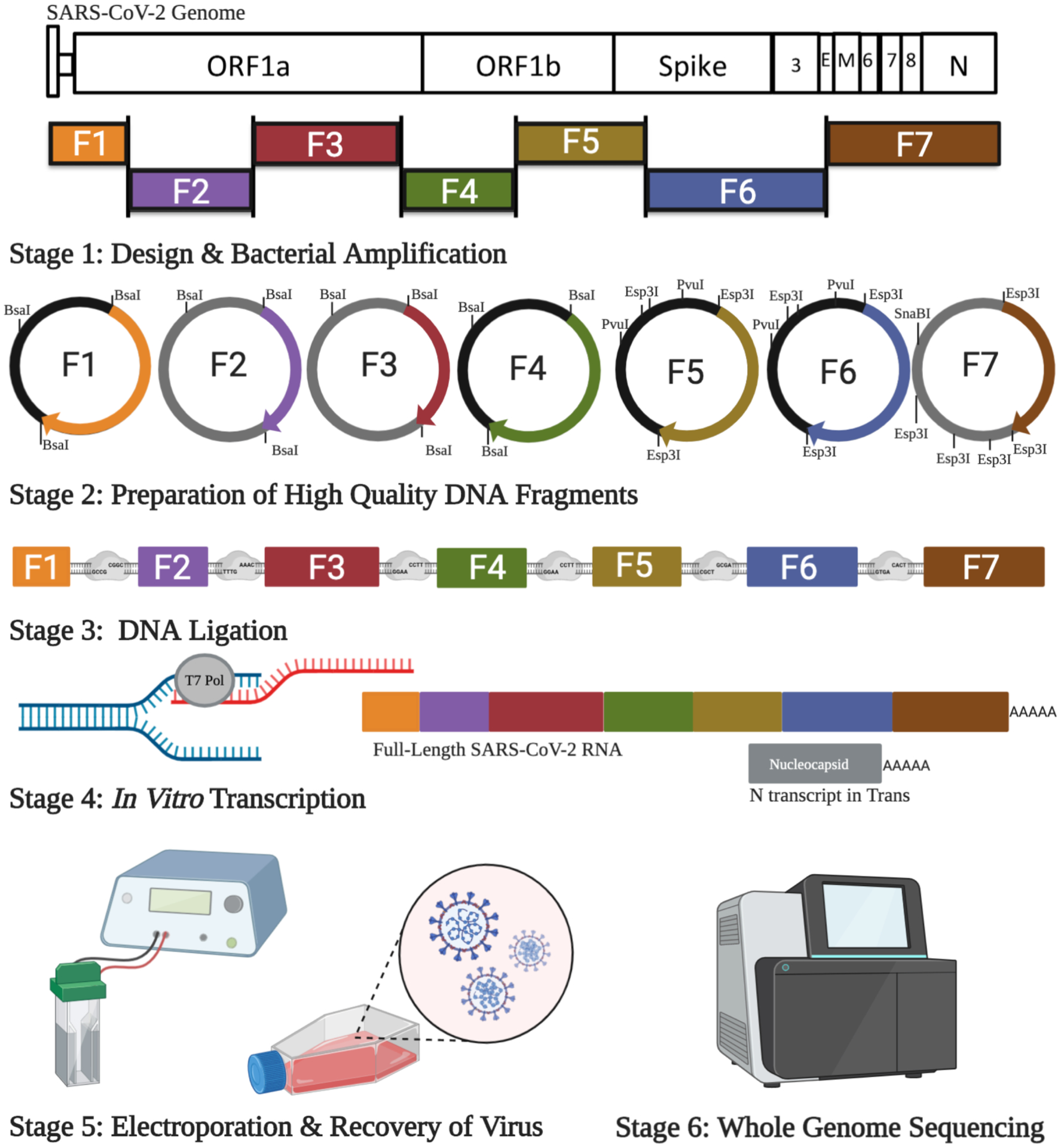
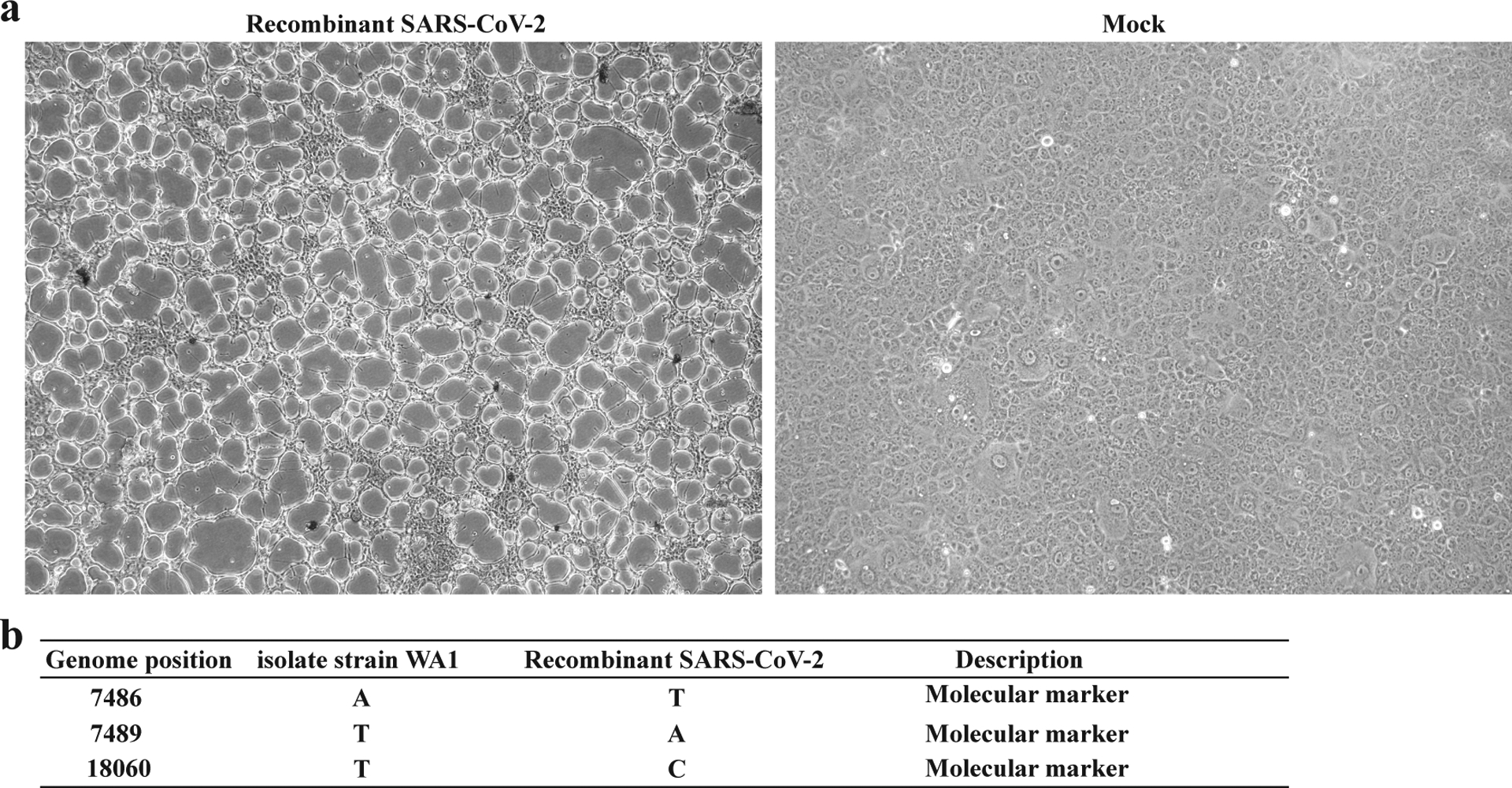
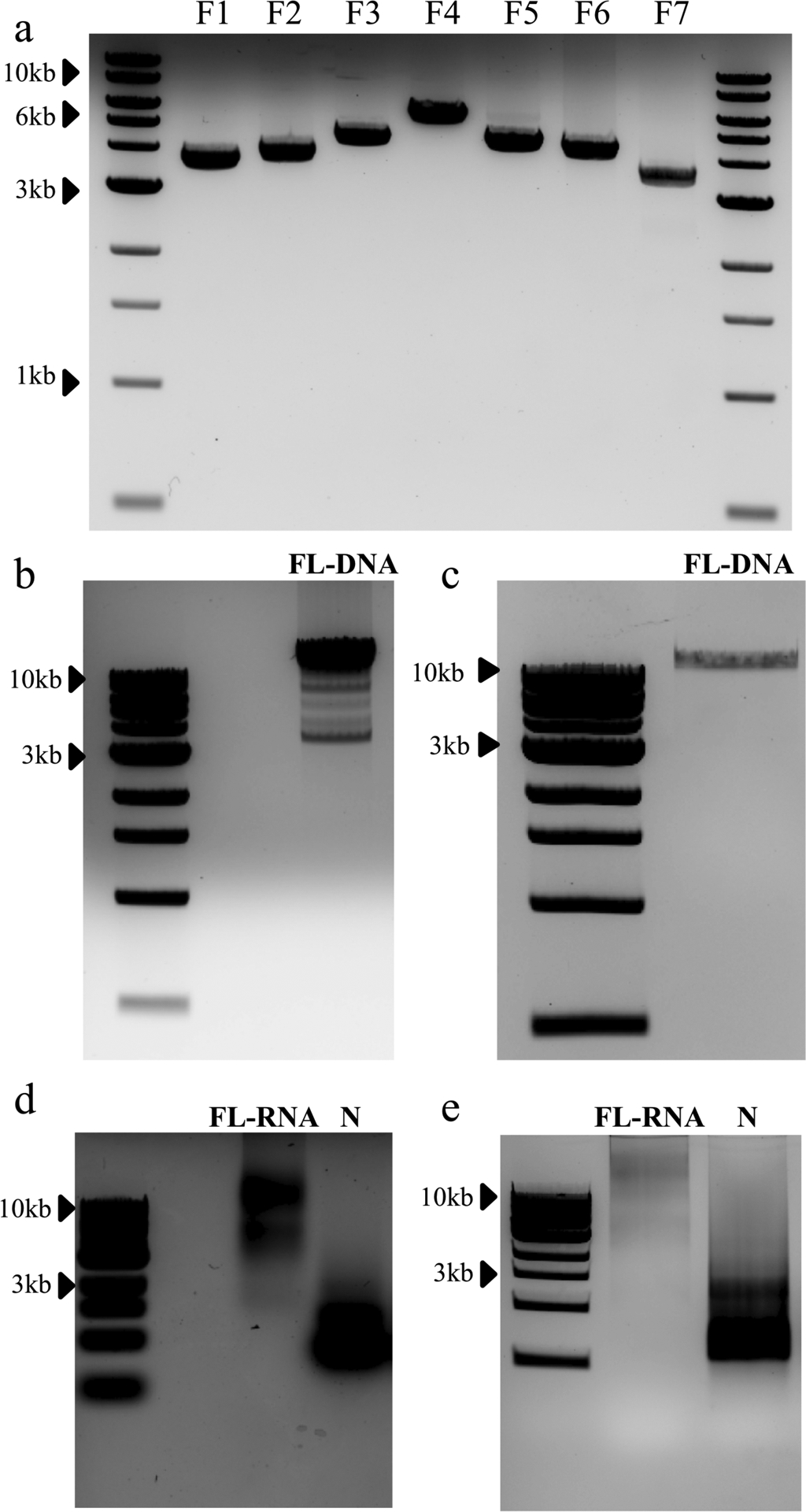
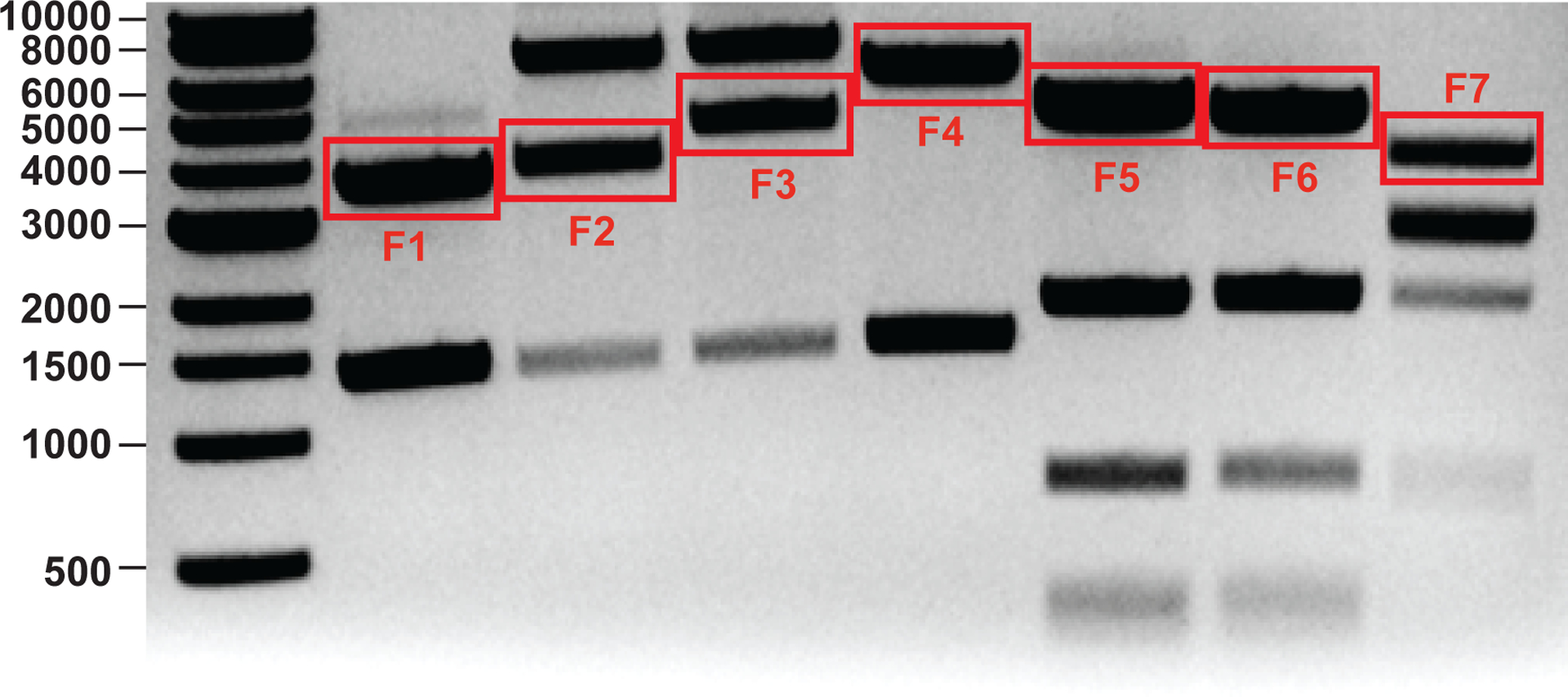
Reverse genetic systems are a critical tool for studying viruses and identifying countermeasures. In response to the ongoing COVID-19 pandemic, we recently developed an infectious complementary DNA (cDNA) clone for severe acute respiratory syndrome coronavirus 2 (SARS-CoV-2). The reverse genetic system can be used to rapidly engineer viruses with desired mutations to study the virus in vitro and in vivo. Viruses can also be designed for live-attenuated vaccine development and engineered with reporter genes to facilitate serodiagnosis, vaccine evaluation and antiviral screening. Thus, the reverse genetic system of SARS-CoV-2 will be widely used for both basic and translational research. However, due to the large size of the coronavirus genome (~30,000 nucleotides long) and several toxic genomic elements, manipulation of the reverse genetic system of SARS-COV-2 is not a trivial task and requires sophisticated methods. Here, we describe the technical details of how to engineer recombinant SARS-CoV-2. Overall, the process includes six steps: (i) prepare seven plasmids containing SARS-CoV-2 cDNA fragment(s), (ii) prepare high-quality DNA fragments through restriction enzyme digestion of the seven plasmids, (iii) assemble the seven cDNA fragments into a genome-length cDNA, (iv) in vitro transcribe RNA from the genome-length cDNA, (iv) electroporate the genome-length RNA into cells to recover recombinant viruses and (vi) characterize the rescued viruses. This protocol will enable researchers from different research backgrounds to master the use of the reverse genetic system and, consequently, accelerate COVID-19 research.
反向遗传学系统是研究病毒和鉴定对策的重要工具。针对持续的 COVID-19 大流行,我们最近开发了一种用于严重急性呼吸系统综合征冠状病毒 2(SARS-CoV-2)的传染性互补 DNA(cDNA)克隆。反向遗传系统可用于快速设计具有所需突变的病毒,以在体外和体内研究病毒。还可以设计减毒活疫苗开发用的病毒,并带有报告基因以促进血清诊断、疫苗评估和抗病毒筛选。因此,SARS-CoV-2 的反向遗传系统将广泛用于基础和转化研究。然而,由于冠状病毒基因组(~30000 个核苷酸长)较大,并且存在几个有毒基因组元件,因此 SARS-COV-2 的反向遗传系统的操作并不是一件简单的任务,需要复杂的方法。在这里,我们描述了工程重组 SARS-CoV-2 的技术细节。总的来说,该过程包括六个步骤:(i)准备包含 SARS-CoV-2 cDNA 片段的七个质粒,(ii)通过七种质粒的限制性内切酶消化来制备高质量的 DNA 片段,(iii)将七个 cDNA 片段组装成全长 cDNA,(iv)从全长 cDNA 体外转录 RNA,(iv)将全长 RNA 电穿孔到细胞中以回收重组病毒,以及(vi)表征回收的病毒。本方案将使来自不同研究背景的研究人员掌握反向遗传系统的使用,从而加速 COVID-19 研究。