Wang Xueyi, Ma Shangying, Lai Feifan, Wang Yiqi, Lou Chenghua
Department of Pharmacology, College of Pharmaceutical Sciences, Zhejiang Chinese Medical University, Hangzhou, China.
Front Pharmacol. 2020 Dec 8;8:577124. doi: 10.3389/fphar.2020.577124. eCollection 2020.
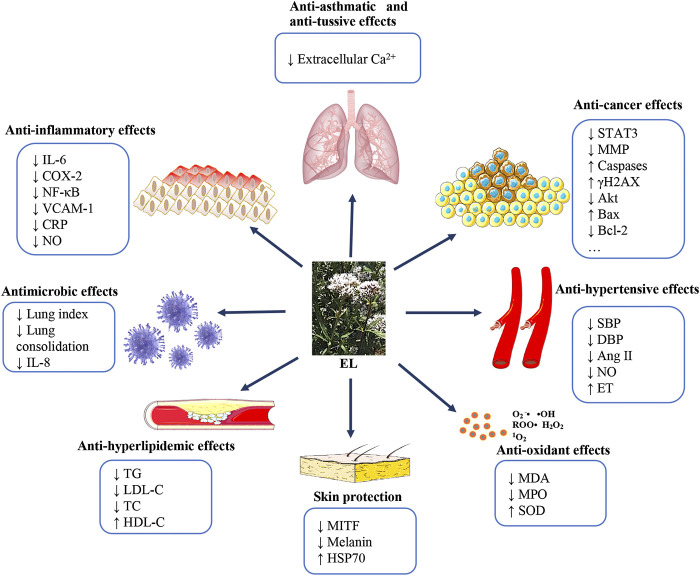
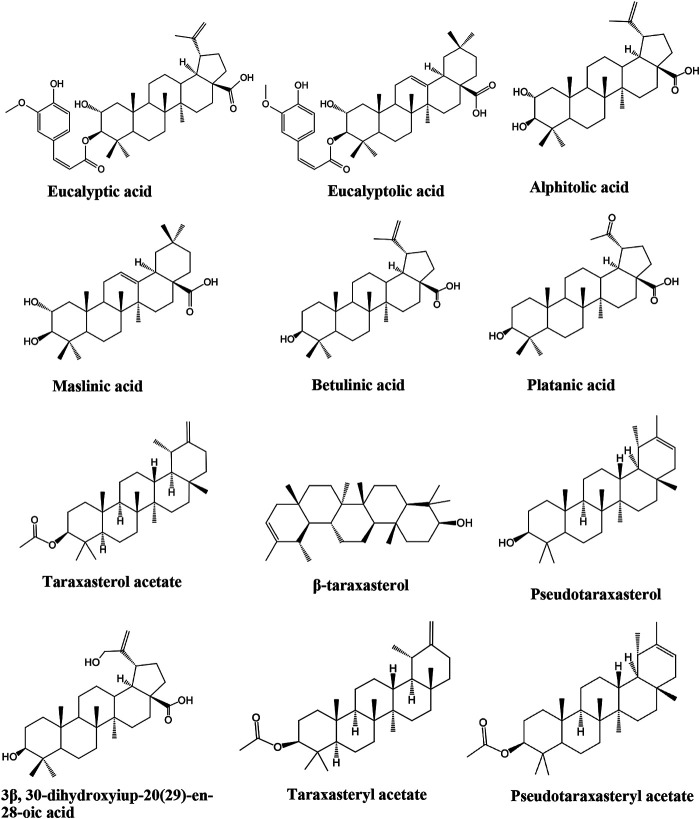
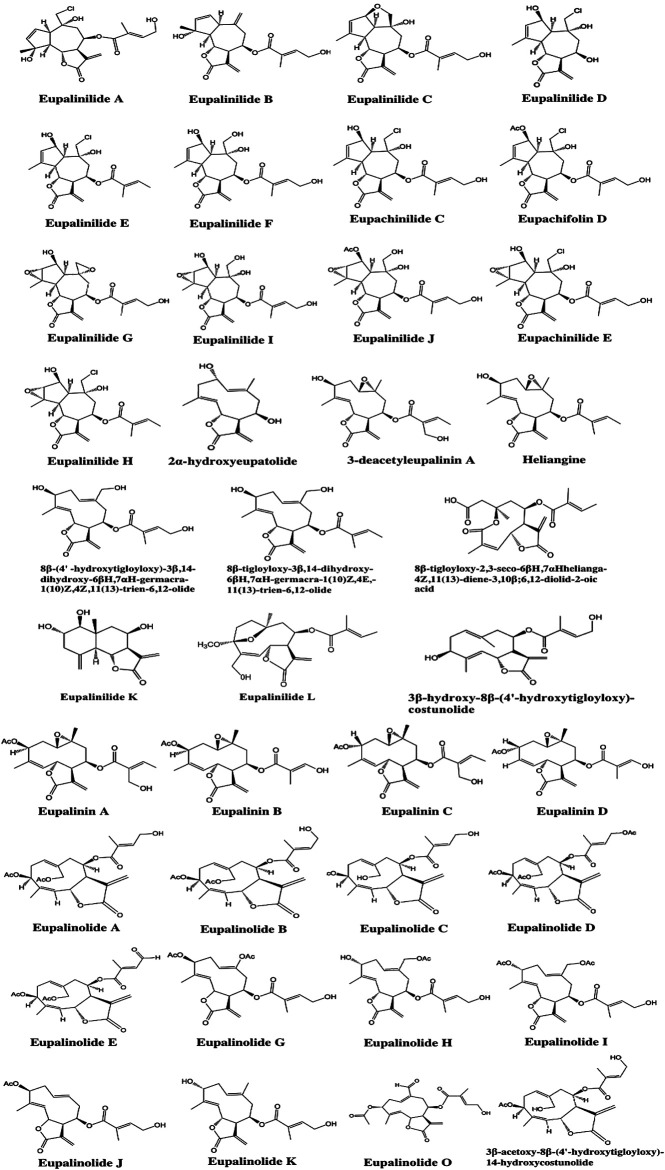
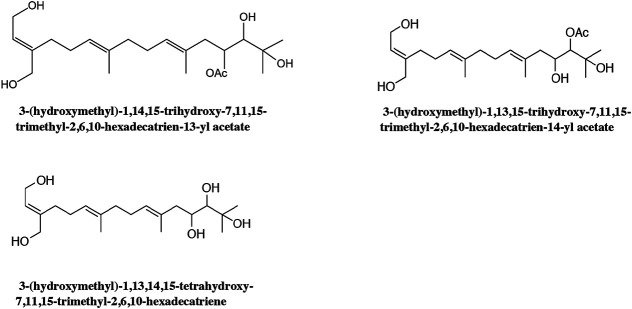
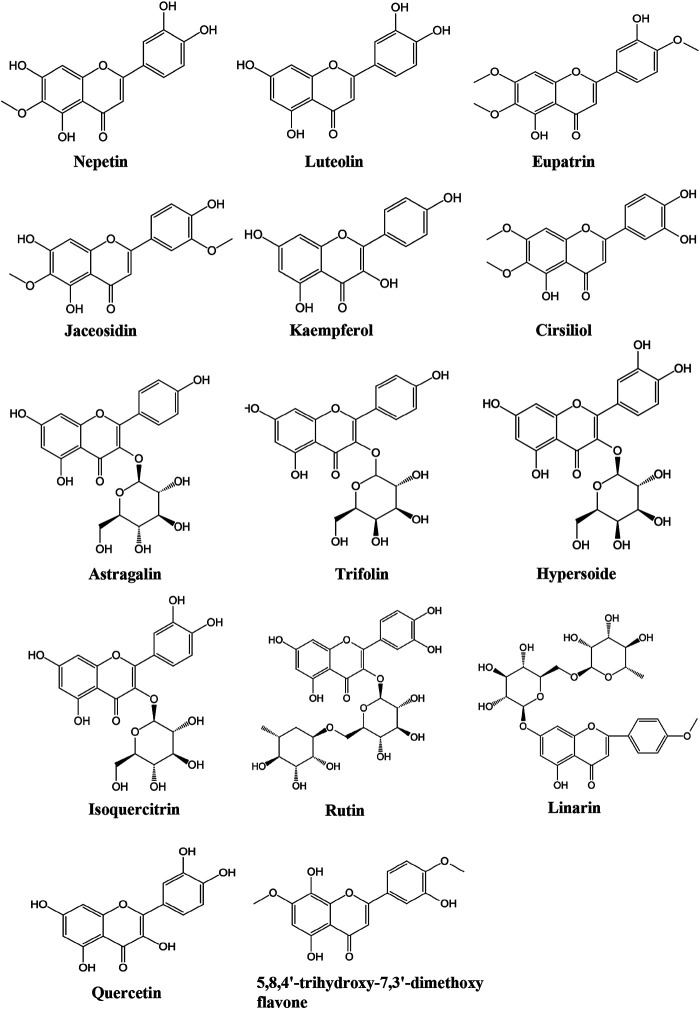
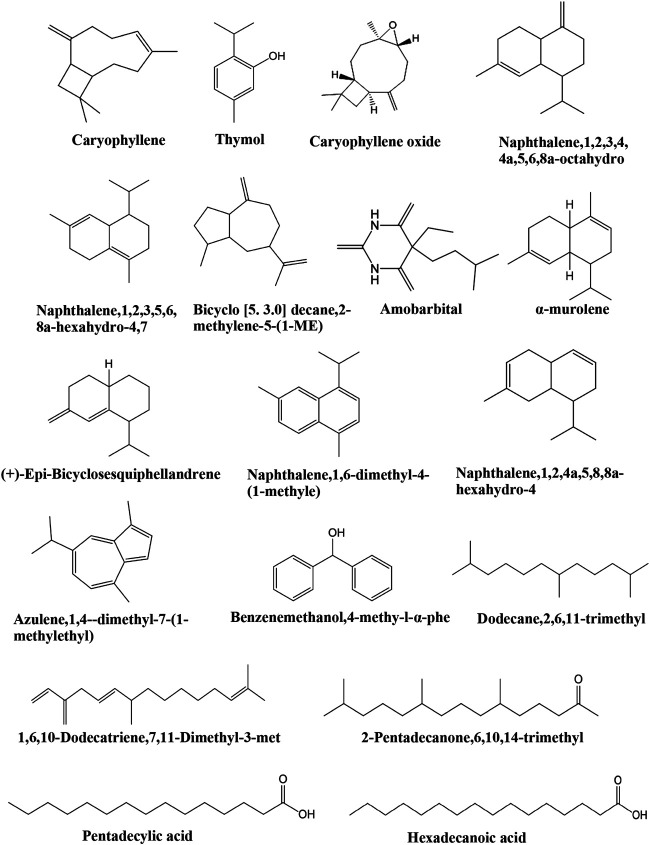
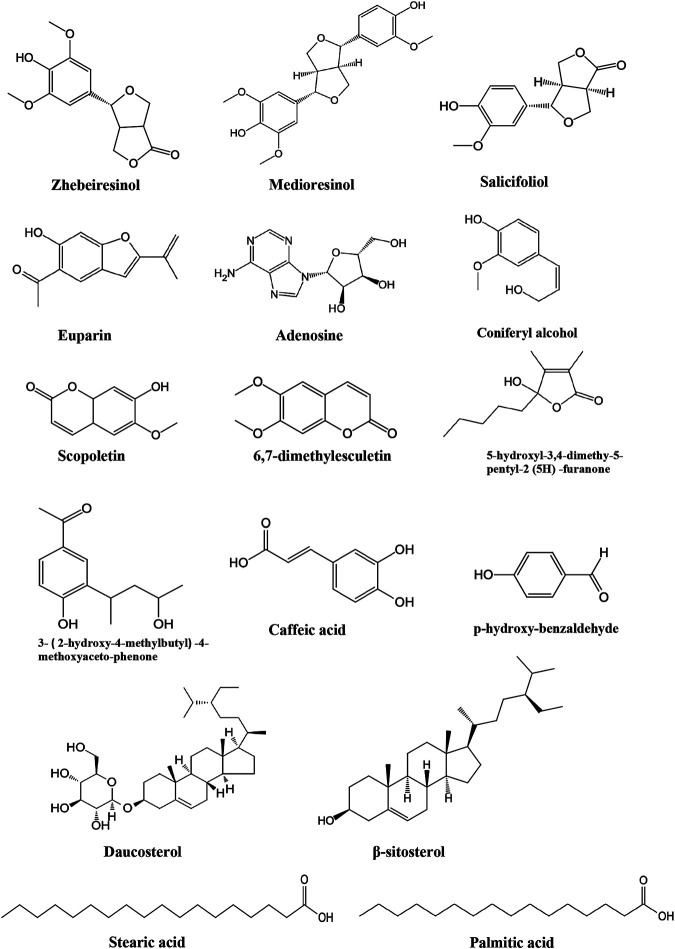
DC. (EL) has a long history of traditional use in China to cure coughs, chronic bronchitis, lobar pneumonia, and hypertension. Because of this extensive use of EL in traditional medicine, this present review gives a systematic overview of the conventional applications, phytochemistry, and pharmacological effects of the herb. Literature was systematically searched using the scientific databases ScienceDirect, SciFinder, CNKI, Wiley, Baidu Scholar, SpringerLink, PubMed, Web of Science, and other professional websites. Information was also gathered from books on traditional Chinese herbal medicine, the Chinese Pharmacopoeia and Chinese Materia Medica. To date, many preparations of EL have been widely used clinically to treat various diseases of the respiratory system. More than 100 compounds have been isolated from the herb, including triterpenes, sesquiterpenes, sesquiterpene lactones, flavonoids, acyclic diterpenoids, sterols, and so on. Among them, terpenoids are considered to be the most important bioactive substances in EL. The pharmacological functions of EL, including anti-asthmatic, anti-tussive, anti-inflammatory, anti-hyperlipidemic, anti-hypertensive, anti-virus, and anti-tumor activities, have been widely investigated. However, most of the studies are preclinical research. Further studies are required to examine the underlying mechanisms of action. Traditionally, EL is used for treating many diseases, especially respiratory diseases. Unfortunately, up to now, modern studies have not yet well elucidated the conventional usage of EL. Most importantly, its biological activities and the corresponding constituents are still unclear. Moreover, studies on the pharmacokinetics and toxicity of EL are few, so data on the clinical safety of EL are lacking. Taken together, research work on EL is quite preliminary. More in-depth studies of phytochemistry, pharmacological activities, pharmacokinetics, and toxicity of the herb are needed. This review aims to provide valuable information on EL to guide future investigations and applications.
东风菜(DC. (EL))在中国有着悠久的传统应用历史,用于治疗咳嗽、慢性支气管炎、大叶性肺炎和高血压。由于东风菜在传统医学中的广泛应用,本综述对该草药的传统应用、植物化学和药理作用进行了系统概述。使用科学数据库ScienceDirect、SciFinder、CNKI、Wiley、百度学术、SpringerLink、PubMed、Web of Science以及其他专业网站对文献进行了系统检索。还从中医草药书籍、《中国药典》和《中药大辞典》中收集了信息。迄今为止,东风菜的多种制剂已在临床上广泛用于治疗各种呼吸系统疾病。已从该草药中分离出100多种化合物,包括三萜类、倍半萜类、倍半萜内酯类化合物、黄酮类、无环二萜类、甾醇等。其中,萜类化合物被认为是东风菜中最重要的生物活性物质。东风菜的药理功能,包括抗哮喘、止咳、抗炎、抗高脂血症、抗高血压、抗病毒和抗肿瘤活性,已得到广泛研究。然而,大多数研究都是临床前研究。需要进一步研究以探究其潜在的作用机制。传统上,东风菜用于治疗多种疾病,尤其是呼吸系统疾病。遗憾的是,到目前为止,现代研究尚未很好地阐明东风菜的传统用法。最重要的是,其生物活性和相应成分仍不清楚。此外,关于东风菜的药代动力学和毒性的研究很少,因此缺乏东风菜临床安全性的数据。综上所述,对东风菜的研究工作相当初步。需要对该草药的植物化学、药理活性、药代动力学和毒性进行更深入的研究。本综述旨在提供有关东风菜的有价值信息,以指导未来的研究和应用。