Pastor-Nieto María-Antonia, Gatica-Ortega María-Elena
Dermatology Department, Hospital Universitario de Guadalajara, C/ Donantes de Sangre s.n., 19002 Guadalajara, Spain.
Universidad de Alcalá, Alcalá de Henares, Madrid, Spain.
Curr Treat Options Allergy. 2021;8(1):21-41. doi: 10.1007/s40521-020-00275-7. Epub 2021 Jan 23.
The main aims of fragrances are to create pleasing scents or to mask unpleasant odors. We hereby review their main exposure sources, presumed benefits, and unwanted effects, with special attention to allergic contact dermatitis (prevalence, regulatory environment, risk assessment methodology, and preventive measures).
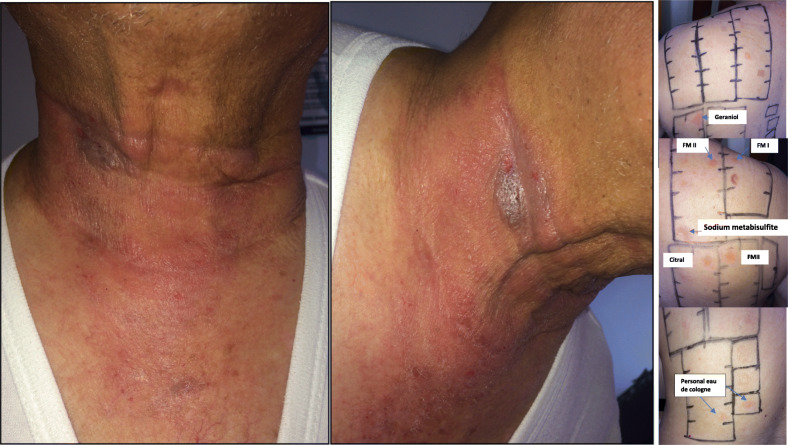
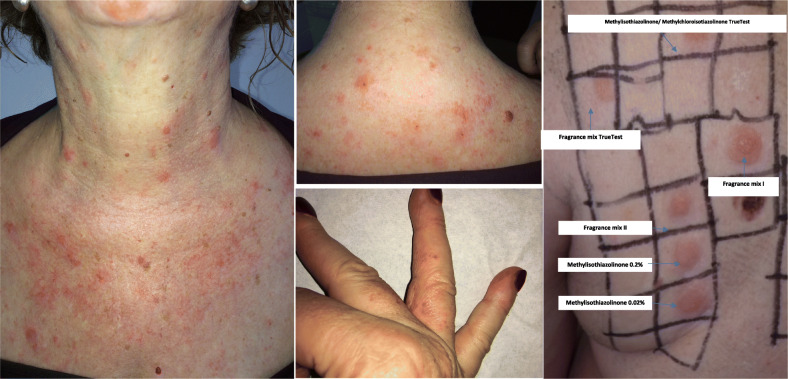
Fragrances elicit positive emotions and presumably have therapeutic benefits related to stress reduction and memory enhancement. However, they also cause detrimental health or environmental effects including contact dermatitis (irritant and/or allergic), non-eczematous contact reactions, photosensitivity, photo-allergy, and immediate contact reactions, which can negatively impact the quality of life. Fragrances are the most frequent chemicals causing contact dermatitis. Their main sources are cosmetics, household products, industrial substances, food flavorings, oral hygiene products, and topical medications. It is difficult for sensitized patients to avoid contact with fragrances, due to their ubiquity and because manufacturers are not willing to volunteer information regarding fragrance ingredients.
The treatment of contact dermatitis relies on allergens avoidance which does not "cure" the disease (sensitization persists for life) but prevents disabling illness. The patient should understand that avoiding perfume means to avoid all scented goods and not just perfumes.Labeling fragrances is key in primary prevention (by giving the healthy individual the chance to make an informed choice to avoid risky substances), diagnosis (by helping the practitioner to plan and interpret patch tests), secondary prevention, and prognosis (by allowing the sensitized patient to follow the avoidance instructions). However, only 26 fragrances are mandatory to be declared in cosmetics. The vague labeling of other fragrance ingredients as "perfume" or "fragrance" hampers the diagnostic and preventive approaches. Therefore, in our opinion, declaration should be mandatory for all fragrance ingredients as well as straightforward so most consumers can understand it. Moreover, legislation should be improved to prevent inappropriately high exposures by forbidding stronger allergens, restricting maximum concentrations in the finished product or fields of application, delivering information regarding the risks to the general public, and controlling the compliance of manufacturers with the regulations. Besides, manufacturers should share information regarding the composition in the final products and provide physicians with samples of all fragrance chemicals whenever needed for patch test investigations.
香料的主要用途是制造宜人的香气或掩盖难闻的气味。在此,我们回顾其主要暴露源、假定益处及不良影响,尤其关注过敏性接触性皮炎(患病率、监管环境、风险评估方法及预防措施)。
香料能引发积极情绪,可能具有减轻压力和增强记忆等治疗益处。然而,它们也会对健康或环境造成有害影响,包括接触性皮炎(刺激性和/或过敏性)、非湿疹性接触反应、光敏性、光过敏及即刻接触反应,这些会对生活质量产生负面影响。香料是引起接触性皮炎最常见的化学物质。其主要来源包括化妆品、家居用品、工业物质、食品香料、口腔卫生用品及外用药物。由于香料无处不在且制造商不愿主动提供香料成分信息,致敏患者很难避免接触香料。
接触性皮炎的治疗依赖于避免接触过敏原,这虽不能“治愈”疾病(致敏会终身持续),但可预防致残性疾病。患者应明白,避免使用香水意味着要避免所有有香味的物品,而不仅仅是香水。香料标签对于一级预防(让健康个体有机会做出明智选择以避免危险物质)、诊断(帮助从业者规划和解释斑贴试验)、二级预防及预后(让致敏患者遵循避免接触的指导)至关重要。然而,化妆品中仅强制要求标注26种香料。其他香料成分标注为“香水”或“香料”很模糊,这妨碍了诊断和预防措施。因此,我们认为,所有香料成分都应强制标注且表述清晰,以便大多数消费者能够理解。此外,应完善法规,通过禁止更强的过敏原、限制成品或应用领域中的最大浓度、向公众提供风险信息以及控制制造商对法规的遵守情况,来防止接触水平过高。此外,制造商应分享最终产品的成分信息,并在斑贴试验调查需要时,向医生提供所有香料化学品的样本。