Department of Molecular Biology, Division of Biological Sciences, University of California at San Diego, La Jolla, CA 92093-0116, USA.
Int J Mol Sci. 2021 Jan 28;22(3):1308. doi: 10.3390/ijms22031308.
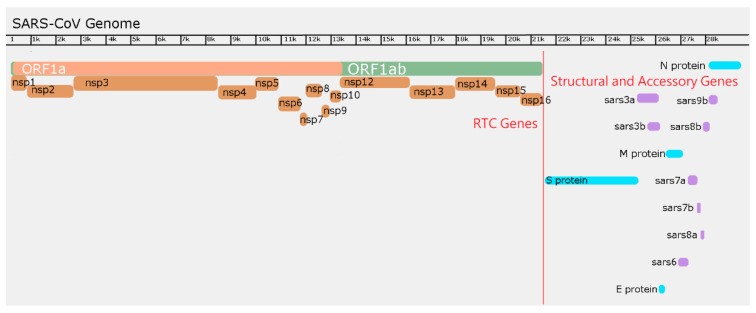
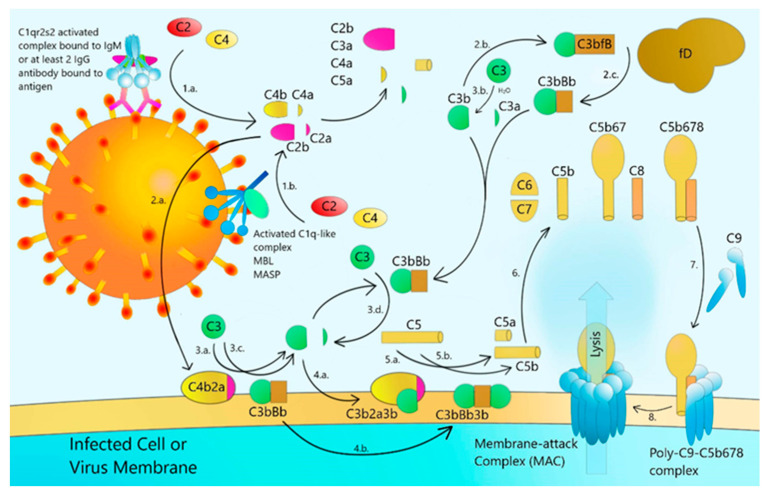
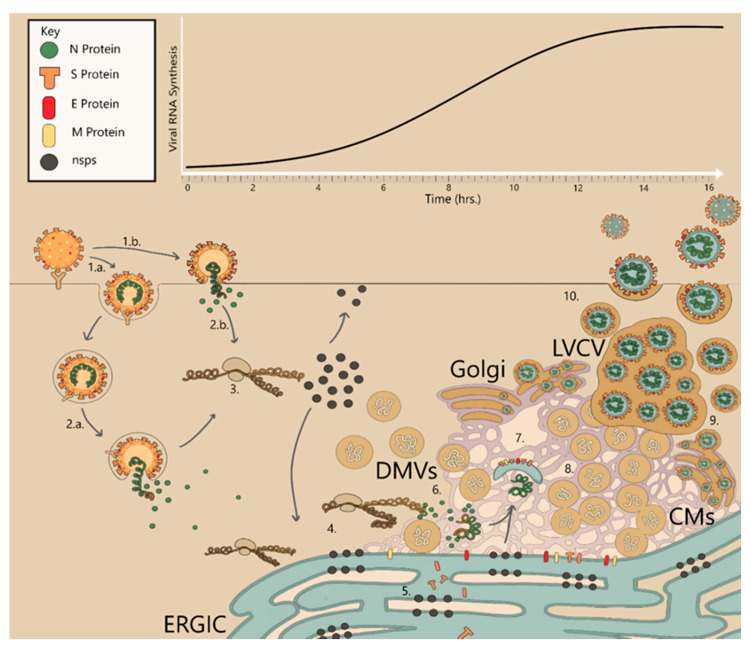
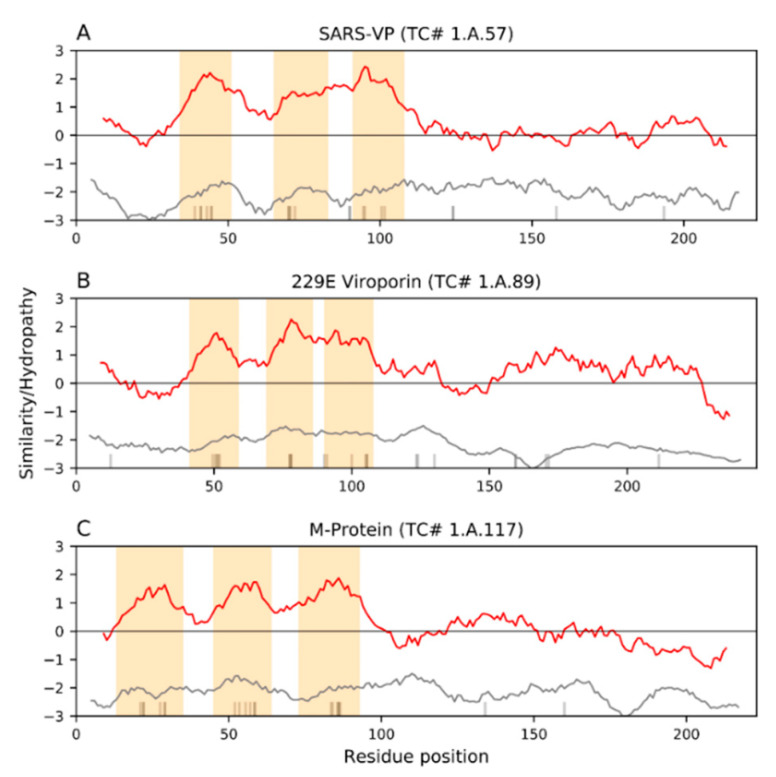
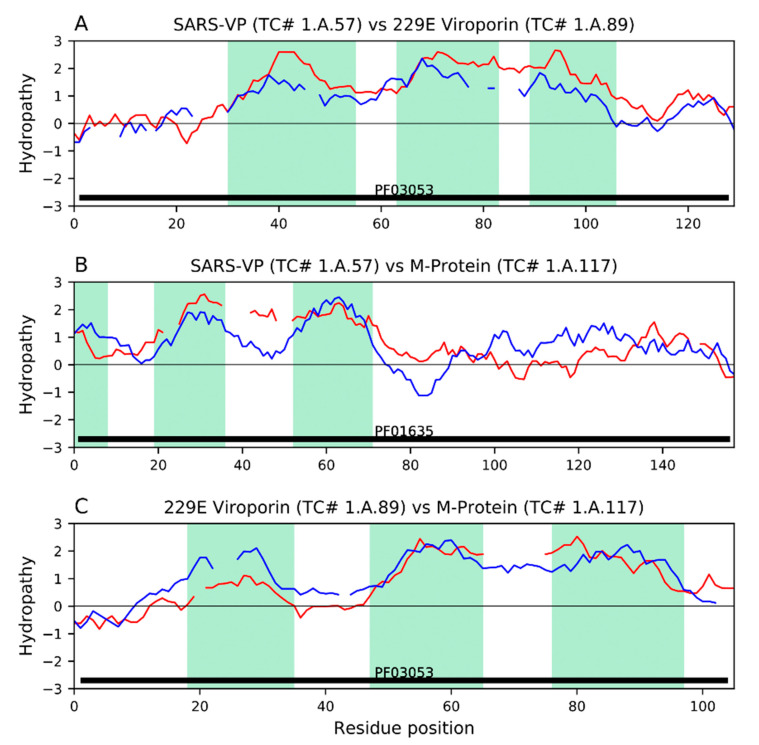
Severe Acute Respiratory Syndrome Coronavirus-2 (SARS-CoV-2) is a novel epidemic strain of that is responsible for the current viral pandemic, coronavirus disease 2019 (COVID-19), a global health crisis. Other epidemic include the 2003 SARS-CoV-1 and the 2009 Middle East Respiratory Syndrome Coronavirus (MERS-CoV), the genomes of which, particularly that of SARS-CoV-1, are similar to that of the 2019 SARS-CoV-2. In this extensive review, we document the most recent information on Coronavirus proteins, with emphasis on the membrane proteins in the Coronaviridae family. We include information on their structures, functions, and participation in pathogenesis. While the shared proteins among the different coronaviruses may vary in structure and function, they all seem to be multifunctional, a common theme interconnecting these viruses. Many transmembrane proteins encoded within the SARS-CoV-2 genome play important roles in the infection cycle while others have functions yet to be understood. We compare the various structural and nonstructural proteins within the Coronaviridae family to elucidate potential overlaps and parallels in function, focusing primarily on the transmembrane proteins and their influences on host membrane arrangements, secretory pathways, cellular growth inhibition, cell death and immune responses during the viral replication cycle. We also offer bioinformatic analyses of potential viroporin activities of the membrane proteins and their sequence similarities to the Envelope (E) protein. In the last major part of the review, we discuss complement, stimulation of inflammation, and immune evasion/suppression that leads to CoV-derived severe disease and mortality. The overall pathogenesis and disease progression of CoVs is put into perspective by indicating several stages in the resulting infection process in which both host and antiviral therapies could be targeted to block the viral cycle. Lastly, we discuss the development of adaptive immunity against various structural proteins, indicating specific vulnerable regions in the proteins. We discuss current CoV vaccine development approaches with purified proteins, attenuated viruses and DNA vaccines.
严重急性呼吸综合征冠状病毒 2 型(SARS-CoV-2)是一种新型流行株,它导致了当前的病毒性大流行,即 2019 年冠状病毒病(COVID-19),这是一场全球性的健康危机。其他流行的冠状病毒包括 2003 年的 SARS-CoV-1 和 2009 年的中东呼吸综合征冠状病毒(MERS-CoV),它们的基因组,特别是 SARS-CoV-1 的基因组,与 2019 年的 SARS-CoV-2 相似。在这项广泛的综述中,我们记录了冠状病毒蛋白的最新信息,重点介绍了冠状病毒科的膜蛋白。我们包括了它们的结构、功能和在发病机制中的参与。虽然不同冠状病毒之间的共享蛋白在结构和功能上可能有所不同,但它们似乎都是多功能的,这是连接这些病毒的一个共同主题。SARS-CoV-2 基因组编码的许多跨膜蛋白在感染周期中发挥重要作用,而其他蛋白的功能尚不清楚。我们比较了冠状病毒科内的各种结构和非结构蛋白,以阐明功能上的潜在重叠和相似之处,主要集中在跨膜蛋白及其对宿主膜排列、分泌途径、细胞生长抑制、细胞死亡和免疫反应的影响在病毒复制周期中。我们还对膜蛋白的潜在病毒蛋白活性及其与包膜(E)蛋白的序列相似性进行了生物信息学分析。在综述的最后一个主要部分,我们讨论了补体、炎症刺激和免疫逃避/抑制,这些导致 CoV 导致严重疾病和死亡率。通过指出感染过程中的几个阶段,我们从多个角度探讨了 CoV 的总体发病机制和疾病进展,在这些阶段中,宿主和抗病毒治疗都可以作为靶点来阻断病毒周期。最后,我们讨论了针对各种结构蛋白的适应性免疫的发展,指出了蛋白质中特定的脆弱区域。我们讨论了目前针对 CoV 的疫苗开发方法,包括纯化蛋白、减毒病毒和 DNA 疫苗。