Department of Geography, Simon Fraser University, Burnaby, BC, Canada.
Department of Geography, Simon Fraser University, Burnaby, BC, Canada.
Health Place. 2021 Jan;67:102389. doi: 10.1016/j.healthplace.2020.102389. Epub 2020 Jul 1.
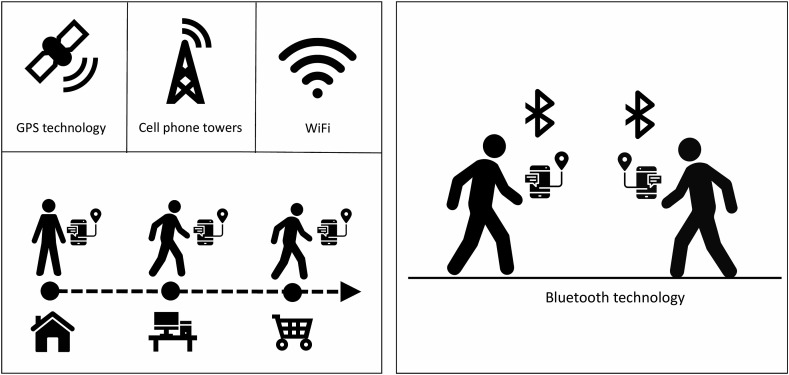
Since first being tracked in China in late 2019, the effects of the COVID-19 coronavirus have shaped global patterns of morbidity and mortality, as well as exposed the strengths and limitations of health care systems and social safety nets. Without question, reporting of its impact has been bolstered in large part through near real-time daily mapping of cases and fatalities. Though these maps serve as an effective political and social tool in communicating disease impact, most visualizations largely over-emphasize their usefulness for tracking disease progression and appropriate responses. Messy and inconsistent health data are a big part of this problem, as is a paucity of high-resolution spatial data to monitor health outcomes. Another issue is that the ease of producing out-of-the box products largely out paces the response to the core challenges inherent in the poor quality of most geo-referenced data. Adopting a GIScience approach, and in particular, making use of location-based intelligence tools, can improve the shortcomings in data reporting and more accurately reveal how COVID-19 will have a long-term impact on global health.
自 2019 年底在中国首次被追踪以来,COVID-19 冠状病毒的影响已经塑造了发病率和死亡率的全球模式,同时也暴露了医疗保健系统和社会安全网的优势和局限性。毫无疑问,通过近乎实时的每日病例和死亡人数的地图绘制,其影响的报告得到了极大的加强。尽管这些地图作为一种有效的政治和社会工具,在沟通疾病影响方面非常有效,但大多数可视化效果在很大程度上过于强调了它们在跟踪疾病进展和适当应对方面的有用性。混乱和不一致的卫生数据是造成这一问题的主要原因之一,缺乏高分辨率的空间数据来监测卫生结果也是一个问题。另一个问题是,制作现成产品的便利性在很大程度上超过了应对大多数地理参考数据质量差所固有的核心挑战的能力。采用 GIScience 方法,特别是利用基于位置的智能工具,可以改进数据报告中的缺陷,并更准确地揭示 COVID-19 将对全球健康产生的长期影响。