Department of Children's and Adolescent Health, Public Health College of Harbin Medical University, Harbin 150081, People's Republic of China.
Department of Children Psychology, Zhuhai Maternal and Child Health Care Hospital, Zhuhai 519001, People's Republic of China.
Open Biol. 2021 Feb;11(2):200306. doi: 10.1098/rsob.200306. Epub 2021 Feb 3.
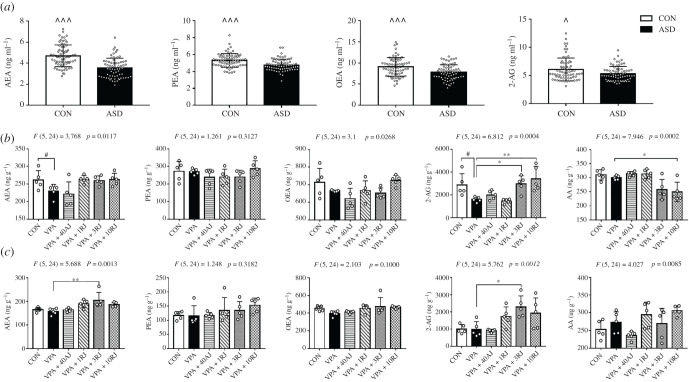
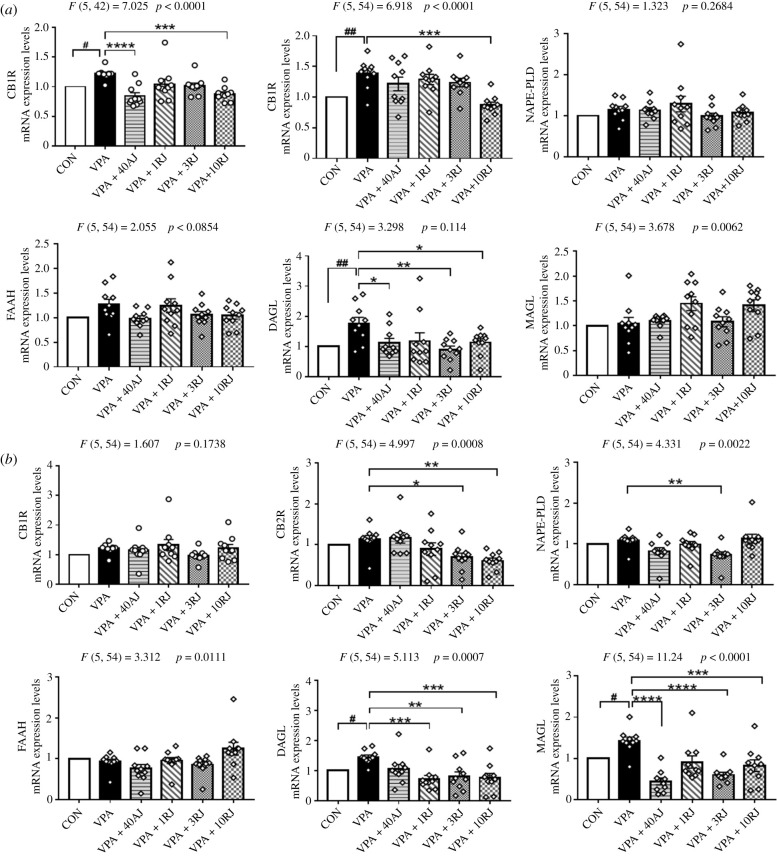
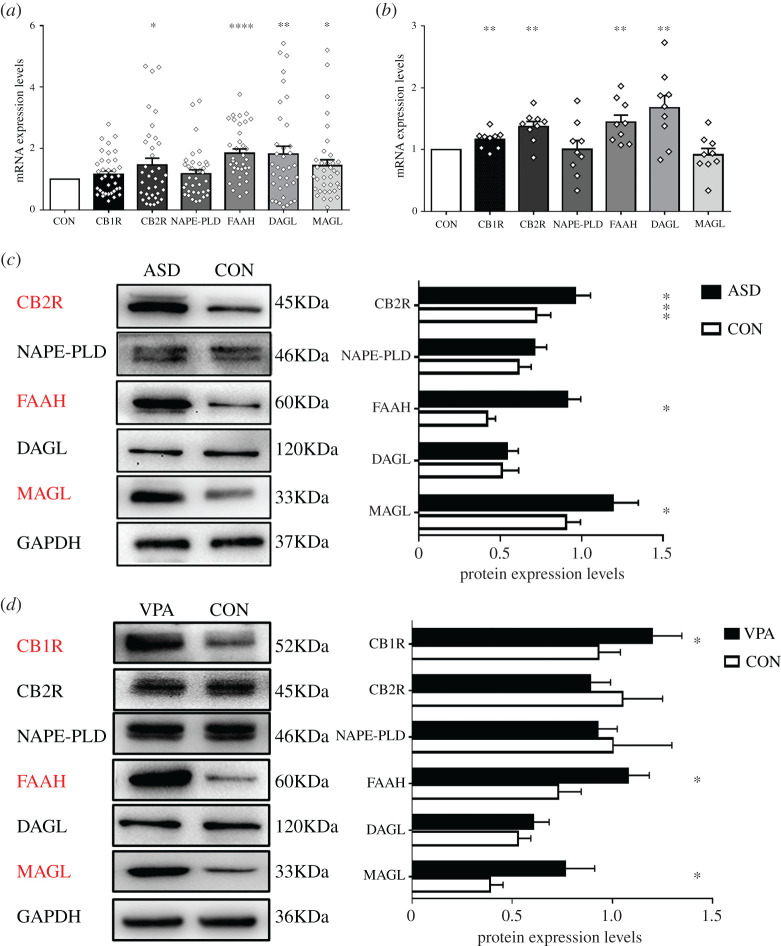
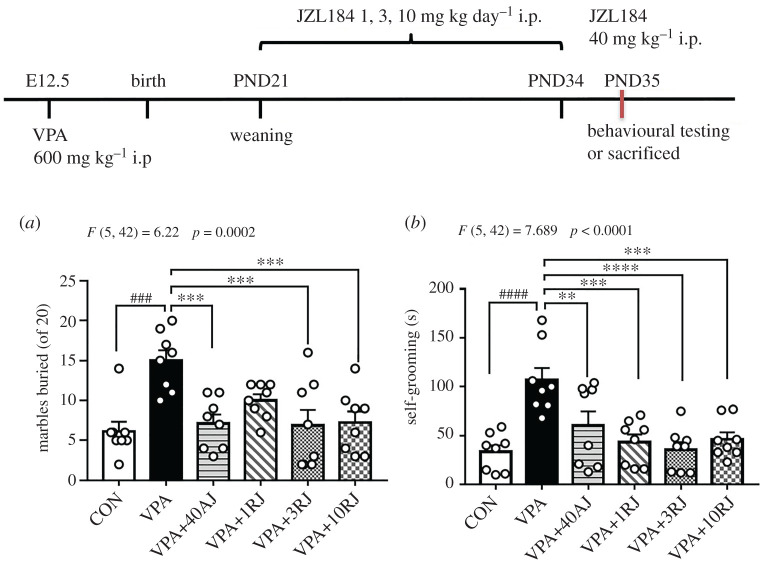
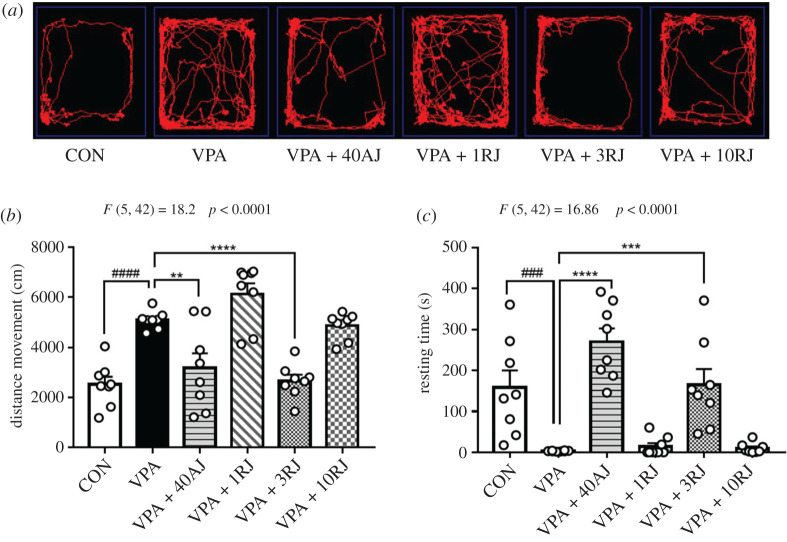
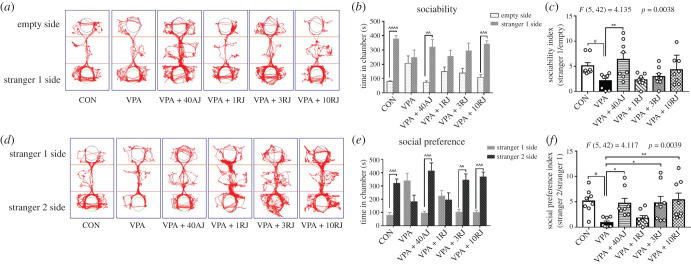
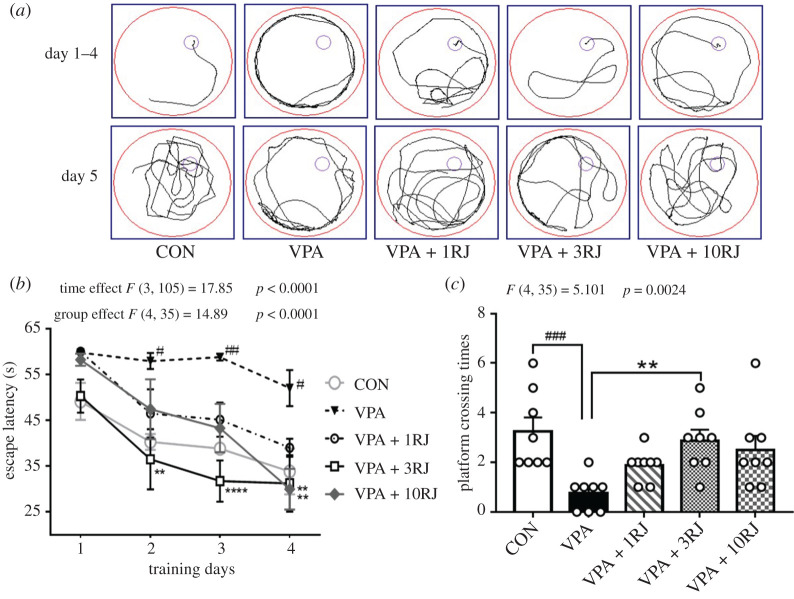
Autism spectrum disorder (ASD) is a group of developmental disabilities, the aetiology of which remains elusive. The endocannabinoid (eCB) system modulates neurotransmission and neuronal plasticity. Evidence points to the involvement of this neuromodulatory system in the pathophysiology of ASD. We investigated whether there is a disruption to the eCB system in ASD and whether pharmacological modulation of the eCB system might offer therapeutic potential. We examined three major components of the eCB system-endogenous cannabinoids, their receptors and associated enzymes-in ASD children as well as in the valproic acid (VPA) induced animal model in autism. Furthermore, we specifically increased 2-arachidonoylglycerol (2-AG) levels by administering JZL184, a selective inhibitor of monoacylglycerol lipase which is the hydrolytic enzyme for 2-AG, to examine ASD-like behaviours in VPA-induced rats. Results showed that autistic children and VPA-induced rats exhibited reduced eCB content, increased degradation of enzymes and upregulation of CBRs. We found that repetitive and stereotypical behaviours, hyperactivity, sociability, social preference and cognitive functioning improved after acute and chronic JZL184 treatment. The major efficacy of JZL184 was observed after administration of a dosage regimen of 3 mg kg, which affected both the eCB system and ASD-like behaviours. In conclusion, a reduced eCB signalling was observed in autistic children and in the ASD animal model, and boosting 2-AG could ameliorate ASD-like phenotypes in animals. Collectively, the results suggested a novel approach to ASD treatment.
自闭症谱系障碍(ASD)是一组发育障碍,其病因仍难以捉摸。内源性大麻素(eCB)系统调节神经传递和神经元可塑性。有证据表明,这种神经调节系统参与了 ASD 的病理生理学。我们研究了 ASD 中是否存在 eCB 系统的破坏,以及 eCB 系统的药理学调节是否可能提供治疗潜力。我们检查了 ASD 儿童以及丙戊酸(VPA)诱导的自闭症动物模型中 eCB 系统的三个主要组成部分——内源性大麻素、它们的受体和相关酶。此外,我们通过给予 JZL184(2-AG 的选择性抑制剂,即 2-AG 的水解酶单酰基甘油脂肪酶的抑制剂)特异性增加 2-AG 水平,来检查 VPA 诱导的大鼠中的 ASD 样行为。结果表明,自闭症儿童和 VPA 诱导的大鼠表现出 eCB 含量降低、酶降解增加和 CBR 上调。我们发现,在急性和慢性 JZL184 治疗后,重复和刻板行为、多动、社交性、社交偏好和认知功能得到改善。JZL184 的主要疗效是在给予 3mg/kg 的剂量方案后观察到的,该剂量方案影响了 eCB 系统和 ASD 样行为。总之,在自闭症儿童和 ASD 动物模型中观察到 eCB 信号降低,而增加 2-AG 可以改善动物的 ASD 样表型。总之,这些结果表明了一种治疗 ASD 的新方法。