Department of Neurological Surgery, Mayo Clinic, 4500 San Pablo Road, Jacksonville, FL, 32224, USA.
Division of Engineering in Medicine, Department of Medicine, Brigham and Women's Hospital, Harvard Medical School, Cambridge, MA, USA.
Sci Rep. 2021 Feb 2;11(1):2800. doi: 10.1038/s41598-021-82634-1.
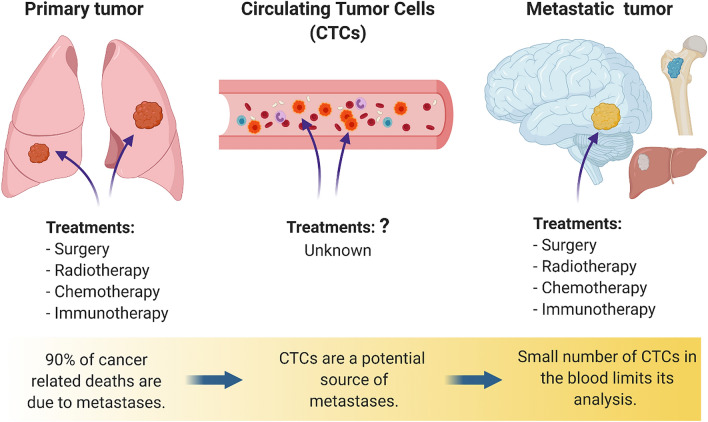
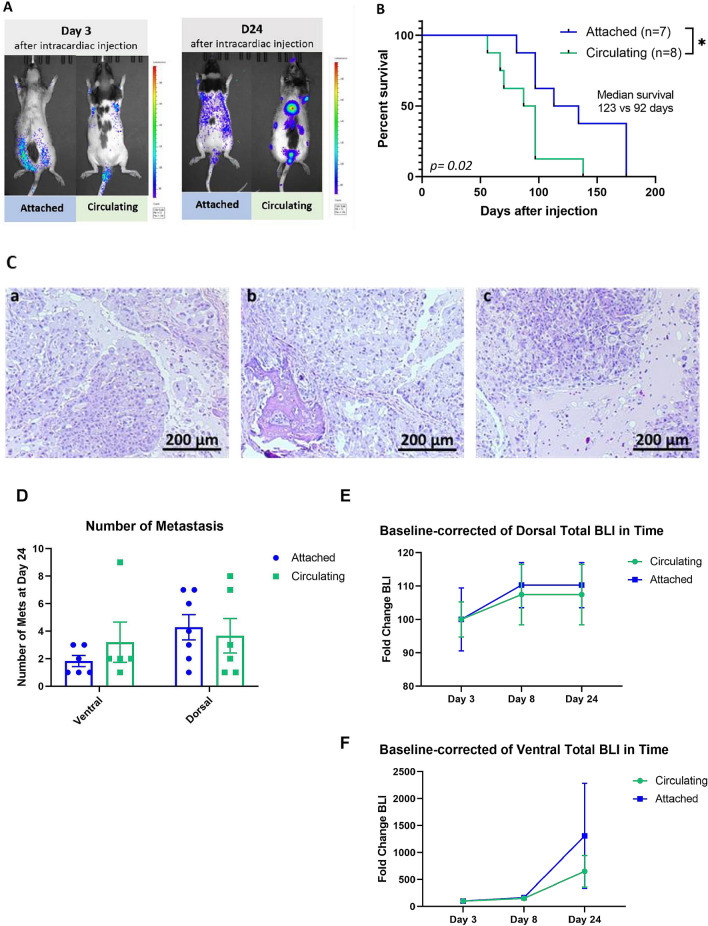
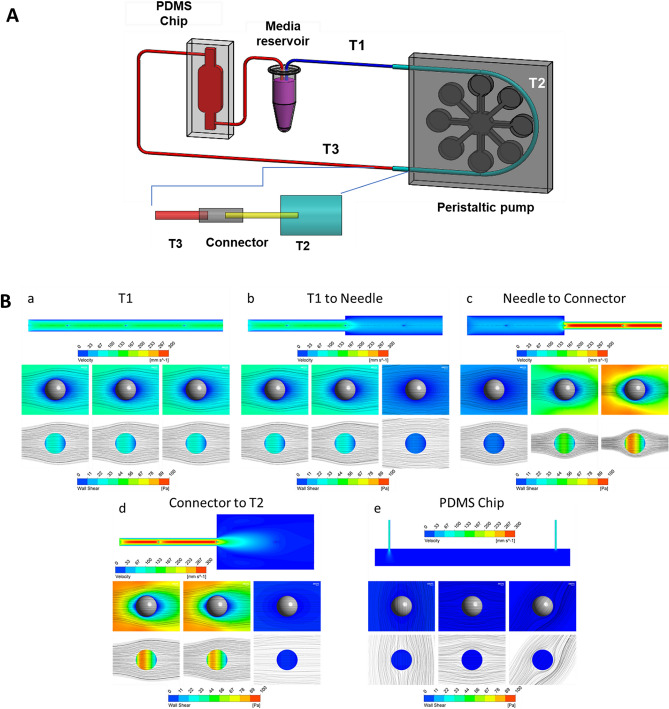
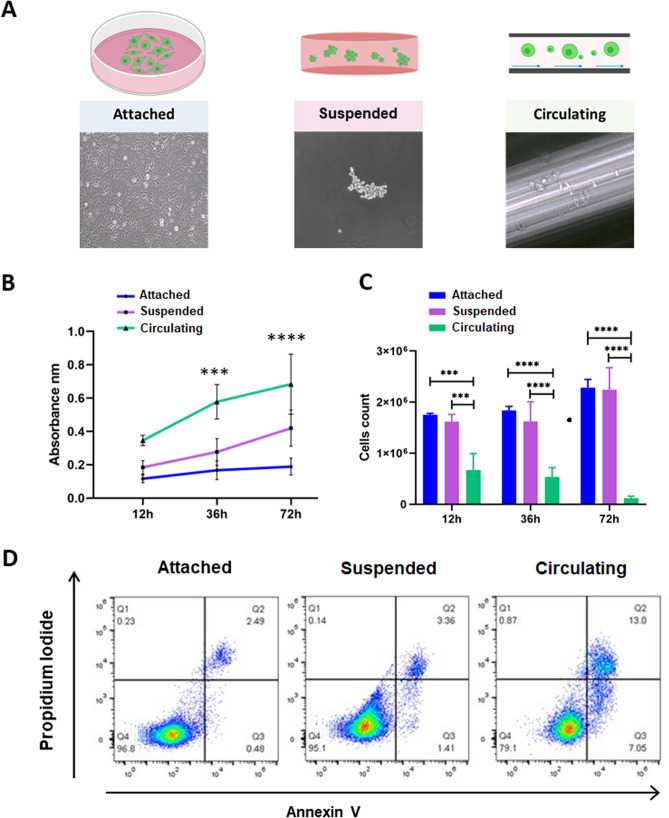
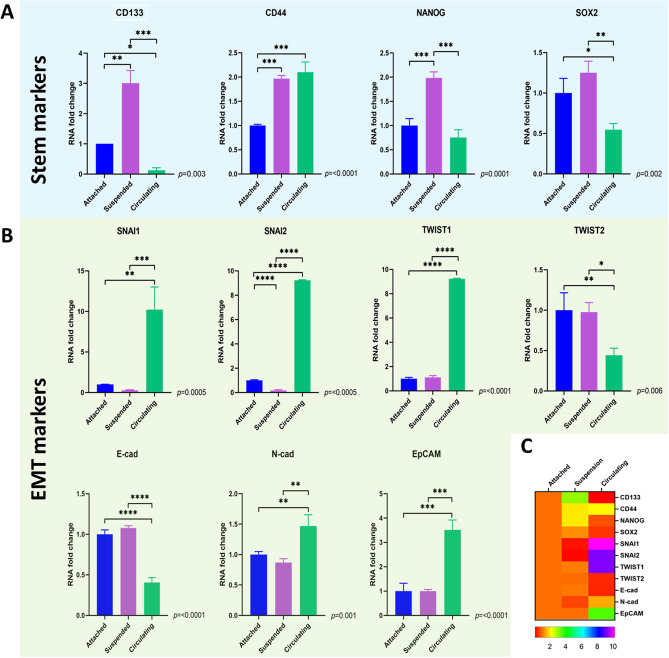
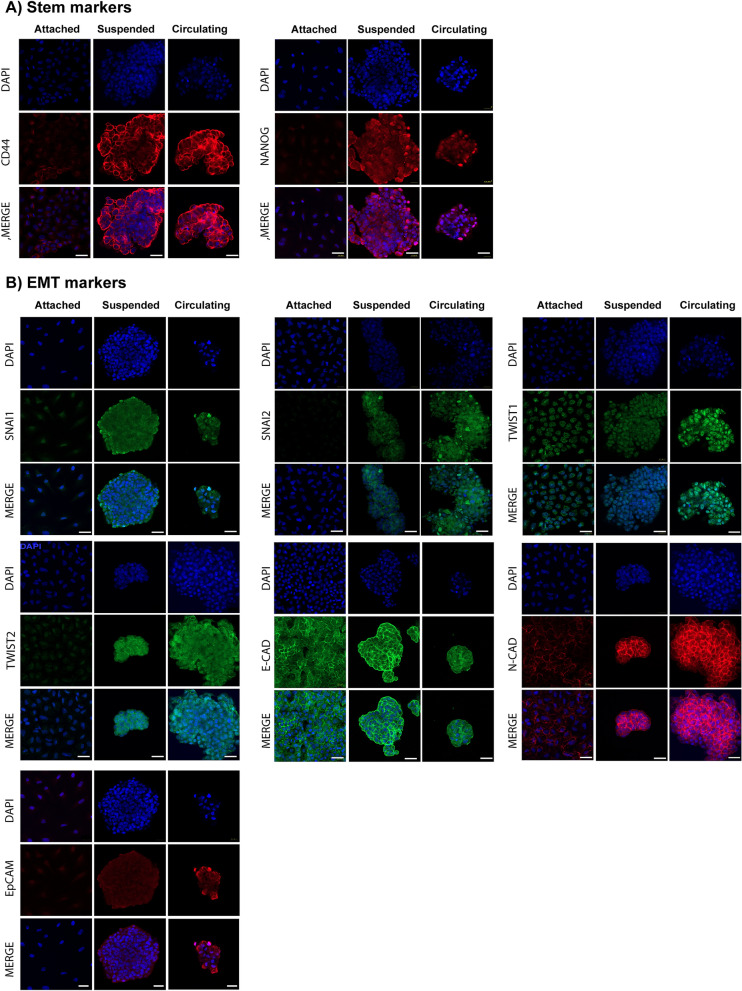
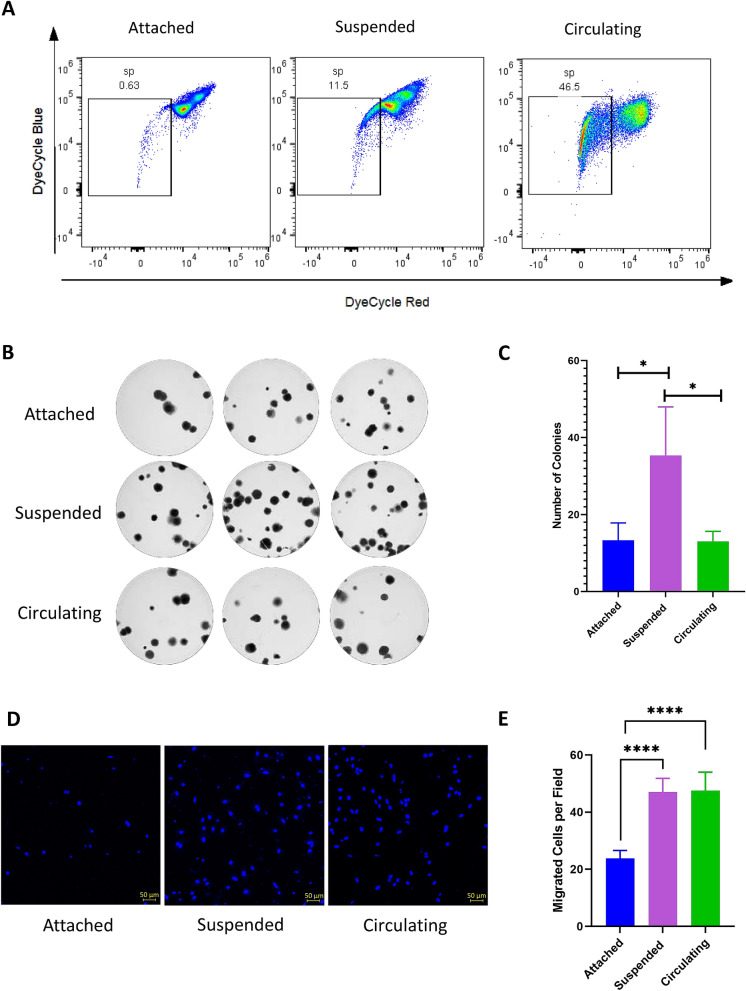
Cancer is a leading cause of death and disease worldwide. However, while the survival for patients with primary cancers is improving, the ability to prevent metastatic cancer has not. Once patients develop metastases, their prognosis is dismal. A critical step in metastasis is the transit of cancer cells in the circulatory system. In this hostile microenvironment, variations in pressure and flow can change cellular behavior. However, the effects that circulation has on cancer cells and the metastatic process remain unclear. To further understand this process, we engineered a closed-loop fluidic system to analyze molecular changes induced by variations in flow rate and pressure on primary tumor-derived lung adenocarcinoma cells. We found that cancer cells overexpress epithelial-to-mesenchymal transition markers TWIST1 and SNAI2, as well as stem-like marker CD44 (but not CD133, SOX2 and/or NANOG). Moreover, these cells display a fourfold increased percentage of side population cells and have an increased propensity for migration. In vivo, surviving circulatory cells lead to decreased survival in rodents. These results suggest that cancer cells that express a specific circulatory transition phenotype and are enriched in side population cells are able to survive prolonged circulatory stress and lead to increased metastatic disease and shorter survival.
癌症是全球范围内主要的死亡和疾病原因。然而,尽管原发性癌症患者的生存率有所提高,但预防转移性癌症的能力并没有提高。一旦患者发生转移,其预后就很糟糕。癌症细胞在循环系统中迁移是转移的关键步骤。在这个恶劣的微环境中,压力和流量的变化会改变细胞的行为。然而,循环对癌细胞和转移过程的影响仍不清楚。为了进一步了解这一过程,我们设计了一个闭环流体系统,以分析流速和压力变化对源自原发性肿瘤的肺腺癌细胞引起的分子变化。我们发现,癌细胞过度表达上皮-间充质转化标记物 TWIST1 和 SNAI2,以及干细胞样标记物 CD44(但不是 CD133、SOX2 和/或 NANOG)。此外,这些细胞的侧群细胞比例增加了四倍,并且迁移能力增强。在体内,循环中存活的细胞会导致啮齿动物的存活率降低。这些结果表明,表达特定循环转化表型且富含侧群细胞的癌细胞能够耐受长时间的循环应激,从而导致转移性疾病增加和生存时间缩短。