Bauer Saskia, Yu Dongli, Lawson Aaron W, Saur Isabel M L, Frantzeskakis Lamprinos, Kracher Barbara, Logemann Elke, Chai Jijie, Maekawa Takaki, Schulze-Lefert Paul
Department of Plant Microbe Interactions, Max Planck Institute for Plant Breeding Research, Cologne, Germany.
Institute of Biochemistry, University of Cologne at Max Planck Institute for Plant Breeding Research, Cologne, Germany.
PLoS Pathog. 2021 Feb 3;17(2):e1009223. doi: 10.1371/journal.ppat.1009223. eCollection 2021 Feb.
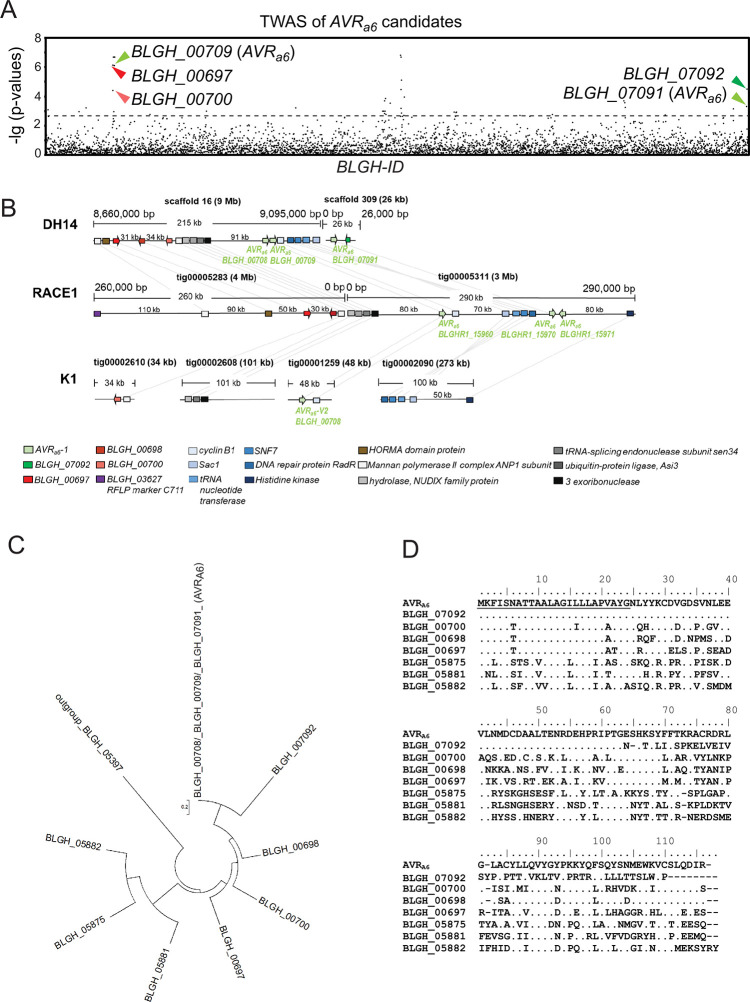
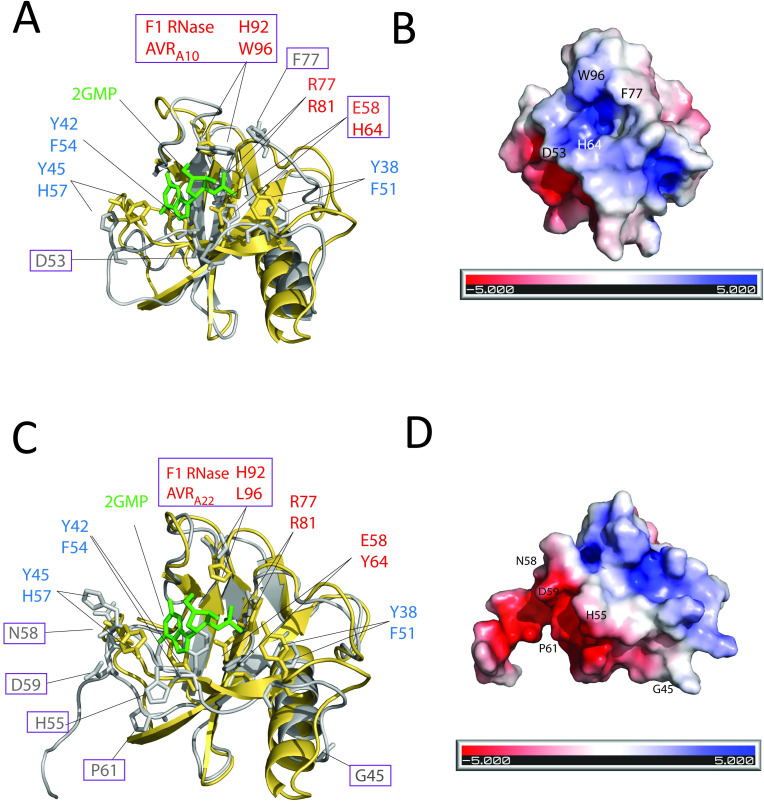
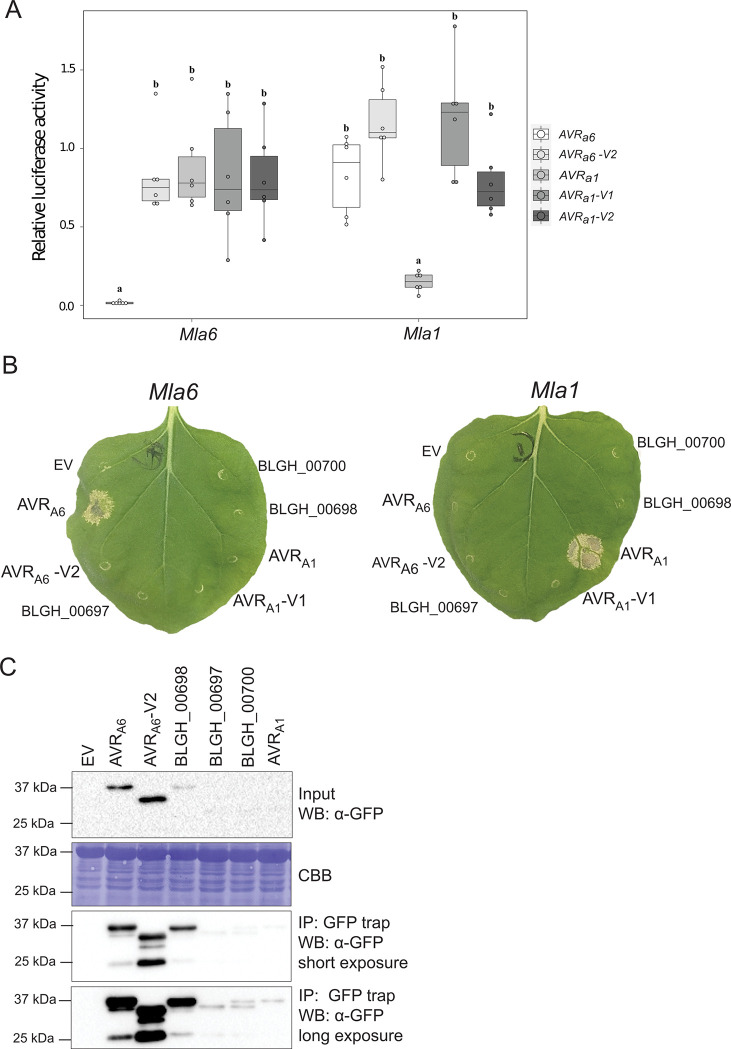
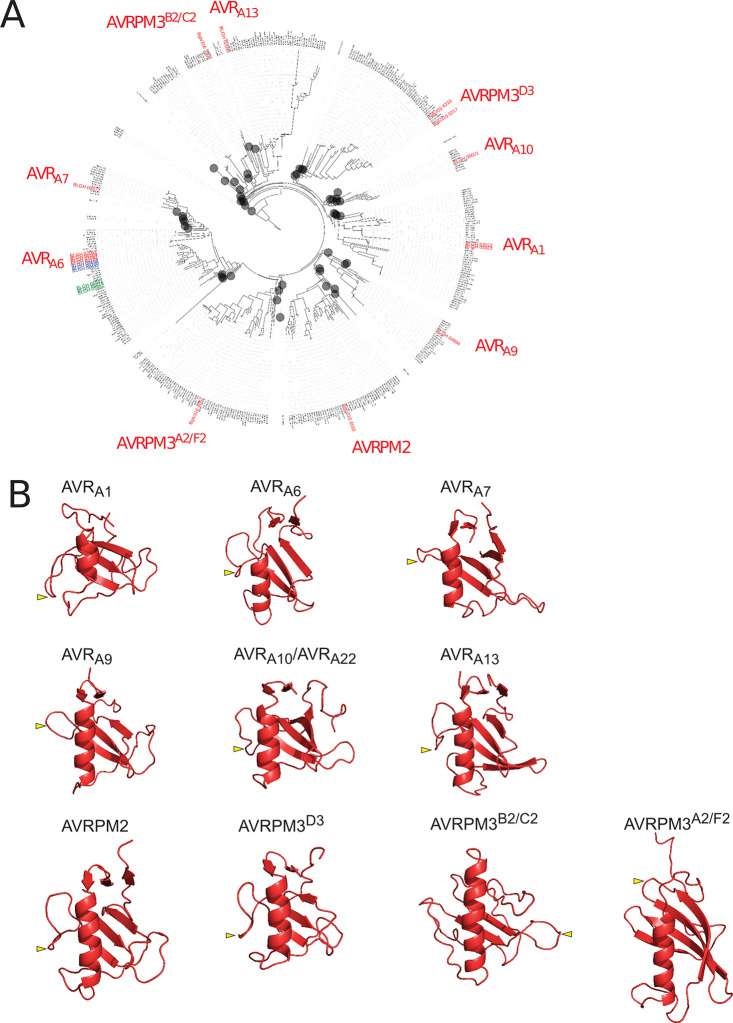
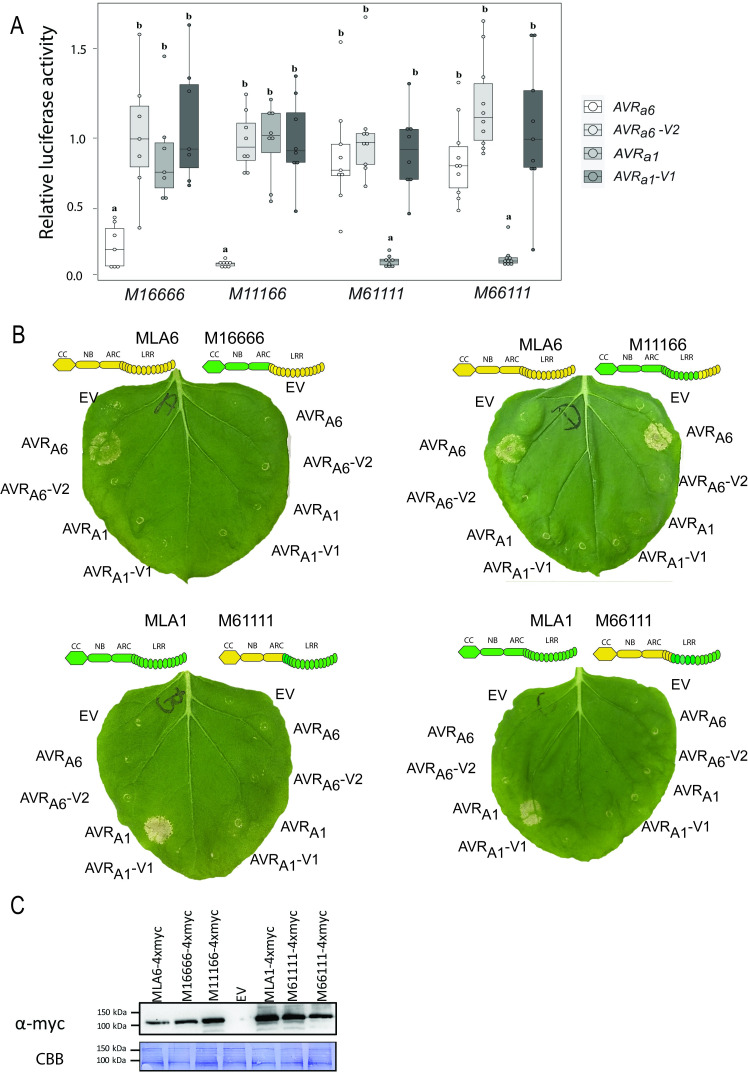
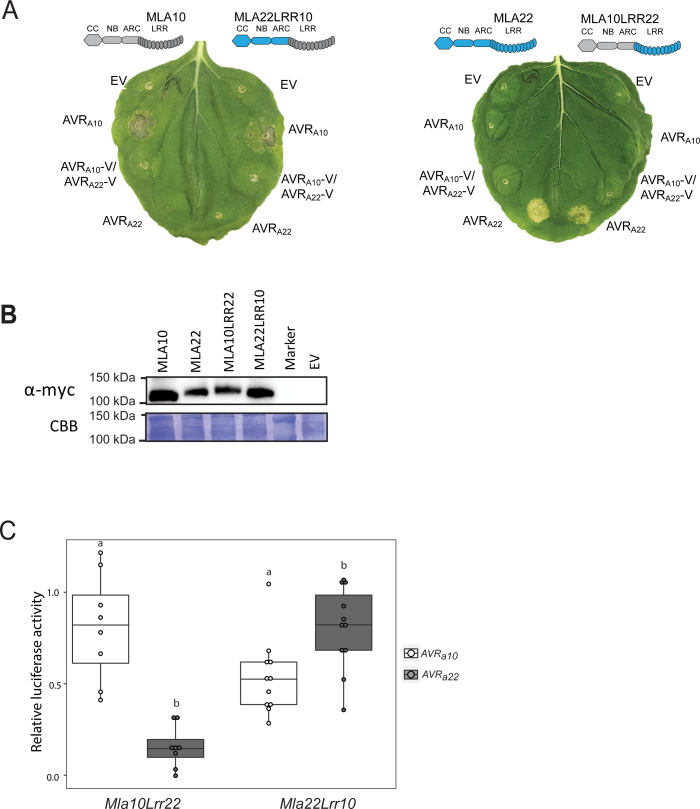
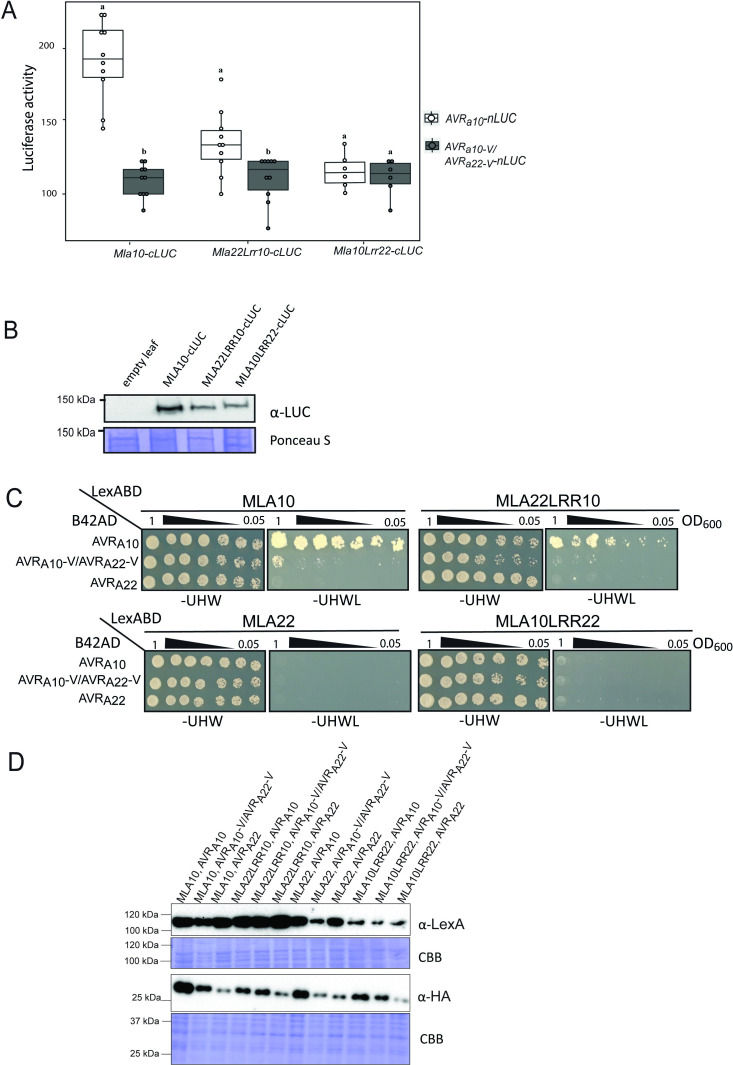
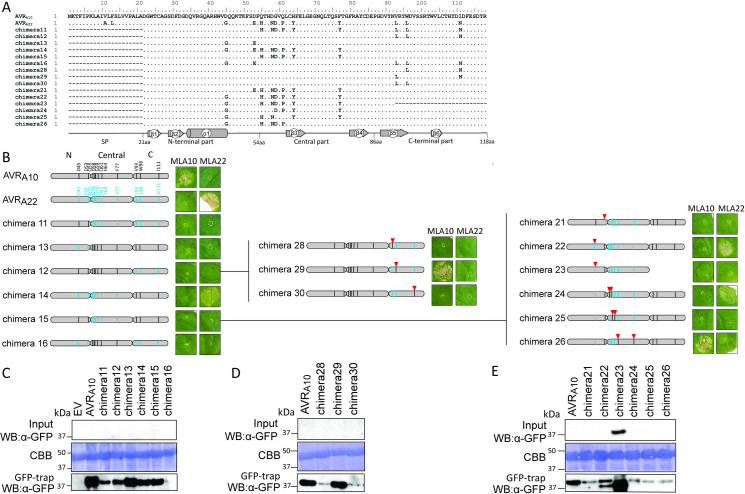
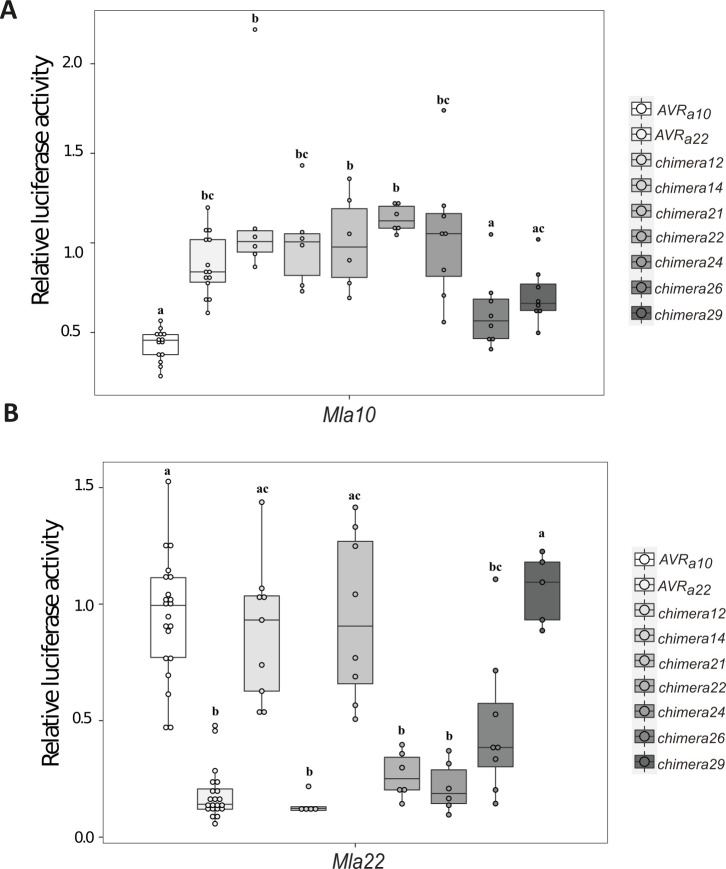
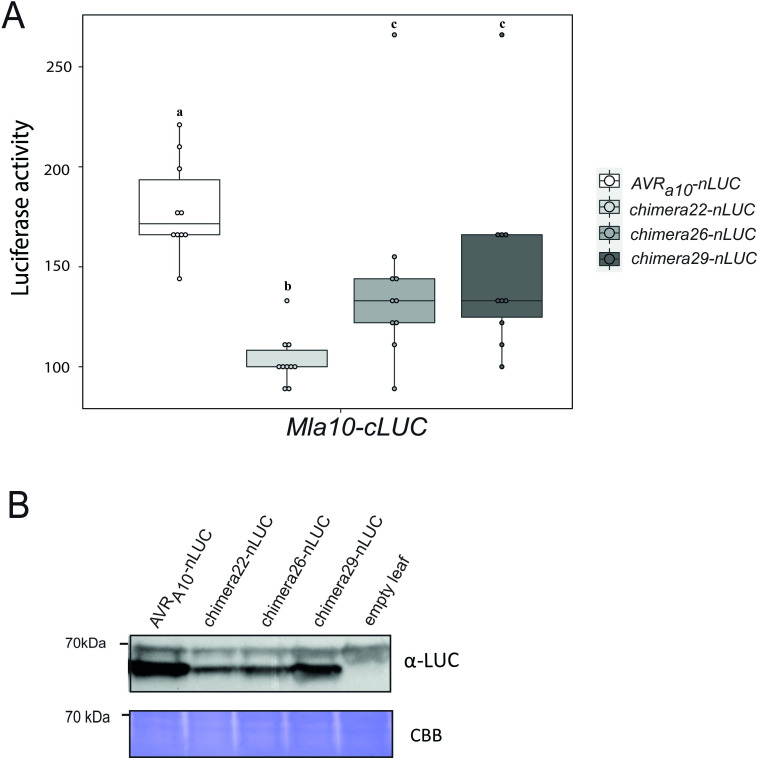
Nucleotide-binding domain leucine-rich repeat-containing receptors (NLRs) in plants can detect avirulence (AVR) effectors of pathogenic microbes. The Mildew locus a (Mla) NLR gene has been shown to confer resistance against diverse fungal pathogens in cereal crops. In barley, Mla has undergone allelic diversification in the host population and confers isolate-specific immunity against the powdery mildew-causing fungal pathogen Blumeria graminis forma specialis hordei (Bgh). We previously isolated the Bgh effectors AVRA1, AVRA7, AVRA9, AVRA13, and allelic AVRA10/AVRA22, which are recognized by matching MLA1, MLA7, MLA9, MLA13, MLA10 and MLA22, respectively. Here, we extend our knowledge of the Bgh effector repertoire by isolating the AVRA6 effector, which belongs to the family of catalytically inactive RNase-Like Proteins expressed in Haustoria (RALPHs). Using structural prediction, we also identified RNase-like folds in AVRA1, AVRA7, AVRA10/AVRA22, and AVRA13, suggesting that allelic MLA recognition specificities could detect structurally related avirulence effectors. To better understand the mechanism underlying the recognition of effectors by MLAs, we deployed chimeric MLA1 and MLA6, as well as chimeric MLA10 and MLA22 receptors in plant co-expression assays, which showed that the recognition specificity for AVRA1 and AVRA6 as well as allelic AVRA10 and AVRA22 is largely determined by the receptors' C-terminal leucine-rich repeats (LRRs). The design of avirulence effector hybrids allowed us to identify four specific AVRA10 and five specific AVRA22 aa residues that are necessary to confer MLA10- and MLA22-specific recognition, respectively. This suggests that the MLA LRR mediates isolate-specific recognition of structurally related AVRA effectors. Thus, functional diversification of multi-allelic MLA receptors may be driven by a common structural effector scaffold, which could be facilitated by proliferation of the RALPH effector family in the pathogen genome.
植物中的核苷酸结合结构域富含亮氨酸重复序列的受体(NLRs)能够检测致病微生物的无毒(AVR)效应子。已证明白粉病位点a(Mla)NLR基因可赋予谷类作物对多种真菌病原体的抗性。在大麦中,Mla在宿主群体中经历了等位基因多样化,并赋予对引起白粉病的真菌病原体大麦白粉菌专化型(Bgh)的分离物特异性免疫。我们之前分离出了Bgh效应子AVRA1、AVRA7、AVRA9、AVRA13以及等位基因AVRA10/AVRA22,它们分别被匹配的MLA1、MLA7、MLA9、MLA13、MLA10和MLA22识别。在此,我们通过分离AVRA6效应子扩展了对Bgh效应子库的认识,AVRA6效应子属于在吸器中表达的催化无活性的类核糖核酸酶蛋白(RALPHs)家族。利用结构预测,我们还在AVRA1、AVRA7、AVRA10/AVRA22和AVRA13中鉴定出了类核糖核酸酶样折叠,这表明等位基因MLA识别特异性可能检测到结构相关的无毒效应子。为了更好地理解MLA识别效应子的潜在机制,我们在植物共表达试验中部署了嵌合的MLA1和MLA6以及嵌合的MLA10和MLA22受体,结果表明对AVRA1和AVRA6以及等位基因AVRA10和AVRA22的识别特异性在很大程度上由受体的C端富含亮氨酸重复序列(LRRs)决定。无毒效应子杂种的设计使我们能够分别鉴定出赋予MLA10和MLA22特异性识别所必需的四个特定的AVRA10和五个特定的AVRA22氨基酸残基。这表明MLA LRR介导了对结构相关的AVRA效应子的分离物特异性识别。因此,多等位基因MLA受体的功能多样化可能由一个共同的效应子结构支架驱动,病原体基因组中RALPH效应子家族的增殖可能促进了这一过程。