Laptev Georgi Yu, Yildirim Elena A, Ilina Larisa A, Filippova Valentina A, Kochish Ivan I, Gorfunkel Elena P, Dubrovin Andrei V, Brazhnik Evgeni A, Narushin Valeriy G, Novikova Natalia I, Novikova Oksana B, Dunyashev Timur P, Smolensky Vladimir I, Surai Peter F, Griffin Darren K, Romanov Michael N
BIOTROF+ Ltd., 8 Malinovskaya St, liter A, 7-N, Pushkin, 196602 St Petersburg, Russia.
K. I. Skryabin Moscow State Academy of Veterinary Medicine and Biotechnology, 23 Akademika Skryabina St, 109472 Moscow, Russia.
Animals (Basel). 2021 Feb 1;11(2):360. doi: 10.3390/ani11020360.
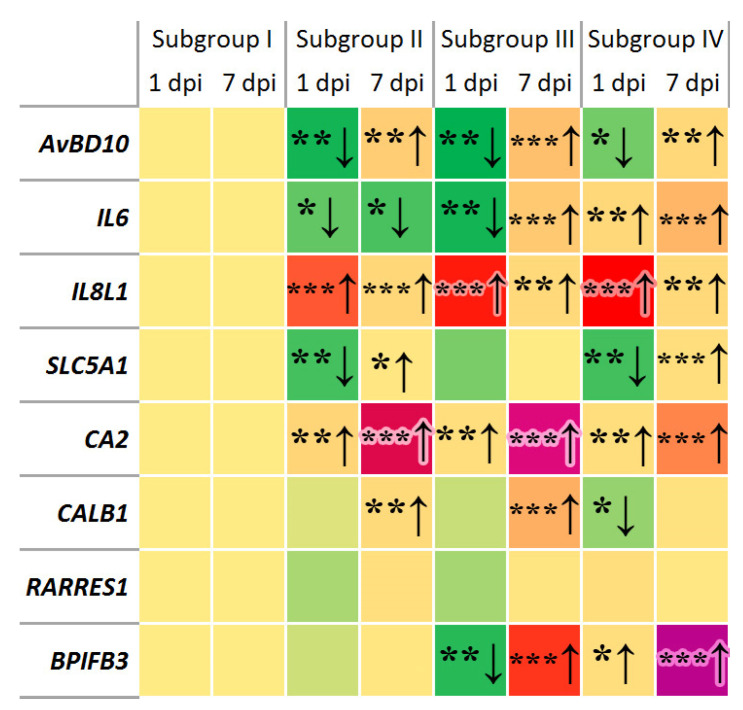
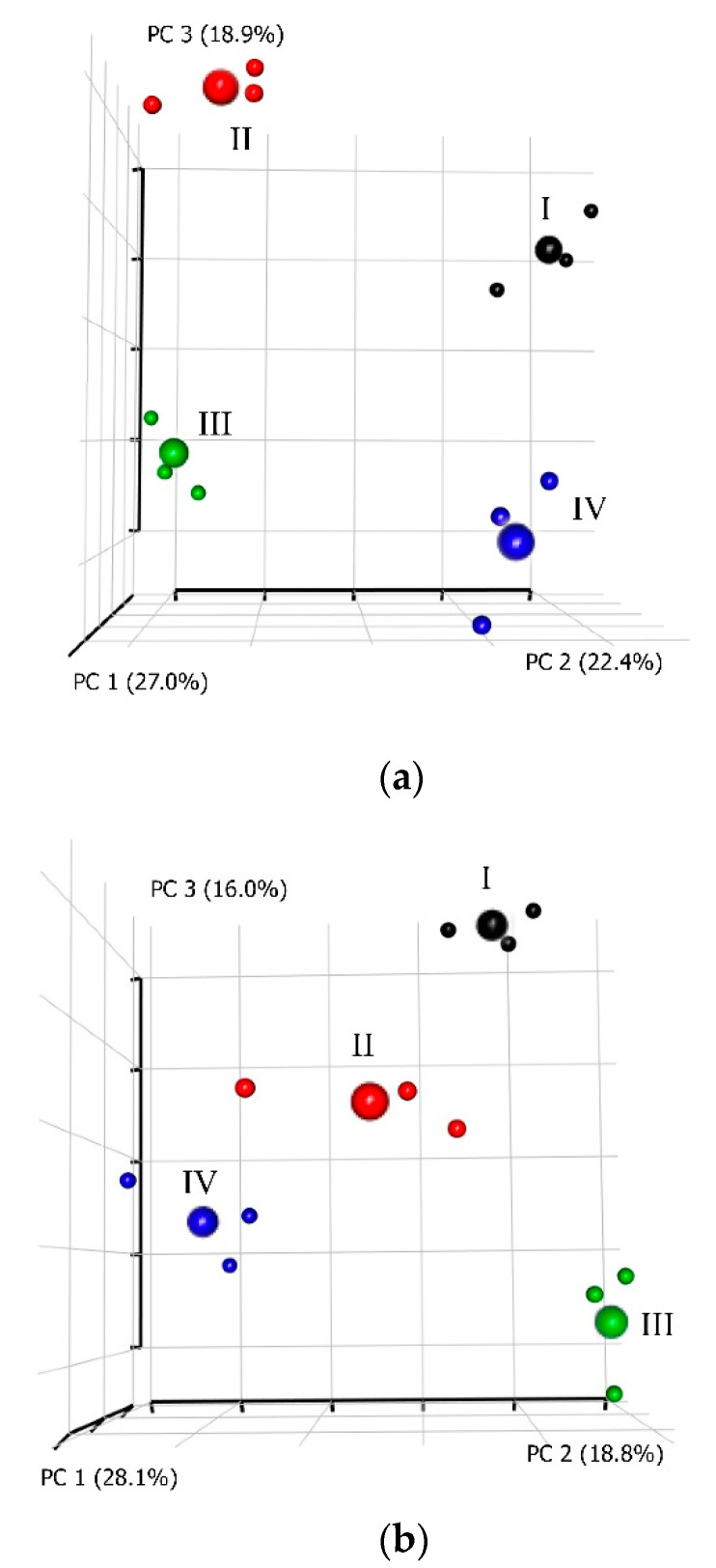
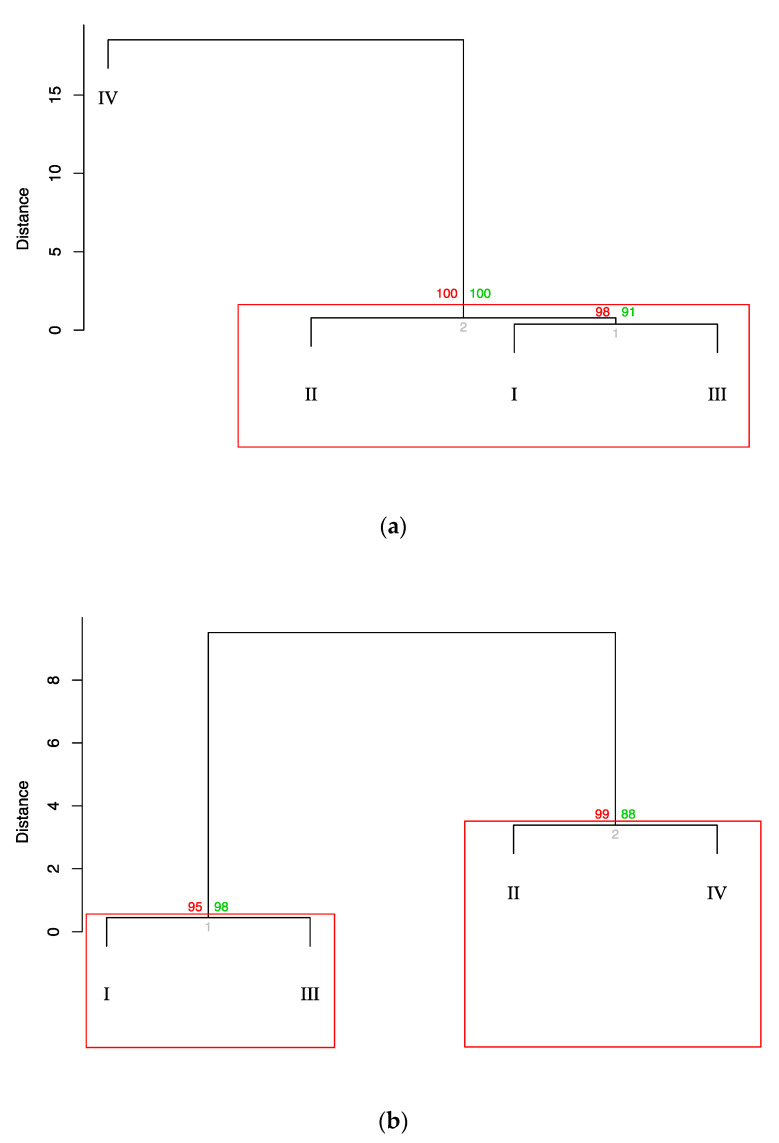
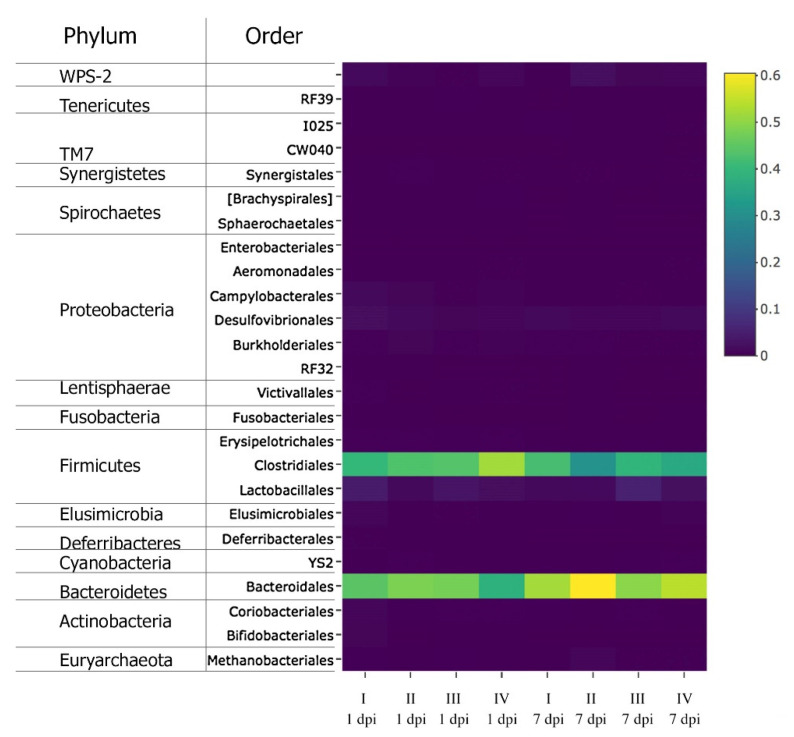
One of the main roles in poultry resistance to infections caused by is attributed to host immunity and intestinal microbiota. We conducted an experiment that involved challenging Lohmann White laying hens with Enteritidis (SE), feeding them a diet supplemented with an EOs-based phytobiotic Intebio. At 1 and 7 days post-inoculation, the expression profiles of eight genes related to immunity, transport of nutrients in the intestine, and metabolism were examined. Cecal microbiome composition and blood biochemical/immunological indices were also explored and egg production traits recorded. As a result, the SE challenge of laying hens and Intebio administration had either a suppressive or activating effect on the expression level of the studied genes (e.g., and ), the latter echoing mammalian/human tissue-specific expression. There were also effects of the pathogen challenge and phytobiotic intake on the cecal microbiome profiles and blood biochemical/immunological parameters, including those reflecting the activity of the birds' immune systems (e.g., serum bactericidal activity, β-lysine content, and immunoglobulin levels). Significant differences between control and experimental subgroups in egg performance traits (i.e., egg weight/number/mass) were also found. The phytobiotic administration suggested a positive effect on the welfare and productivity of poultry.
家禽对由[病原体名称未给出]引起的感染的抵抗力的主要作用之一归因于宿主免疫力和肠道微生物群。我们进行了一项实验,用肠炎沙门氏菌(SE)攻击罗曼粉蛋鸡,给它们喂食添加了基于精油的植物源益生菌Intebio的日粮。在接种后1天和7天,检测了八个与免疫、肠道营养物质转运和代谢相关的基因的表达谱。还探究了盲肠微生物群组成以及血液生化/免疫指标,并记录了产蛋性状。结果,蛋鸡的SE攻击和Intebio给药对所研究基因的表达水平(例如[基因名称未给出]和[基因名称未给出])具有抑制或激活作用,后者与哺乳动物/人类组织特异性表达一致。病原体攻击和植物源益生菌摄入对盲肠微生物群谱和血液生化/免疫参数也有影响,包括那些反映鸡免疫系统活性的参数(例如血清杀菌活性、β-赖氨酸含量和免疫球蛋白水平)。在对照和实验亚组之间的蛋性能性状(即蛋重/数量/质量)也发现了显著差异。植物源益生菌的施用对家禽的健康和生产力有积极影响。