Johnson Athira, Kong Fanbin, Miao Song, Thomas Sabu, Ansar Sabah, Kong Zwe-Ling
Department of Food Science, National Taiwan Ocean University, Keelung 20224, Taiwan.
Department of Food Science and Technology, University of Georgia, Athens, GA 30602, USA.
Nanomaterials (Basel). 2021 Feb 1;11(2):356. doi: 10.3390/nano11020356.
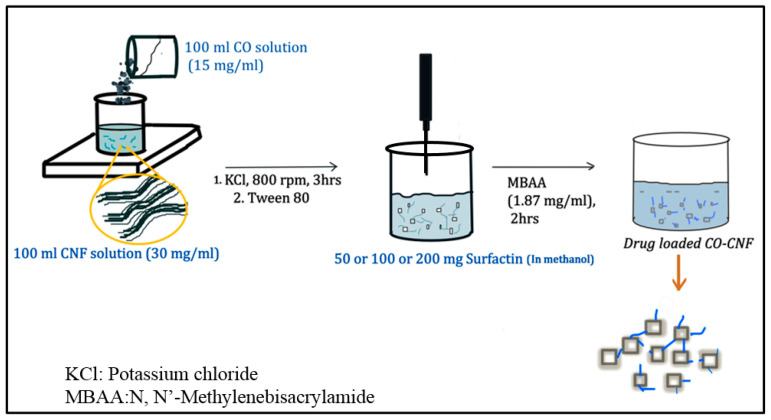
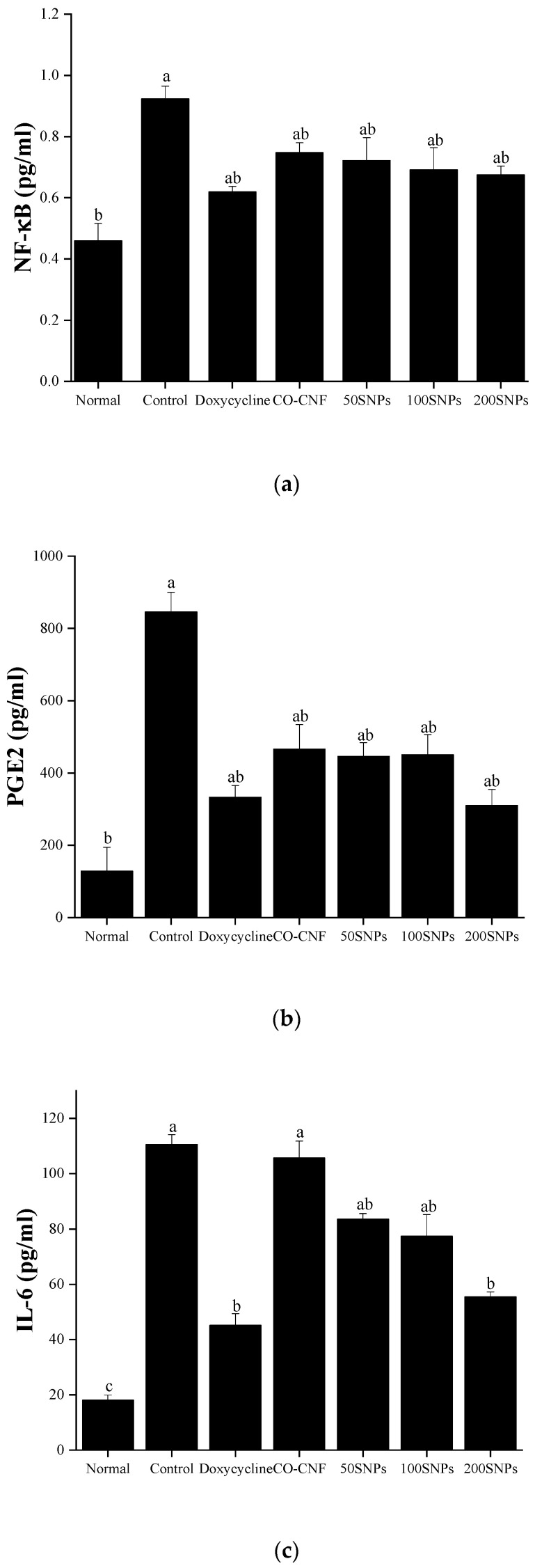
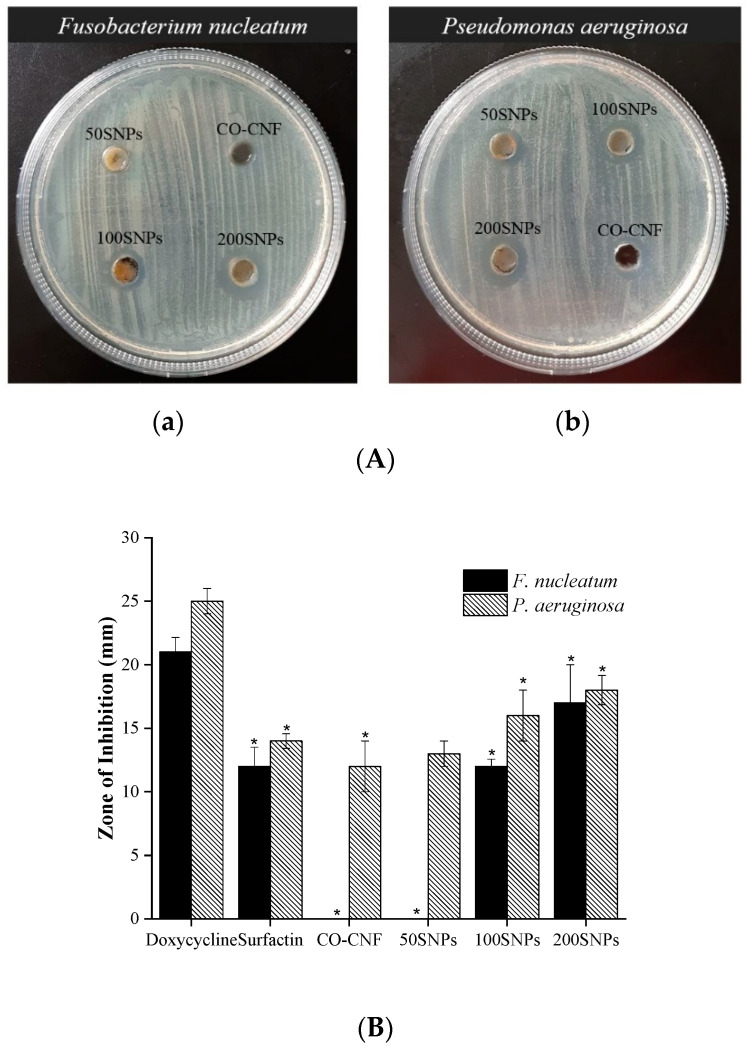
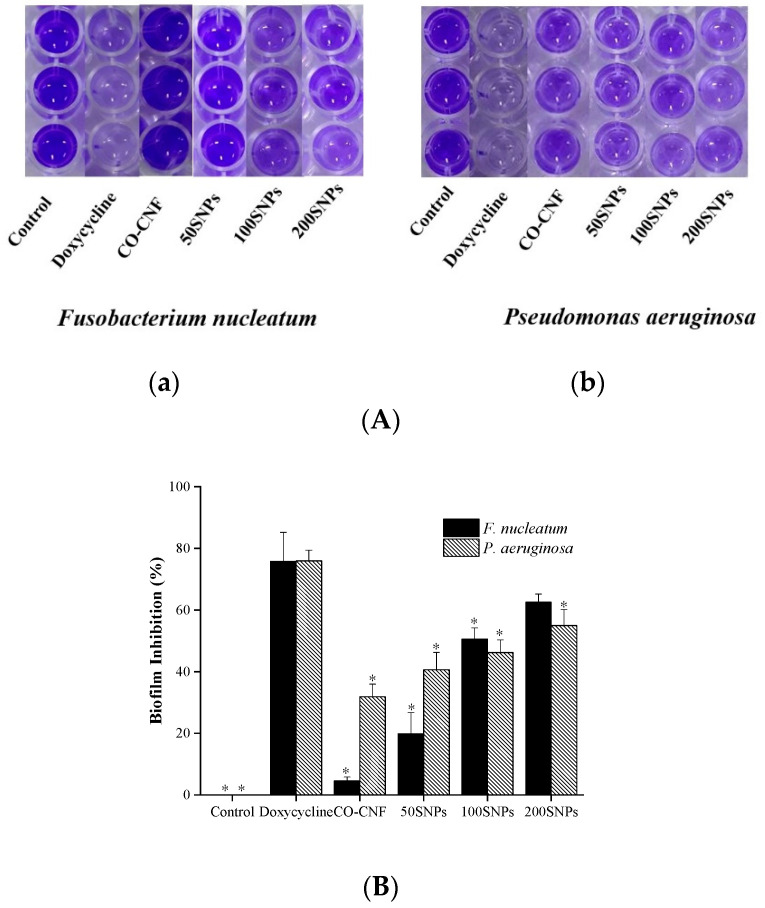
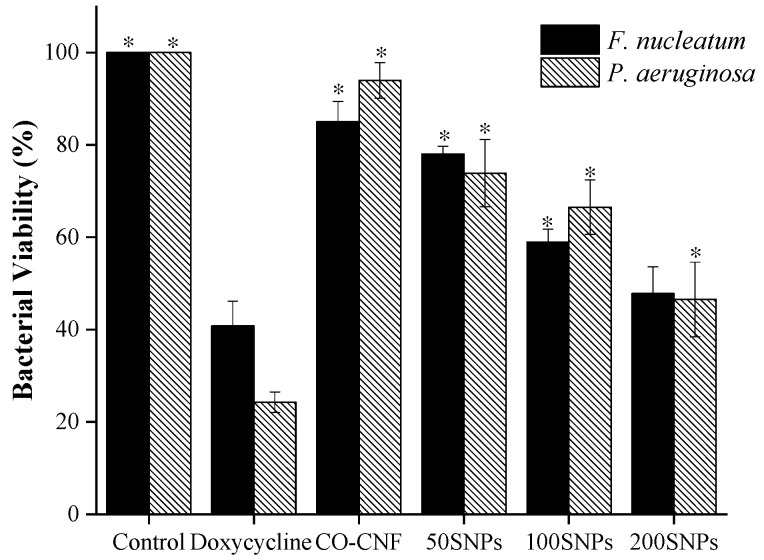
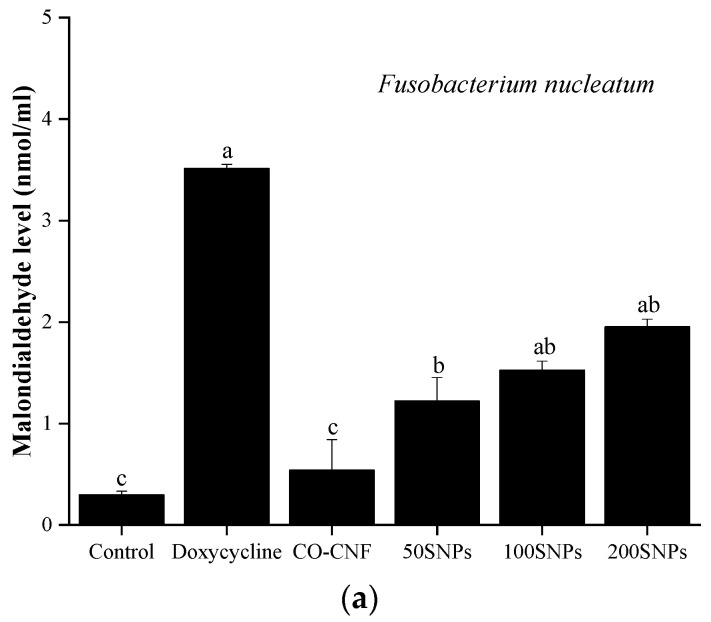
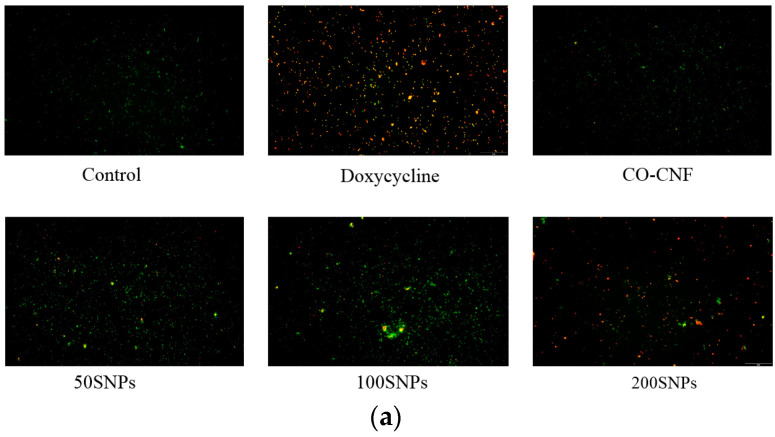
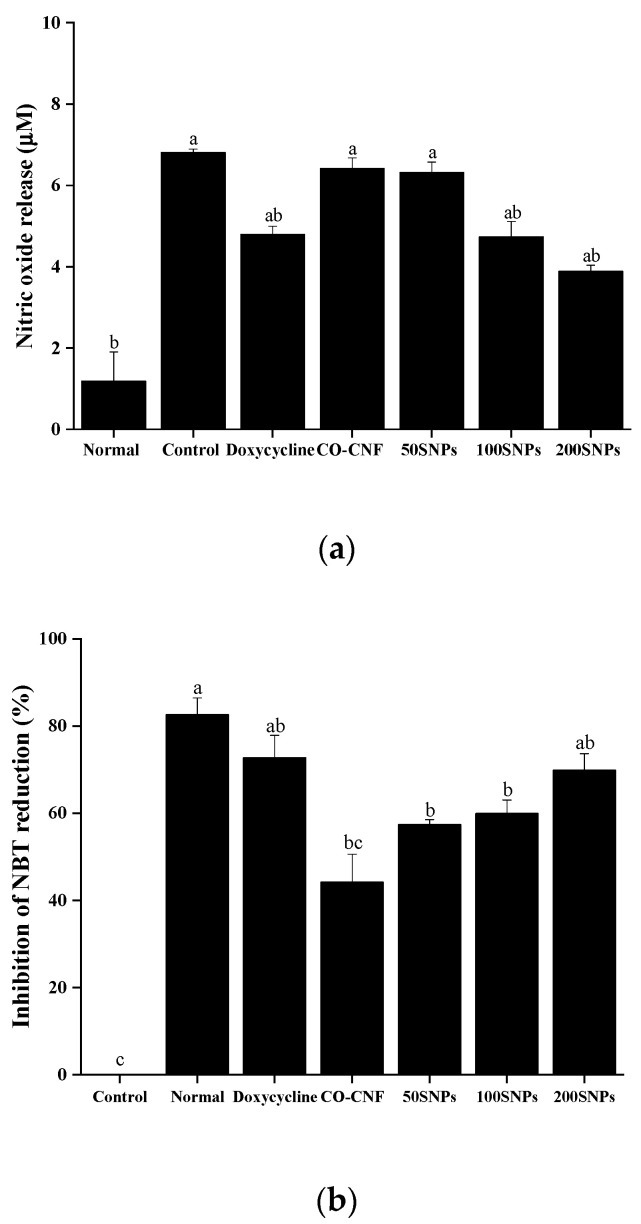
Periodontitis is an inflammatory disease associated with biofilm formation and gingival recession. The practice of nanotechnology in the clinical field is increased overtime due to its potential advantages in drug delivery applications. Nanoparticles can deliver drugs into the targeted area with high efficiency and cause less damages to the tissues. In this study, we investigated the antibacterial and anti-inflammatory properties of surfactin-loaded κ-carrageenan oligosaccharides linked cellulose nanofibers (CO-CNF) nanoparticles. Three types of surfactin-loaded nanoparticles were prepared based on the increasing concentration of surfactin such as 50SNPs (50 mg surfactin-loaded CO-CNF nanoparticles), 100SNPs (100 mg surfactin-loaded CO-CNF nanoparticles), and 200SNPs (200 mg surfactin-loaded CO-CNF nanoparticles). The results showed that the nanoparticles inhibited the growth of and . The reduction in biofilm formation and metabolic activity of the bacteria were confirmed by crystal violet and MTT assay, respectively. Besides, an increase in oxidative stress was also observed in bacteria. Furthermore, anti-inflammatory effects of surfactin-loaded CO-CNF nanoparticles was observed in lipopolysaccharide (LPS)-stimulated human gingival fibroblast (HGF) cells. A decrease in the production of reactive oxygen species (ROS), transcription factor, and cytokines were observed in the presence of nanoparticles. Collectively, these observations supported the use of surfactin-loaded CO-CNF as a potential candidate for periodontitis management.
牙周炎是一种与生物膜形成和牙龈退缩相关的炎症性疾病。由于纳米技术在药物递送应用中的潜在优势,其在临床领域的应用随着时间的推移而增加。纳米颗粒可以高效地将药物递送至靶向区域,并且对组织造成的损伤较小。在本研究中,我们研究了负载表面活性素的κ-卡拉胶寡糖连接纤维素纳米纤维(CO-CNF)纳米颗粒的抗菌和抗炎特性。基于表面活性素浓度的增加制备了三种类型的负载表面活性素的纳米颗粒,如50SNPs(50mg负载表面活性素的CO-CNF纳米颗粒)、100SNPs(100mg负载表面活性素的CO-CNF纳米颗粒)和200SNPs(200mg负载表面活性素的CO-CNF纳米颗粒)。结果表明,这些纳米颗粒抑制了 和 的生长。分别通过结晶紫和MTT试验证实了细菌生物膜形成和代谢活性的降低。此外,还观察到细菌中氧化应激的增加。此外,在脂多糖(LPS)刺激的人牙龈成纤维细胞(HGF)中观察到负载表面活性素的CO-CNF纳米颗粒的抗炎作用。在存在纳米颗粒的情况下,观察到活性氧(ROS)、转录因子和细胞因子的产生减少。总的来说,这些观察结果支持将负载表面活性素的CO-CNF用作牙周炎治疗的潜在候选物。