Molecular Pharmacology Research Group, Department of Pharmacology and Toxicology, Faculty of Pharmacy and Biotechnology, German University in Cairo, 11835 Cairo, Egypt.
Experimental and Clinical Research Center, Charité-Universitätsmedizin Berlin, 10117 Berlin, Germany.
Cells. 2021 Feb 2;10(2):302. doi: 10.3390/cells10020302.
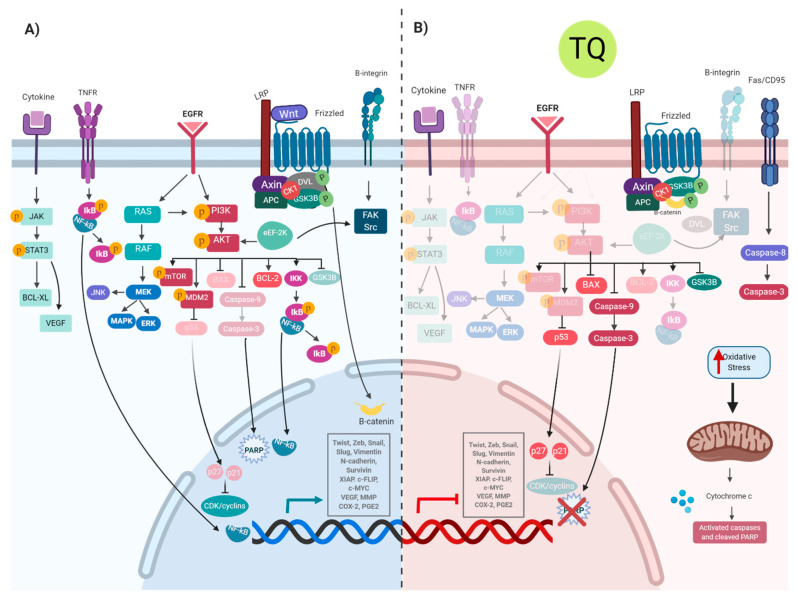
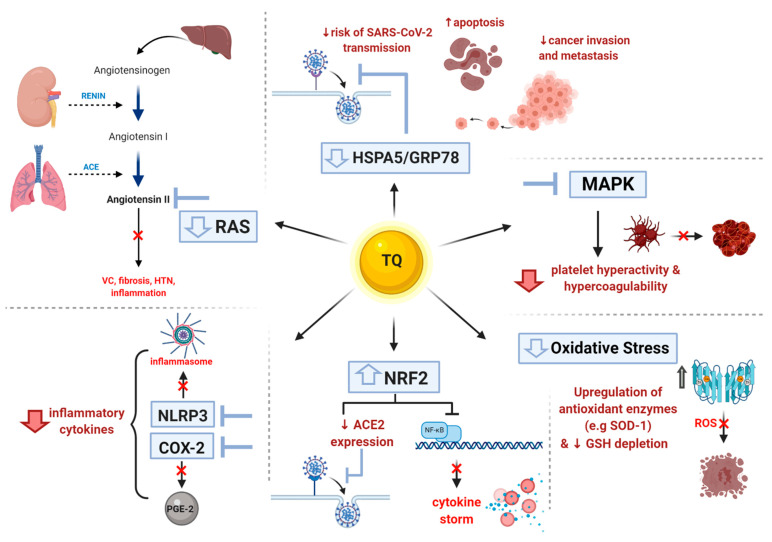
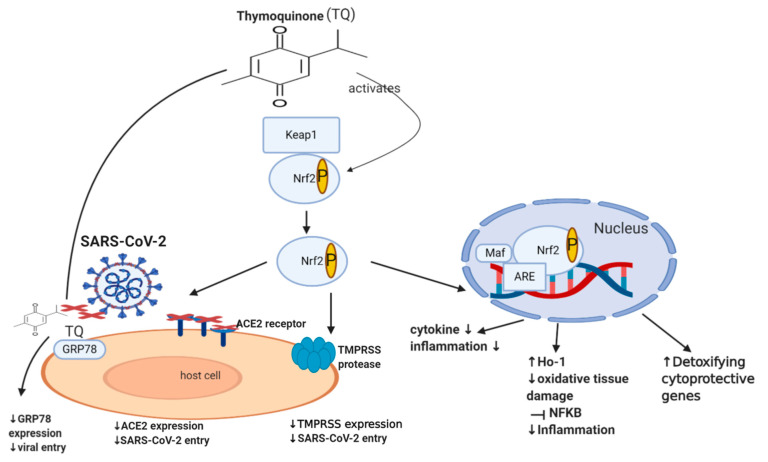
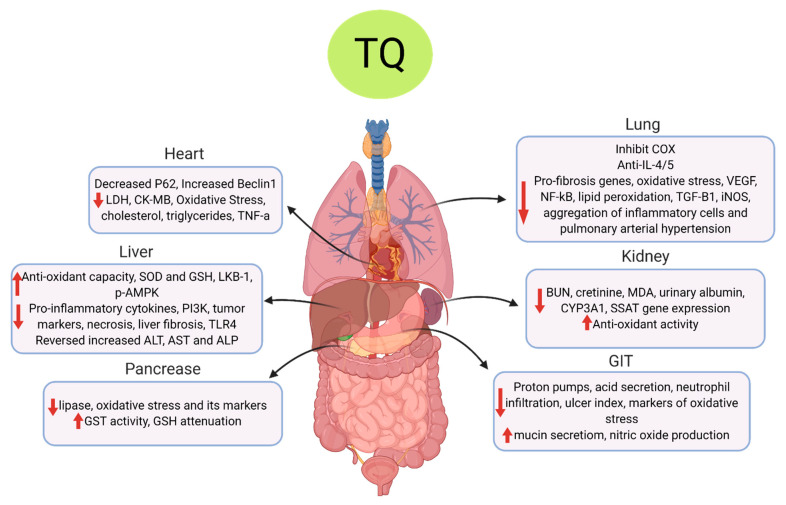
Since the beginning of the SARS-CoV-2(severe acute respiratory syndrome-coronavirus-2) pandemic, arace to develop a vaccine has been initiated, considering the massive and rather significant economic and healthcare hits that this virus has caused. The pathophysiology occurring following COVID-19(coronavirus disease-2019) infection has givenhints regarding the supportive and symptomatic treatments to establish for patients, as no specific anti-SARS-CoV-2 is available yet. Patient symptoms vary greatly and range from mild symptoms to severe fatal complications. Supportive treatments include antipyretics, antiviral therapies, different combinations of broad-spectrum antibiotics, hydroxychloroquine and plasma transfusion. Unfortunately, cancer patients are at higher risk of viral infection and more likely to develop serious complications due to their immunocompromised state, the fact that they are already administering multiple medications, as well as combined comorbidity compared to the general population. It may seem impossible to find a drug that possesses both potent antiviral and anticancer effects specifically against COVID-19 infection and its complications and the existing malignancy, respectively. Thymoquinone (TQ) is the most pharmacologically active ingredient in seeds (black seeds); it is reported to have anticancer, anti-inflammatory and antioxidant effects in various settings. In this review, we will discuss the multiple effects of TQ specifically against COVID-19, its beneficial effects against COVID-19 pathophysiology and multiple-organ complications, its use as an adjuvant for supportive COVID-19 therapy and cancer therapy, and finally, its anticancer effects.
自严重急性呼吸系统综合征冠状病毒 2 型(SARS-CoV-2)大流行开始以来,人们就开始竞相研发疫苗,因为这种病毒造成了巨大且相当显著的经济和医疗保健方面的打击。COVID-19(2019 年冠状病毒病)感染后发生的病理生理学为患者建立支持性和对症治疗提供了线索,因为目前还没有针对 SARS-CoV-2 的特定药物。患者症状差异很大,从轻微症状到严重致命的并发症都有。支持性治疗包括退热、抗病毒疗法、广谱抗生素的不同组合、羟氯喹和血浆输注。不幸的是,癌症患者由于免疫功能低下、已经在使用多种药物以及与一般人群相比存在合并症等原因,感染病毒的风险更高,更容易出现严重并发症。似乎不可能找到一种既能针对 COVID-19 感染及其并发症,又能针对现有恶性肿瘤,同时具有强大抗病毒和抗癌作用的药物。百里醌(TQ)是种子(黑种子)中最具药理活性的成分,据报道,它在各种情况下都具有抗癌、抗炎和抗氧化作用。在这篇综述中,我们将讨论 TQ 针对 COVID-19 的多种作用,它对 COVID-19 病理生理学和多器官并发症的有益作用,它作为 COVID-19 支持性治疗和癌症治疗辅助剂的用途,以及它的抗癌作用。