Guadagnolo Daniele, Mastromoro Gioia, Di Palma Francesca, Pizzuti Antonio, Marchionni Enrica
Department of Experimental Medicine, Policlinico Umberto I Hospital, Sapienza University of Rome, 00161 Rome, Italy.
Clinical Genomics Unit, IRCCS Casa Sollievo della Sofferenza, 71013 San Giovanni Rotondo (FG), Italy.
Diagnostics (Basel). 2021 Feb 2;11(2):224. doi: 10.3390/diagnostics11020224.
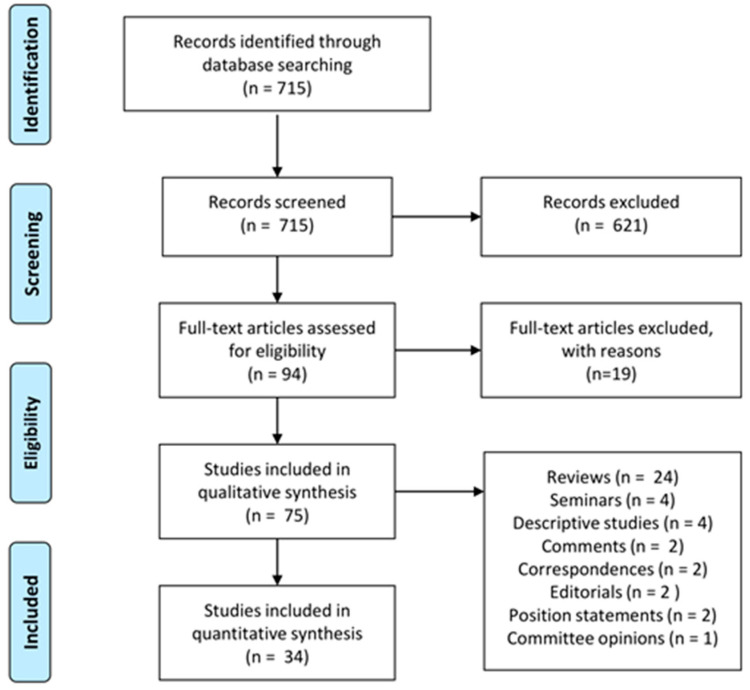
The introduction of Next Generation Sequencing (NGS) technologies has exerted a significant impact on prenatal diagnosis. Prenatal Exome Sequencing (pES) is performed with increasing frequency in fetuses with structural anomalies and negative chromosomal analysis. The actual diagnostic value varies extensively, and the role of incidental/secondary or inconclusive findings and negative results has not been fully ascertained. We performed a systematic literature review to evaluate the diagnostic yield, as well as inconclusive and negative-result rates of pES. Papers were divided in two groups. The former includes fetuses presenting structural anomalies, regardless the involved organ; the latter focuses on specific class anomalies. Available findings on non-informative or negative results were gathered as well. In the first group, the weighted average diagnostic yield resulted 19%, and inconclusive finding rate 12%. In the second group, the percentages were extremely variable due to differences in sample sizes and inclusion criteria, which constitute major determinants of pES efficiency. Diagnostic pES availability and its application have a pivotal role in prenatal diagnosis, though more homogeneity in access criteria and a consensus on clinical management of controversial information management is envisageable to reach widespread use in the near future.
新一代测序(NGS)技术的引入对产前诊断产生了重大影响。产前外显子组测序(pES)在患有结构异常且染色体分析结果为阴性的胎儿中进行的频率越来越高。其实际诊断价值差异很大,偶然/次要或不确定结果以及阴性结果的作用尚未完全确定。我们进行了一项系统的文献综述,以评估pES的诊断率以及不确定和阴性结果率。论文分为两组。前者包括出现结构异常的胎儿,无论涉及哪个器官;后者专注于特定类型的异常。还收集了关于无信息或阴性结果的现有发现。在第一组中,加权平均诊断率为19%,不确定发现率为12%。在第二组中,由于样本量和纳入标准的差异,这些百分比变化极大,而样本量和纳入标准是pES效率的主要决定因素。尽管可以设想在准入标准上更加统一,并就有争议的信息管理的临床处理达成共识,以便在不久的将来广泛应用,但诊断性pES的可获得性及其应用在产前诊断中具有关键作用。