Center for Translational Medicine, Division of Pulmonary, Allergy and Critical Care Medicine, Jane & Leonard Korman Respiratory Institute, Sidney Kimmel Medical College, Thomas Jefferson University, Philadelphia, PA, 19107, USA.
Department of Laboratory Medicine, School of Health Sciences, University of Tasmania, Launceston, Tasmania, 7248, Australia.
Eur J Pharmacol. 2021 Apr 15;897:173928. doi: 10.1016/j.ejphar.2021.173928. Epub 2021 Feb 3.
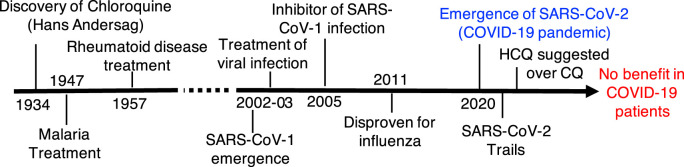
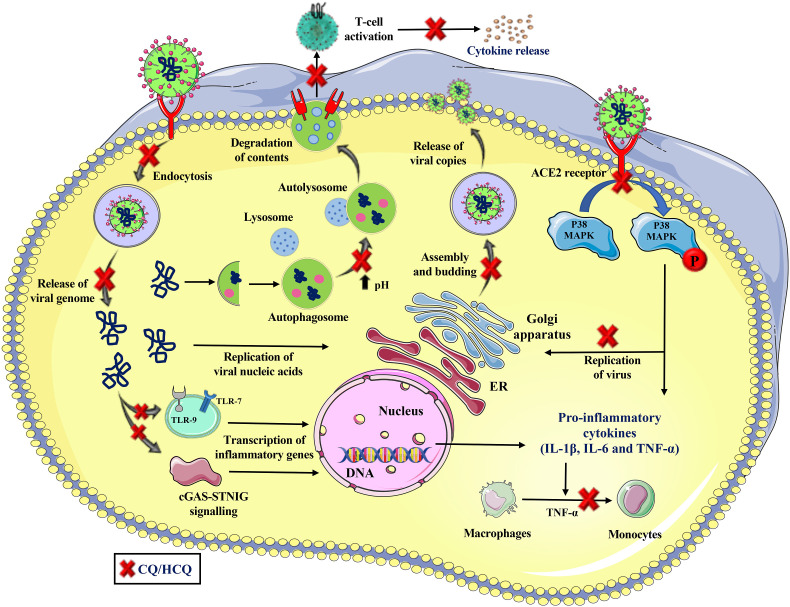
The recent SARS-CoV-2 pandemic poses one of the greatest challenges to modern medicine. Therefore, identification of new therapeutic strategies seems essential either based on novel vaccines or drugs or simply repurposing existing drugs. Notably, due to their known safety profile, repurposing of existing drugs is the fastest and highly efficient approach to bring a therapeutic to a clinic for any new indication. One such drug that has been used extensively for decades is chloroquine (CQ, with its derivatives) either for malaria, lupus and rheumatoid arthritis. Accumulating body of evidence from experimental pharmacology suggests that CQ and related analogues also activate certain pathways that can potentially be exploited for therapeutic gain. For example, in the airways, this has opened an attractive avenue for developing novel bitter taste ligands as a new class of bronchodilators for asthma. While CQ and its derivatives have been proposed as a therapy in COVID-19, it remains to be seen whether it really work in the clinic? To this end, our perspective aims to provide a timely yet brief insights on the existing literature on CQ and the controversies surrounding its use in COVID-19. Further, we also highlight some of cell-based mechanism(s) that CQ and its derivatives affect in mediating variety of physiological responses in the cell. We believe, data emanating from the clinical studies and continual understanding of the fundamental mechanisms may potentially help in designing effective therapeutic strategies that meets both efficacy and safety criteria for COVID-19.
最近的 SARS-CoV-2 大流行对现代医学构成了最大的挑战之一。因此,无论是基于新型疫苗还是药物,或者仅仅是重新利用现有药物,寻找新的治疗策略似乎都是必不可少的。值得注意的是,由于其已知的安全性,重新利用现有药物是将治疗方法快速高效地推向任何新适应症的临床应用的最快途径。一种这样的药物是氯喹(CQ,及其衍生物),几十年来它被广泛用于治疗疟疾、狼疮和类风湿性关节炎。来自实验药理学的大量证据表明,CQ 和相关类似物还激活了某些潜在可用于治疗获益的途径。例如,在气道中,这为开发新型苦味配体开辟了一条有吸引力的途径,作为治疗哮喘的新型支气管扩张剂。虽然 CQ 及其衍生物已被提议作为 COVID-19 的治疗方法,但在临床上是否真的有效还有待观察。为此,我们的观点旨在及时简要地介绍关于 CQ 的现有文献以及其在 COVID-19 中的应用的争议。此外,我们还强调了 CQ 及其衍生物在介导细胞内各种生理反应方面的一些基于细胞的机制。我们相信,来自临床研究的数据以及对基本机制的持续理解,可能有助于设计满足 COVID-19 疗效和安全性标准的有效治疗策略。