Department of Pharmacy, Health and Nutritional Sciences, University of Calabria, Arcavacata di Rende, 87036 Cosenza, Italy.
Department of Translational Medicine and Surgery, Section of General Pathology, School of Medicine and Surgery, Università Cattolica del Sacro Cuore, Largo F. Vito, 00168 Rome, Italy.
Molecules. 2021 Feb 3;26(4):785. doi: 10.3390/molecules26040785.
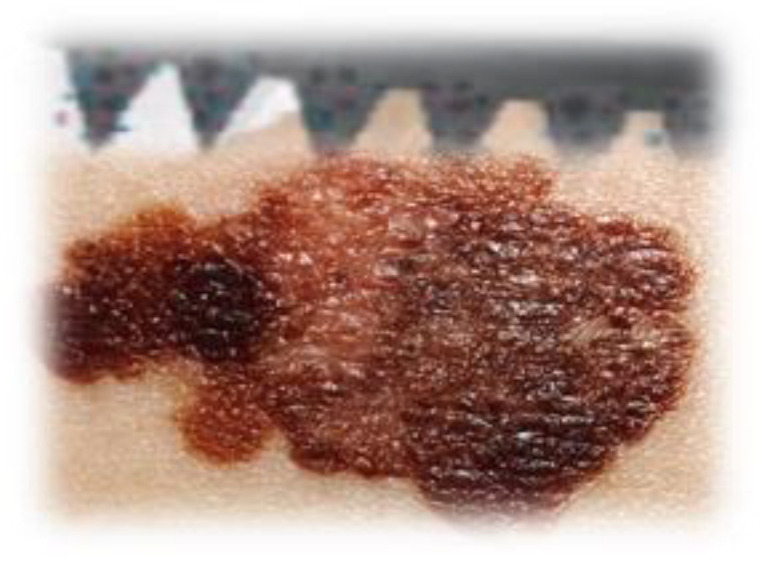
Melanoma is one of the most aggressive forms of skin cancer, with few possibilities for therapeutic approaches, due to its multi-drug resistance and, consequently, low survival rate for patients. Conventional therapies for treatment melanoma include radiotherapy, chemotherapy, targeted therapy, and immunotherapy, which have various side effects. For this reason, in recent years, pharmaceutical and biomedical research has focused on new sito-specific alternative therapeutic strategies. In this regard, nanotechnology offers numerous benefits which could improve the life expectancy of melanoma patients with very low adverse effects. This review aims to examine the latest advances in nanotechnology as an innovative strategy for treating melanoma. In particular, the use of different types of nanoparticles, such as vesicles, polymers, metal-based, carbon nanotubes, dendrimers, solid lipid, microneedles, and their combination with immunotherapies and vaccines will be discussed.
黑色素瘤是最具侵袭性的皮肤癌之一,由于其多药耐药性,治疗方法有限,因此患者的生存率很低。治疗黑色素瘤的常规疗法包括放疗、化疗、靶向治疗和免疫疗法,这些疗法都有不同的副作用。出于这个原因,近年来,制药和生物医学研究的重点是新的靶向特异性替代治疗策略。在这方面,纳米技术提供了许多好处,可以提高黑色素瘤患者的预期寿命,同时副作用非常低。本综述旨在探讨纳米技术作为治疗黑色素瘤的创新策略的最新进展。特别是将讨论使用不同类型的纳米粒子,如囊泡、聚合物、基于金属的、碳纳米管、树枝状大分子、固体脂质、微针及其与免疫疗法和疫苗的联合使用。