Habif Martín, Do Carmo Sonia, Báez María Verónica, Colettis Natalia Claudia, Cercato Magalí Cecilia, Salas Daniela Alejandra, Acutain María Florencia, Sister Caterina Laura, Berkowicz Valeria Laura, Canal María Pilar, González Garello Tomás, Cuello A Claudio, Jerusalinsky Diana Alicia
Laboratory of Neuroplasticity and Neurotoxins (LaN&N), Facultad de Medicina, Instituto de Biología Celular y Neurociencia (IBCN) "Prof. Eduardo De Robertis" (Universidad de Buenos Aires - CONICET), Buenos Aires, Argentina.
Department of Pharmacology and Therapeutics, McGill University, Montreal, QC, Canada.
Front Aging Neurosci. 2021 Jan 22;12:585873. doi: 10.3389/fnagi.2020.585873. eCollection 2020.
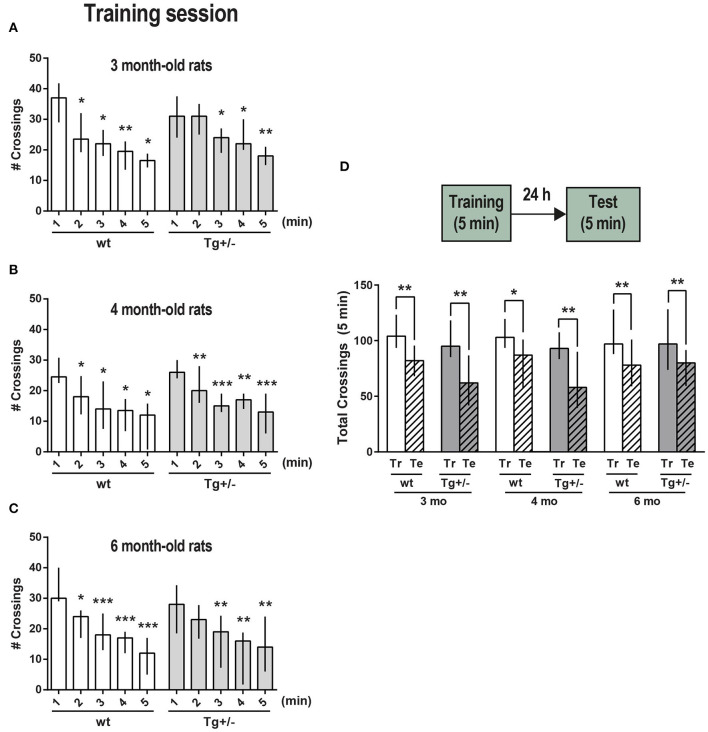
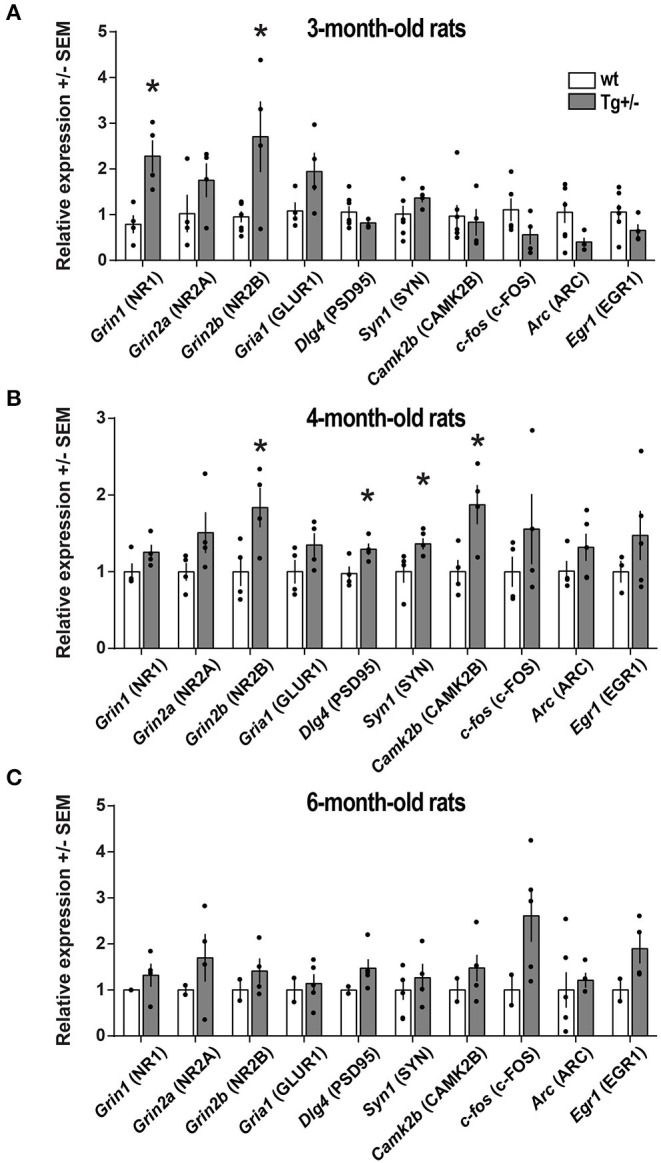
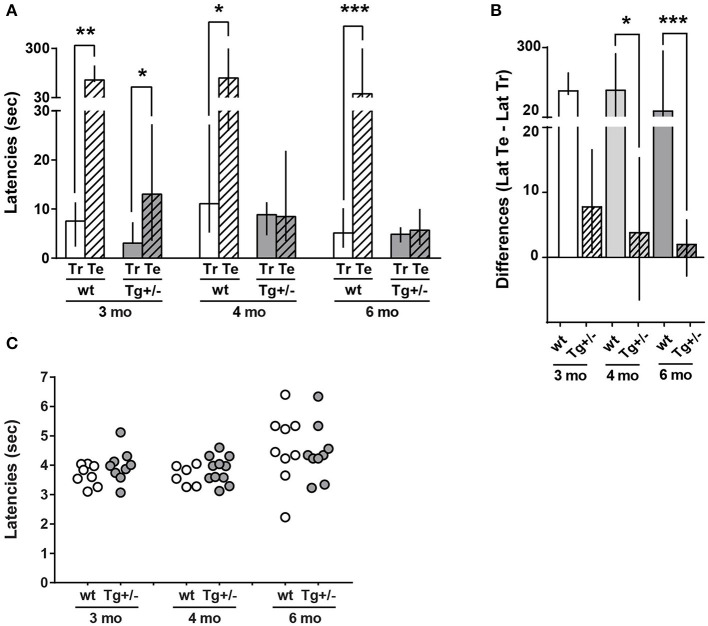
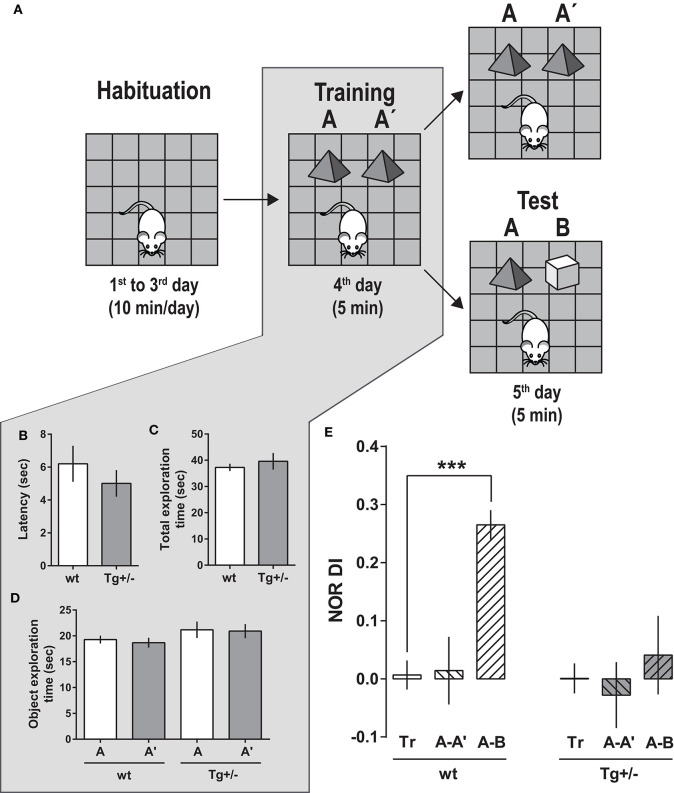
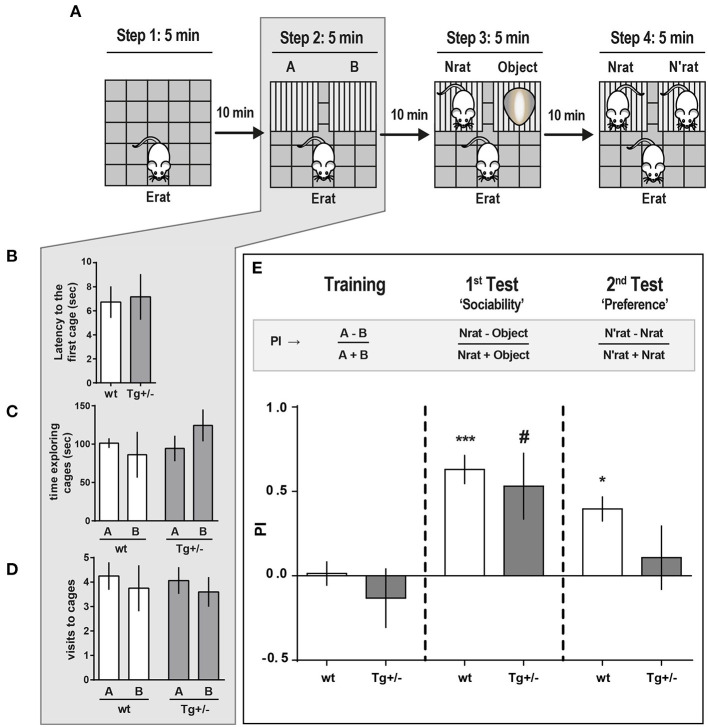
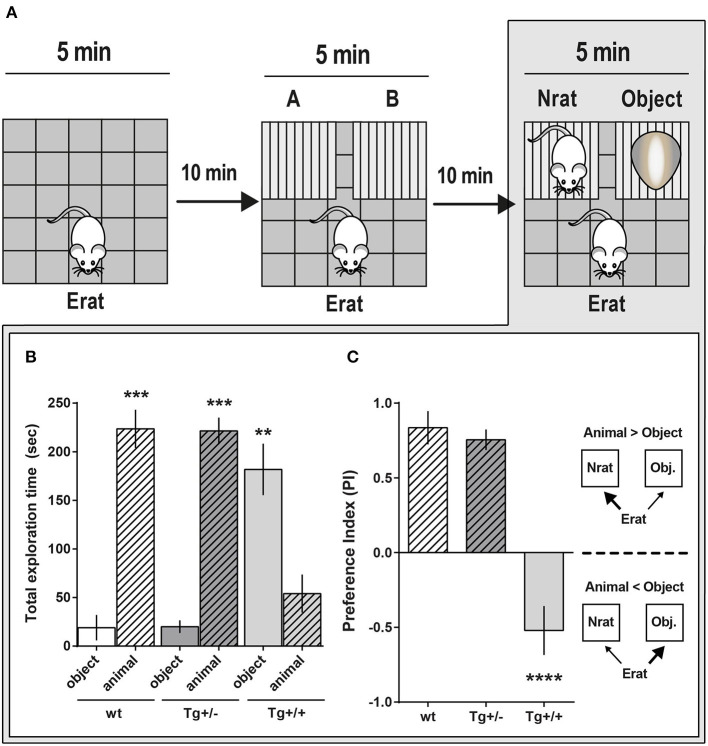
Accruing evidence supports the hypothesis that memory deficits in early Alzheimer Disease (AD) might be due to synaptic failure caused by accumulation of intracellular amyloid beta (Aβ) oligomers, then secreted to the extracellular media. Transgenic mouse AD models provide valuable information on AD pathology. However, the failure to translate these findings to humans calls for models that better recapitulate the human pathology. McGill-R-Thy1-APP transgenic (Tg) rat expresses the human amyloid precursor protein (APP751) with the Swedish and Indiana mutations (of familial AD), leading to an AD-like slow-progressing brain amyloid pathology. Therefore, it offers a unique opportunity to investigate learning and memory abilities at early stages of AD, when Aβ accumulation is restricted to the intracellular compartment, prior to plaque deposition. Our goal was to further investigate early deficits in memory, particularly long-term memory in McGill-R-Thy1-APP heterozygous (Tg+/-) rats. Short-term- and long-term habituation to an open field were preserved in 3-, 4-, and 6-month-old (Tg+/-). However, long-term memory of inhibitory avoidance to a foot-shock, novel object-recognition and social approaching behavior were seriously impaired in 4-month-old (Tg+/-) male rats, suggesting that they are unable to either consolidate and/or evoke such associative and discriminative memories with aversive, emotional and spatial components. The long-term memory deficits were accompanied by increased transcript levels of genes relevant to synaptic plasticity, learning and memory processing in the hippocampus, such as , and . Our findings indicate that in addition to the previously well-documented deficits in learning and memory, McGill-R-Thy1-APP rats display particular long-term-memory deficits and deep social behavior alterations at pre-plaque early stages of the pathology. This highlights the importance of Aβ oligomers and emphasizes the validity of the model to study AD-like early processes, with potentially predictive value.
越来越多的证据支持这样一种假说,即早期阿尔茨海默病(AD)中的记忆缺陷可能是由于细胞内淀粉样β(Aβ)寡聚体积累导致突触功能障碍,随后分泌到细胞外介质中。转基因小鼠AD模型为AD病理学提供了有价值的信息。然而,未能将这些发现转化到人类身上,这就需要能更好地重现人类病理学的模型。麦吉尔-R- Thy1-APP转基因(Tg)大鼠表达带有瑞典和印第安纳突变(家族性AD)的人类淀粉样前体蛋白(APP751),导致类似AD的缓慢进展性脑淀粉样病变。因此,它为研究AD早期阶段的学习和记忆能力提供了独特的机会,此时Aβ积累局限于细胞内区室,在斑块沉积之前。我们的目标是进一步研究麦吉尔-R- Thy1-APP杂合(Tg+/-)大鼠早期的记忆缺陷,特别是长期记忆。3、4和6月龄的(Tg+/-)大鼠对旷场的短期和长期习惯化得以保留。然而,4月龄的(Tg+/-)雄性大鼠对足部电击的抑制性回避、新物体识别和社交接近行为的长期记忆严重受损,这表明它们无法巩固和/或唤起具有厌恶、情感和空间成分的这种联想性和辨别性记忆。长期记忆缺陷伴随着海马体中与突触可塑性、学习和记忆处理相关基因的转录水平升高,如 、 和 。我们的研究结果表明,除了先前充分记录的学习和记忆缺陷外,麦吉尔-R- Thy1-APP大鼠在病理学的斑块前早期阶段还表现出特定的长期记忆缺陷和深度社交行为改变。这突出了Aβ寡聚体的重要性,并强调了该模型对于研究类似AD的早期过程的有效性,具有潜在的预测价值。