Koutsoumanis Konstantinos, Allende Ana, Alvarez-Ordóñez Avelino, Bolton Declan, Chemaly Marianne, Davies Robert, De Cesare Alessandra, Herman Lieve, Hilbert Friederike, Lindqvist Roland, Nauta Maarten, Peixe Luisa, Ru Giuseppe, Simmons Marion, Skandamis Panagiotis, Suffredini Elisabetta, Bekaert Karen, Cropotova Janna, García Míriam R, Messens Winy, Bover-Cid Sara
EFSA J. 2021 Jan 28;19(1):e06378. doi: 10.2903/j.efsa.2021.6378. eCollection 2021 Jan.
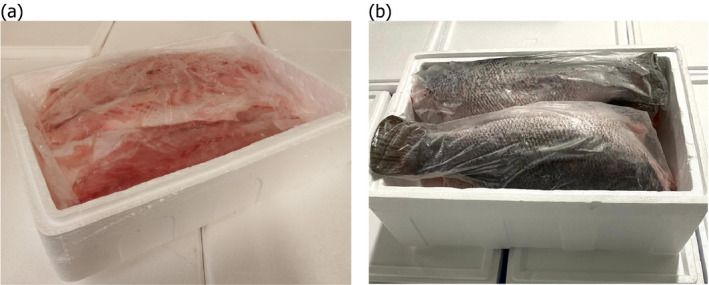
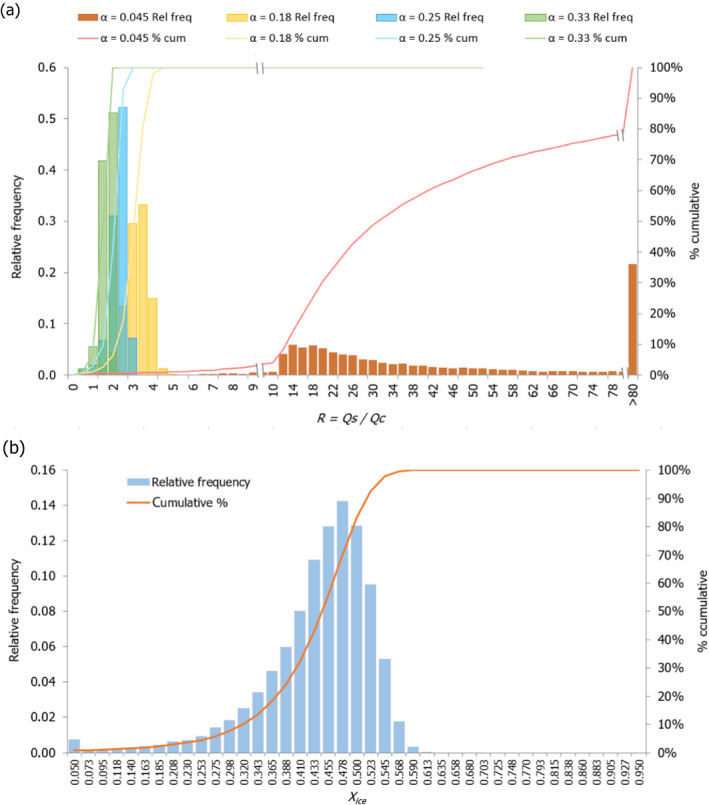
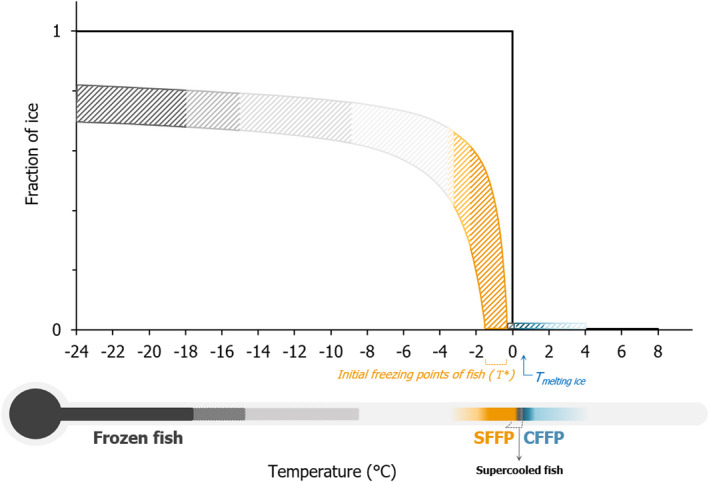
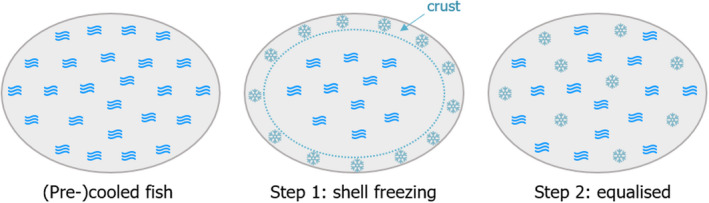
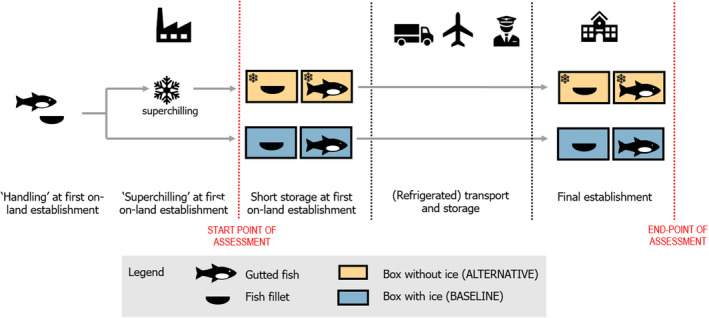
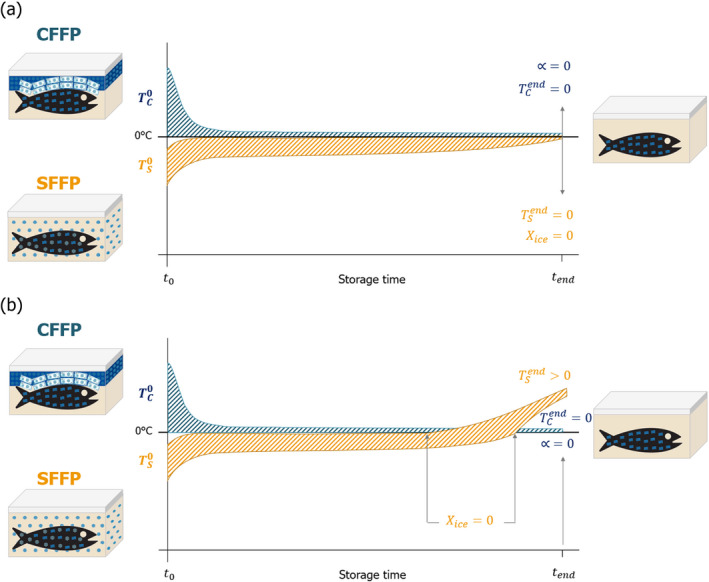
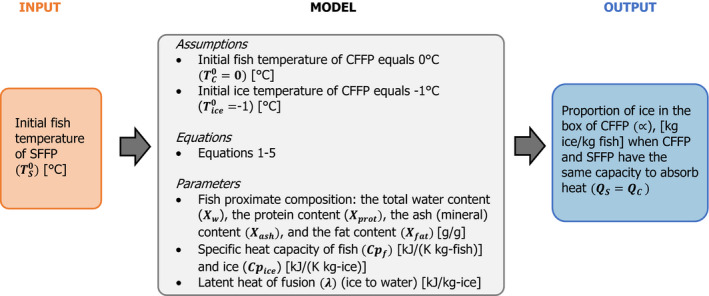
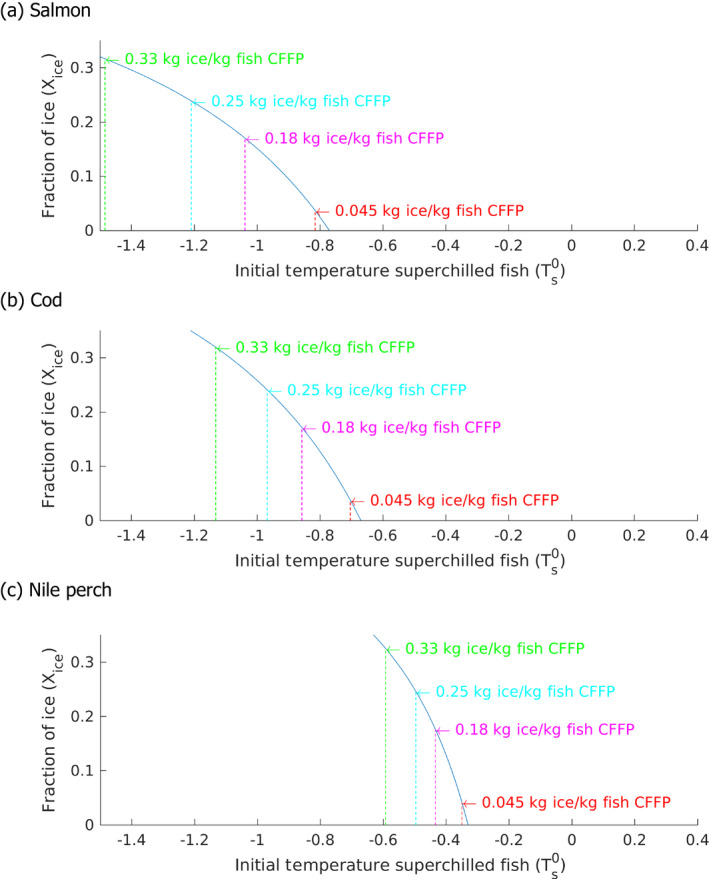
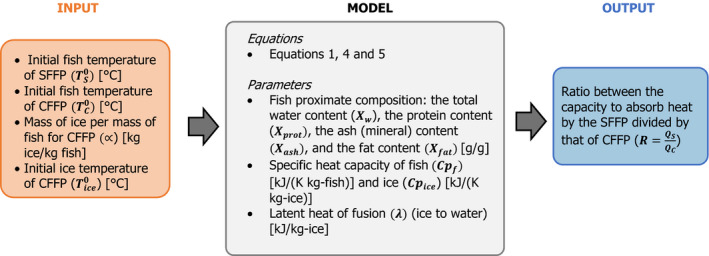
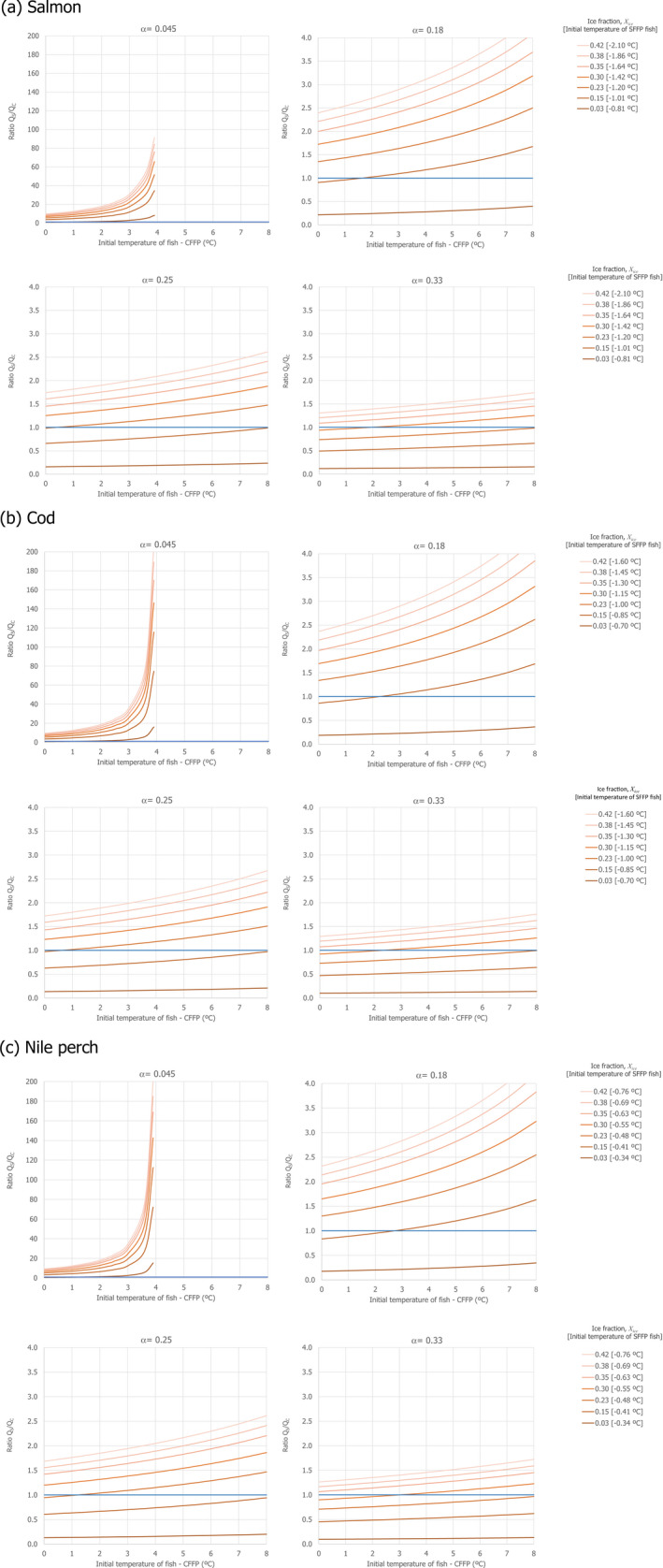
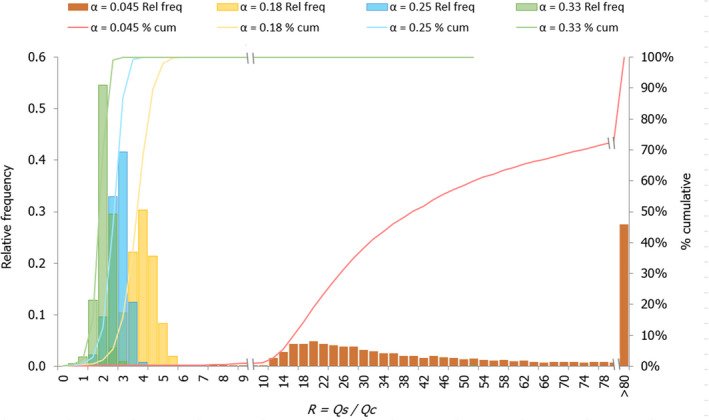
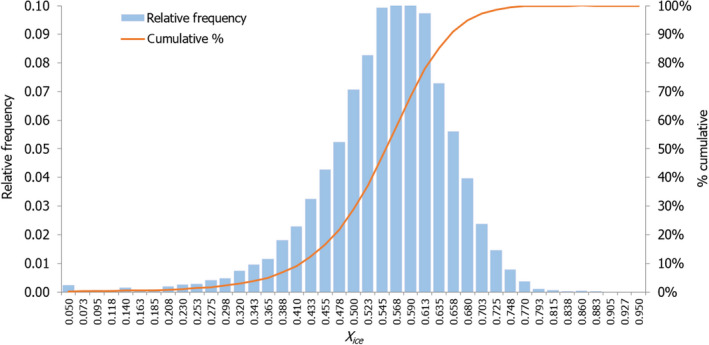
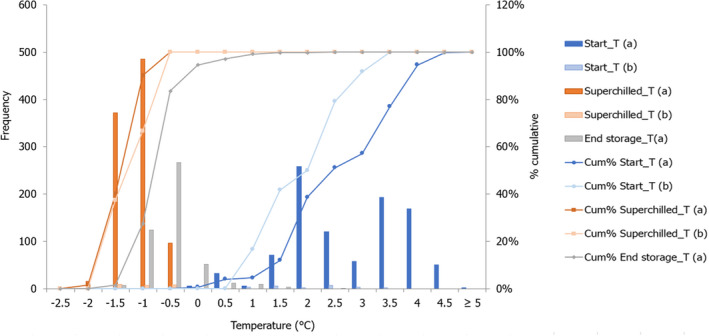
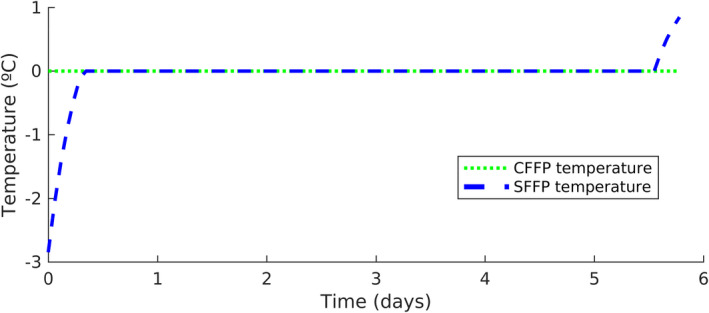
Superchilling entails lowering the fish temperature to between the initial freezing point of the fish and about 1-2°C lower. The temperature of superchilled fresh fishery products (SFFP) in boxes without ice was compared to that of products subject to the currently authorised practice in boxes with ice (CFFP) under the same conditions of on-land storage and/or transport. A heat transfer model was developed and made available as a tool to identify under which initial configurations of SFFP the fish temperature, at any time of storage/transport, is lower or equal to CFFP. A minimum degree of superchilling, corresponding to an ice fraction in the fish matrix of SFFP equal or higher than the proportion of ice added per mass of fish in CFFP, will ensure with 99-100% certainty (almost certain) that the fish temperature of SFFP and the consequent increase of relevant hazards will be lower or equal to that of CFFP. In practice, the degree of superchilling can be estimated using the fish temperature after superchilling and its initial freezing point, which are subject to uncertainties. The tool can be used as part of 'safety-by-design' approach, with the reliability of its outcome being dependent on the accuracy of the input data. An evaluation of methods capable of detecting whether a previously frozen fish is commercially presented as 'superchilled' was carried out based on, amongst others, their applicability for different fish species, ability to differentiate fresh fish from fish frozen at different temperatures, use as a stand-alone method, ease of use and classification performance. The methods that were considered 'fit for purpose' are Hydroxyacyl-coenzyme A dehydrogenase (HADH) test, α-glucosidase test, histology, ultraviolet-visible-near-infrared (UV-VIS/NIR) spectroscopy and hyperspectral imaging. These methods would benefit from standardisation, including the establishment of threshold values or classification algorithms to provide a practical routine test.
过冷是指将鱼的温度降低到鱼的初始冰点至比其低约1-2°C之间。在陆地储存和/或运输的相同条件下,对无冰箱中过冷的新鲜渔业产品(SFFP)的温度与有冰箱中采用当前授权做法的产品(CFFP)的温度进行了比较。开发了一个传热模型,并将其作为一种工具,以确定在SFFP的哪些初始配置下,在储存/运输的任何时间,鱼的温度低于或等于CFFP。最低过冷度,对应于SFFP鱼基质中的冰分数等于或高于CFFP中每单位质量鱼添加的冰的比例,将以99-100%的确定性(几乎确定)确保SFFP的鱼温度以及相关危害的相应增加将低于或等于CFFP。在实践中,过冷度可以使用过冷后的鱼温度及其初始冰点来估计,这两者都存在不确定性。该工具可作为“设计安全”方法的一部分使用,其结果的可靠性取决于输入数据的准确性。基于其对不同鱼类的适用性、区分新鲜鱼与在不同温度下冷冻的鱼的能力、作为独立方法的用途、易用性和分类性能等,对能够检测先前冷冻的鱼是否作为“过冷”商业销售的方法进行了评估。被认为“适用”的方法有羟酰基辅酶A脱氢酶(HADH)测试、α-葡萄糖苷酶测试、组织学、紫外-可见-近红外(UV-VIS/NIR)光谱和高光谱成像。这些方法将受益于标准化,包括建立阈值或分类算法以提供实际的常规测试。