Nielsen Søren Saxmose, Alvarez Julio, Bicout Dominique Joseph, Calistri Paolo, Depner Klaus, Drewe Julian Ashley, Garin-Bastuji Bruno, Gonzales Rojas José Luis, Gortázar Schmidt Christian, Herskin Mette, Michel Virginie, Miranda Chueca Miguel Ángel, Pasquali Paolo, Roberts Helen Clare, Sihvonen Liisa Helena, Spoolder Hans, Ståhl Karl, Velarde Antonio, Viltrop Arvo, Winckler Christoph, De Clercq Kris, Klement Eyal, Stegeman Jan Arend, Gubbins Simon, Antoniou Sotiria-Eleni, Broglia Alessandro, Van der Stede Yves, Zancanaro Gabriele, Aznar Inma
EFSA J. 2021 Jan 31;19(1):e06402. doi: 10.2903/j.efsa.2021.6402. eCollection 2021 Jan.
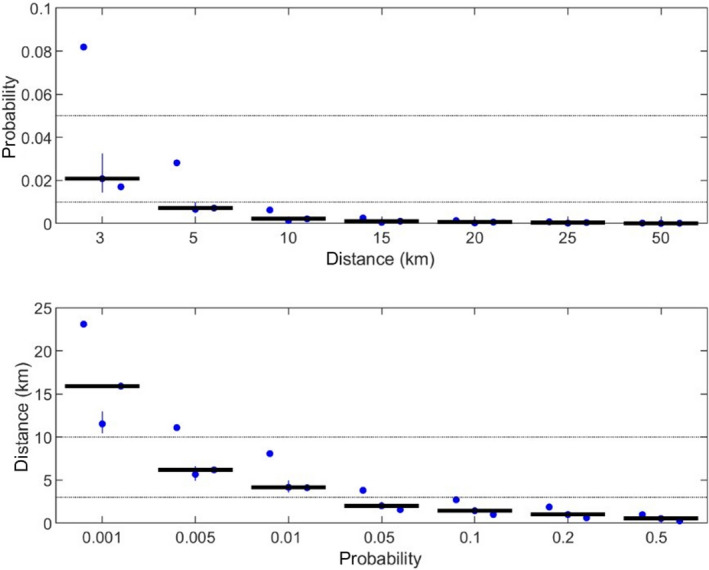
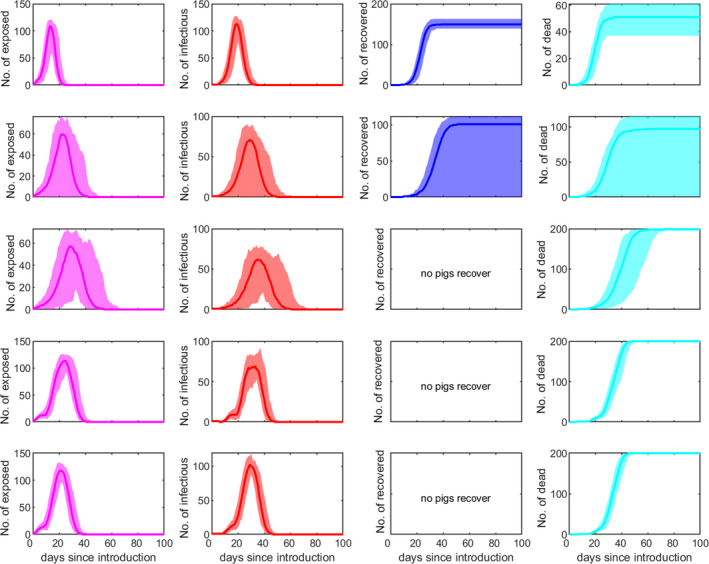
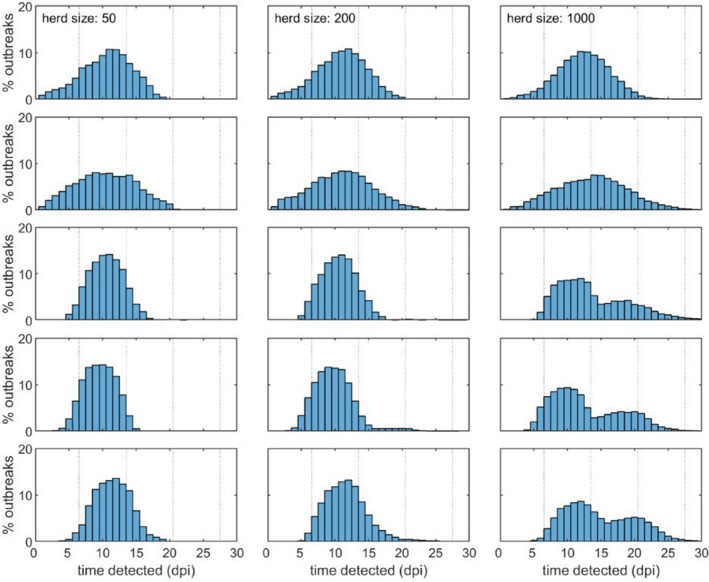
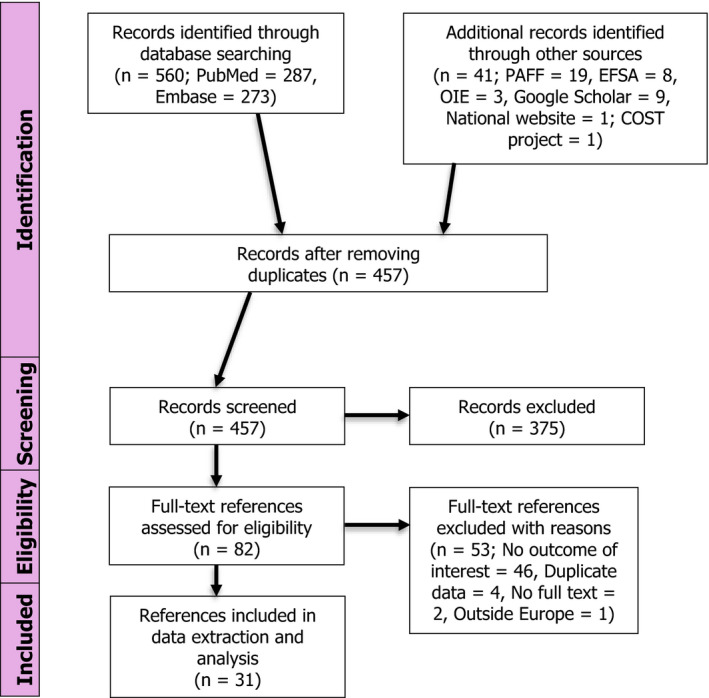
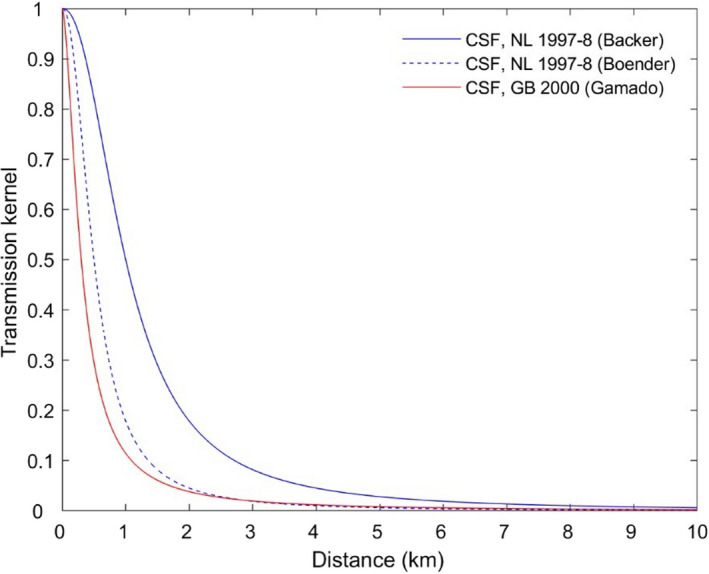
EFSA received a mandate from the European Commission to assess the effectiveness of some of the control measures against diseases included in the Category A list according to Regulation (EU) 2016/429 on transmissible animal diseases ('Animal Health Law'). This opinion belongs to a series of opinions where these control measures will be assessed, with this opinion covering the assessment of control measures for African Swine Fever (ASF). In this opinion, EFSA and the AHAW Panel of experts reviewed the effectiveness of: (i) clinical and laboratory sampling procedures, (ii) monitoring period and (iii) the minimum radius of the protection and surveillance zone, and the minimum length of time the measures should be applied in these zones. The general methodology used for this series of opinions has been published elsewhere; nonetheless, specific details of the model used for the assessment of the laboratory sampling procedures for ASF are presented here. Here, also, the transmission kernels used for the assessment of the minimum radius of the protection and surveillance zones are shown. Several scenarios for which these control measures had to be assessed were designed and agreed prior to the start of the assessment. In summary, several sampling procedures as described in the diagnostic manual for ASF were considered ineffective and a suggestion to exclude, or to substitute with more effective procedures was made. The monitoring period was assessed as non-effective for several scenarios and a longer monitoring period was suggested to ensure detection of potentially infected herds. It was demonstrated that the surveillance zone comprises 95% of the infections from an affected establishment, and therefore is considered effective. Recommendations provided for each of the scenarios assessed aim to support the European Commission in the drafting of further pieces of legislation, as well as for plausible ad hoc requests in relation to ASF.
欧洲食品安全局(EFSA)收到欧盟委员会的授权,根据关于可传播动物疾病的(EU)2016/429号法规(“动物卫生法”),评估针对A类清单中所列疾病的一些控制措施的有效性。本意见属于一系列将对这些控制措施进行评估的意见,本意见涵盖对非洲猪瘟(ASF)控制措施的评估。在本意见中,EFSA和动物卫生与福利专家小组审查了以下方面的有效性:(i)临床和实验室采样程序,(ii)监测期,以及(iii)保护和监测区的最小半径,以及这些措施应在这些区域应用的最短时间。用于这一系列意见的一般方法已在其他地方发表;尽管如此,此处介绍了用于评估ASF实验室采样程序的模型的具体细节。此外,还展示了用于评估保护和监测区最小半径的传播核。在评估开始之前,设计并商定了必须对这些控制措施进行评估的几种情景。总之,ASF诊断手册中描述的几种采样程序被认为无效,并提出了排除或用更有效程序替代的建议。在几种情景中,监测期被评估为无效,并建议延长监测期以确保检测到潜在感染的畜群。结果表明,监测区包含了受影响场所95%的感染病例,因此被认为是有效的。针对所评估的每种情景提供的建议旨在支持欧盟委员会起草进一步的立法,以及应对与ASF相关的合理临时请求。