Kwan Hiu Yee, Xu Qinghua, Gong Ruihong, Bian Zhaoxiang, Chu Chih-Chang
School of Chinese Medicine, Hong Kong Baptist University, Hong Kong, China.
Biomedical Engineering Field, and Fiber Science Program, Department of Fiber Science and Apparel Design, Cornell University, Ithaca, NY, United States.
Front Oncol. 2021 Jan 20;10:600298. doi: 10.3389/fonc.2020.600298. eCollection 2020.
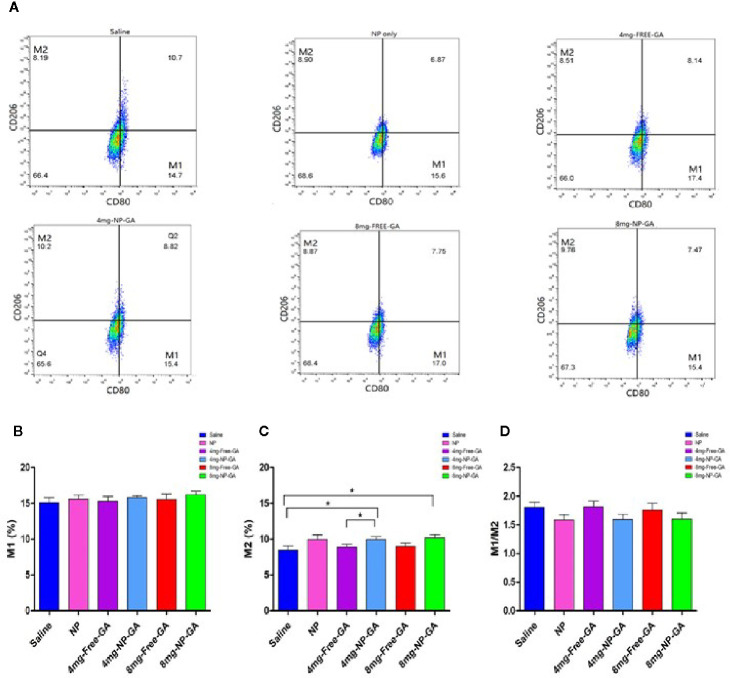
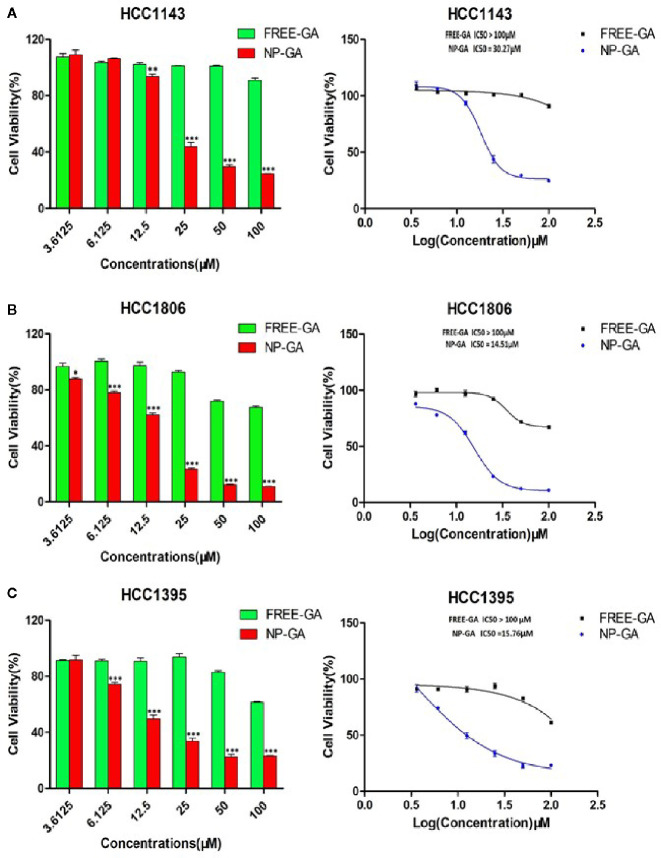
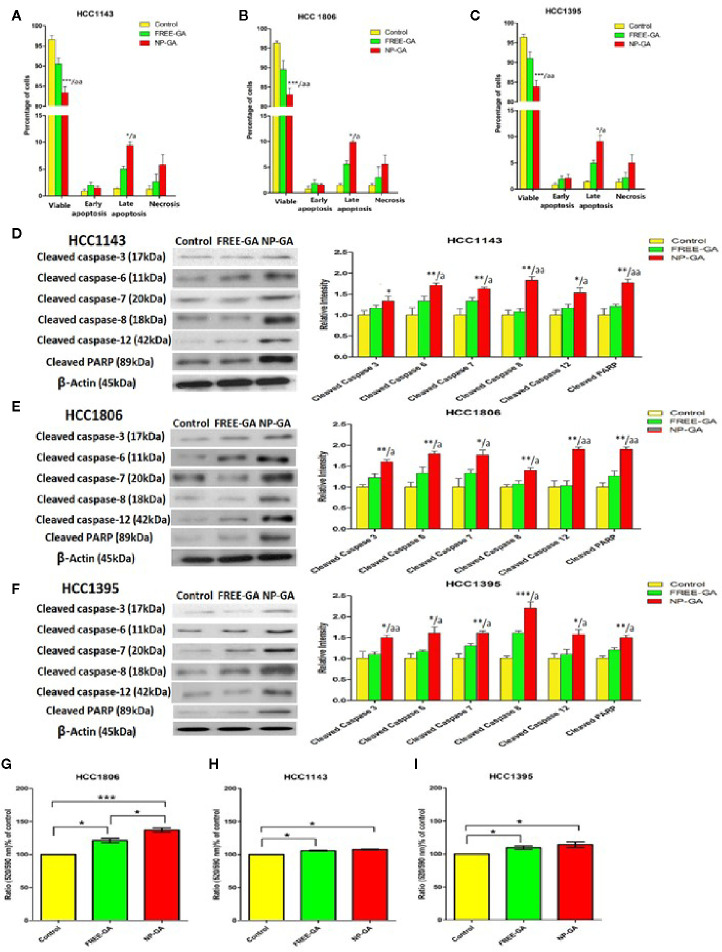
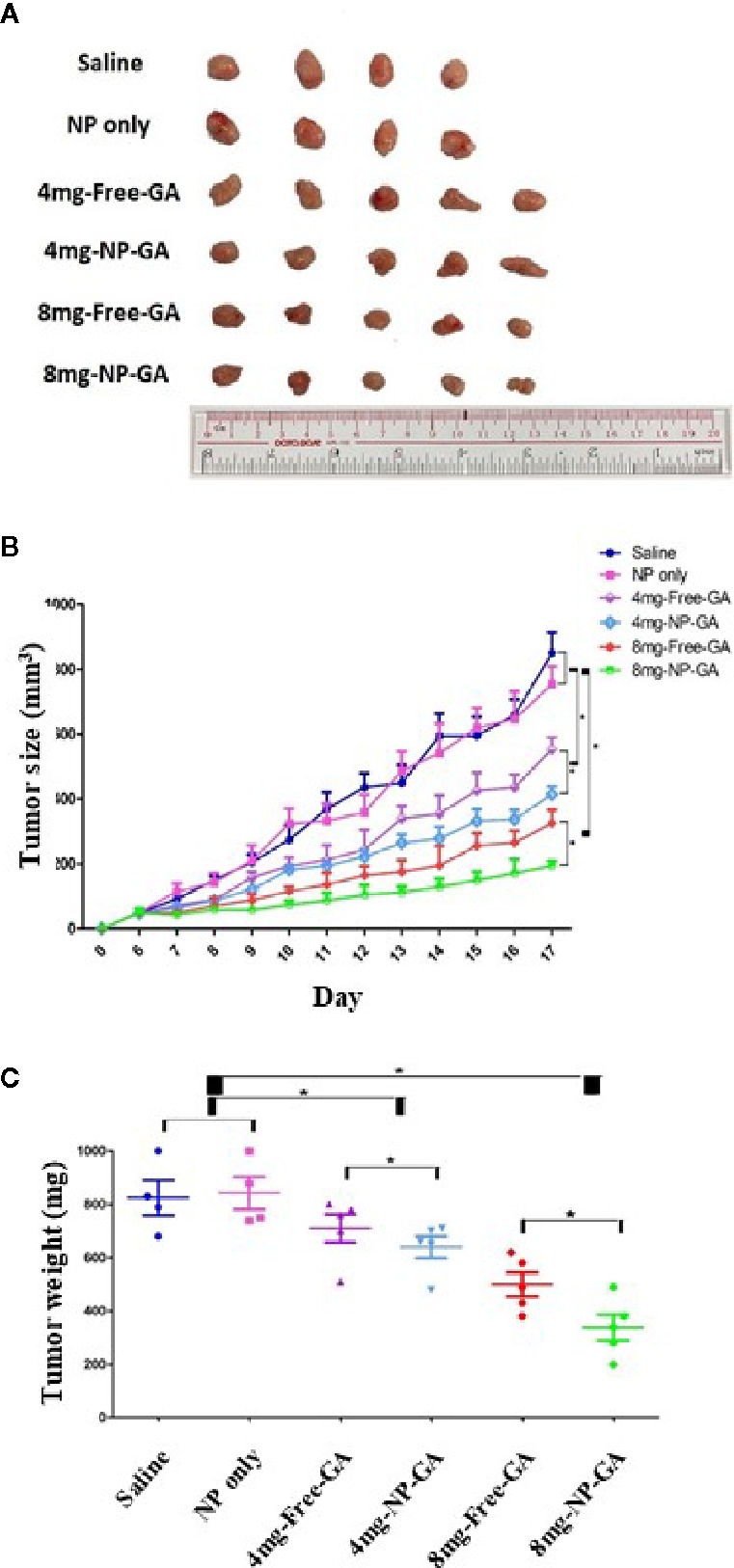
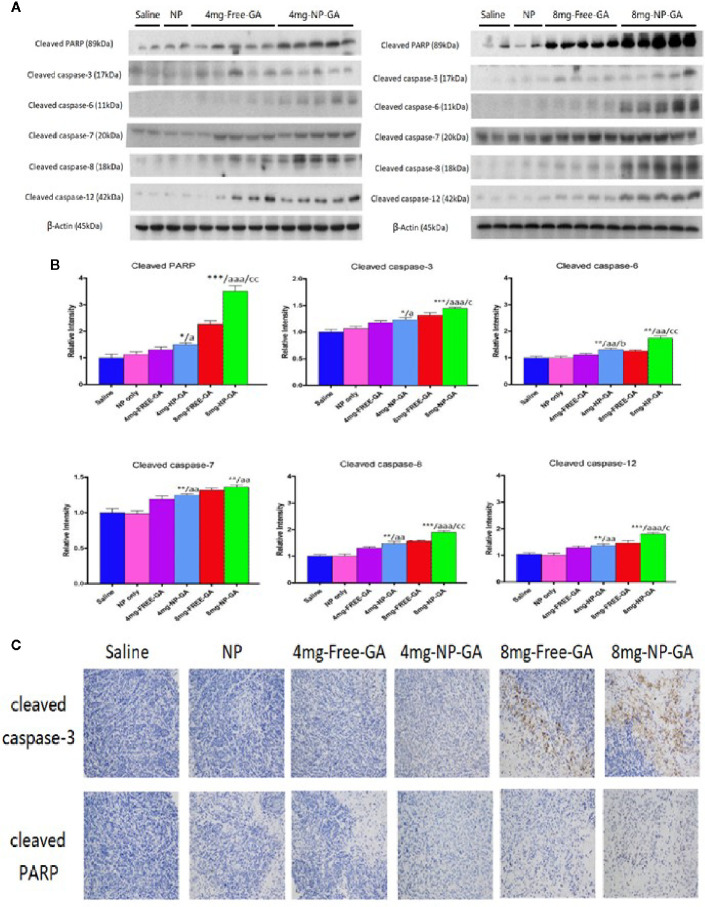
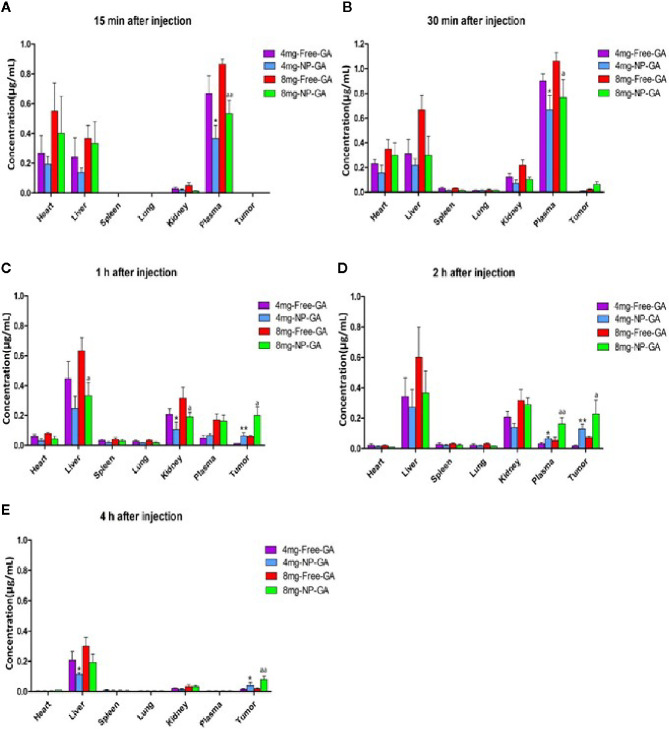
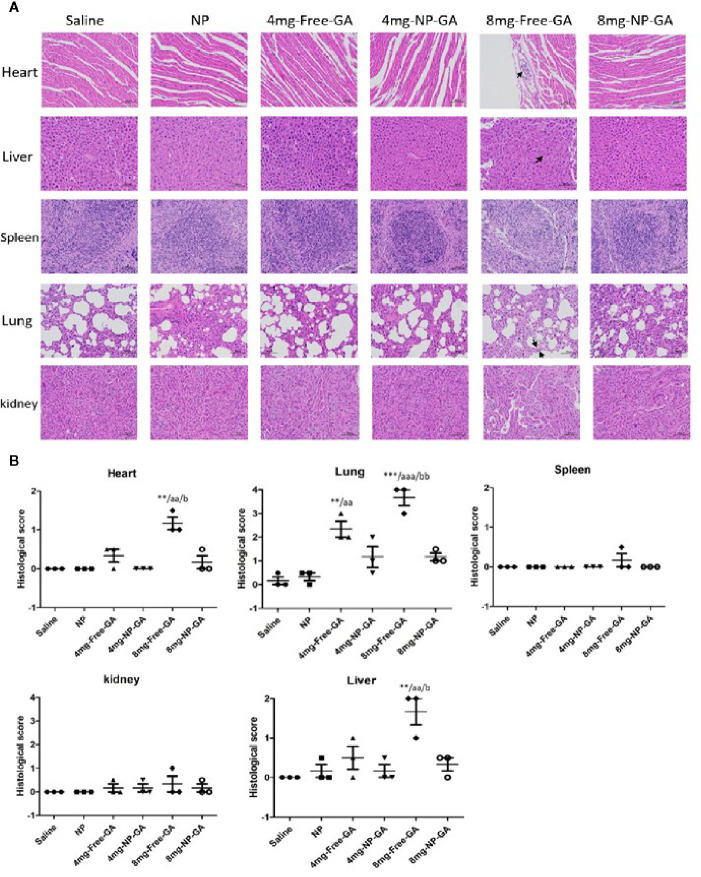
Triple negative breast cancer (TNBC) has the worst overall survival among all breast cancer subtypes; 80% of TNBC harbors TP53 mutation. Gambogic acid (GA) is an herbal compound isolated from the dry brownish gamboge resin of . A new family of biodegradable polymer, the folate (FA)-conjugated arginine-based poly(ester urea urethane)s nanoparticles (FA-Arg-PEUU NP), was developed as nano-carrier for GA. Its anti-TNBC effects and the underlying mechanism of action were examined. The average diameters of FA-Arg-PEUU NP and GA-loaded FA-Arg-PEUU NP (NP-GA) in water are around 165 and 220nm, respectively. Rhodamine-tagged FA-Arg-PEUU NP shows that the conjugation of FA onto Arg-PEUU NPs facilitates the internalization of FA-Arg-PEUU-NP into TNBC. Compared to free-GA at the same GA concentrations, NP-GA exhibits higher cytotoxicity in both TP53-mutated and non-TP53 expressed TNBC cells by increasing intrinsic and extrinsic apoptosis. In HCC1806-bearing xenograft mouse model, the targeted delivery of GA by the FA-Arg-PEUU-NP nano-carriers to the tumor sites results in a more potent anti-TNBC effect and lower toxicity towards normal tissues and organs when compared to free GA. Furthermore, NP-GA also reduces the tumor-associated macrophage (TAM) M1/M2 ratio, suggesting that the use of Arg-based nanoparticles as carriers for GA not only makes the surface of the nanoparticles positively charged, but also confers on to the nanoparticles an ability to modulate TAM polarization. Our data clearly demonstrate that NP-GA exhibits potent anti-TNBC effects with reduced off-target toxicity, which represents novel alternative targeted therapeutics for TNBC treatment.
三阴性乳腺癌(TNBC)在所有乳腺癌亚型中总体生存率最差;80%的TNBC存在TP53突变。藤黄酸(GA)是从干燥的棕黄色藤黄树脂中分离出的一种草药化合物。一种新型的可生物降解聚合物,即叶酸(FA)偶联的基于精氨酸的聚(酯脲聚氨酯)纳米颗粒(FA-Arg-PEUU NP),被开发用作GA的纳米载体。研究了其抗TNBC作用及潜在作用机制。FA-Arg-PEUU NP和载GA的FA-Arg-PEUU NP(NP-GA)在水中的平均直径分别约为165和220nm。罗丹明标记的FA-Arg-PEUU NP表明,FA与Arg-PEUU NPs的偶联促进了FA-Arg-PEUU-NP内化进入TNBC。与相同GA浓度的游离GA相比,NP-GA通过增加内源性和外源性凋亡,在TP53突变和非TP53表达的TNBC细胞中均表现出更高的细胞毒性。在携带HCC1806的异种移植小鼠模型中,与游离GA相比,FA-Arg-PEUU-NP纳米载体将GA靶向递送至肿瘤部位可产生更强的抗TNBC作用,且对正常组织和器官的毒性更低。此外,NP-GA还降低了肿瘤相关巨噬细胞(TAM)的M1/M2比值,这表明使用基于精氨酸的纳米颗粒作为GA的载体不仅使纳米颗粒表面带正电荷,还赋予纳米颗粒调节TAM极化的能力。我们的数据清楚地表明,NP-GA具有强大的抗TNBC作用,且脱靶毒性降低,这代表了TNBC治疗的新型替代靶向疗法。