Azad Gajendra Kumar
Department of Zoology, Patna University, Patna, 800005, Bihar, India.
Heliyon. 2021 Feb;7(2):e06167. doi: 10.1016/j.heliyon.2021.e06167. Epub 2021 Feb 1.
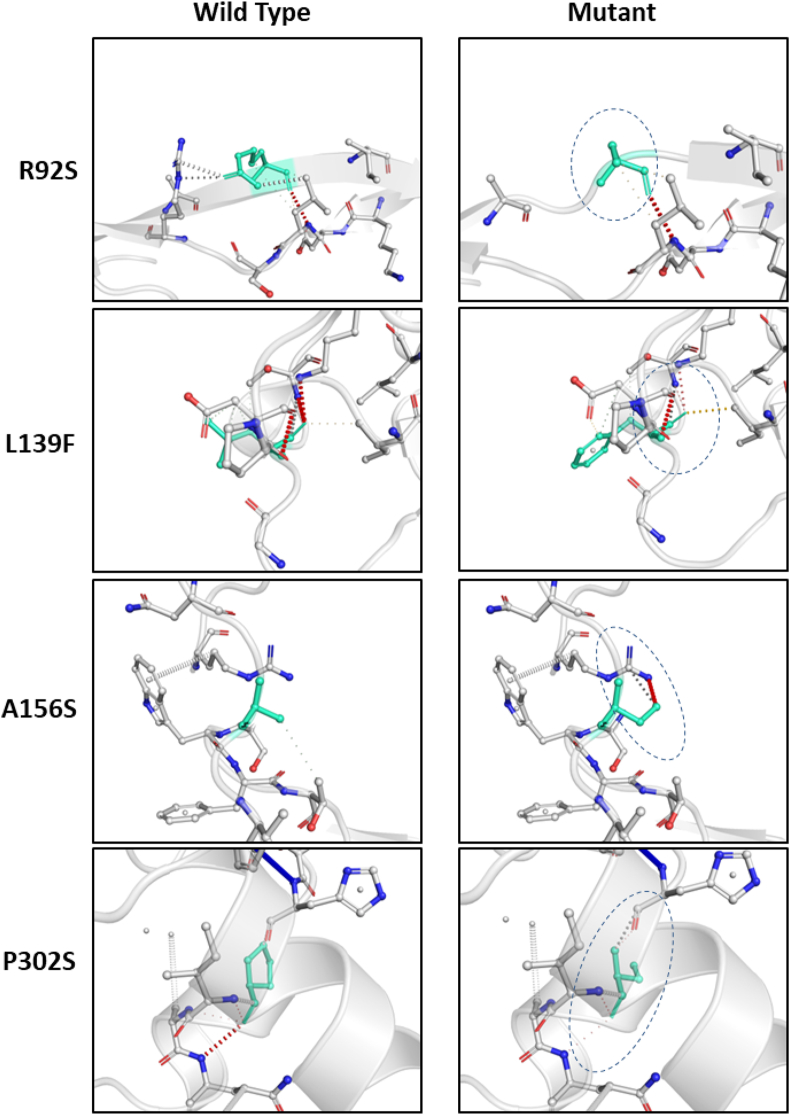
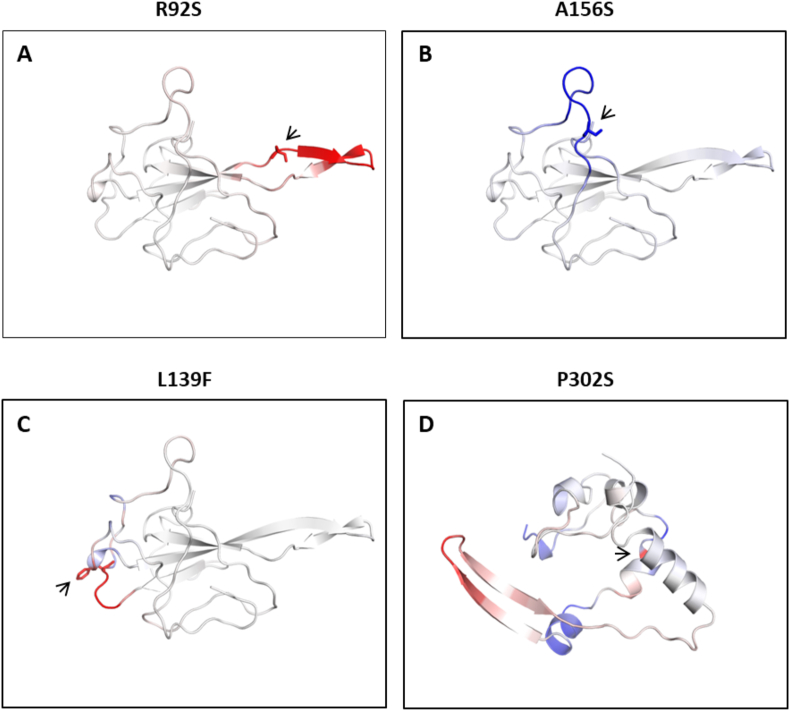
Coronavirus disease- 2019 (COVID-19) has rapidly become a major threat to humans due to its high infection rate and deaths caused worldwide. This disease is caused by an RNA virus, Severe Acquired Respiratory Syndrome -Corona Virus-2 (SARS-CoV-2). This class of viruses have a high rate of mutation than DNA viruses that enables them to adapt and also evade host immune system. Here, we compared the first known Nucleocapsid Phosphoprotein (N protein) sequence of SARS-CoV-2 from China with the sequences from Indian COVID-19 patients to understand, if this virus is also mutating, as it is spreading to new locations. Our data revealed twenty mutations present among Indian isolates. Out of these, mutation at six positions led to changes in the secondary structure of N protein. Further, we also show that these mutations are primarily destabilising the protein structure. The candidate mutations identified in this study may help to speed up the understanding of variations occurring in SARS-CoV-2.
2019冠状病毒病(COVID-19)因其高感染率和在全球范围内造成的死亡人数,迅速成为对人类的重大威胁。这种疾病由一种RNA病毒——严重急性呼吸综合征冠状病毒2(SARS-CoV-2)引起。这类病毒的突变率高于DNA病毒,这使它们能够适应并逃避免疫系统。在此,我们将中国首次发现的SARS-CoV-2核衣壳磷蛋白(N蛋白)序列与印度COVID-19患者的序列进行比较,以了解这种病毒在传播到新地区时是否也在发生突变。我们的数据显示,印度分离株中有20个突变。其中,六个位置的突变导致了N蛋白二级结构的变化。此外,我们还表明,这些突变主要使蛋白质结构不稳定。本研究中确定的候选突变可能有助于加快对SARS-CoV-2中发生变异的理解。