Embryology Unit, Children's Medical Research Institute, The University of Sydney, Sydney, Australia.
The University of Sydney, School of Medical Sciences, Faculty of Medicine and Health, Sydney, Australia.
Elife. 2021 Feb 8;10:e62873. doi: 10.7554/eLife.62873.
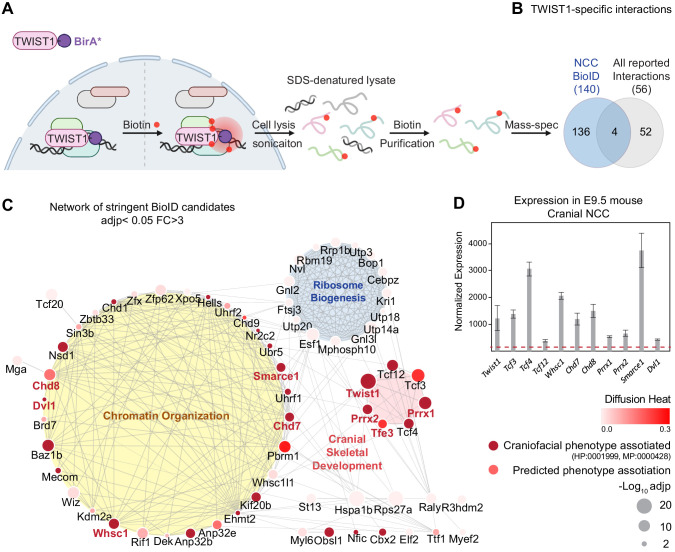
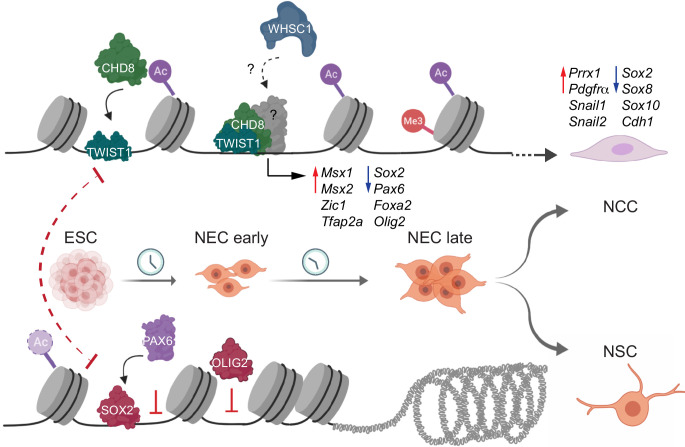
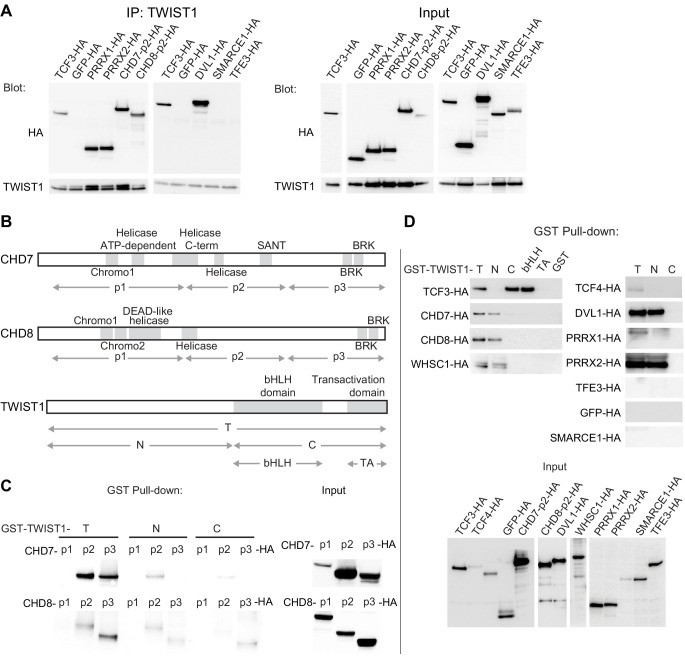
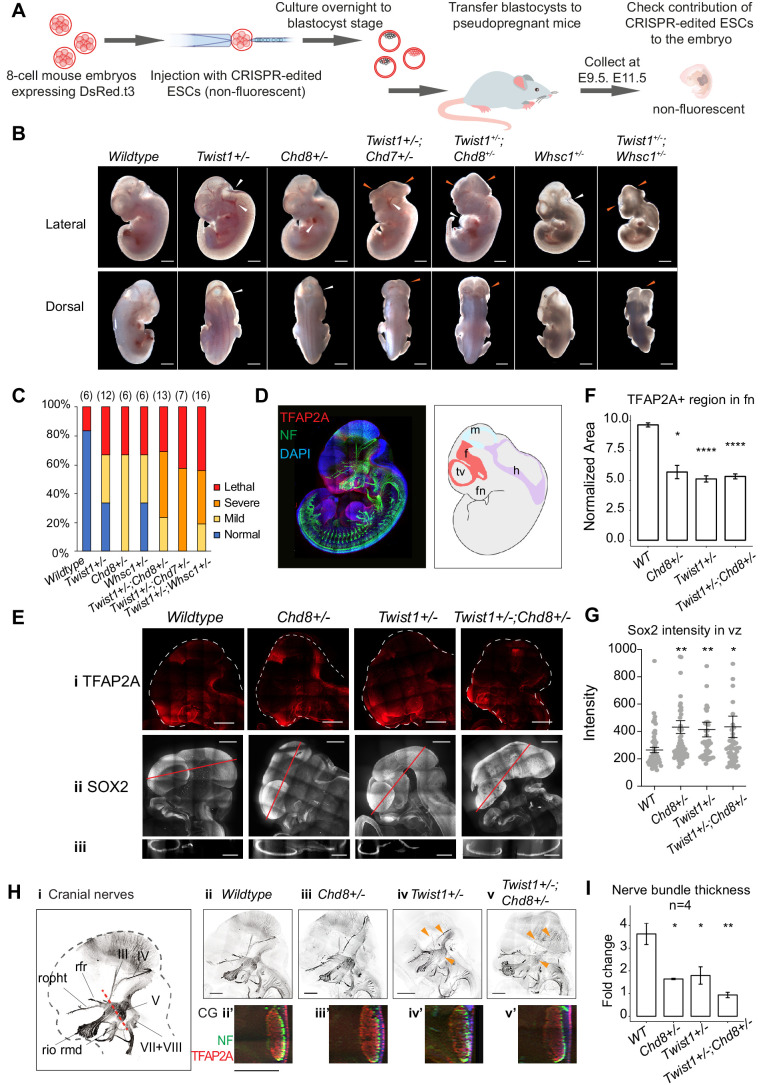
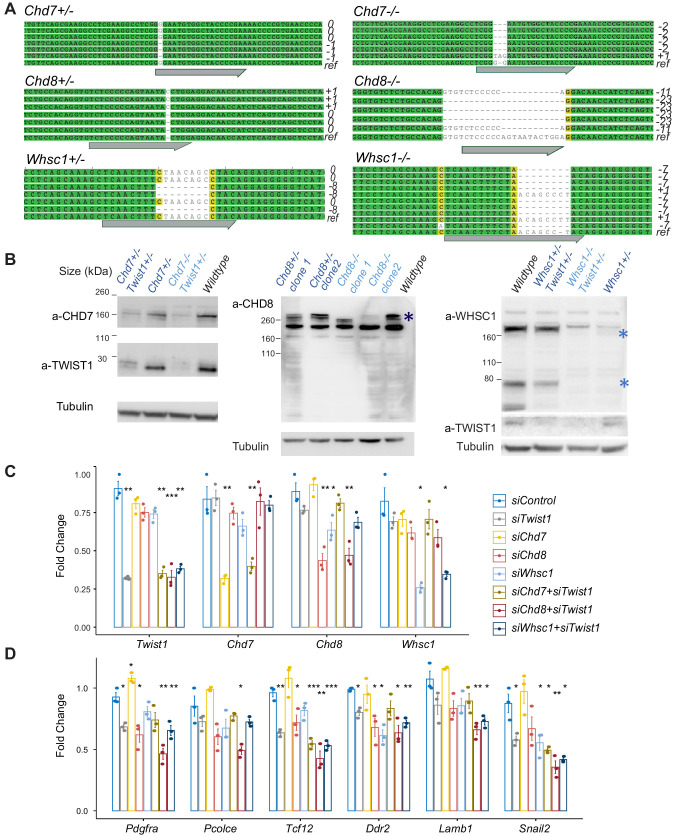
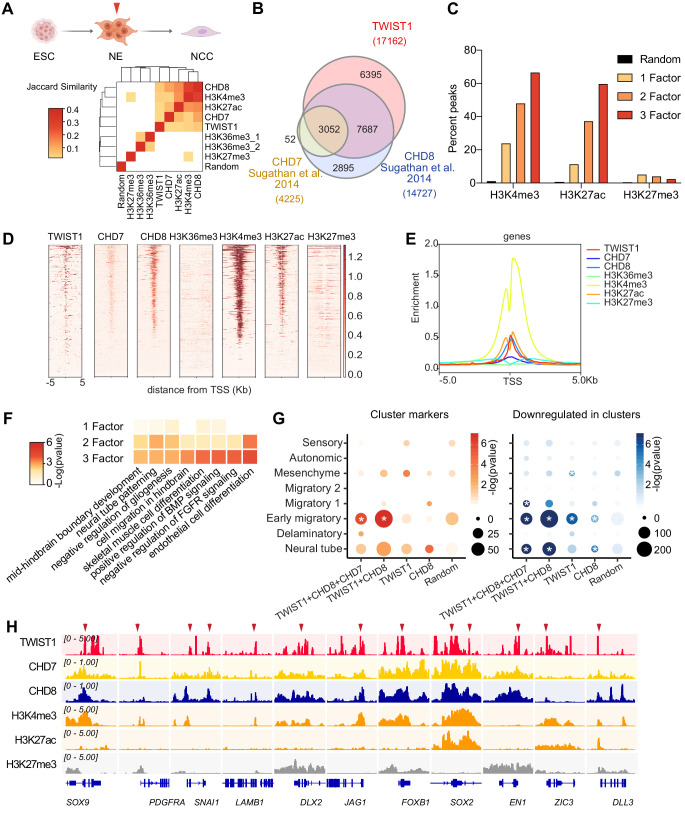
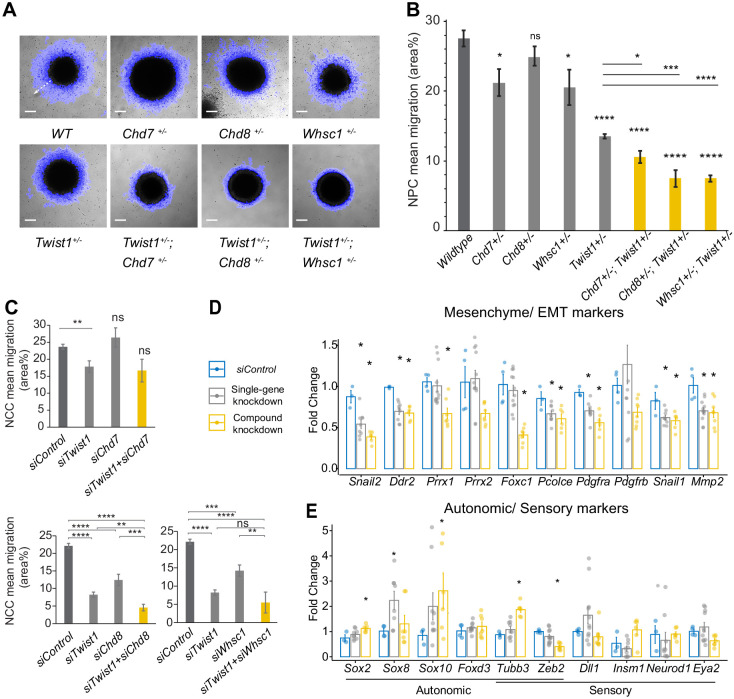
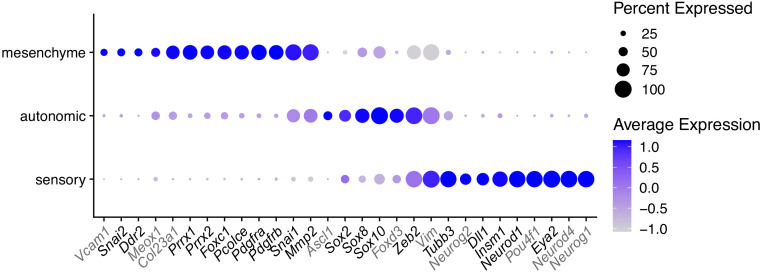
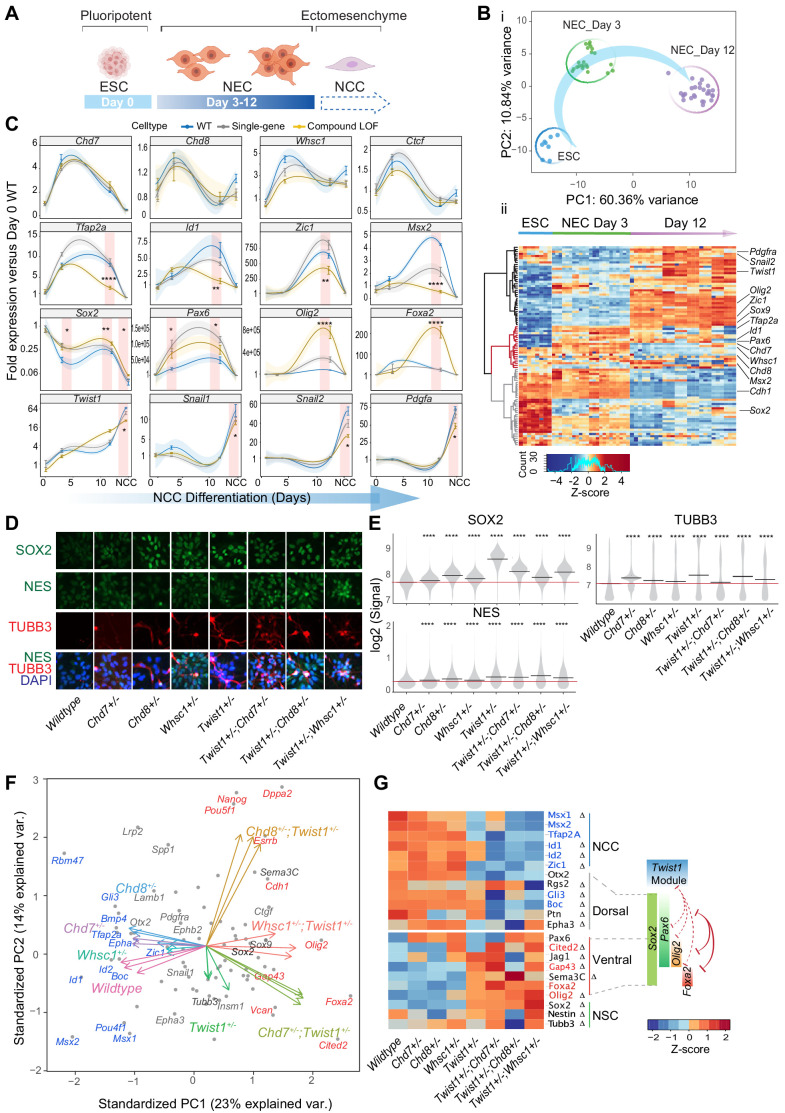
Protein interaction is critical molecular regulatory activity underlining cellular functions and precise cell fate choices. Using TWIST1 BioID-proximity-labeling and network propagation analyses, we discovered and characterized a TWIST-chromatin regulatory module (TWIST1-CRM) in the neural crest cells (NCC). Combinatorial perturbation of core members of TWIST1-CRM: TWIST1, CHD7, CHD8, and WHSC1 in cell models and mouse embryos revealed that loss of the function of the regulatory module resulted in abnormal differentiation of NCCs and compromised craniofacial tissue patterning. Following NCC delamination, low level of TWIST1-CRM activity is instrumental to stabilize the early NCC signatures and migratory potential by repressing the neural stem cell programs. High level of TWIST1 module activity at later phases commits the cells to the ectomesenchyme. Our study further revealed the functional interdependency of TWIST1 and potential neurocristopathy factors in NCC development.
蛋白质相互作用是细胞功能和精确细胞命运选择的关键分子调节活动。使用 TWIST1 BioID 邻近标记和网络传播分析,我们在神经嵴细胞 (NCC) 中发现并表征了一个 TWIST-染色质调节模块 (TWIST1-CRM)。在细胞模型和小鼠胚胎中对 TWIST1-CRM 的核心成员 TWIST1、CHD7、CHD8 和 WHSC1 进行组合干扰,结果表明调节模块功能的丧失导致 NCC 异常分化,并损害颅面组织模式形成。在 NCC 分层后,TWIST1-CRM 活性的低水平通过抑制神经干细胞程序来稳定早期 NCC 特征和迁移潜能。在后期,TWIST1 模块活性的高水平使细胞向中胚层外胚层细胞分化。我们的研究进一步揭示了 TWIST1 和 NCC 发育中潜在神经嵴病变因素之间的功能相互依赖关系。