Rachtanapun Pornchai, Klunklin Warinporn, Jantrawut Pensak, Leksawasdi Noppol, Jantanasakulwong Kittisak, Phimolsiripol Yuthana, Seesuriyachan Phisit, Chaiyaso Thanongsak, Ruksiriwanich Warintorn, Phongthai Suphat, Sommano Sarana Rose, Punyodom Winita, Reungsang Alissara, Ngo Thi Minh Phuong
School of Agro-Industry, Faculty of Agro-Industry, Chiang Mai University, Chiang Mai 50100, Thailand.
The Cluster of Agro Bio-Circular-Green Industry (Agro BCG), Chiang Mai University, Chiang Mai 50100, Thailand.
Polymers (Basel). 2021 Feb 4;13(4):488. doi: 10.3390/polym13040488.
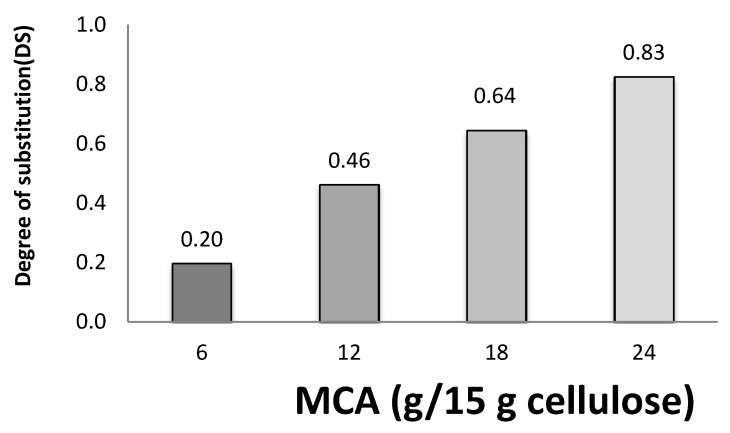
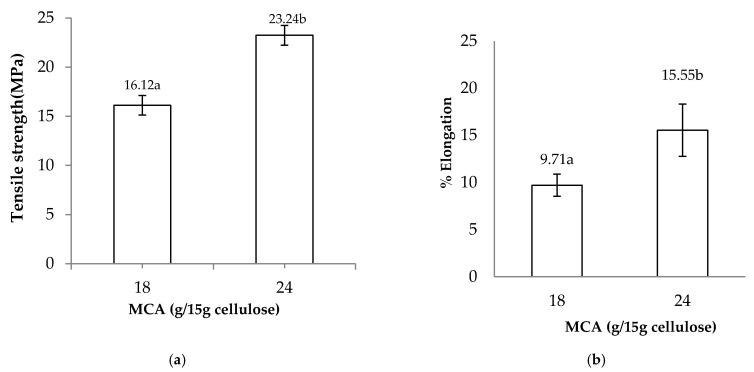
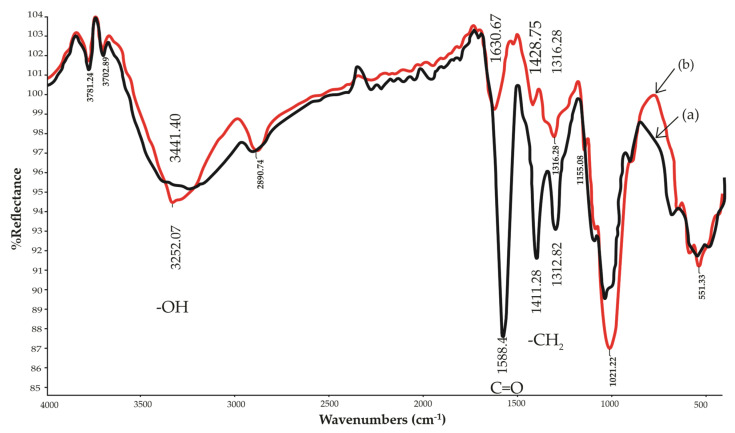
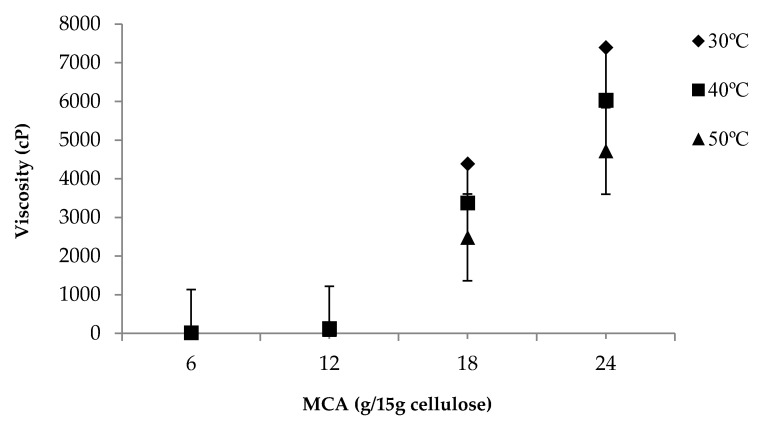
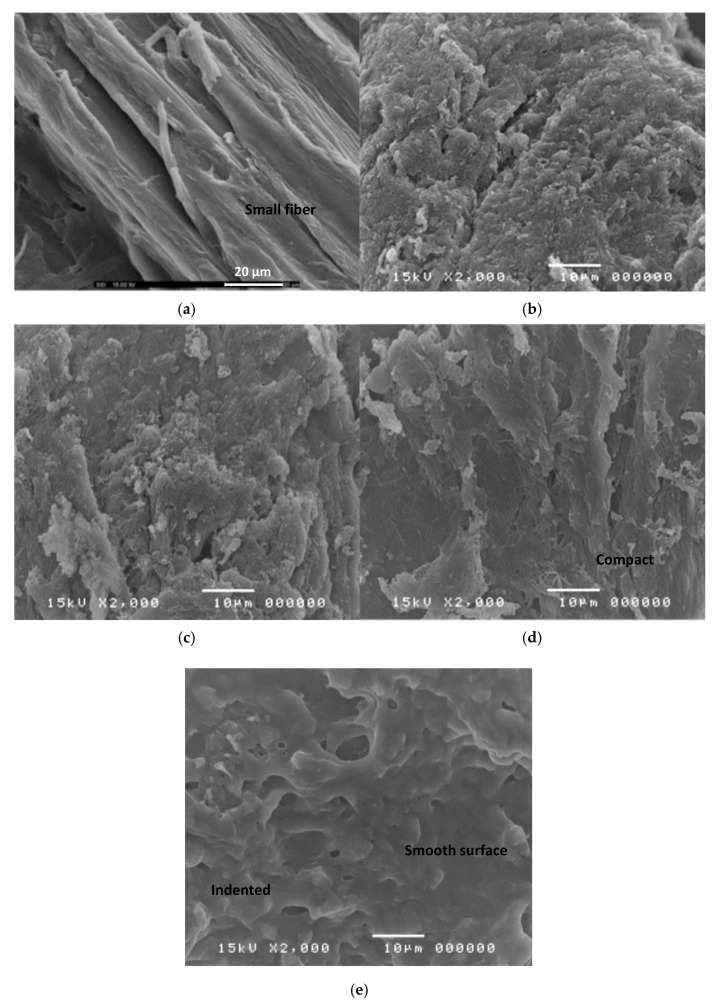
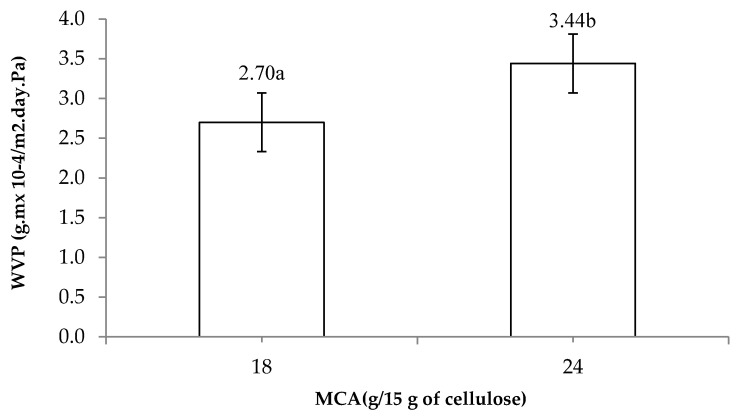
Nata de coco has been used as a raw material for food preparation. In this study, the production of carboxymethyl cellulose (CMC) film from nata de coco and the effect of monochloroacetic acid on carboxymethyl bacterial cellulose (CMC) and its film were investigated. Bacterial cellulose from nata de coco was modified into CMC form via carboxymethylation using various concentrations of monochloroacetic acid (MCA) at 6, 12, 18, and 24 g per 15 g of cellulose. The results showed that different concentrations of MCA affected the degree of substitution (DS), chemical structure, viscosity, color, crystallinity, and morphology of CMC. The optimum treatment for carboxymethylation was found using 24 g of MCA per 15 g of cellulose, which provided the highest DS at 0.83. The morphology of CMC was related to DS value; a higher DS value showed denser and smoother surface than nata de coco cellulose. The various MCA concentrations increased the mechanical properties (tensile strength and percentage of elongation at break) and water vapor permeability of CMC, which were related to the DS value.
椰果已被用作食品制备的原料。在本研究中,对椰果制备羧甲基纤维素(CMC)膜以及一氯乙酸对羧甲基细菌纤维素(CMC)及其膜的影响进行了研究。通过使用每15克纤维素6克、12克、18克和24克的不同浓度一氯乙酸(MCA)进行羧甲基化,将椰果中的细菌纤维素转化为CMC形式。结果表明,不同浓度的MCA会影响CMC的取代度(DS)、化学结构、粘度、颜色、结晶度和形态。发现每15克纤维素使用24克MCA进行羧甲基化的最佳处理,其DS最高可达0.83。CMC的形态与DS值相关;较高的DS值表明其表面比椰果纤维素更致密、更光滑。不同的MCA浓度提高了CMC的机械性能(拉伸强度和断裂伸长率百分比)以及水蒸气透过率,这些都与DS值有关。