Department of Gastroenterology, Dietetics and Internal Diseases, Poznan University of Medical Sciences, 61-701 Poznań, Poland.
Nutrients. 2021 Feb 5;13(2):525. doi: 10.3390/nu13020525.
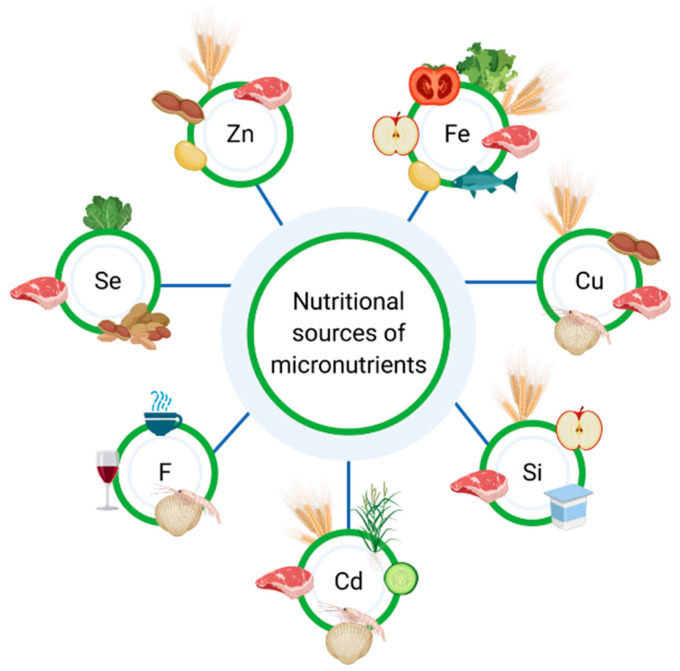
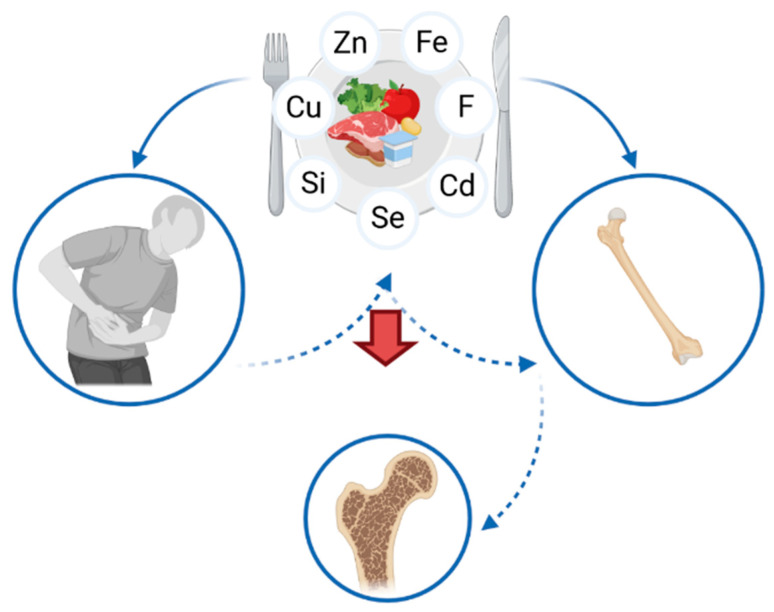
Osteoporosis is one of the most common extraintestinal complications among patients suffering from inflammatory bowel diseases. The role of vitamin D and calcium in the prevention of a decreased bone mineral density is well known, although other nutrients, including micronutrients, are also of extreme importance. Despite the fact that zinc, copper, selenium, iron, cadmium, silicon and fluorine have not been frequently discussed with regard to the prevention of osteoporosis, it is possible that a deficiency or excess of the abovementioned elements may affect bone mineralization. Additionally, the risk of malnutrition, which is common in patients with ulcerative colitis or Crohn's disease, as well as the composition of gut microbiota, may be associated with micronutrients status.
骨质疏松症是炎症性肠病患者最常见的肠道外并发症之一。维生素 D 和钙在预防骨密度降低方面的作用是众所周知的,尽管其他营养素,包括微量营养素,也非常重要。尽管锌、铜、硒、铁、镉、硅和氟在预防骨质疏松症方面尚未经常被提及,但上述元素的缺乏或过量可能会影响骨矿化。此外,溃疡性结肠炎或克罗恩病患者常见的营养不良风险以及肠道微生物群的组成可能与微量元素状况有关。