Thompson Barry J
ACRF Department of Cancer Biology & Therapeutics, John Curtin School of Medical Research, The Australian National University, Canberra, ACT, Australia.
FEBS J. 2022 Feb;289(3):596-613. doi: 10.1111/febs.15754. Epub 2021 Mar 3.
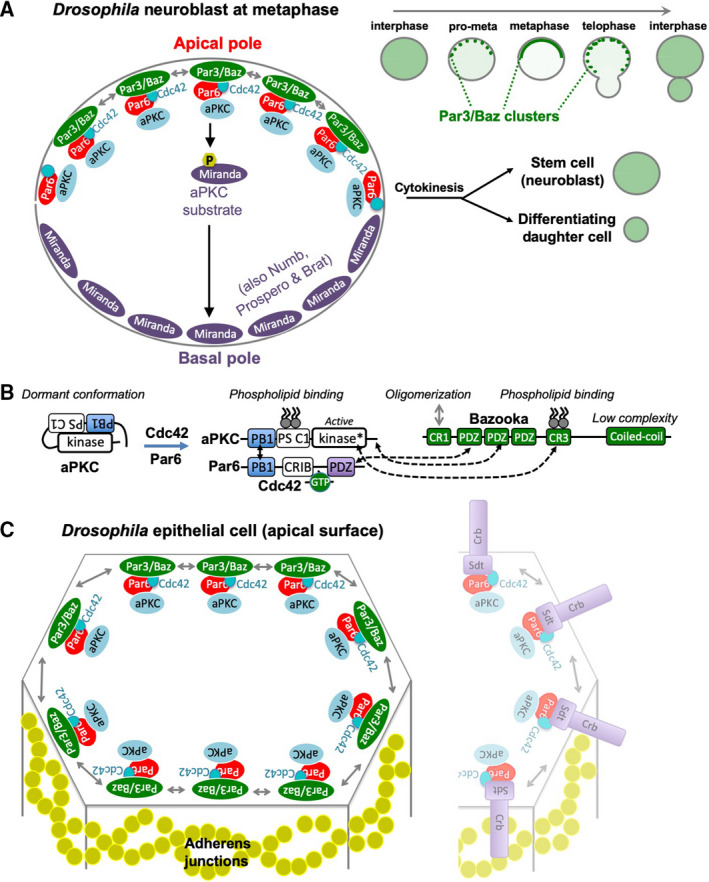
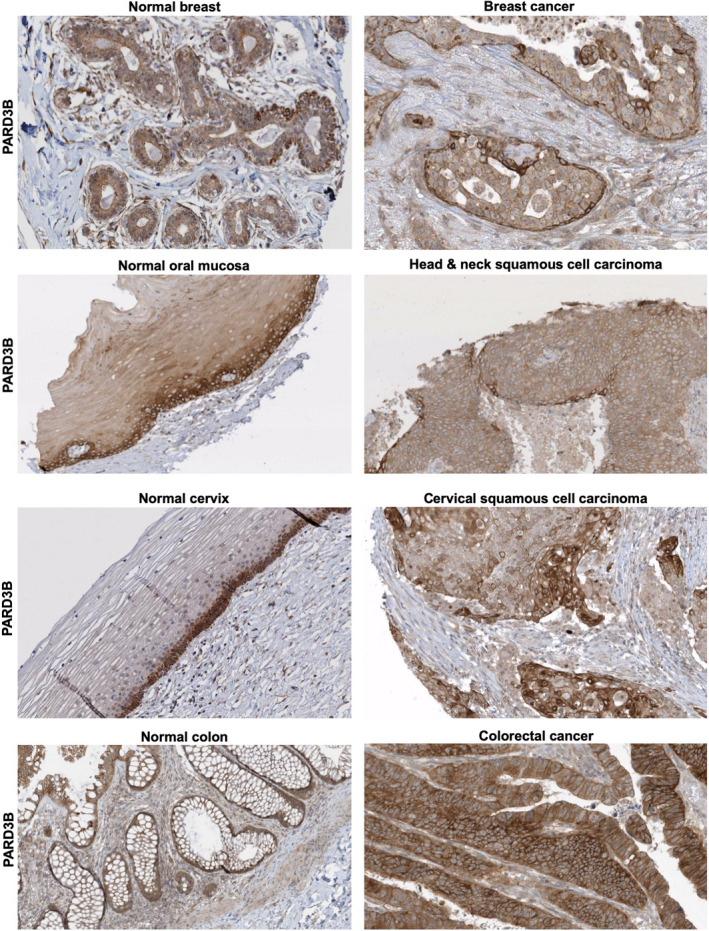
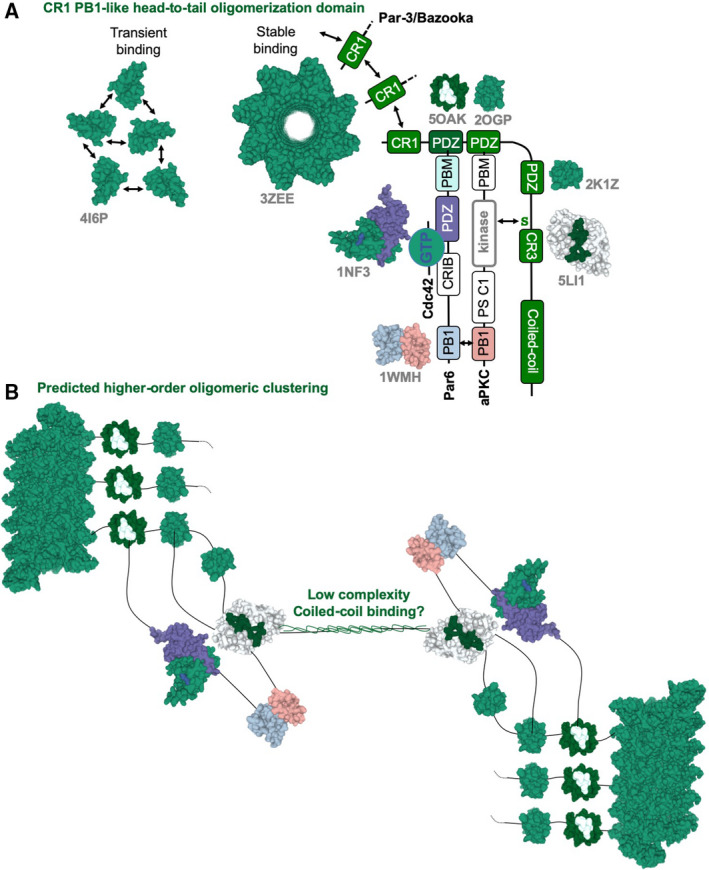
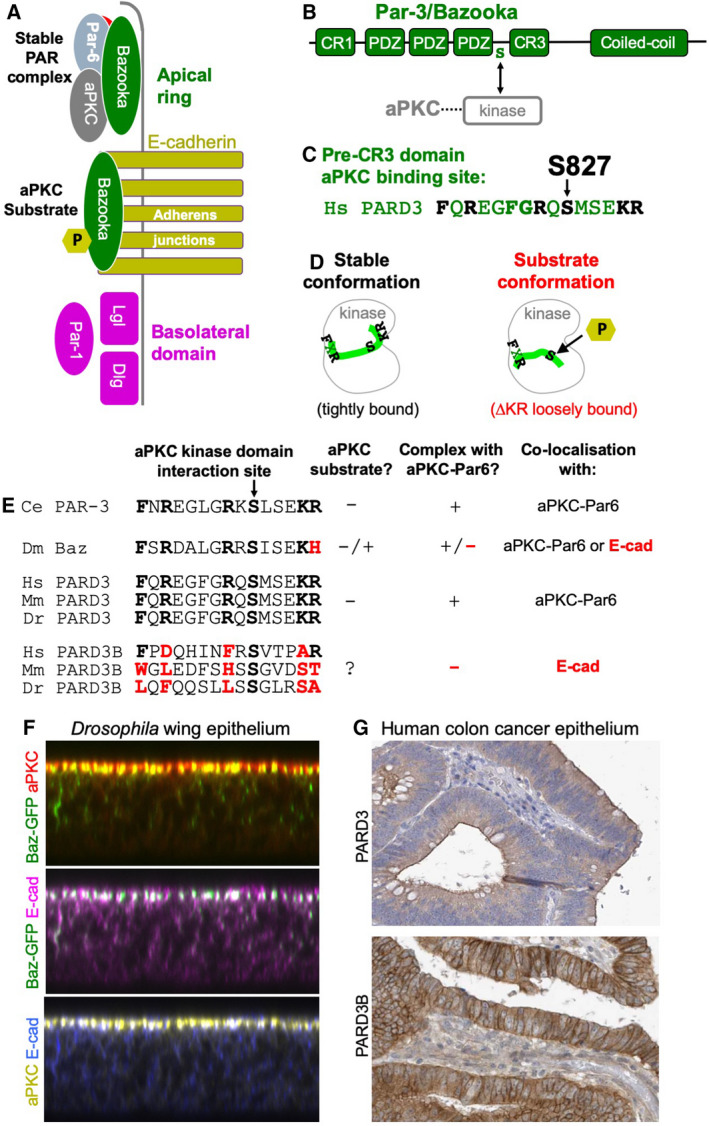
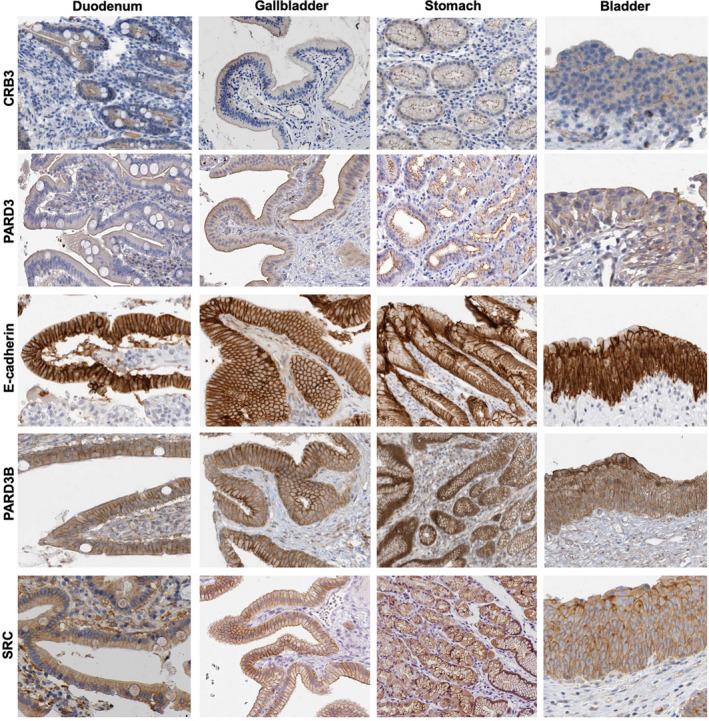
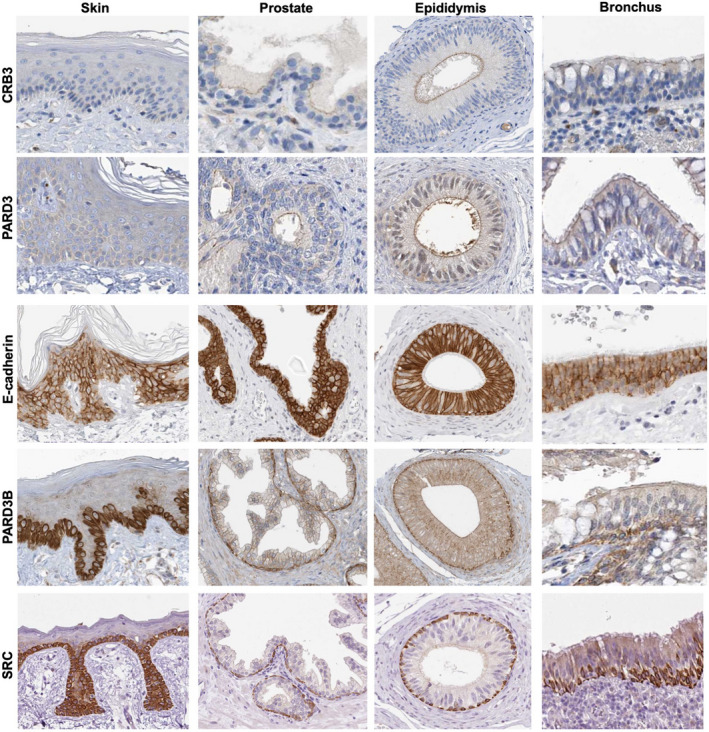
The Par-3/Baz family of polarity determinants is highly conserved across metazoans and includes C. elegans PAR-3, Drosophila Bazooka (Baz), human Par-3 (PARD3), and human Par-3-like (PARD3B). The C. elegans PAR-3 protein localises to the anterior pole of asymmetrically dividing zygotes with cell division cycle 42 (CDC42), atypical protein kinase C (aPKC), and PAR-6. The same C. elegans 'PAR complex' can also localise in an apical ring in epithelial cells. Drosophila Baz localises to the apical pole of asymmetrically dividing neuroblasts with Cdc42-aPKC-Par6, while in epithelial cells localises both in an apical ring with Cdc42-aPKC-Par6 and with E-cadherin at adherens junctions. These apical and junctional localisations have become separated in human PARD3, which is strictly apical in many epithelia, and human PARD3B, which is strictly junctional in many epithelia. We discuss the molecular basis for this fundamental difference in localisation, as well as the possible functions of Par-3/Baz family proteins as oligomeric clustering agents at the apical domain or at adherens junctions in epithelial stem cells. The evolution of Par-3 family proteins into distinct apical PARD3 and junctional PARD3B orthologs coincides with the emergence of stratified squamous epithelia in vertebrates, where PARD3B, but not PARD3, is strongly expressed in basal layer stem cells - which lack a typical apical domain. We speculate that PARD3B may contribute to clustering of E-cadherin, signalling from adherens junctions via Src family kinases or mitotic spindle orientation by adherens junctions in response to mechanical forces.
极性决定因子的Par-3/Baz家族在多细胞动物中高度保守,包括秀丽隐杆线虫的PAR-3、果蝇的Bazooka(Baz)、人类的Par-3(PARD3)和人类的Par-3样蛋白(PARD3B)。秀丽隐杆线虫的PAR-3蛋白与细胞分裂周期蛋白42(CDC42)、非典型蛋白激酶C(aPKC)和PAR-6一起定位于不对称分裂受精卵的前极。同样的秀丽隐杆线虫“PAR复合物”也可定位于上皮细胞的顶端环。果蝇的Baz与Cdc42-aPKC-Par6一起定位于不对称分裂神经母细胞的顶端极,而在上皮细胞中,它既与Cdc42-aPKC-Par6一起定位于顶端环,又与E-钙黏蛋白一起定位于黏着连接。这些顶端和连接部位的定位在人类PARD3中已分离,PARD3在许多上皮细胞中严格定位于顶端,而人类PARD3B在许多上皮细胞中严格定位于连接部位。我们讨论了这种定位上根本差异的分子基础,以及Par-3/Baz家族蛋白作为上皮干细胞顶端结构域或黏着连接处寡聚簇集剂的可能功能。Par-3家族蛋白演变为不同的顶端PARD3和连接部位PARD3B直系同源物,这与脊椎动物分层鳞状上皮的出现相吻合,在脊椎动物中,PARD3B而非PARD3在缺乏典型顶端结构域的基底层干细胞中强烈表达。我们推测,PARD3B可能有助于E-钙黏蛋白的聚集、通过Src家族激酶从黏着连接发出信号或通过黏着连接响应机械力来确定有丝分裂纺锤体的方向。