Beijing Agro-Biotechnology Research Center, Beijing Academy of Agriculture and Forestry Sciences, Beijing Engineering Research Center of Functional Floriculture, Beijing, Key Laboratory of Agricultural Genetic Resources and Biotechnology, Beijing, 100097, China.
Beijing Vegetable Research Center, Beijing Academy of Agriculture and Forestry Sciences, Beijing, 100097, China.
BMC Genom Data. 2021 Jan 25;22(1):2. doi: 10.1186/s12863-021-00959-2.
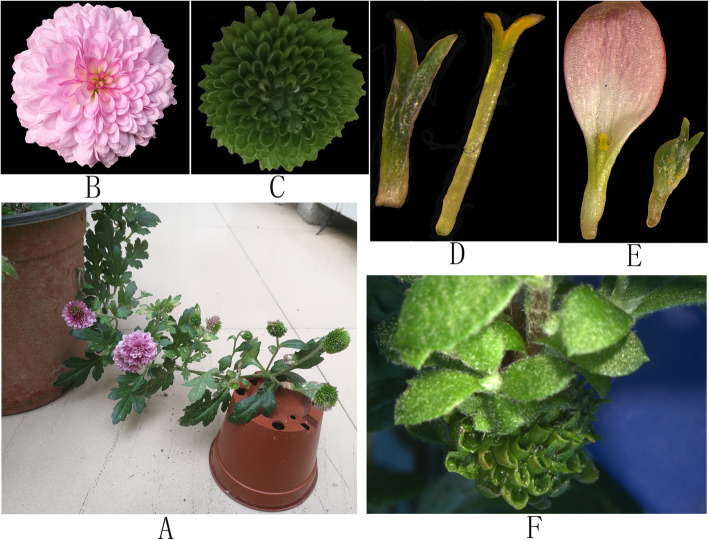
Chrysanthemum morifolium is one of the most economically important and popular floricultural crops in the family Asteraceae. Chrysanthemum flowers vary considerably in terms of colors and shapes. However, the molecular mechanism controlling the development of chrysanthemum floral colors and shapes remains an enigma. We analyzed a cut-flower chrysanthemum variety that produces normal capitula composed of ray florets with normally developed pistils and purple corollas and mutant capitula comprising ray florets with green corollas and vegetative buds instead of pistils.
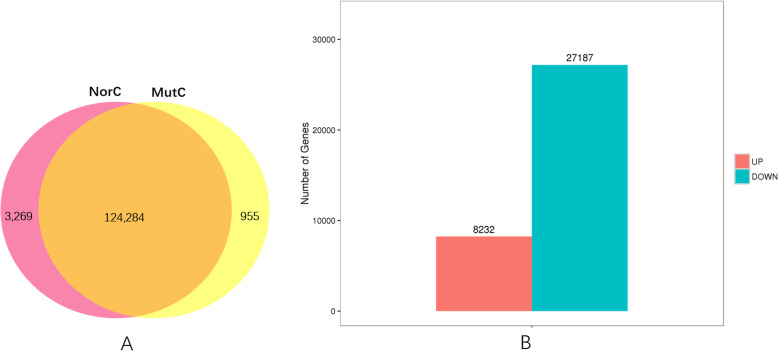
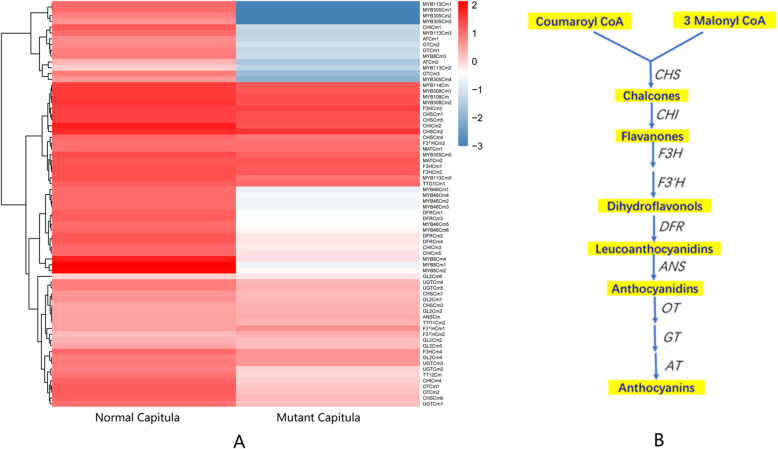
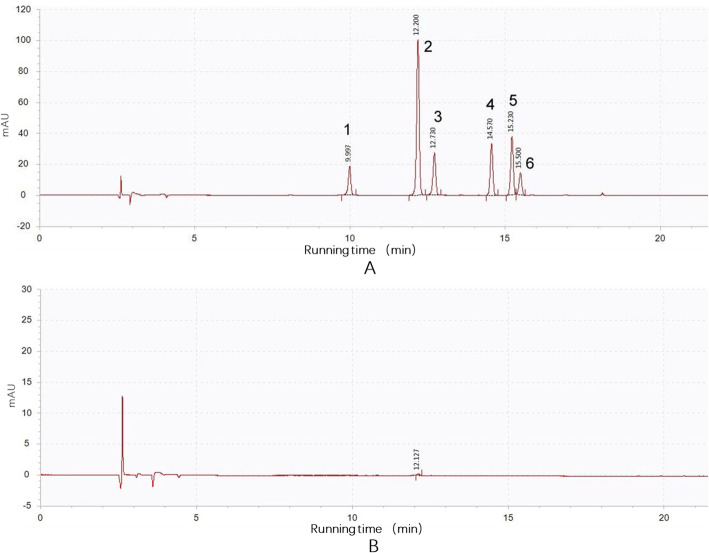
We conducted a whole-transcriptome analysis of the differentially expressed genes (DEGs) in the mutant and normal capitula using third-generation and second-generation sequencing techniques. We identified the DEGs between the mutant and normal capitula to reveal important regulators underlying the differential development. Many transcription factors and genes related to the photoperiod and GA pathways, floral organ identity, and the anthocyanin biosynthesis pathway were differentially expressed between the normal and mutant capitula. A qualitative analysis of the pigments in the florets of normal and mutant capitula indicated anthocyanins were synthesized and accumulated in the florets of normal capitula, but not in the florets of mutant capitula. These results provide clues regarding the molecular basis of the replacement of Chrysanthemum morifolium ray florets with normally developed pistils and purple corollas with mutant ray florets with green corollas and vegetative buds. Additionally, the study findings will help to elucidate the molecular mechanisms underlying floral organ development and contribute to the development of techniques for studying the regulation of flower shape and color, which may enhance chrysanthemum breeding.
The whole-transcriptome analysis of DEGs in mutant and normal C. morifolium capitula described herein indicates the anthocyanin deficiency of the mutant capitula may be related to the mutation that replaces ray floret pistils with vegetative buds. Moreover, pistils may be required for the anthocyanin biosynthesis in the corollas of chrysanthemum ray florets.
菊花是菊科中最具经济价值和最受欢迎的花卉作物之一。菊花的花色和花型差异很大。然而,控制菊花花色和花型发育的分子机制仍然是一个谜。我们分析了一个切花菊花品种,该品种产生的正常头状花序由具正常发育雌蕊的舌状花和紫色花瓣组成,而突变体头状花序则由具绿色花瓣和营养芽的舌状花组成,而不是雌蕊。
我们使用第三代和第二代测序技术对头状花序突变体和正常头状花序中的差异表达基因(DEGs)进行了全转录组分析。我们鉴定了突变体和正常头状花序之间的 DEGs,以揭示差异发育的重要调控因子。许多转录因子和与光周期和 GA 途径、花器官身份和花色苷生物合成途径相关的基因在正常和突变体头状花序之间差异表达。对头状花序中正常和突变体舌状花花色的定性分析表明,花色苷在正常头状花序的舌状花花瓣中合成和积累,但在突变体头状花序的舌状花花瓣中没有。这些结果为菊花正常发育的雌蕊和紫色花瓣替代突变体头状花序中正常发育的雌蕊和绿色花瓣及营养芽的分子基础提供了线索。此外,该研究结果将有助于阐明花器官发育的分子机制,并有助于研究花形和花色调控的技术发展,这可能会增强菊花的育种。
本文对头状花序突变体和正常菊花 DEGs 的全转录组分析表明,突变体头状花序中花色苷的缺乏可能与用营养芽替代舌状花花蕊的突变有关。此外,雌蕊可能是菊花舌状花花瓣中花色苷生物合成所必需的。