Sir John Walsh Research Institute, Faculty of Dentistry, University of Otago, Dunedin, New Zealand.
Sir John Walsh Research Institute, Faculty of Dentistry, University of Otago, Dunedin, New Zealand
mSphere. 2021 Feb 10;6(1):e01318-20. doi: 10.1128/mSphere.01318-20.
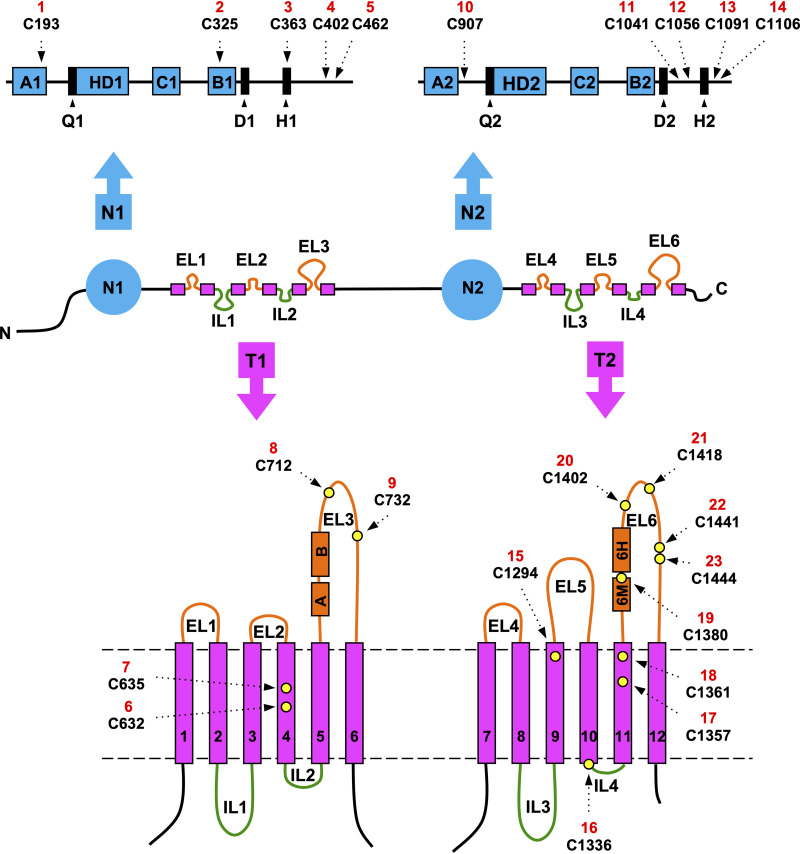
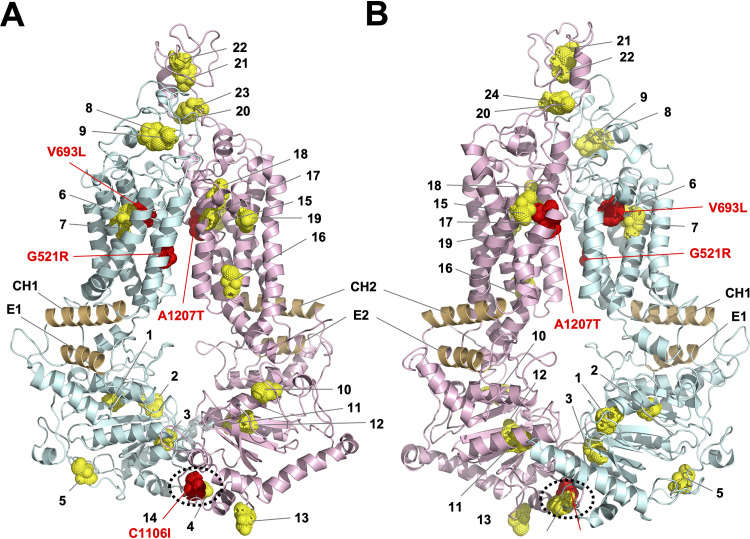
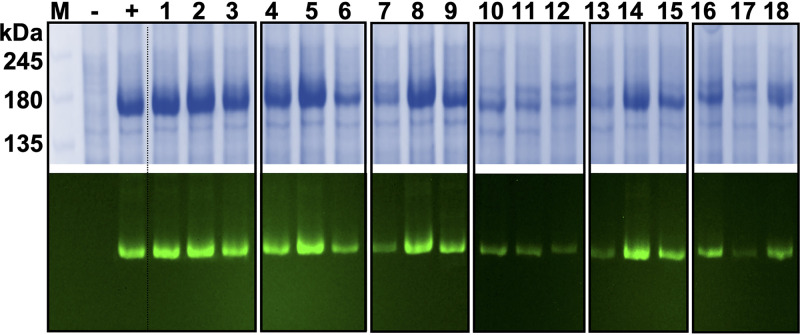
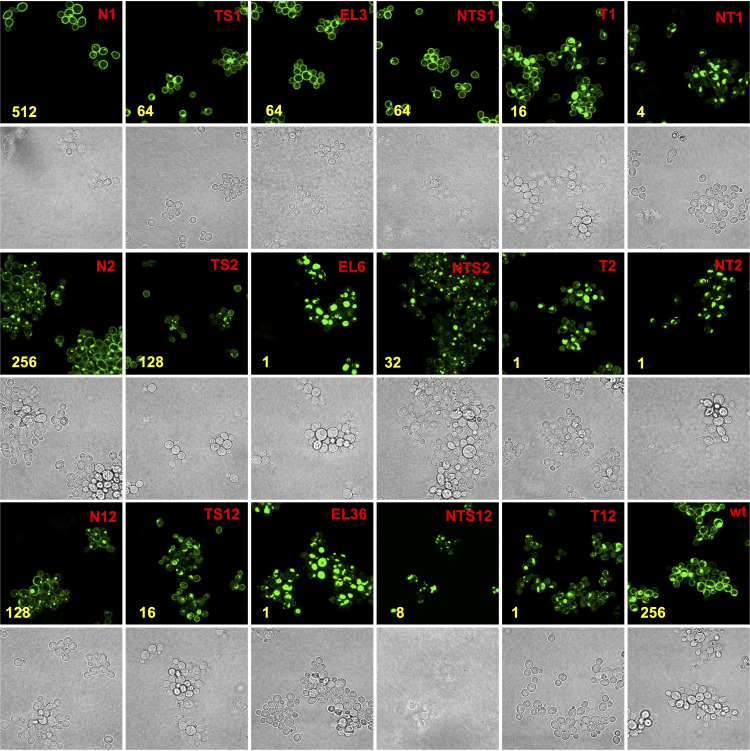
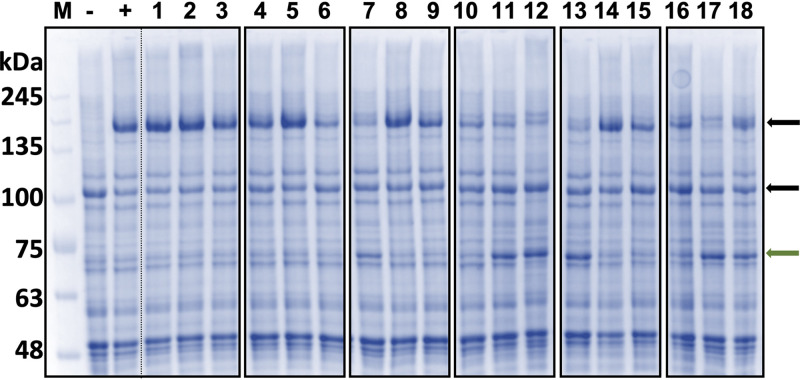
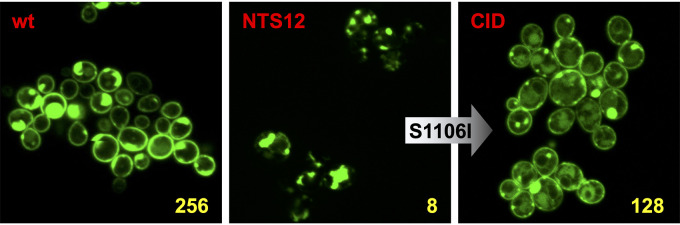
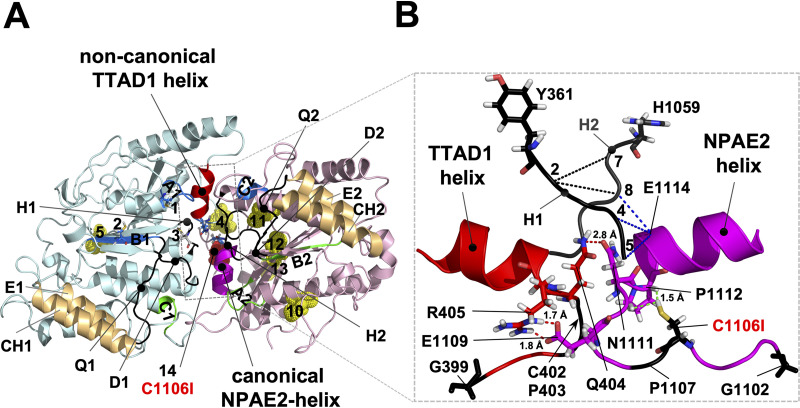
Pleiotropic drug resistance (PDR) ATP-binding cassette (ABC) transporters of the ABCG family are eukaryotic membrane proteins that pump an array of compounds across organelle and cell membranes. Overexpression of the archetype fungal PDR transporter Cdr1 is a major cause of azole antifungal drug resistance in , a significant fungal pathogen that can cause life-threatening invasive infections in immunocompromised individuals. To date, no structure for any PDR transporter has been solved. The objective of this project was to investigate the role of the 23 Cdr1 cysteine residues in the stability, trafficking, and function of the protein when expressed in the eukaryotic model organism, The biochemical characterization of 18 partially cysteine-deficient Cdr1 variants revealed that the six conserved extracellular cysteines were critical for proper expression, localization, and function of Cdr1. They are predicted to form three covalent disulfide bonds that stabilize the large extracellular domains of fungal PDR transporters. Our investigations also revealed a novel nucleotide-binding domain motif, GXCPXNPAD/E, at the peripheral cytosolic apex of ABCG transporters that possibly contributes to the unique ABCG transport cycle. With this knowledge, we engineered an "almost cysteine-less," yet fully functional, Cdr1 variant, Cdr1P-CID, that had all but the six extracellular cysteines replaced with serine, alanine, or isoleucine (C1106I of the new motif). It is now possible to perform cysteine-cross-linking studies that will enable more detailed biochemical investigations of fungal PDR transporters and confirm any future structure(s) solved for this important protein family. Overexpression of the fungal pleiotropic drug resistance (PDR) transporter Cdr1 is a major cause of antifungal drug resistance in , a significant fungal pathogen that can cause life-threatening invasive infections in immunocompromised individuals. To date, no structure for any PDR ABC transporter has been solved. Cdr1 contains 23 cysteines; 10 are cytosolic and 13 are predicted to be in the transmembrane or the extracellular domains. The objective of this project was to create, and biochemically characterize, mutants to reveal which cysteines are most important for Cdr1 stability, trafficking, and function. During this process we discovered a novel motif at the cytosolic apex of PDR transporters that ensures the structural and functional integrity of the ABCG transporter family. The creation of a functional Cys-deficient Cdr1 molecule opens new avenues for cysteine-cross-linking studies that will facilitate the detailed characterization of an important ABCG transporter family member.
多药耐药(PDR)ABC 家族的 ABC 转运蛋白是真核细胞膜蛋白,可将多种化合物泵入细胞器和细胞膜。原型真菌 PDR 转运蛋白 Cdr1 的过度表达是唑类抗真菌药物在白念珠菌中耐药的主要原因,白念珠菌是一种重要的真菌病原体,可在免疫功能低下的个体中引起危及生命的侵袭性感染。迄今为止,尚无任何 PDR 转运蛋白的结构得到解决。该项目的目的是研究 23 个 Cdr1 半胱氨酸残基在真核模型生物酿酒酵母中的稳定性、运输和功能中的作用。对 18 个部分半胱氨酸缺陷 Cdr1 变体的生化特征分析表明,六个保守的细胞外环半胱氨酸对于 Cdr1 的正确表达、定位和功能至关重要。它们可能形成三个共价二硫键,稳定真菌 PDR 转运蛋白的大细胞外环。我们的研究还揭示了 ABCG 转运蛋白外周胞质顶端的一个新的核苷酸结合域基序 GXCPXNPAD/E,它可能有助于独特的 ABCG 转运周期。有了这些知识,我们设计了一个“几乎无半胱氨酸”但功能齐全的 Cdr1 变体 Cdr1P-CID,它除了六个细胞外环半胱氨酸外,其余全部被丝氨酸、丙氨酸或异亮氨酸(新基序中的 C1106I)取代。现在可以进行半胱氨酸交联研究,从而更详细地研究真菌 PDR 转运蛋白的生化特性,并确认该重要蛋白家族解决的任何未来结构。真菌多药耐药(PDR)转运蛋白 Cdr1 的过度表达是导致念珠菌对抗真菌药物耐药的主要原因,念珠菌是一种重要的真菌病原体,可在免疫功能低下的个体中引起危及生命的侵袭性感染。迄今为止,尚无任何 PDR ABC 转运蛋白的结构得到解决。Cdr1 包含 23 个半胱氨酸;10 个位于细胞质中,13 个位于跨膜区或细胞外环区。本项目的目的是创建并对突变体进行生化表征,以揭示对 Cdr1 稳定性、运输和功能最重要的半胱氨酸。在此过程中,我们在 PDR 转运蛋白的胞质顶端发现了一个新的基序,该基序确保了 ABCG 转运蛋白家族的结构和功能完整性。功能性 Cdr1 分子的创造为半胱氨酸交联研究开辟了新途径,这将有助于详细表征重要的 ABCG 转运蛋白家族成员。