D Alvites Rui, V Branquinho Mariana, Sousa Ana C, Zen Federica, Maurina Monica, Raimondo Stefania, Mendonça Carla, Atayde Luís, Geuna Stefano, Varejão Artur S P, Maurício Ana C
Departamento de Clínicas Veterinárias, Instituto de Ciências Biomédicas de Abel Salazar (ICBAS), Universidade do Porto (UP), Rua de Jorge Viterbo Ferreira, nº 228, 4050-313 Porto, Portugal.
Centro de Estudos de Ciência Animal (CECA), Instituto de Ciências, Tecnologias e Agroambiente da Universidade do Porto (ICETA), Rua D. Manuel II, Apartado 55142, 4051-401 Porto, Portugal.
Int J Mol Sci. 2021 Jan 30;22(3):1401. doi: 10.3390/ijms22031401.
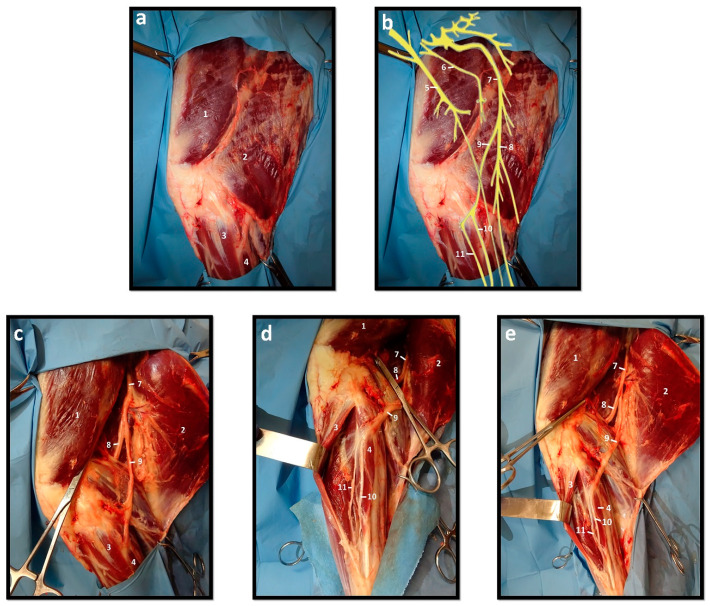
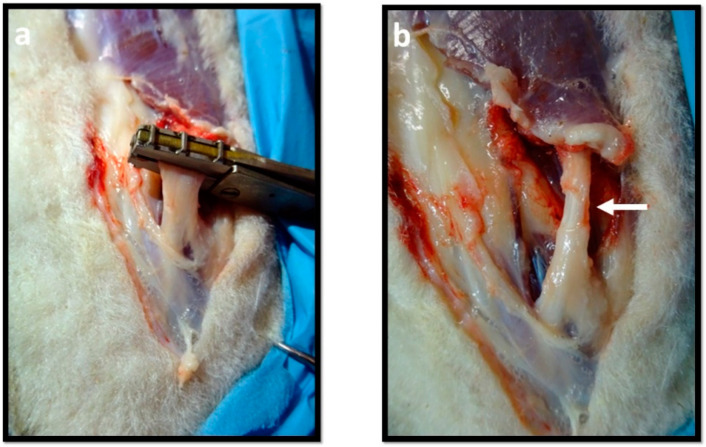
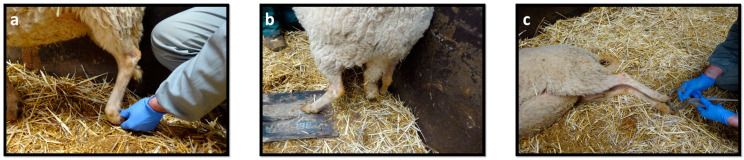
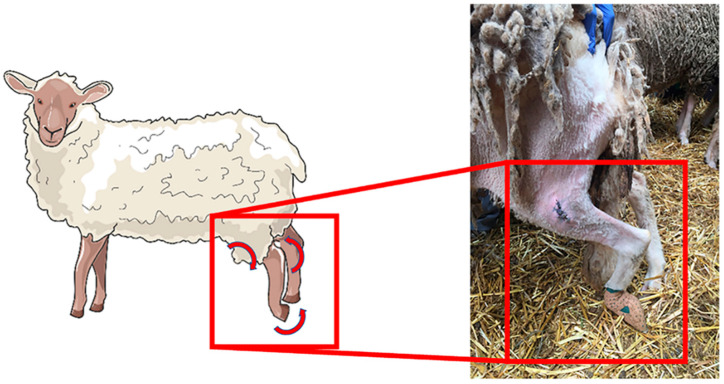
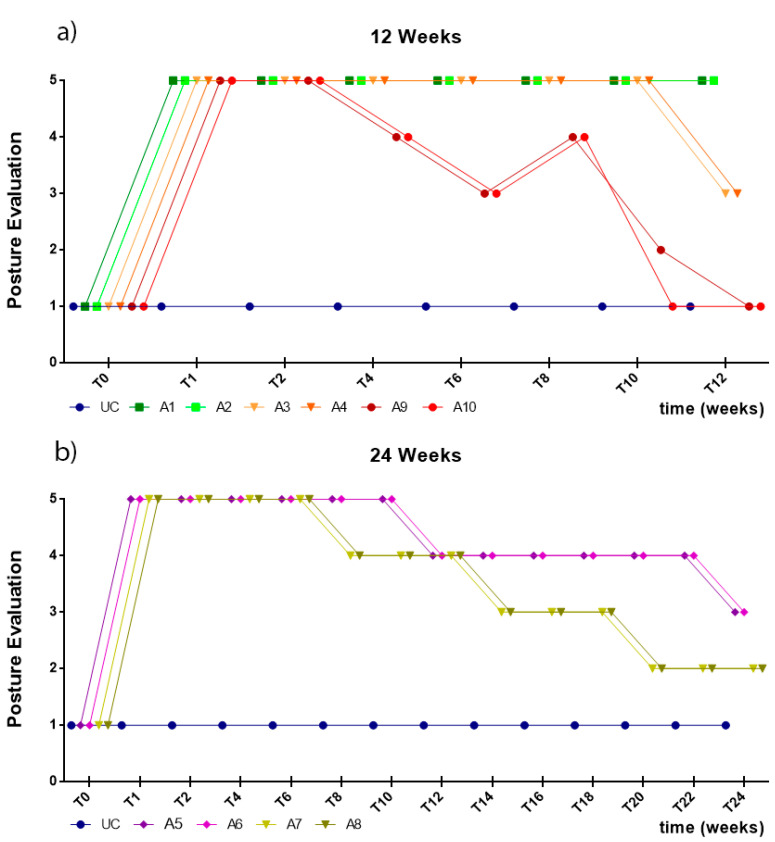
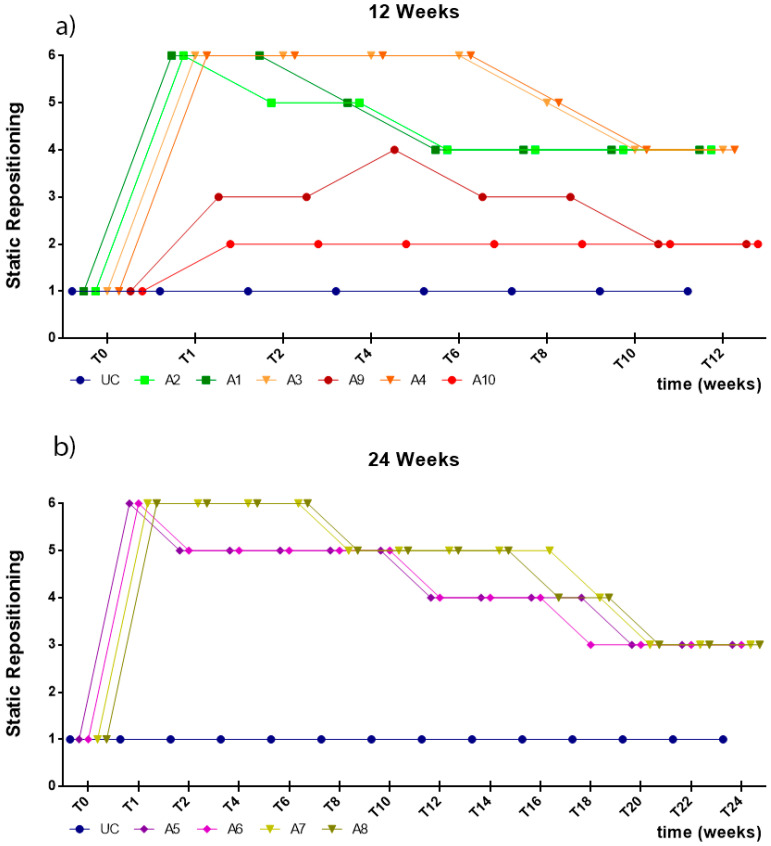
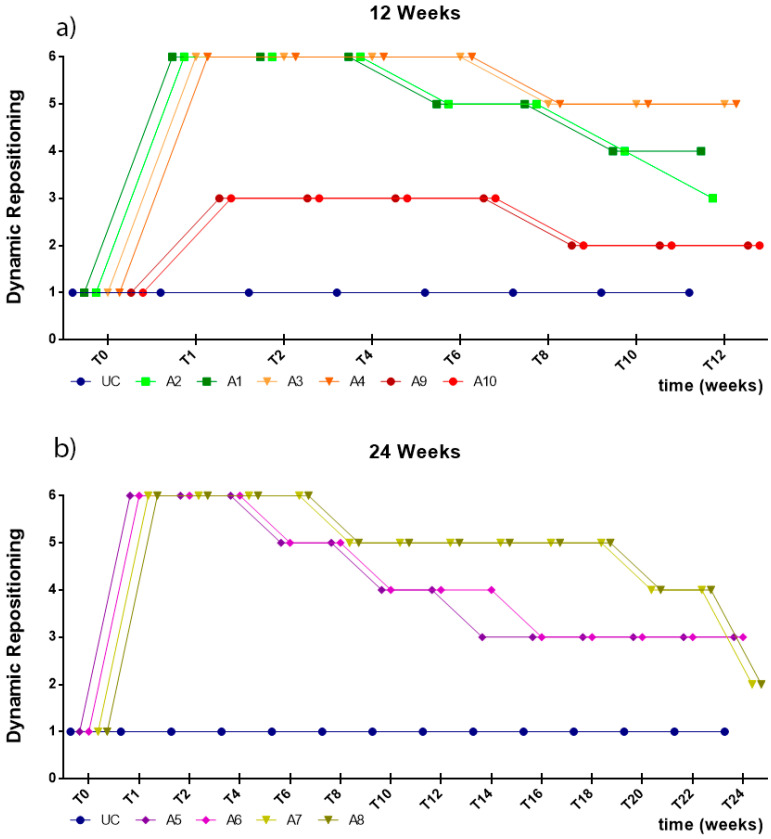
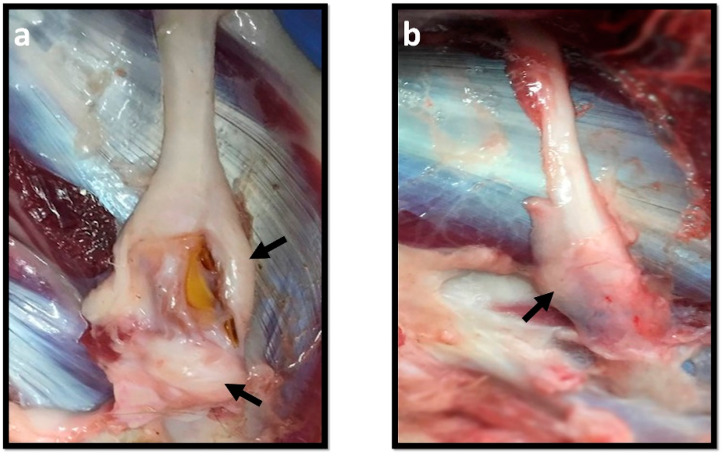
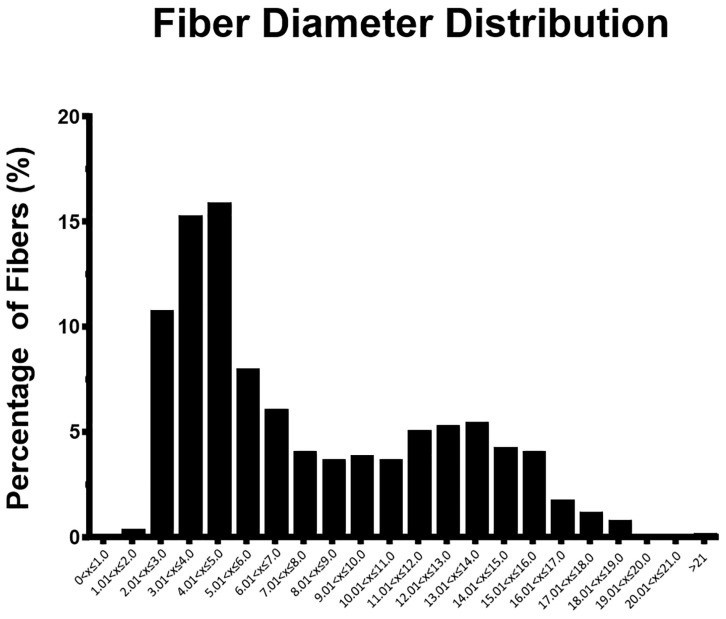
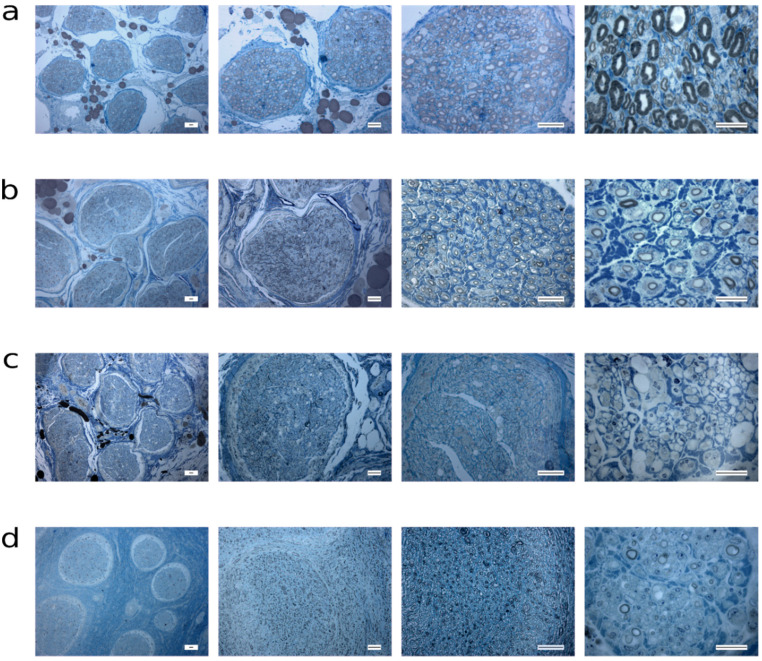
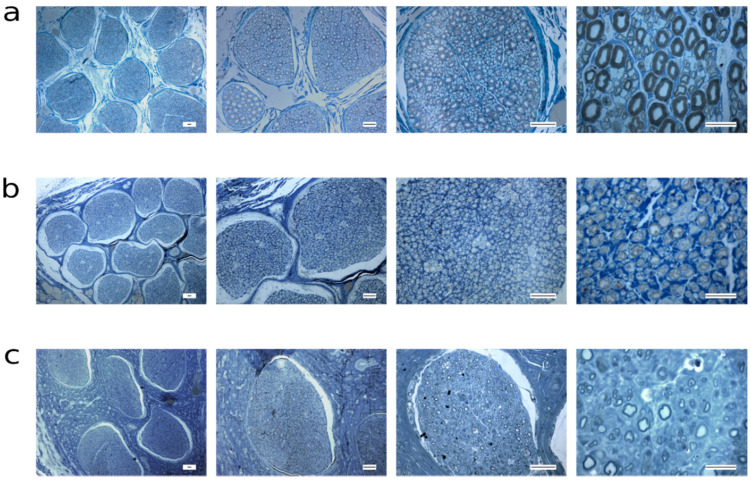
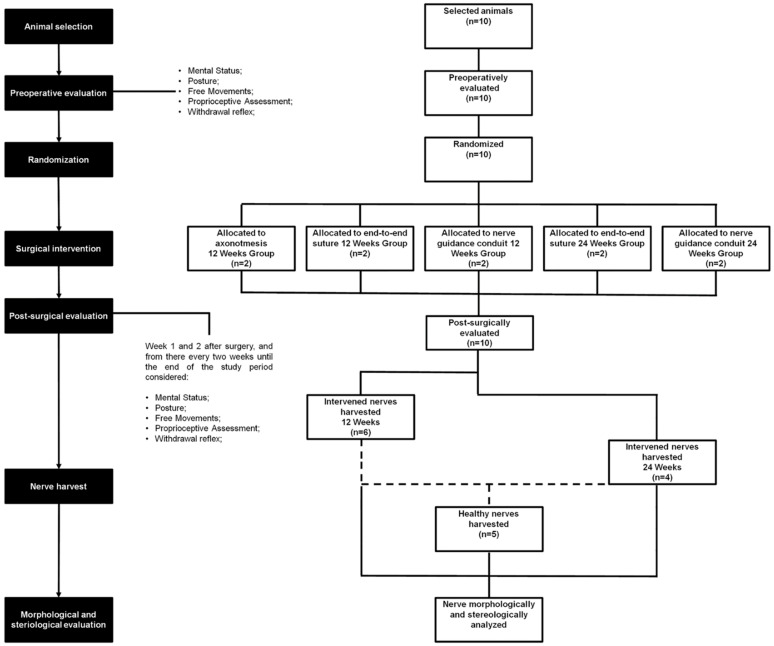
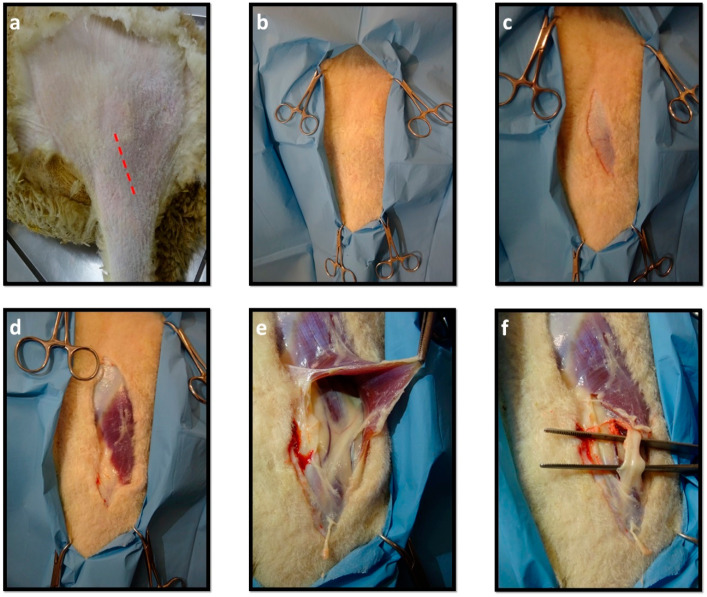
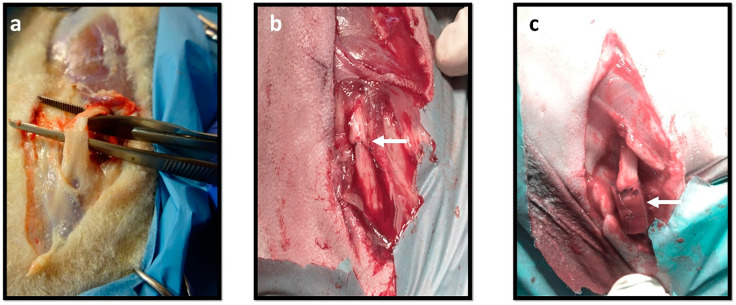
Thousands of people worldwide suffer from peripheral nerve injuries and must deal daily with the resulting physiological and functional deficits. Recent advances in this field are still insufficient to guarantee adequate outcomes, and the development of new and compelling therapeutic options require the use of valid preclinical models that effectively replicate the characteristics and challenges associated with these injuries in humans. In this study, we established a sheep model for common peroneal nerve injuries that can be applied in preclinical research with the advantages associated with the use of large animal models. The anatomy of the common peroneal nerve and topographically related nerves, the functional consequences of its injury and a neurological examination directed at this nerve have been described. Furthermore, the surgical protocol for accessing the common peroneal nerve, the induction of different types of nerve damage and the application of possible therapeutic options were described. Finally, a preliminary morphological and stereological study was carried out to establish control values for the healthy common peroneal nerves regarding this animal model and to identify preliminary differences between therapeutic methods. This study allowed to define the described lateral incision as the best to access the common peroneal nerve, besides establishing 12 and 24 weeks as the minimum periods to study lesions of axonotmesis and neurotmesis, respectively, in this specie. The post-mortem evaluation of the harvested nerves allowed to register stereological values for healthy common peroneal nerves to be used as controls in future studies, and to establish preliminary values associated with the therapeutic performance of the different applied options, although limited by a small sample size, thus requiring further validation studies. Finally, this study demonstrated that the sheep is a valid model of peripheral nerve injury to be used in pre-clinical and translational works and to evaluate the efficacy and safety of nerve injury therapeutic options before its clinical application in humans and veterinary patients.
全球数以千计的人患有周围神经损伤,每天都必须应对由此产生的生理和功能缺陷。该领域的最新进展仍不足以确保取得理想的治疗效果,而开发新的、有吸引力的治疗方案需要使用有效的临床前模型,这些模型要能有效复制人类这些损伤所具有的特征和挑战。在本研究中,我们建立了一种用于腓总神经损伤的绵羊模型,该模型可应用于临床前研究,具有使用大型动物模型的相关优势。文中描述了腓总神经及其地形相关神经的解剖结构、损伤的功能后果以及针对该神经的神经学检查。此外,还描述了进入腓总神经的手术方案、不同类型神经损伤的诱导方法以及可能的治疗方案的应用。最后,进行了一项初步的形态学和体视学研究,以确定该动物模型中健康腓总神经的对照值,并识别治疗方法之间的初步差异。本研究不仅确定了所描述的外侧切口是进入腓总神经的最佳切口,还确定了分别研究该物种中轴突断裂和神经断裂损伤的最短时间为12周和24周。对收获神经的尸检评估能够记录健康腓总神经的体视学值,以便在未来研究中用作对照,并确定与不同应用方案的治疗效果相关的初步值,尽管样本量较小存在局限性,因此需要进一步的验证研究。最后,本研究表明,绵羊是一种有效的周围神经损伤模型,可用于临床前和转化研究,并在人类和兽医患者临床应用之前评估神经损伤治疗方案的疗效和安全性。