Laboratory of Novel Biologics, University of Virginia, Charlottesville, VA, USA.
Department of Biochemistry and Molecular Genetics, University of Virginia, Charlottesville, VA, USA.
EMBO Mol Med. 2021 Mar 5;13(3):e12716. doi: 10.15252/emmm.202012716. Epub 2021 Feb 15.
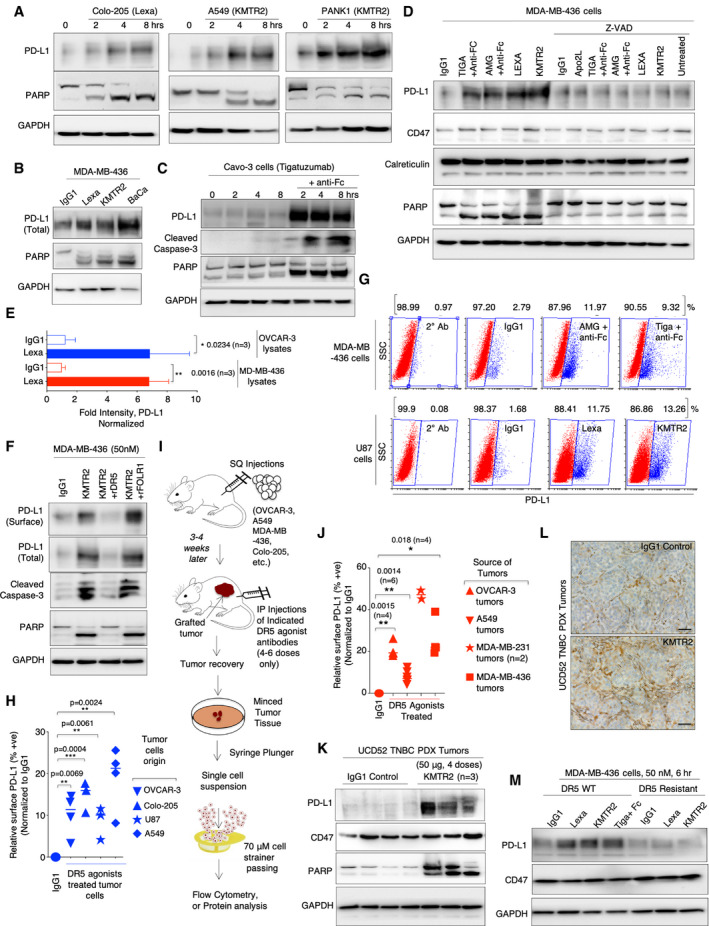
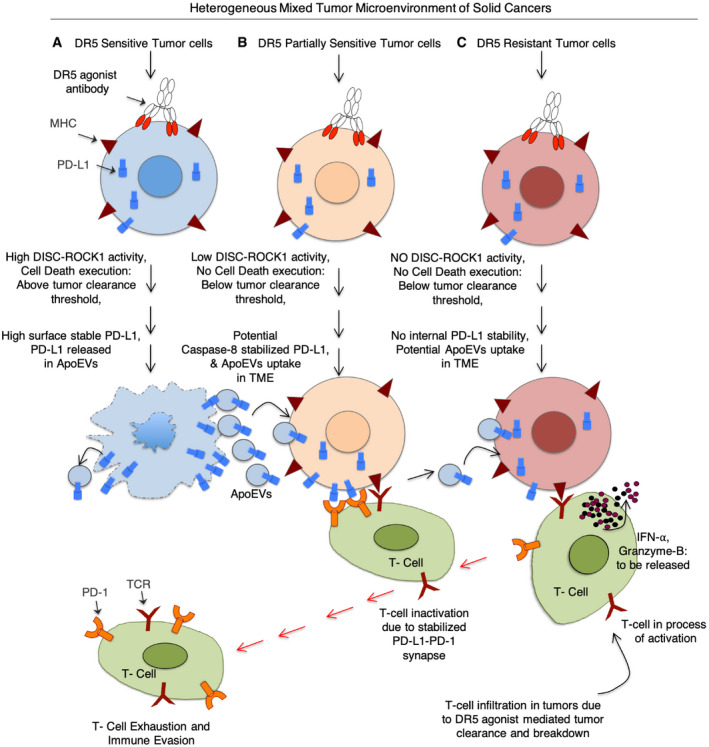
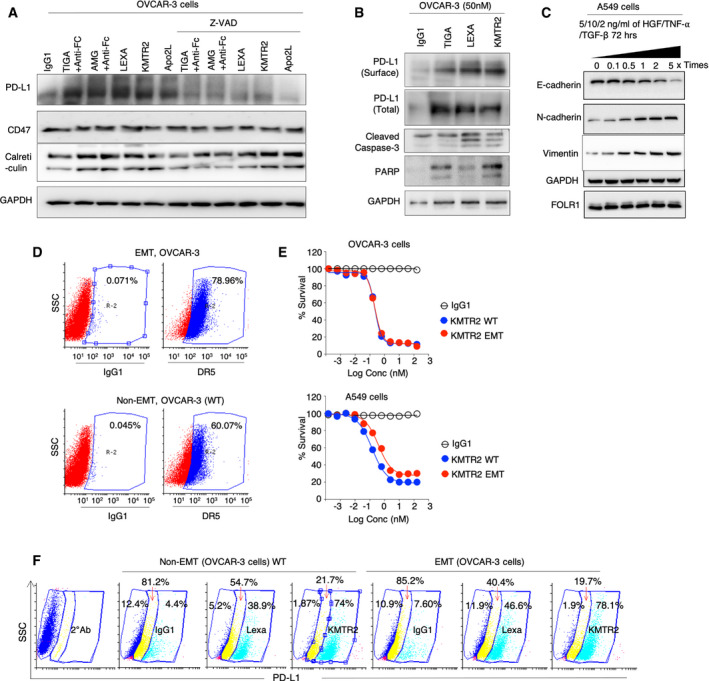
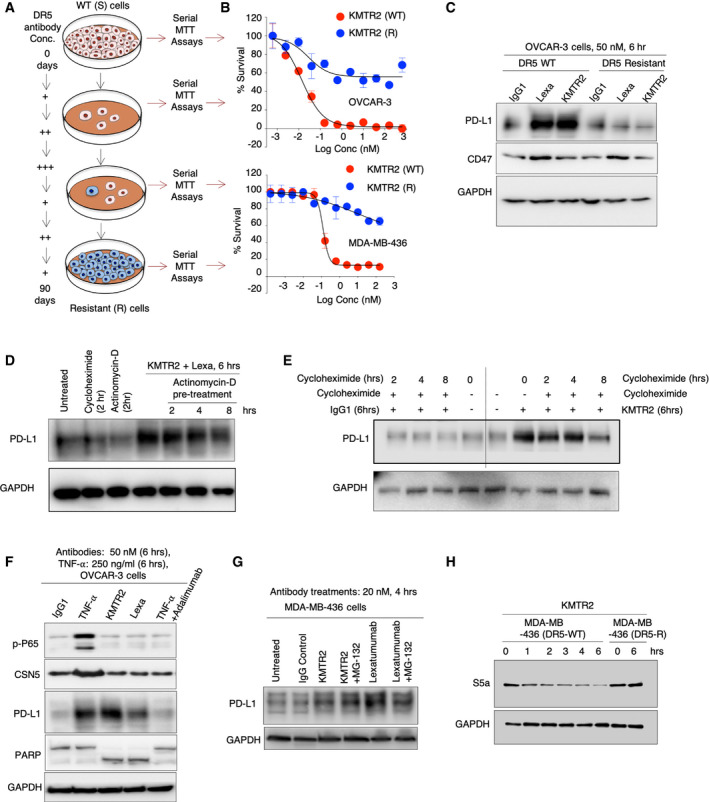
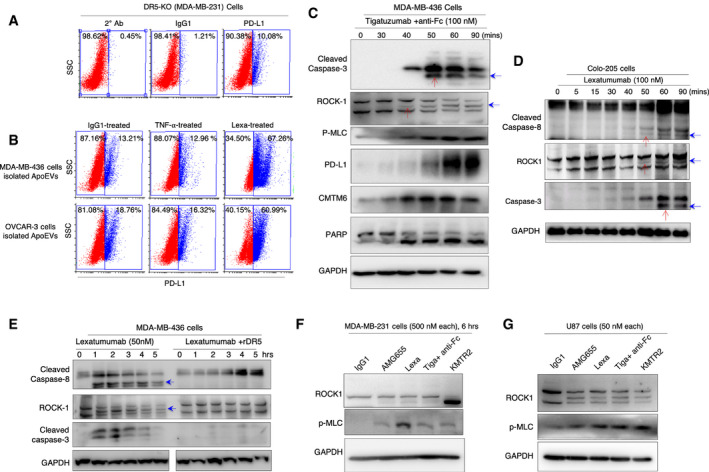
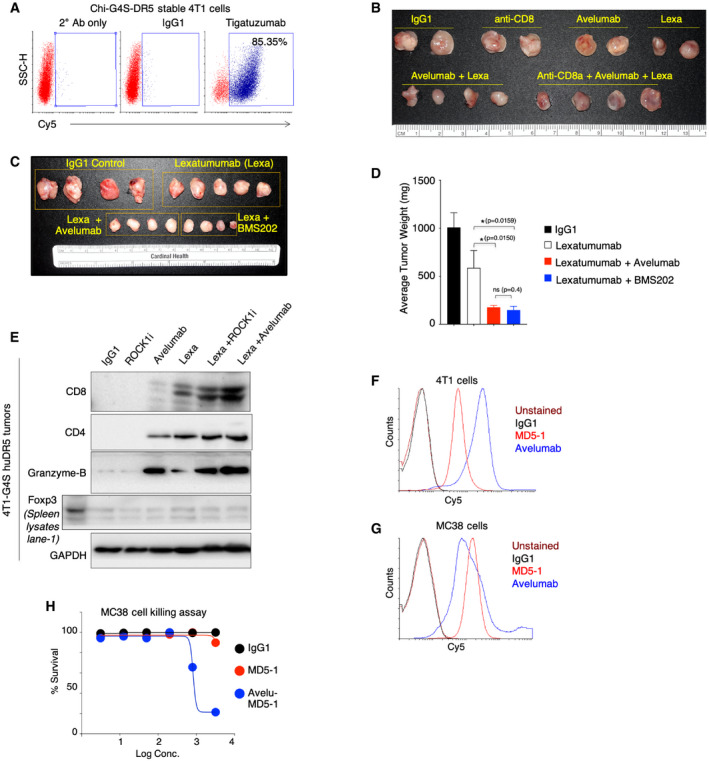
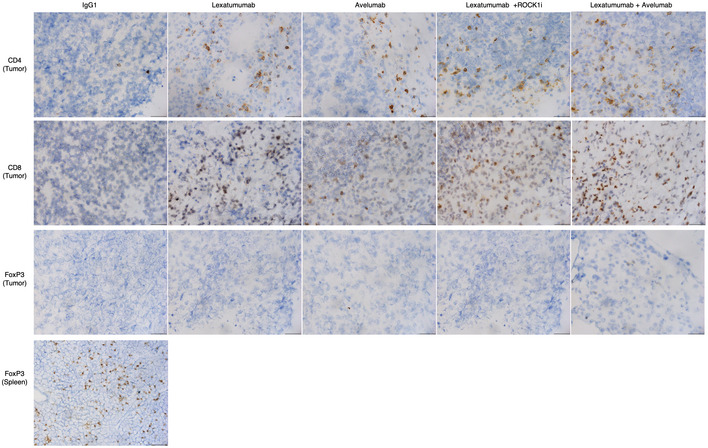
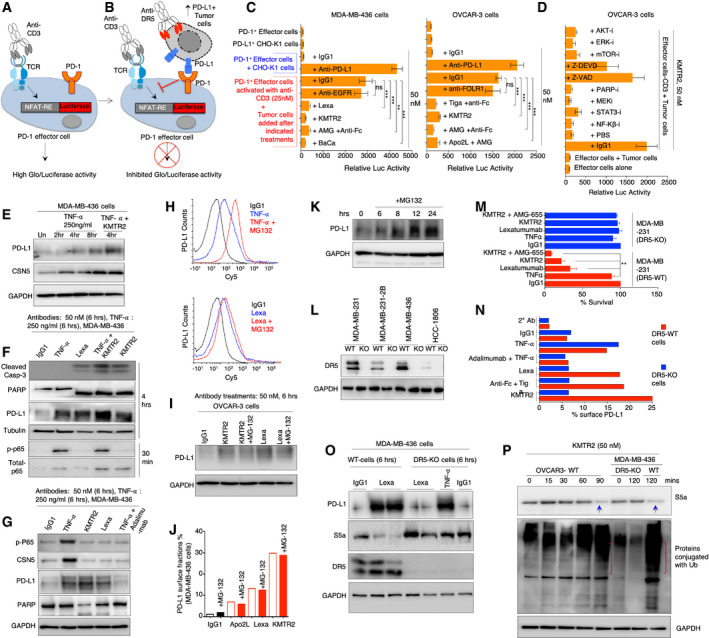
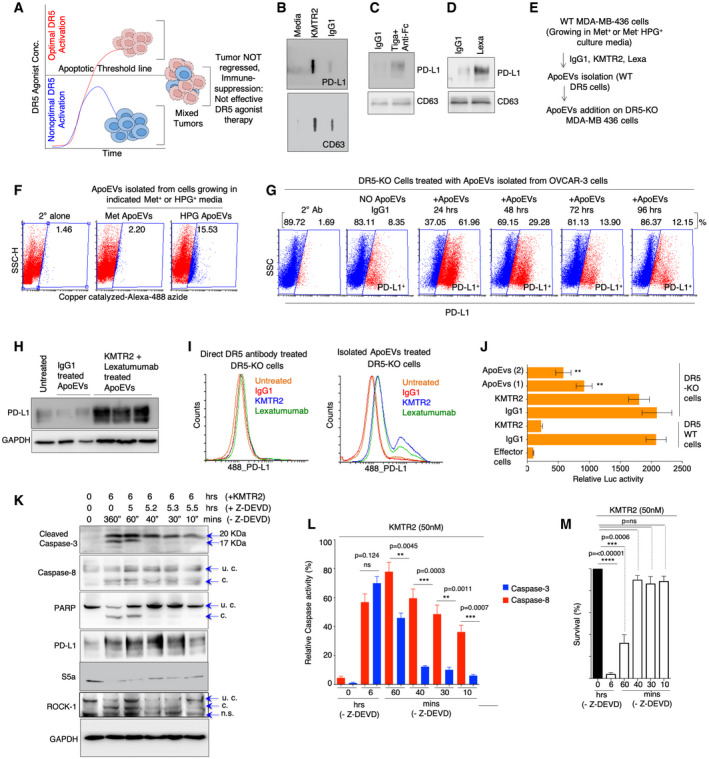
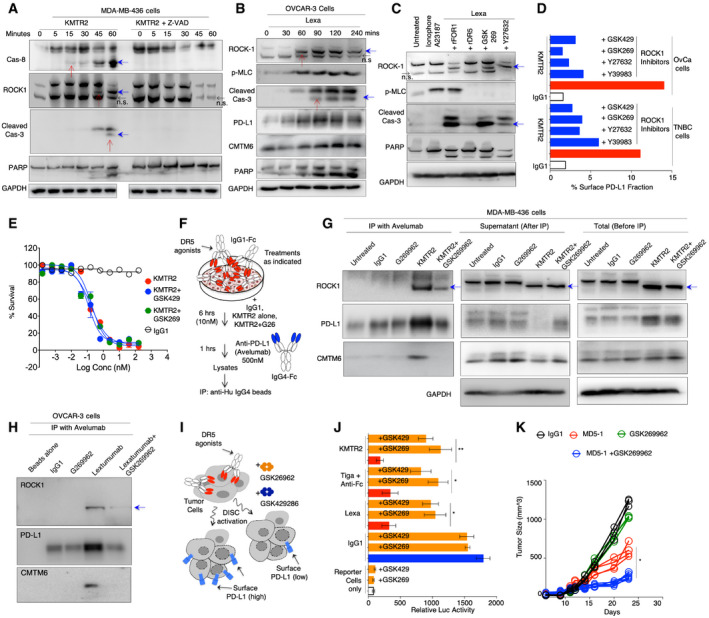
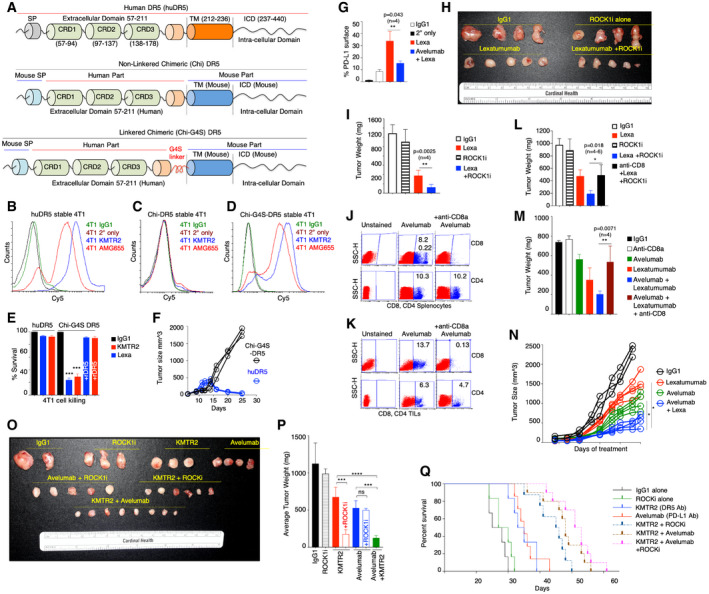
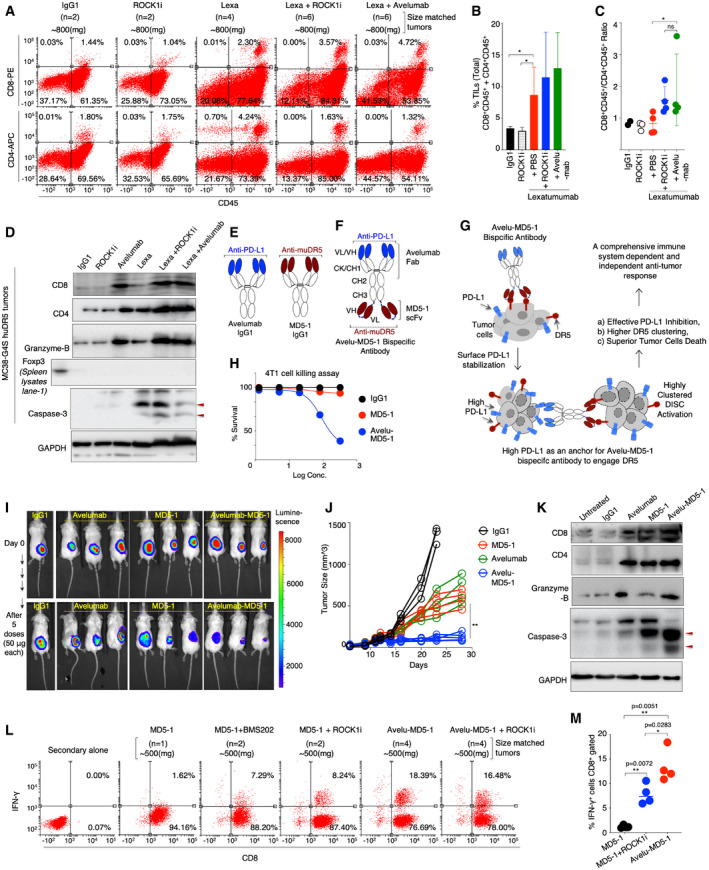
Lack of effective immune infiltration represents a significant barrier to immunotherapy in solid tumors. Thus, solid tumor-enriched death receptor-5 (DR5) activating antibodies, which generates tumor debulking by extrinsic apoptotic cytotoxicity, remains a crucial alternate therapeutic strategy. Over past few decades, many DR5 antibodies moved to clinical trials after successfully controlling tumors in immunodeficient tumor xenografts. However, DR5 antibodies failed to significantly improve survival in phase-II trials, leading in efforts to generate second generation of DR5 agonists to supersize apoptotic cytotoxicity in tumors. Here we have discovered that clinical DR5 antibodies activate an unexpected immunosuppressive PD-L1 stabilization pathway, which potentially had contributed to their limited success in clinics. The DR5 agonist stimulated caspase-8 signaling not only activates ROCK1 but also undermines proteasome function, both of which contributes to increased PD-L1 stability on tumor cell surface. Targeting DR5-ROCK1-PD-L1 axis markedly increases immune effector T-cell function, promotes tumor regression, and improves overall survival in animal models. These insights have identified a potential clinically viable combinatorial strategy to revive solid cancer immunotherapy using death receptor agonism.
缺乏有效的免疫浸润是实体瘤免疫治疗的一个重大障碍。因此,富集于实体肿瘤的死亡受体 5(DR5)激活抗体通过外在凋亡细胞毒性来消除肿瘤,仍然是一种至关重要的替代治疗策略。在过去几十年中,许多 DR5 抗体在成功控制免疫缺陷肿瘤异种移植物中的肿瘤后,进入临床试验。然而,DR5 抗体在 II 期临床试验中未能显著提高生存率,促使人们努力开发第二代 DR5 激动剂,以增加肿瘤中的凋亡细胞毒性。在这里,我们发现临床 DR5 抗体激活了一种意想不到的免疫抑制 PD-L1 稳定途径,这可能是它们在临床上成功有限的原因。DR5 激动剂刺激胱天蛋白酶-8 信号不仅激活 ROCK1,还破坏蛋白酶体功能,这两者都有助于增加肿瘤细胞表面 PD-L1 的稳定性。靶向 DR5-ROCK1-PD-L1 轴可显著增强免疫效应 T 细胞功能,促进肿瘤消退,并改善动物模型的总生存率。这些发现确定了一种潜在的临床可行的联合策略,即利用死亡受体激动剂重新激活实体癌免疫治疗。