Immunology, QIMR Berghofer Medical Research Institute, Herston, Queensland, Australia.
Immunology, QIMR Berghofer Medical Research Institute, Herston, Queensland, Australia
J Immunother Cancer. 2021 Feb;9(2). doi: 10.1136/jitc-2020-001608.
Epstein-Barr virus (EBV), an oncogenic human gammaherpesvirus, is associated with a wide range of human malignancies of epithelial and B-cell origin. Recent studies have demonstrated promising safety and clinical efficacy of allogeneic 'off-the-shelf' virus-specific T-cell therapies for post-transplant viral complications.
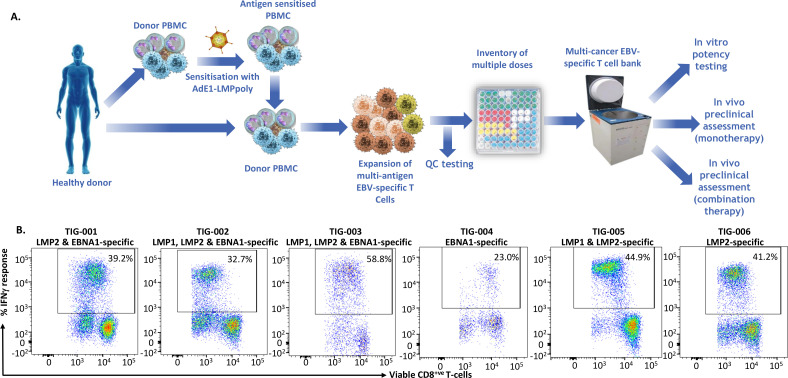
Taking a clue from these studies, we developed a highly efficient EBV-specific T-cell expansion process using a replication-deficient AdE1-LMPpoly vector that specifically targets EBV-encoded nuclear antigen 1 (EBNA1) and latent membrane proteins 1 and 2 (LMP1 and LMP2), expressed in latency II malignancies.
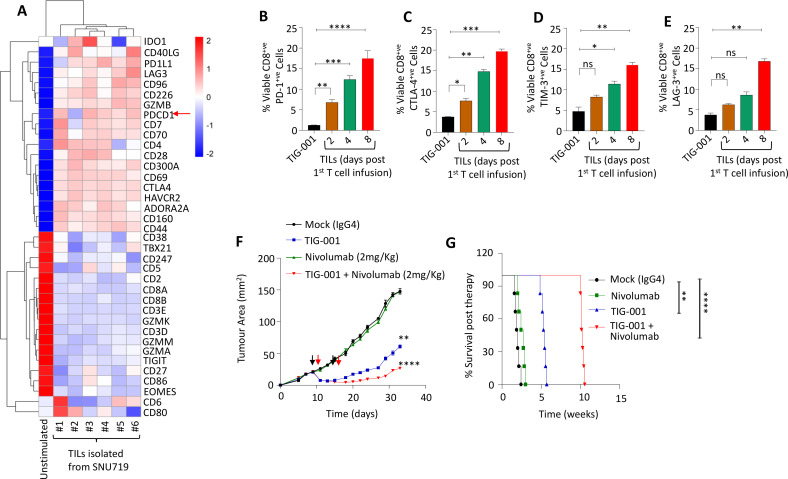
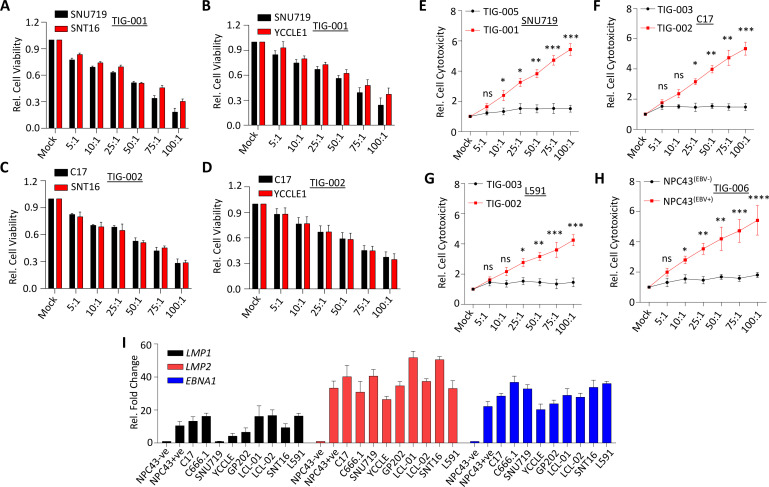
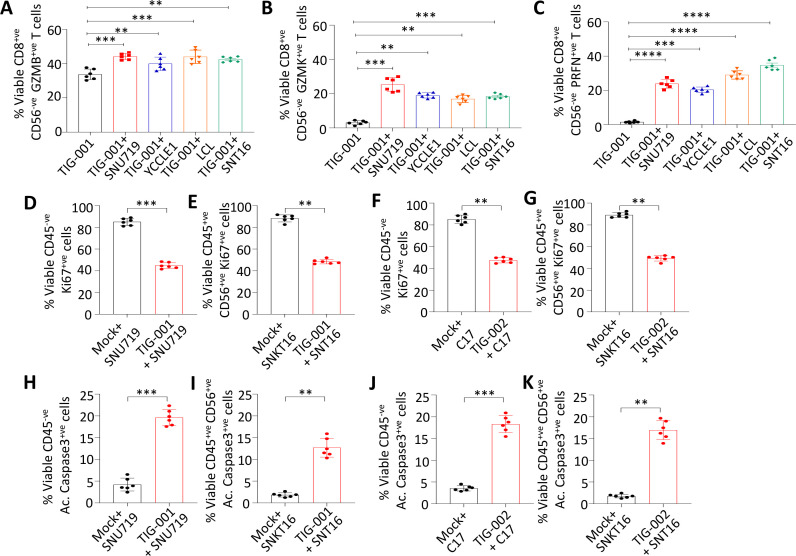
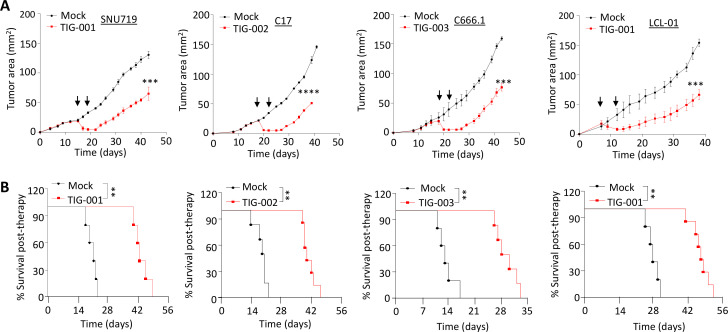
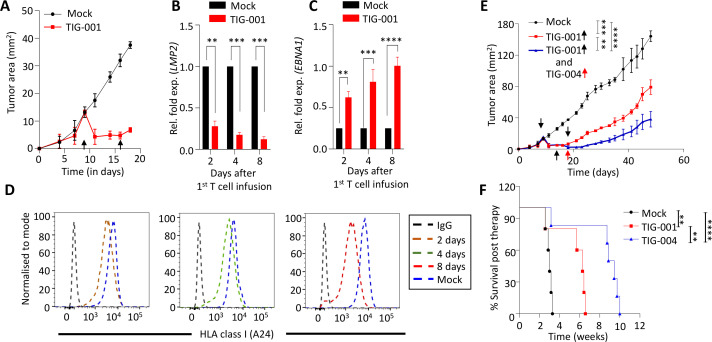
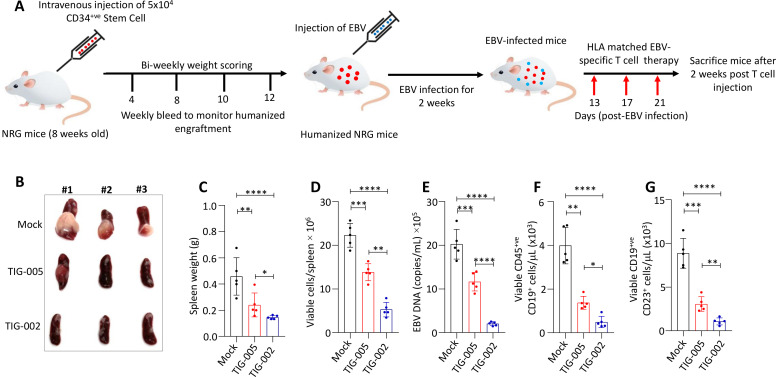
These allogeneic EBV-specific T cells efficiently recognized human leukocyte antigen (HLA)-matched EBNA1-expressing and/or LMP1 and LMP2-expressing malignant cells and demonstrated therapeutic potential in a number of in vivo models, including EBV lymphomas that emerged spontaneously in humanized mice following EBV infection. Interestingly, we were able to override resistance to T-cell therapy in vivo using a 'restriction-switching' approach, through sequential infusion of two different allogeneic T-cell therapies restricted through different HLA alleles. Furthermore, we have shown that inhibition of the programmed cell death protein-1/programmed death-ligand 1 axis in combination with EBV-specific T-cell therapy significantly improved overall survival of tumor-bearing mice when compared with monotherapy.
These findings suggest that restriction switching by sequential infusion of allogeneic T-cell therapies that target EBV through distinct HLA alleles may improve clinical response.
EB 病毒(EBV)是一种致癌的人类γ疱疹病毒,与上皮和 B 细胞来源的多种人类恶性肿瘤有关。最近的研究表明,同种异体“现成”病毒特异性 T 细胞疗法用于移植后病毒并发症具有良好的安全性和临床疗效。
我们从这些研究中得到启示,开发了一种使用复制缺陷型 AdE1-LMPpoly 载体的高效 EBV 特异性 T 细胞扩增工艺,该载体特异性靶向潜伏 II 期恶性肿瘤中表达的 EBV 编码核抗原 1(EBNA1)和潜伏膜蛋白 1 和 2(LMP1 和 LMP2)。
这些同种异体 EBV 特异性 T 细胞能够有效地识别 HLA 匹配的表达 EBNA1 和/或表达 LMP1 和 LMP2 的恶性细胞,并在多种体内模型中显示出治疗潜力,包括 EBV 淋巴瘤,这些淋巴瘤在 EBV 感染后自发出现在人源化小鼠中。有趣的是,我们能够通过使用“限制切换”方法在体内克服对 T 细胞治疗的抵抗,通过顺序输注两种不同的同种异体 T 细胞疗法,这些疗法通过不同的 HLA 等位基因受限。此外,我们已经表明,与单独使用 PD-1/PD-L1 轴抑制剂相比,与 EBV 特异性 T 细胞治疗联合使用可显著提高荷瘤小鼠的总生存率。
这些发现表明,通过输注针对 EBV 的不同 HLA 等位基因的同种异体 T 细胞疗法的顺序限制切换可能会改善临床反应。