Kumari Sushma, Chatterjee Kaushik
Department of Materials Engineering, Indian Institute of Science, Bangalore 560012, India.
APL Bioeng. 2021 Feb 9;5(1):011503. doi: 10.1063/5.0029486. eCollection 2021 Mar.
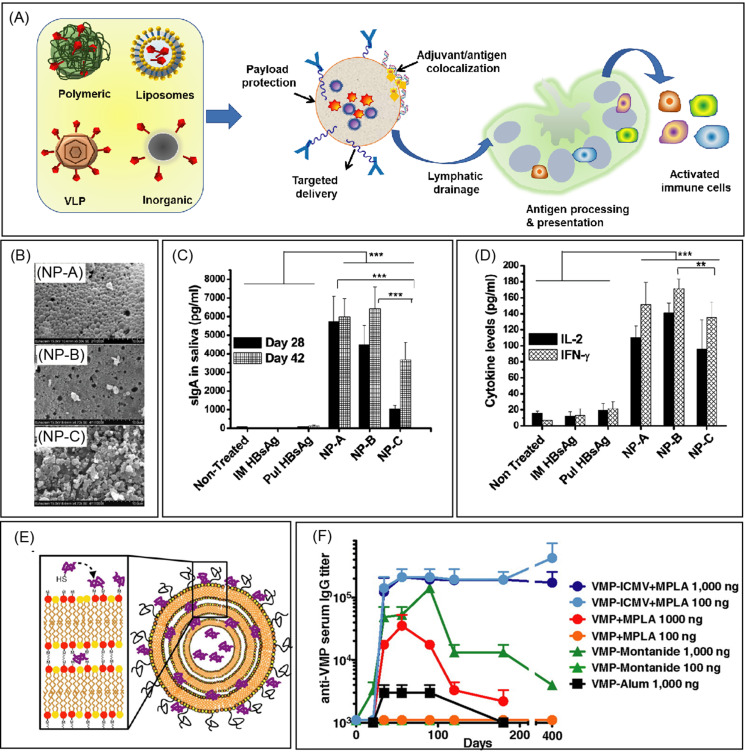
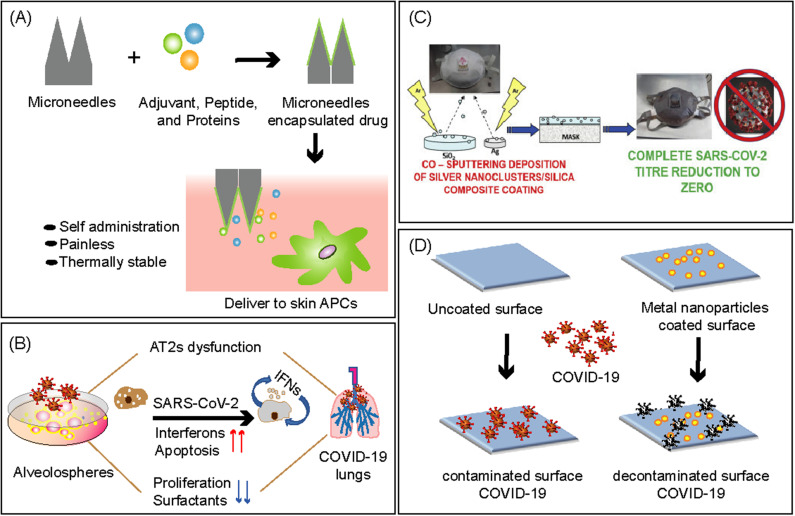
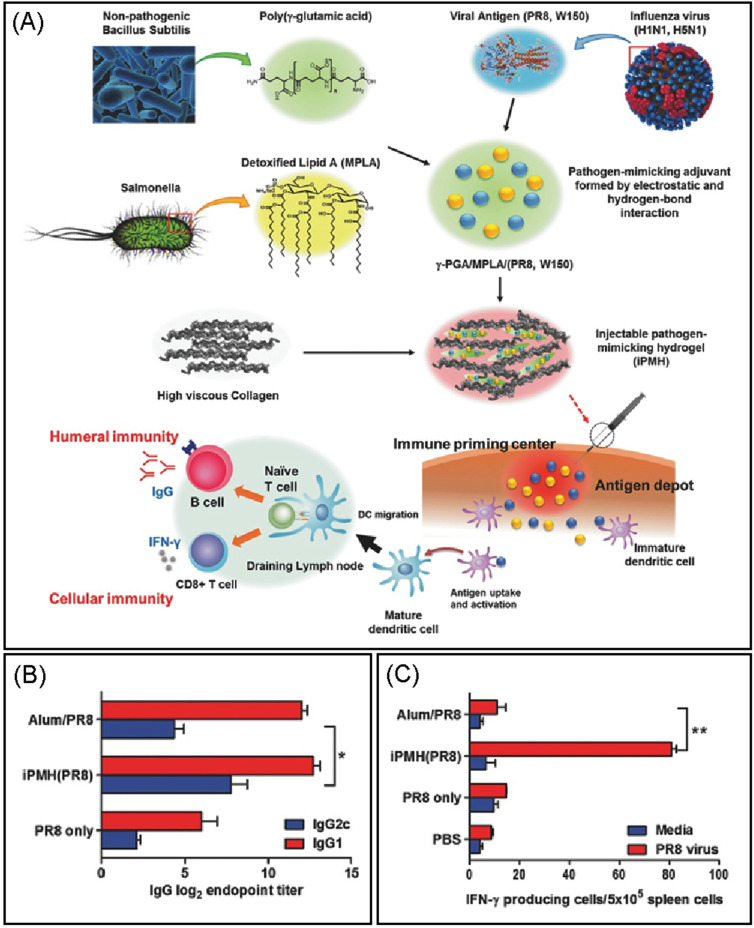
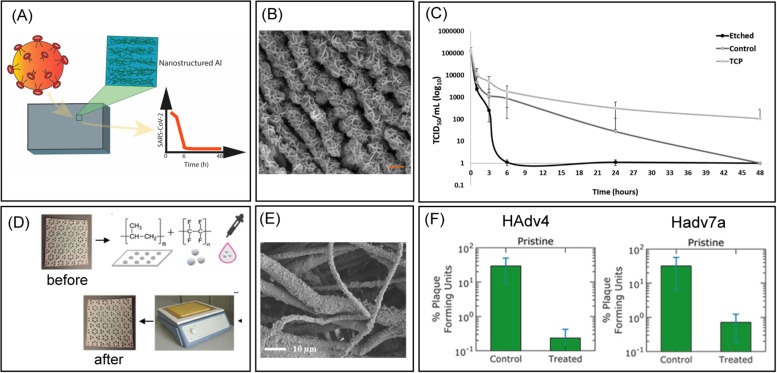
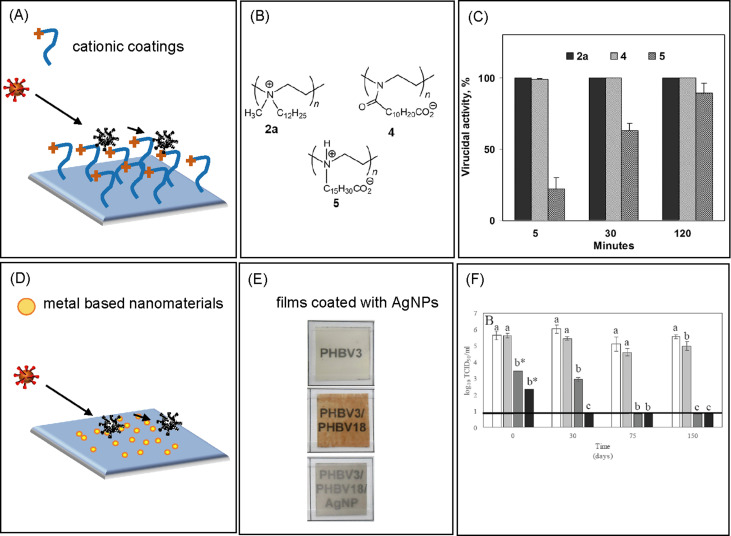
Rapidly growing viral infections are potent risks to public health worldwide. Accessible virus-specific antiviral vaccines and drugs are therapeutically inert to emerging viruses, such as Zika, Ebola, and severe acute respiratory syndrome coronavirus 2 (SARS-CoV-2). Therefore, discovering ways to prevent and control viral infections is among the foremost medical challenge of our time. Recently, innovative technologies are emerging that involve the development of new biomaterial-based formulations and surfaces endowed with broad-spectrum antiviral properties. Here, we review emerging biomaterials technologies for controlling viral infections. Relevant advances in biomaterials employed with nanotechnology to inactivate viruses or to inhibit virus replication and further their translation in safe and effective antiviral formulations in clinical trials are discussed. We have included antiviral approaches based on both organic and inorganic nanoparticles (NPs), which offer many advantages over molecular medicine. An insight into the development of immunomodulatory scaffolds in designing new platforms for personalized vaccines is also considered. Substantial research on natural products and herbal medicines and their potential in novel antiviral drugs are discussed. Furthermore, to control contagious viral infections, i.e., to reduce the viral load on surfaces, current strategies focusing on biomimetic anti-adhesive surfaces through nanostructured topography and hydrophobic surface modification techniques are introduced. Biomaterial surfaces functionalized with antimicrobial polymers and nanoparticles against viral infections are also discussed. We recognize the importance of research on antiviral biomaterials and present potential strategies for future directions in applying these biomaterial-based approaches to control viral infections and SARS-CoV-2.
快速增长的病毒感染对全球公共卫生构成了巨大风险。现有的针对特定病毒的抗病毒疫苗和药物对寨卡病毒、埃博拉病毒以及严重急性呼吸综合征冠状病毒2(SARS-CoV-2)等新兴病毒没有治疗效果。因此,探索预防和控制病毒感染的方法是我们这个时代最主要的医学挑战之一。最近,一些创新技术不断涌现,这些技术涉及开发具有广谱抗病毒特性的新型生物材料配方和表面。在此,我们综述了用于控制病毒感染的新兴生物材料技术。讨论了生物材料与纳米技术结合在临床试验中用于灭活病毒、抑制病毒复制以及在安全有效的抗病毒制剂中进一步抑制病毒翻译方面的相关进展。我们纳入了基于有机和无机纳米颗粒(NP)的抗病毒方法,这些方法比分子药物具有许多优势。还探讨了免疫调节支架在设计个性化疫苗新平台方面的发展情况。讨论了对天然产物和草药及其在新型抗病毒药物方面潜力的大量研究。此外,为了控制传染性病毒感染,即降低表面的病毒载量,介绍了目前通过纳米结构形貌和疏水表面改性技术构建仿生抗粘附表面的策略。还讨论了用抗菌聚合物和纳米颗粒功能化以对抗病毒感染的生物材料表面。我们认识到抗病毒生物材料研究的重要性,并提出了未来将这些基于生物材料的方法应用于控制病毒感染和SARS-CoV-2的潜在策略。