Department of Pathology, University of Illinois at Chicago, Chicago, IL 60612, United States.
J Virol Methods. 2021 May;291:114100. doi: 10.1016/j.jviromet.2021.114100. Epub 2021 Feb 15.
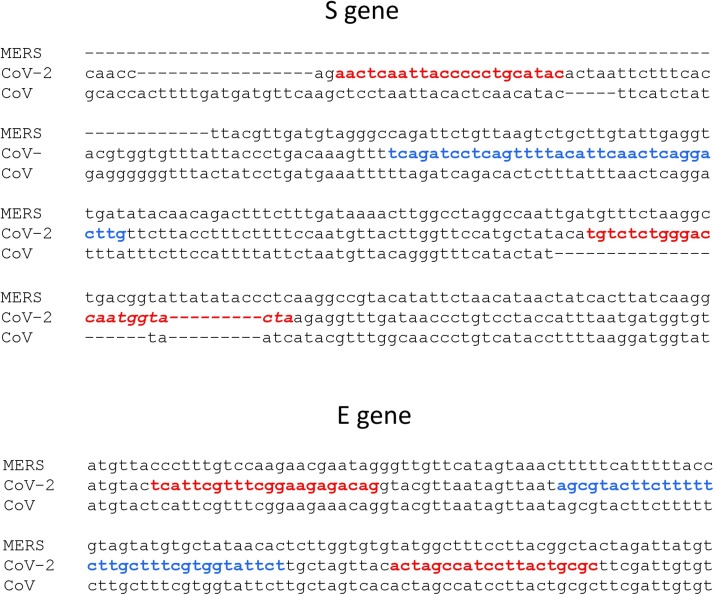
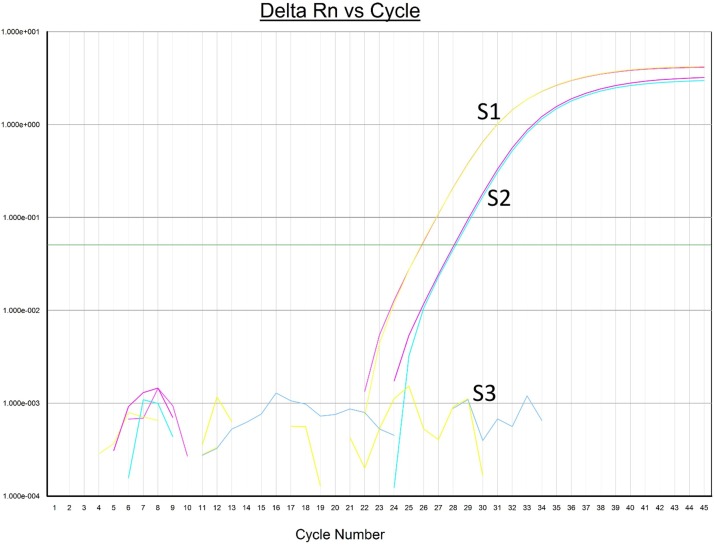
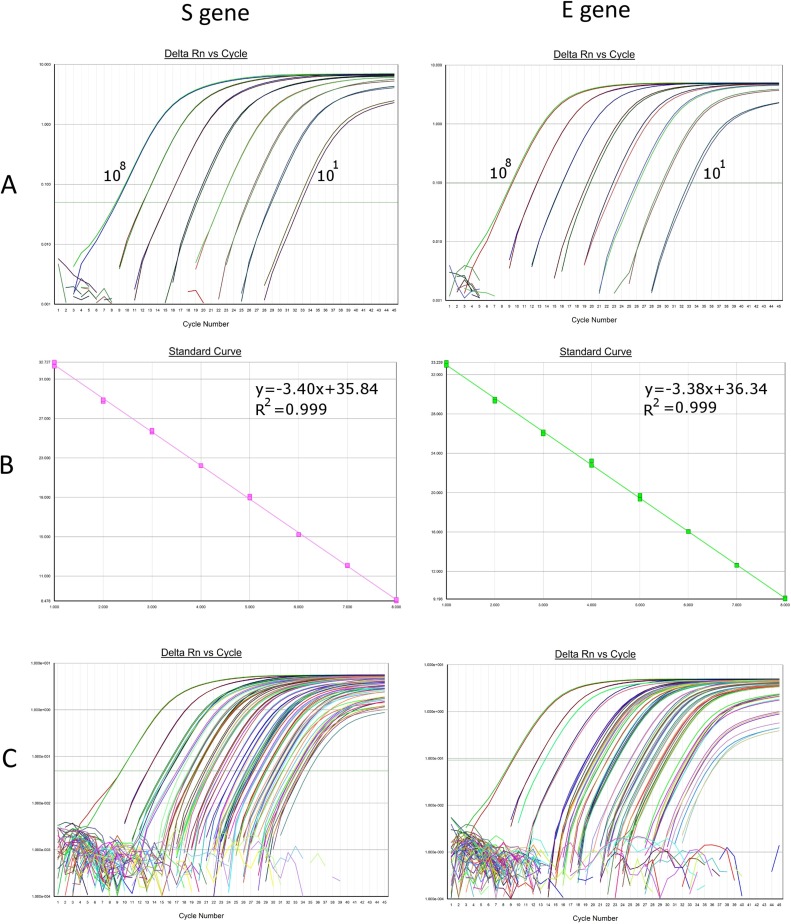
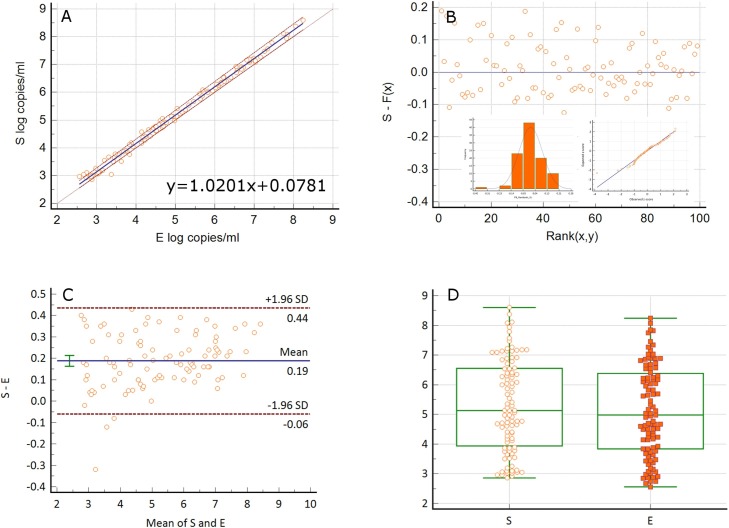
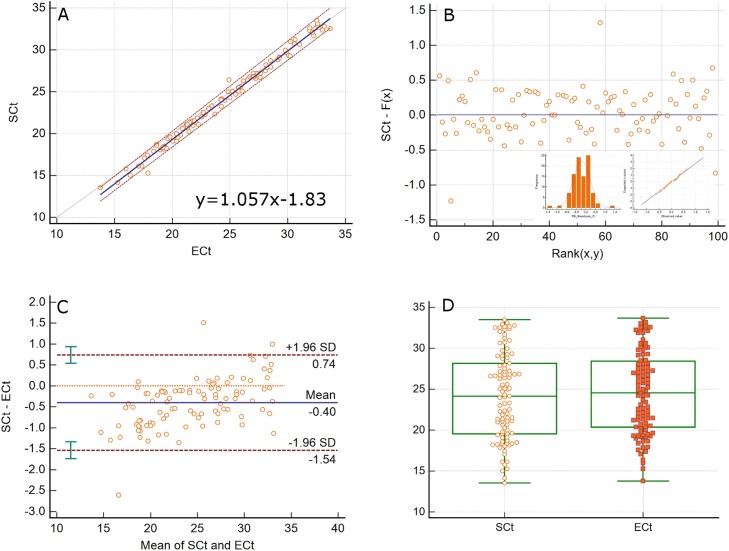
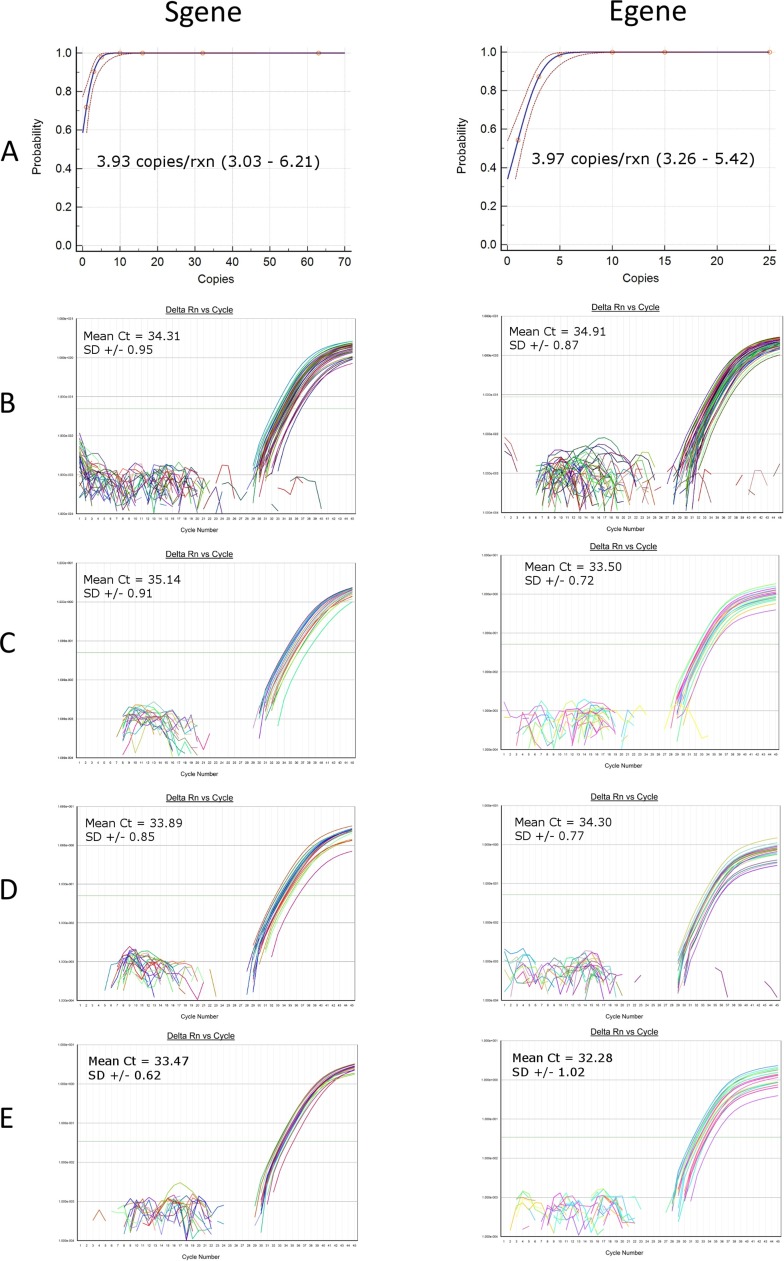
SARS-CoV-2 has infected more than 30 million persons throughout the world. A subset of patients suffer serious consequences that require hospitalization and ventilator support. Current tests for SARS-CoV-2 generate qualitative results and are vital to make a diagnosis of the infection. However, they are not helpful to follow changes in viral loads after diagnosis. The ability to quantitatively assess viral levels is necessary to determine the effectiveness of therapy with anti-viral or immune agents. Viral load analysis is also necessary to determine the replicative potential of strains with different mutations, emergence of resistance to anti-viral agents and the stability of viral nucleic acid and degree of RT-PCR inhibition in different types of collection media. Quantitative viral load analysis in body fluids, plasma and tissue may be helpful to determine the effects of the infection in various organ systems. To address these needs, we developed two assays to quantitate SARS-CoV-2. The assays target either the S or E genes in the virus, produce comparable viral load results, are highly sensitive and specific and have a wide range of quantitation. We believe that these assays will be helpful to manage the clinical course of infected patients and may also help to better understand the biology of infection with SARS-CoV-2.
SARS-CoV-2 已在全球范围内感染了超过 3000 万人。一部分患者出现严重后果,需要住院治疗和呼吸机支持。目前用于检测 SARS-CoV-2 的方法可提供定性结果,对确诊感染至关重要。然而,这些方法并不能帮助监测诊断后的病毒载量变化。定量评估病毒水平的能力对于确定抗病毒或免疫制剂治疗的效果是必要的。病毒载量分析对于确定具有不同突变的病毒株的复制能力、抗病毒药物耐药性的出现以及不同类型采集介质中病毒核酸的稳定性和 RT-PCR 抑制程度也是必要的。对体液、血浆和组织中的病毒载量进行定量分析可能有助于确定感染对不同器官系统的影响。为满足这些需求,我们开发了两种定量检测 SARS-CoV-2 的方法。这两种方法均针对病毒的 S 或 E 基因,产生可比的病毒载量结果,具有高度的敏感性和特异性,且定量范围广泛。我们相信这些方法将有助于管理感染患者的临床病程,也可能有助于更好地了解 SARS-CoV-2 感染的生物学特性。