Ibrahim Muntaser, Salih Abdalhameed
Institute of Endemic Diseases, University of Khartoum, Medical Campus Qasser Street, Khartoum, Sudan.
Hum Genome Var. 2021 Feb 18;8(1):11. doi: 10.1038/s41439-021-00141-1.
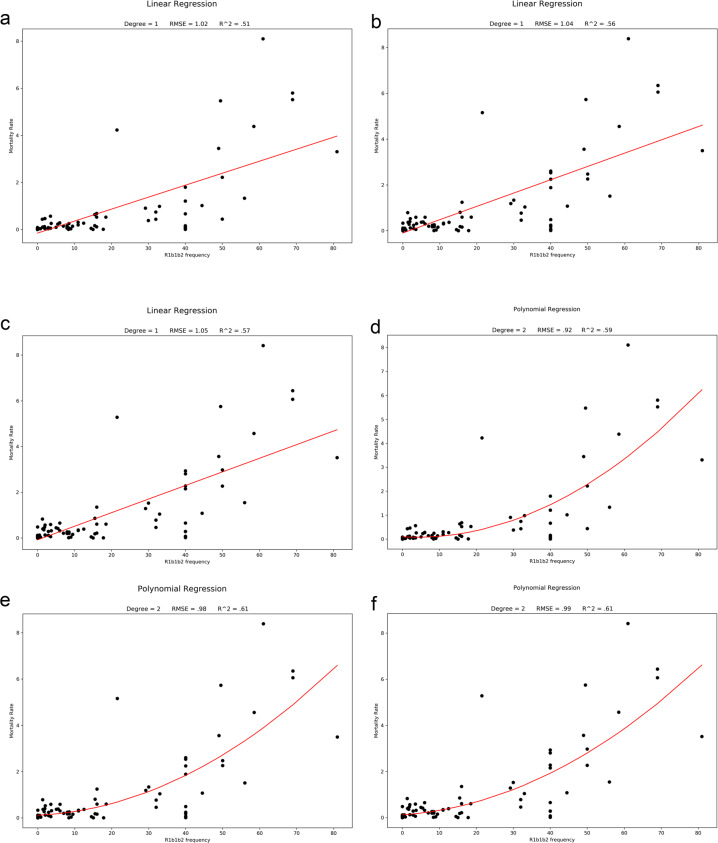
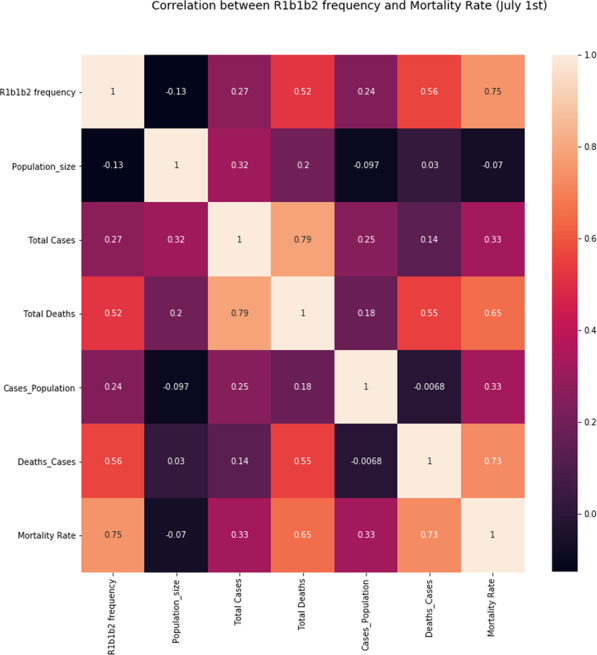
Individual and population susceptibilities to disease remain a murky area of investigation, clouded by past bias based on ideological differences and wars. The current SARS-CoV-2 pandemic, the largest in living memory, brought this matter to forefront as the disparity in disease burden became apparent. A timeline analysis of the pandemic revealed the presence of country clusters that display a marked preponderance of disease among populations carrying the ancestry marker R1b1b2, notably associated with both infection and mortality. This marker is a relic of past human expansions from western Asia and subsequently Europe and the rest of the world, which may have been accompanied by peculiar biological events rendering these populations vulnerable to SARS-CoV-2.
个体和人群对疾病的易感性仍是一个模糊的研究领域,过去基于意识形态差异和战争的偏见使其蒙上阴影。当前记忆中规模最大的新冠疫情,随着疾病负担差异变得明显,将这个问题推到了前沿。对该疫情的时间线分析显示,存在一些国家集群,在携带祖先标记R1b1b2的人群中疾病明显占优势,这尤其与感染和死亡率相关。这个标记是过去人类从西亚继而欧洲及世界其他地区扩张的遗迹,这一过程可能伴随着特殊的生物学事件,使这些人群易感染新冠病毒。