Wang Yutao, Xie Yingzhong, Rapson Gillian, Ma Hongbin, Jing Le, Zhang Yi, Zhang Juan, Li Jianping
School of Agriculture, Ningxia University, Yinchuan, Ningxia, China.
School of Agriculture and Environment, Massey University, Palmerston North, New Zealand.
PeerJ. 2021 Feb 2;9:e10729. doi: 10.7717/peerj.10729. eCollection 2021.
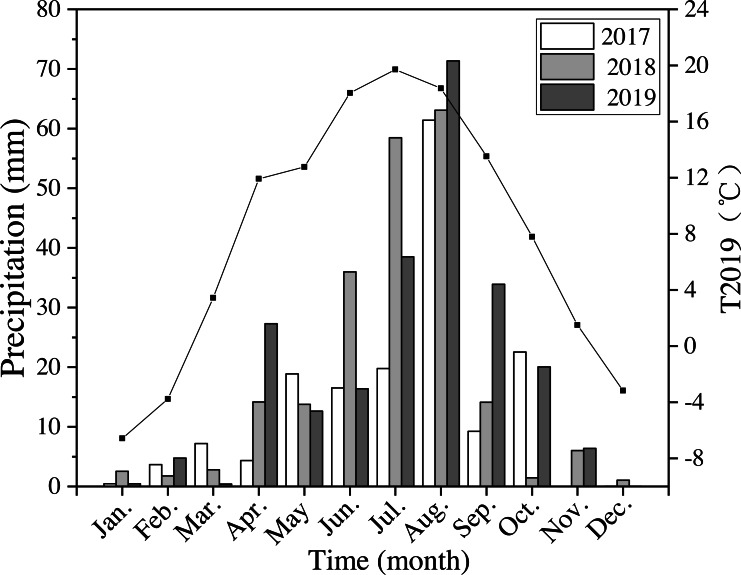
Precipitation influences the vulnerability of grassland ecosystems, especially upland grasslands, and soil respiration is critical for carbon cycling in arid grassland ecosystems which typically experience more droughty conditions.
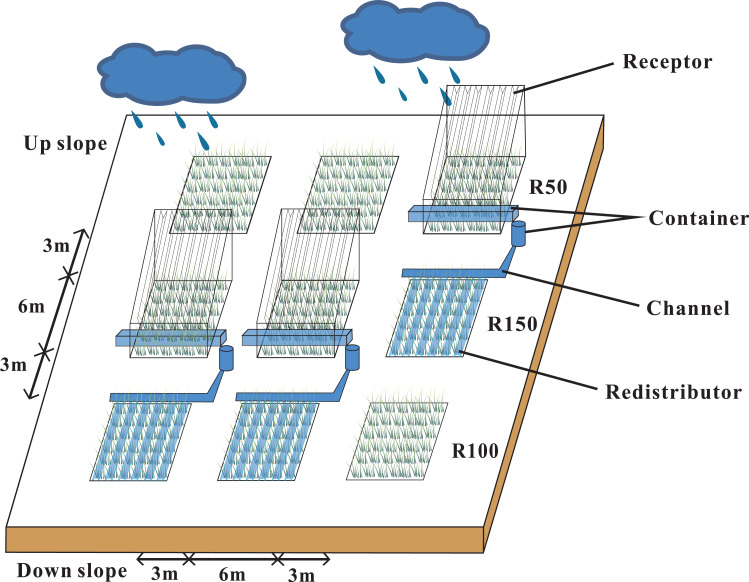
We used three precipitation treatments to understand the effect of precipitation on soil respiration of a typical arid steppe in the Loess Plateau in north-western China. Precipitation was captured and relocated to simulate precipitation rates of 50%, 100%, and 150% of ambient precipitation.
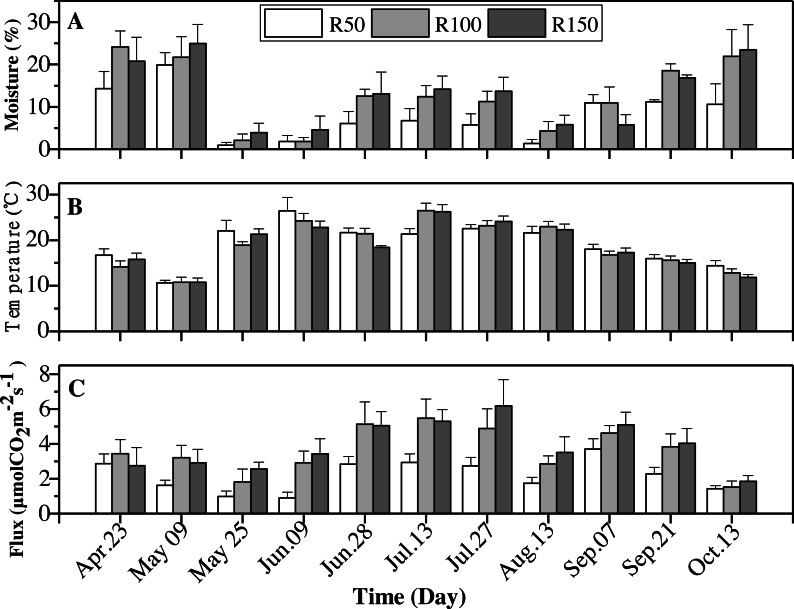
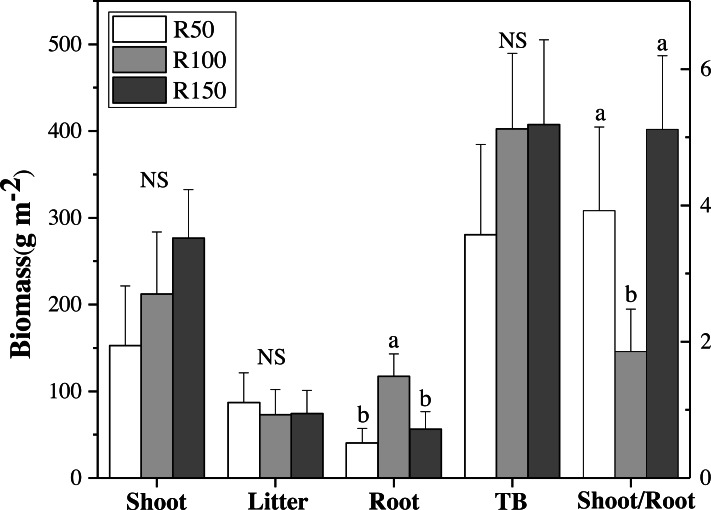
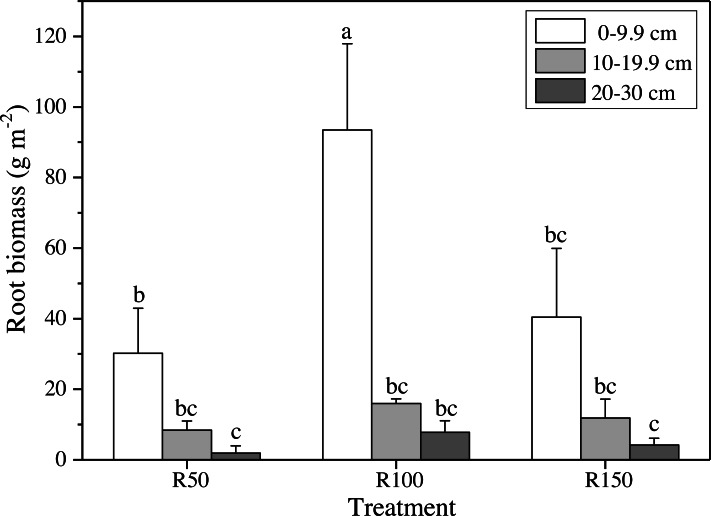
Soil moisture was influenced by all precipitation treatments. Shoot biomass was greater, though non-significantly, as precipitation increased. However, both increase and decrease of precipitation significantly reduced root biomass. There was a positive linear relationship between soil moisture and soil respiration in the study area during the summer (July and August), when most precipitation fell. Soil moisture, soil root biomass, pH, and fungal diversity were predictors of soil respiration based on partial least squares regression, and soil moisture was the best of these.
Our study highlights the importance of increased precipitation on soil respiration in drylands. Precipitation changes can cause significant alterations in soil properties, microbial fungi, and root biomass, and any surplus or transpired moisture is fed back into the climate, thereby affecting the rate of soil respiration in the future.
降水影响草原生态系统的脆弱性,尤其是山地草原,而土壤呼吸对于干旱草原生态系统的碳循环至关重要,干旱草原生态系统通常经历更为干旱的条件。
我们采用三种降水处理方式,以了解降水对中国西北黄土高原典型干旱草原土壤呼吸的影响。收集降水并重新分配,以模拟相当于环境降水50%、100%和150%的降水速率。
所有降水处理方式均对土壤湿度产生影响。随着降水增加,地上生物量虽无显著增加,但有所增大。然而,降水的增加和减少均显著降低了根系生物量。在夏季(7月和8月)大部分降水期间,研究区域内土壤湿度与土壤呼吸之间存在正线性关系。基于偏最小二乘回归分析,土壤湿度、土壤根系生物量、pH值和真菌多样性是土壤呼吸的预测因子,其中土壤湿度是最佳预测因子。
我们的研究突出了增加降水对旱地土壤呼吸的重要性。降水变化可导致土壤性质、微生物真菌和根系生物量发生显著改变,任何多余或蒸腾的水分都会反馈到气候中,从而影响未来的土壤呼吸速率。