Wang Yutao, Xie Yingzhong, Ma Hongbin, Zhang Yi, Zhang Juan, Zhang Hao, Luo Xu, Li Jianping
College of Agriculture, Ningxia University, Yinchuan 750021, China.
Microorganisms. 2022 Apr 14;10(4):817. doi: 10.3390/microorganisms10040817.
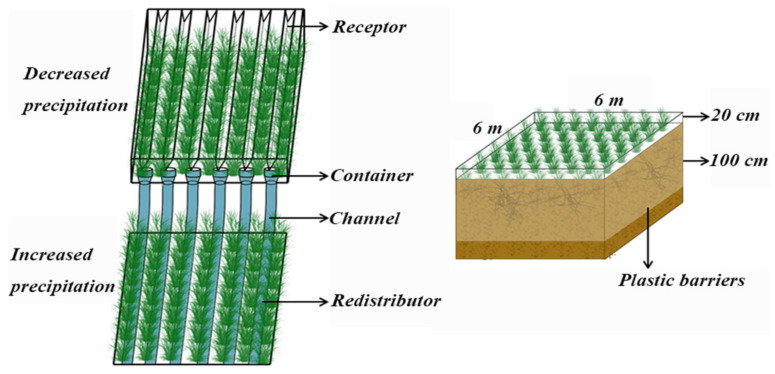
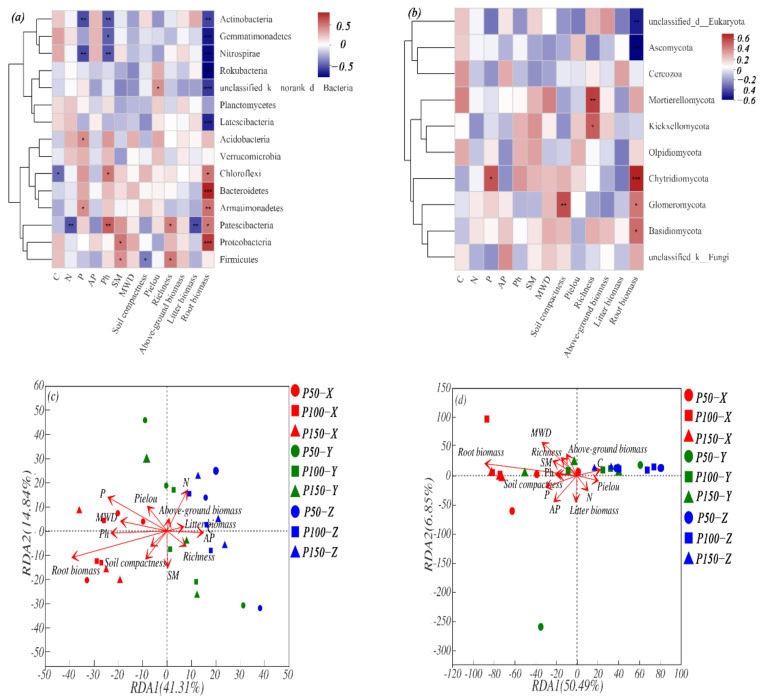
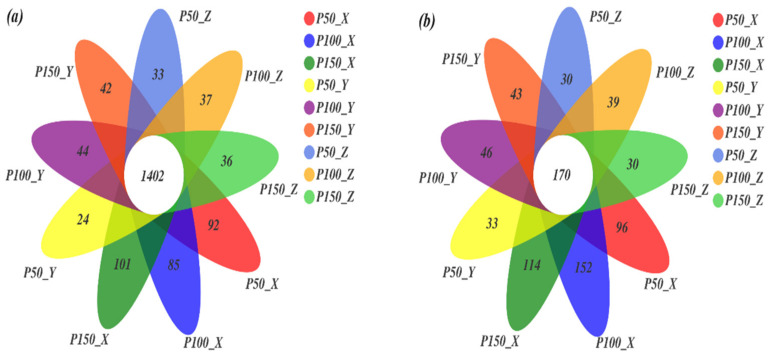
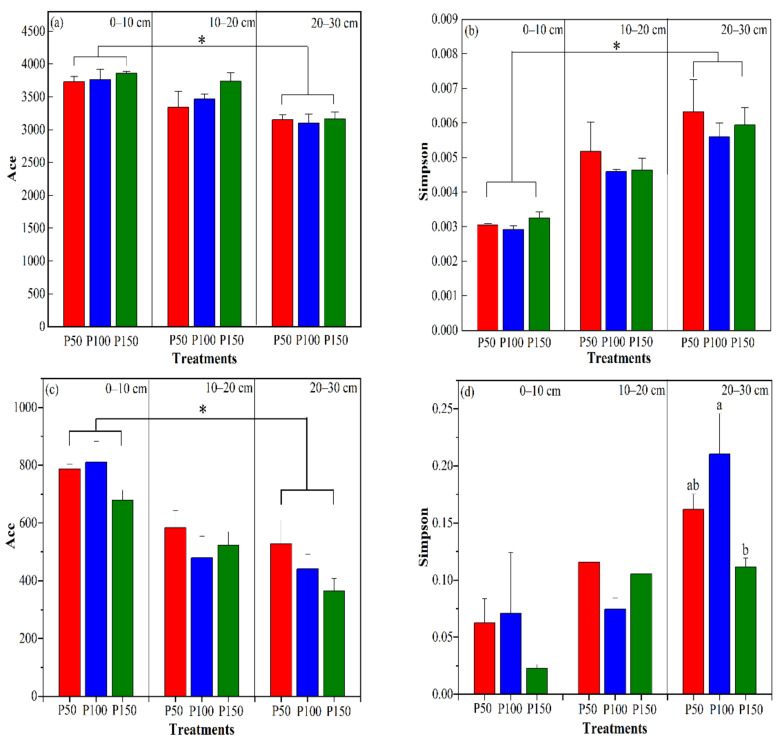
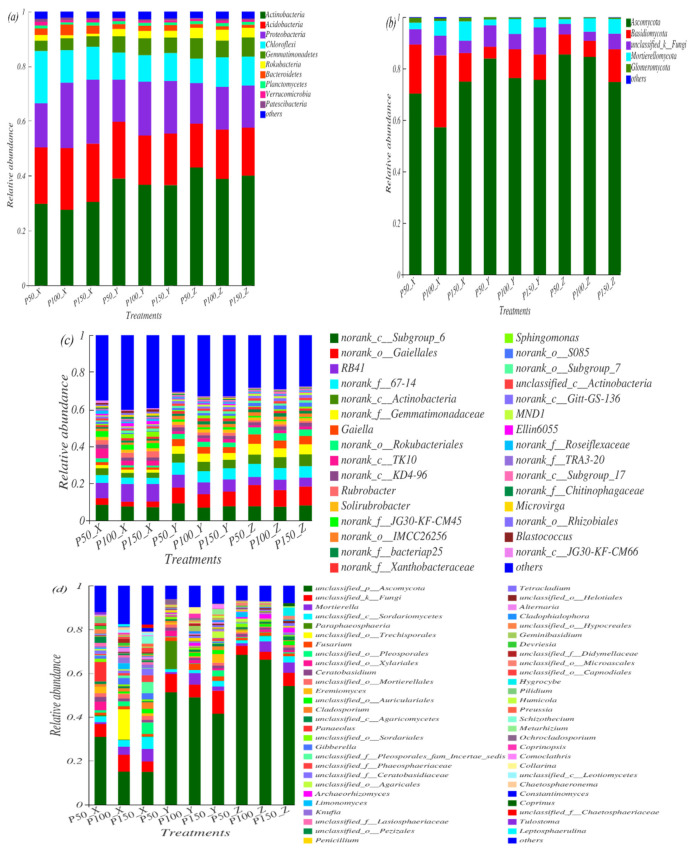
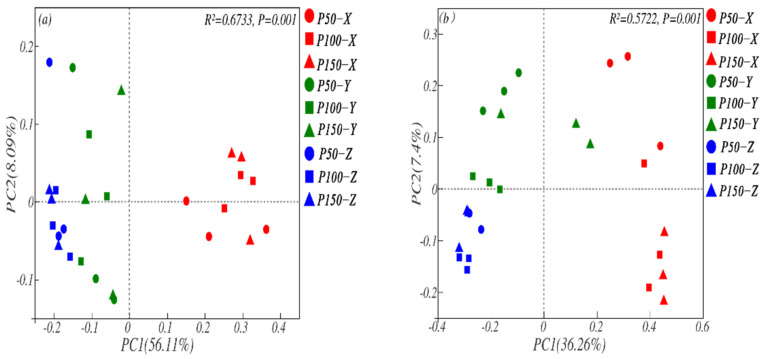
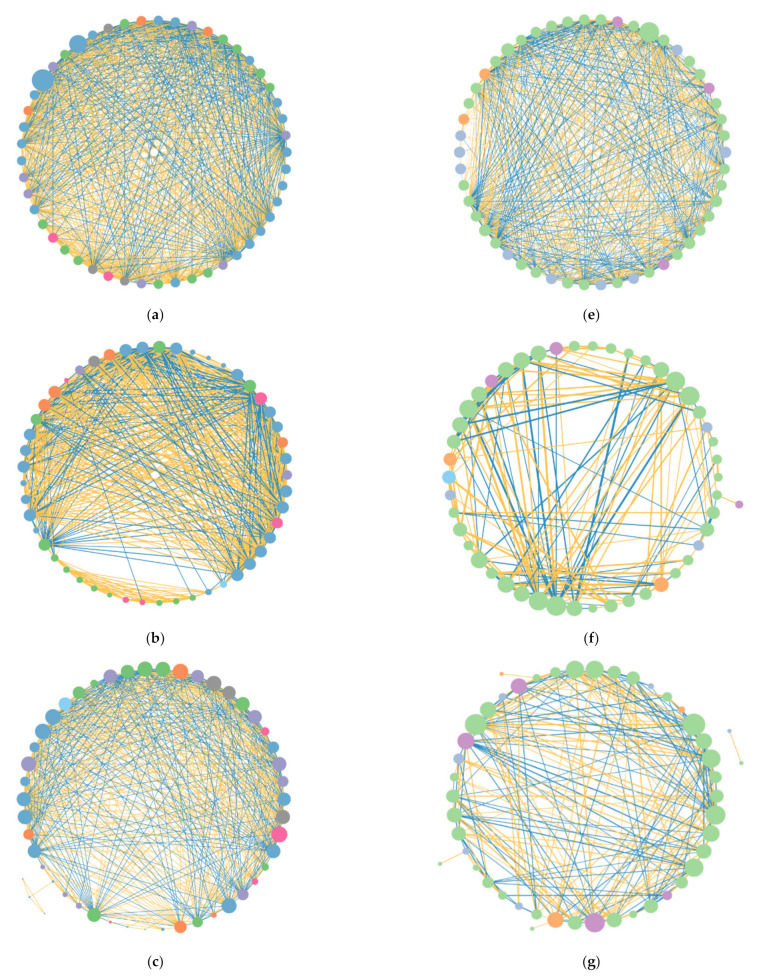
The response of microbial communities to changes in precipitation can regulate the nutrition cycling of terrestrial ecosystems, but the effect on the structure and interaction of microbial communities and the relationship with environmental factors in arid and semiarid areas are unclear. Here, a field simulation experiment using three precipitation gradients, 50% of normal precipitation (P50), normal precipitation (P100) and 150% of normal precipitation (P150), was carried out in the typical grassland of the Loess Plateau. We applied high-throughput sequencing and network analysis to explore the effect of precipitation changes to soil microbial communities. The results indicated that the structural composition of the microbial community responded to precipitation treatments dramatically. The Top 50 microbials were divided into resource-limited, drought-tolerant and sensitive groups based on their response to altered precipitation. The network of bacteria was more complex and stronger than fungi. Bacterial networks were less stable but more adaptable under drought than fungal. Increasing precipitation promoted the complication and firmness of fungi networks. These findings are crucial for revealing the effects of climate change on soil microbial communities in arid-land and elsewhere and can provide valuable guidance for ecological restoration and response to climate change of the Loess Plateau.
微生物群落对降水变化的响应能够调节陆地生态系统的养分循环,但其对干旱和半干旱地区微生物群落结构与相互作用的影响以及与环境因子的关系尚不清楚。在此,我们在黄土高原典型草原开展了一项田间模拟实验,设置了三个降水梯度,分别为正常降水量的50%(P50)、正常降水量(P100)和正常降水量的150%(P150)。我们运用高通量测序和网络分析来探究降水变化对土壤微生物群落的影响。结果表明,微生物群落的结构组成对降水处理反应显著。根据对降水变化的响应,排名前50的微生物被分为资源受限型、耐旱型和敏感型。细菌网络比真菌网络更复杂且连接性更强。在干旱条件下,细菌网络稳定性较差,但适应性比真菌更强。降水增加促进了真菌网络的复杂性和稳定性。这些发现对于揭示气候变化对干旱地区及其他地区土壤微生物群落的影响至关重要,并可为黄土高原的生态恢复和应对气候变化提供有价值的指导。