Faculty of Agriculture, University of Mauritius, Reduit, Moka, Republic of Mauritius.
Department of Pathology, Microbiology & Immunology, School of Medicine, University of South Carolina, 202 Osborne Administration Building, Columbia, SC, 29208, USA.
Sci Rep. 2021 Feb 19;11(1):4272. doi: 10.1038/s41598-021-83461-0.
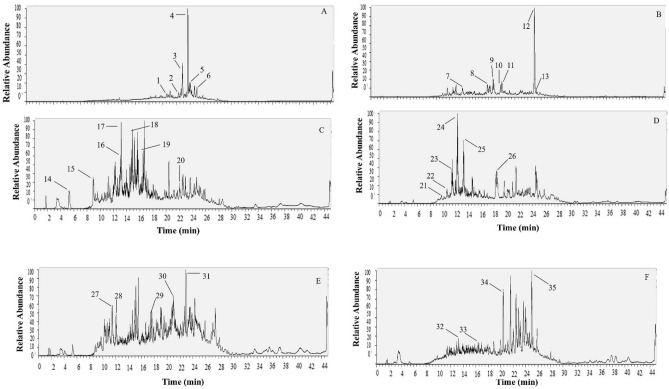
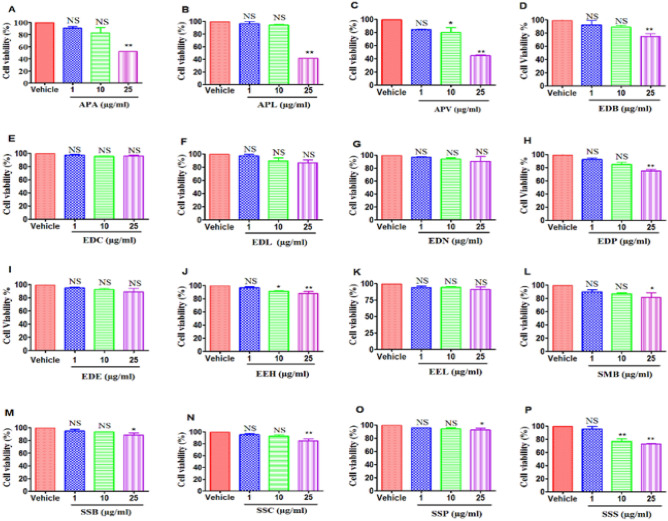
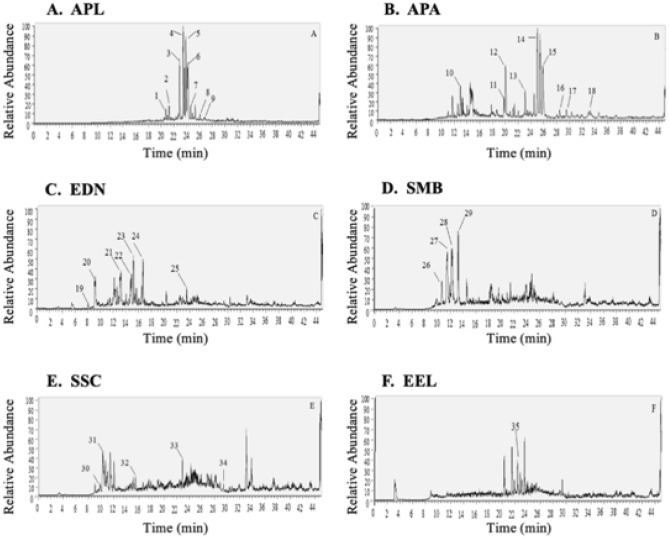
Mauritius Island possesses unique plant biodiversity with a potential reservoir of biologically active compounds of pharmacological interest. In the current study, we investigated Mauritius endemic plant families Asteraceae, Ebenaceae, Sapotaceae, and Erythroxylaceae, for anti-cancer properties on T cell lymphoma and B16F10 Melanoma cells and immunomodulatory properties on primary T and B cells. The cytotoxicity of methanolic plant extracts at 1, 10, 25 µg/ml was determined. The most active plant species were evaluated for their apoptosis-inducing effects. The immunomodulatory properties of the plants were also studied, and preliminary phytochemical screening of selected plants was done by LC-MS analysis. Psiadia lithospermifolia (Lam.) Cordem (Asteraceae) at 25 µg/ml was the most cytotoxic on both EL4 and B16 cells and triggered apoptosis by the death receptor pathway, and at least in part, by the mitochondrial pathway. Most plant species from Asteraceae, Ebenaceae, Erythroxylaceae, and Sapotaceae inhibited the proliferation of activated T and B cells, although some promoted T cell proliferation. LC-MS profile of Asteraceae plants showed the presence of terpenes, terpenoids, fatty acids, and phenolic. Flavonoids and phenolic acid were also detected from Ebenaceae and Sapotaceae plants. Together, our study demonstrated that Mauritius endemic flora exhibit potential anti-cancer and anti-inflammatory properties worthy of further in-depth studies.
毛里求斯岛拥有独特的植物生物多样性,是具有潜在生物活性的化合物的宝库,具有药理作用。在目前的研究中,我们研究了毛里求斯特有的植物科,即菊科、柿科、山榄科和远志科,以评估它们对 T 细胞淋巴瘤和 B16F10 黑色素瘤细胞的抗癌特性以及对原代 T 和 B 细胞的免疫调节特性。在 1、10、25μg/ml 下测定了甲醇植物提取物的细胞毒性。评估最活跃的植物物种对它们的诱导凋亡作用。还研究了植物的免疫调节特性,并通过 LC-MS 分析对选定植物进行了初步的植物化学筛选。石蚕 Lithospermifolium (Lam.) Cordem(菊科)在 25μg/ml 时对 EL4 和 B16 细胞最具细胞毒性,并通过死亡受体途径和至少部分通过线粒体途径触发细胞凋亡。来自菊科、柿科、远志科和山榄科的大多数植物物种都抑制了活化 T 和 B 细胞的增殖,尽管有些促进了 T 细胞的增殖。菊科植物的 LC-MS 图谱显示存在萜类、萜类、脂肪酸和酚类。从柿科和山榄科植物中也检测到黄酮类和酚酸。总之,我们的研究表明,毛里求斯特有植物群具有潜在的抗癌和抗炎特性,值得进一步深入研究。