Jiao Zhicheng, Du Huan, Chen Shu, Huang Wei, Ge Liangfa
College of Forestry and Landscape Architecture, South China Agricultural University, Guangzhou, China.
Guangdong Key Laboratory for Innovative Development and Utilization of Forest Plant Germplasm, South China Agricultural University, Guangzhou, China.
Front Plant Sci. 2021 Jan 15;11:606241. doi: 10.3389/fpls.2020.606241. eCollection 2020.
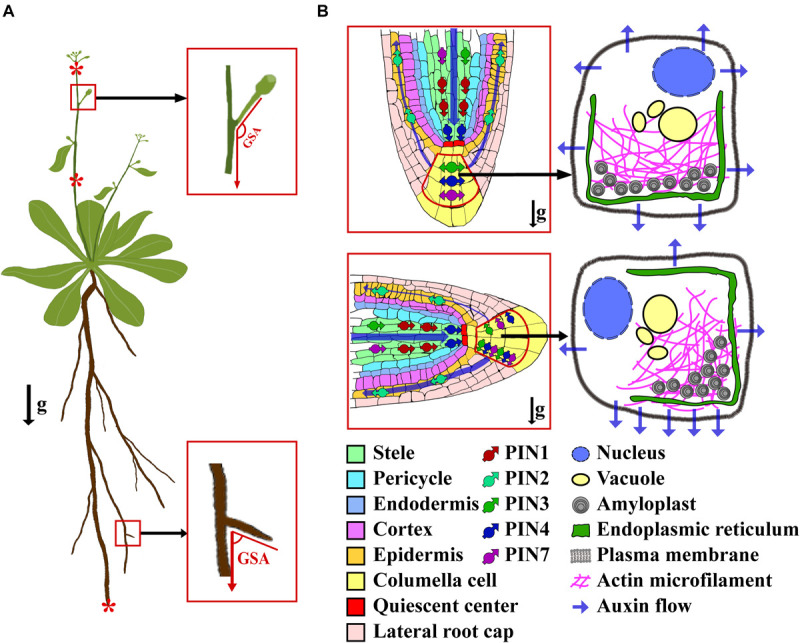
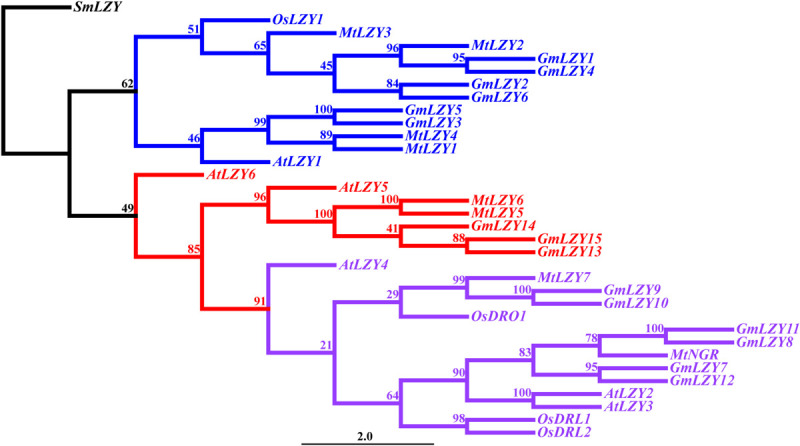
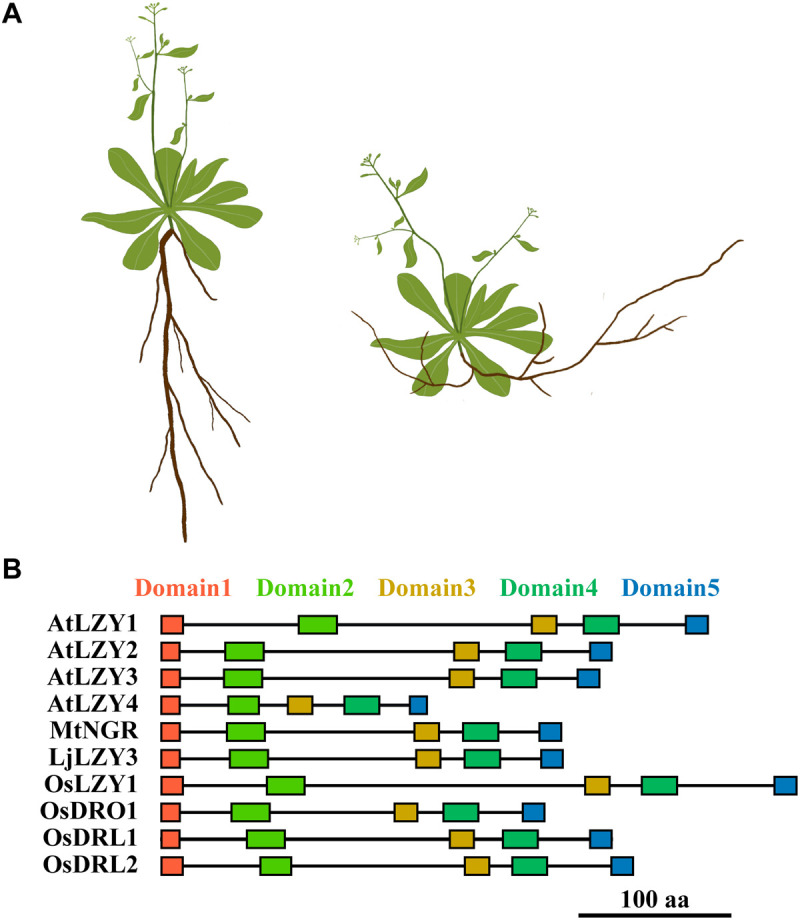
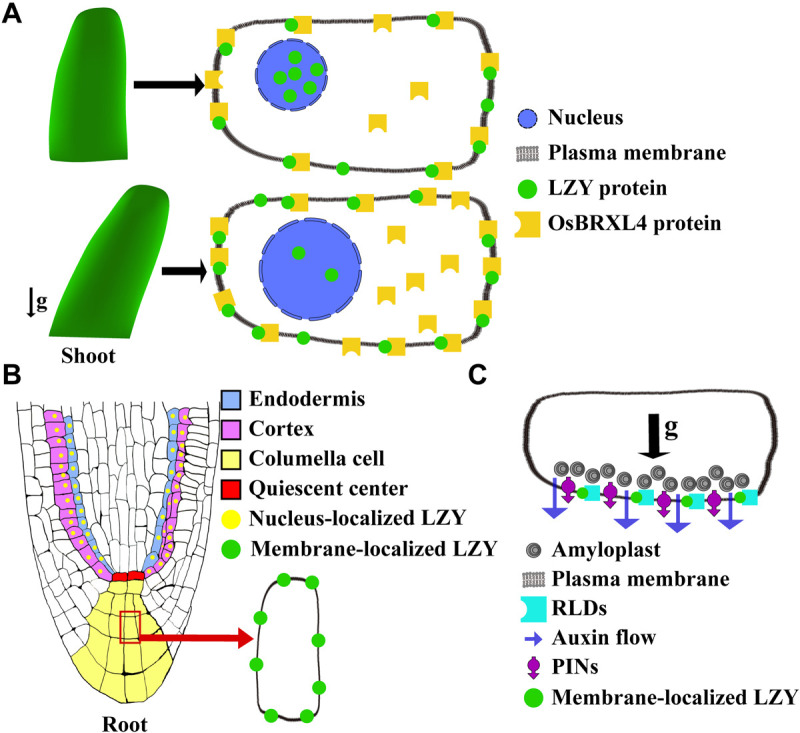
Adapting to the omnipresent gravitational field was a fundamental basis driving the flourishing of terrestrial plants on the Earth. Plants have evolved a remarkable capability that not only allows them to live and develop within the Earth's gravity field, but it also enables them to use the gravity vector to guide the growth of roots and shoots, in a process known as gravitropism. Triggered by gravistimulation, plant gravitropism is a highly complex, multistep process that requires many organelles and players to function in an intricate coordinated way. Although this process has been studied for several 100 years, much remains unclear, particularly the early events that trigger the relocation of the auxin efflux carrier PIN-FORMED (PIN) proteins, which presumably leads to the asymmetrical redistribution of auxin. In the past decade, the gene family has been identified as a crucial player that ensures the proper redistribution of auxin and a normal tropic response for both roots and shoots upon gravistimulation. LAZY proteins appear to be participating in the early steps of gravity signaling, as the mutation of genes consistently leads to altered auxin redistribution in multiple plant species. The identification and characterization of the gene family have significantly advanced our understanding of plant gravitropism, and opened new frontiers of investigation into the novel molecular details of the early events of gravitropism. Here we review current knowledge of the gene family and the mechanism modulated by LAZY proteins for controlling both roots and shoots gravitropism. We also discuss the evolutionary significance and conservation of the gene family in plants.
适应无处不在的引力场是推动地球上陆地植物繁荣的一个基本基础。植物进化出了一种非凡的能力,不仅使它们能够在地球引力场中生存和发育,还能利用重力矢量来引导根和茎的生长,这一过程称为向重力性。由重力刺激引发的植物向重力性是一个高度复杂的多步骤过程,需要许多细胞器和参与者以复杂的协调方式发挥作用。尽管这个过程已经研究了几百年,但仍有许多不清楚的地方,特别是触发生长素外流载体PIN-FORMED(PIN)蛋白重新定位的早期事件,这可能导致生长素的不对称重新分布。在过去十年中,LAZY基因家族已被确定为一个关键参与者,可确保生长素的适当重新分布以及根和茎在重力刺激下的正常向性反应。LAZY蛋白似乎参与了重力信号传导的早期步骤,因为LAZY基因的突变在多种植物物种中始终导致生长素重新分布的改变。LAZY基因家族的鉴定和表征极大地推进了我们对植物向重力性的理解,并为研究向重力性早期事件的新分子细节开辟了新的前沿领域。在这里,我们综述了关于LAZY基因家族的现有知识以及由LAZY蛋白调节的控制根和茎向重力性的机制。我们还讨论了LAZY基因家族在植物中的进化意义和保守性。