Wilfried Dimpfel, Nina Chiegoua Dipah Gwladys, Silvia Bommer
Justus-Liebig-University Giessen c/o NeuroCode AG, Wetzlar, Germany.
NeuroCode AG, Wetzlar, Germany.
Heliyon. 2021 Feb 10;7(2):e05910. doi: 10.1016/j.heliyon.2021.e05910. eCollection 2021 Feb.
To evaluate efficacy and safety of fresh extract tablets in relieving typical symptoms in menopausal women and to gain insight in the mode of action by measuring altered cerebral wave intensities.
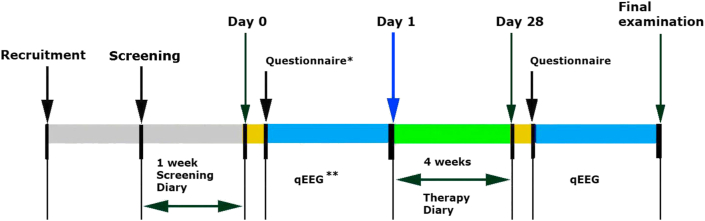
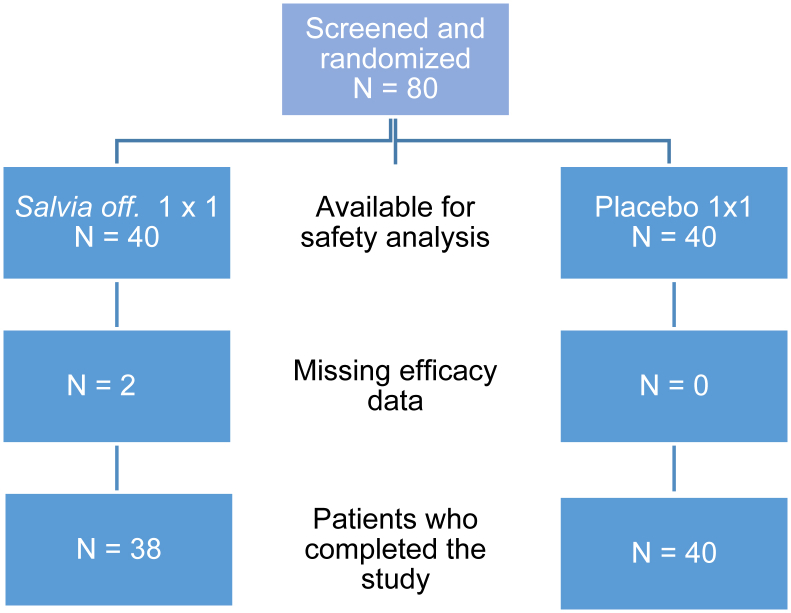
Randomized 80 menopausal women from 48 - 65 years of age received Menosan® tablets [3'400 mg ethanolic extract of freshly harvested ] or placebo under double-blind conditions for 4 weeks. An efficacy analysis evaluated the developments of the menopausal rating scale [MRS], hot flush severity score [HFS] and quantitative electroencephalography [qEEG] intensities in the per protocol population. Results were further corroborated by data from the intention to treat population including late postmenopausal women.
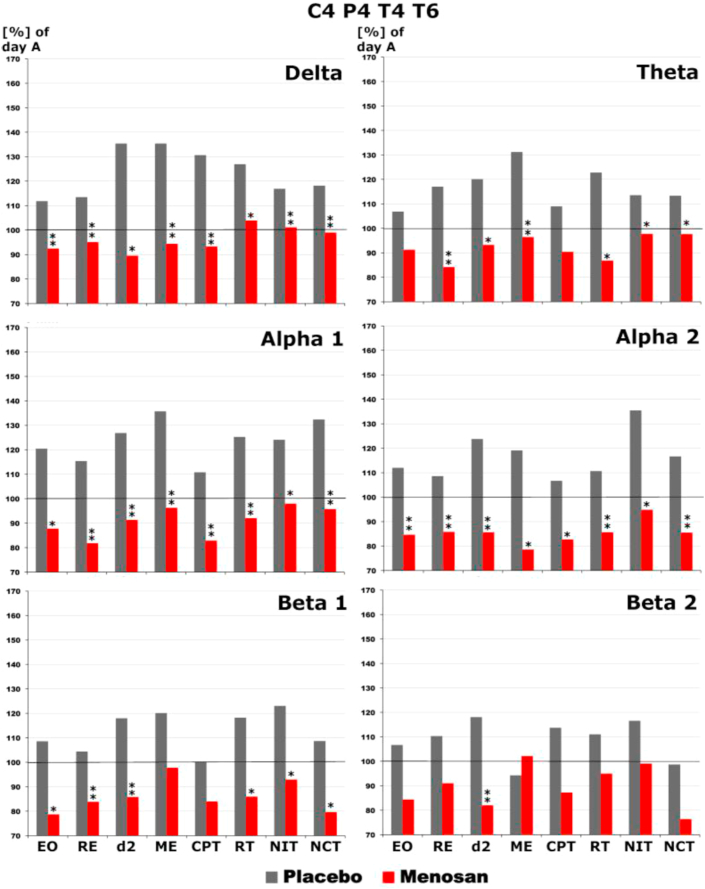
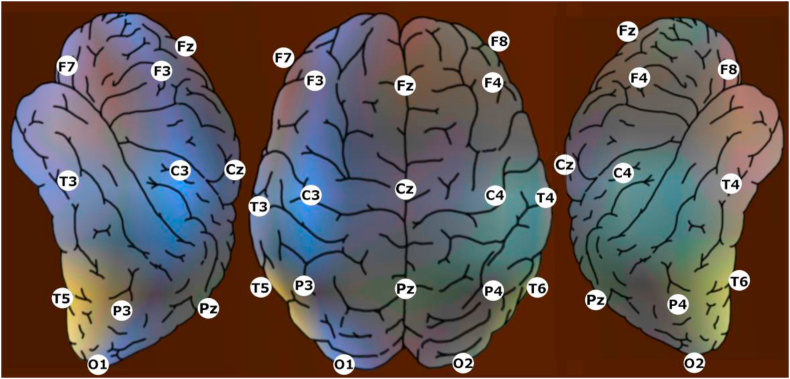
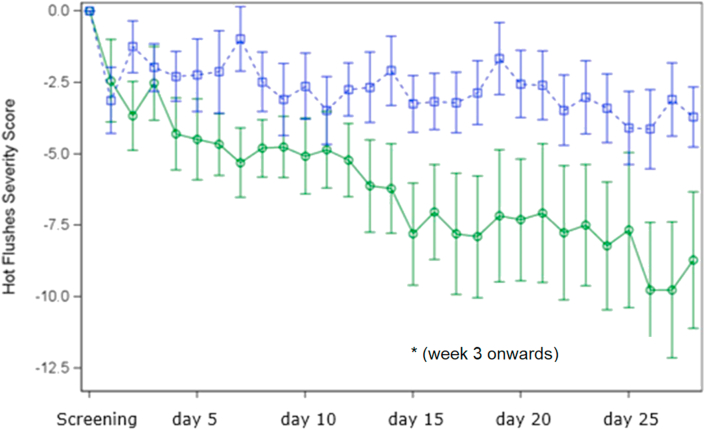
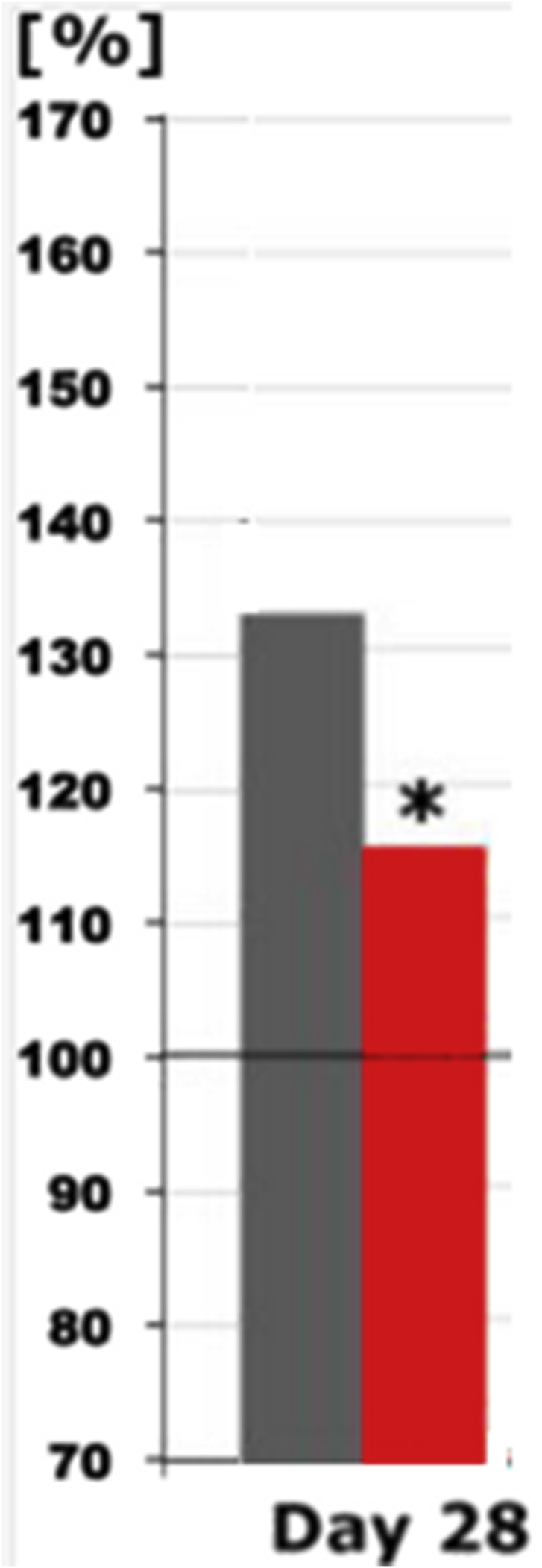
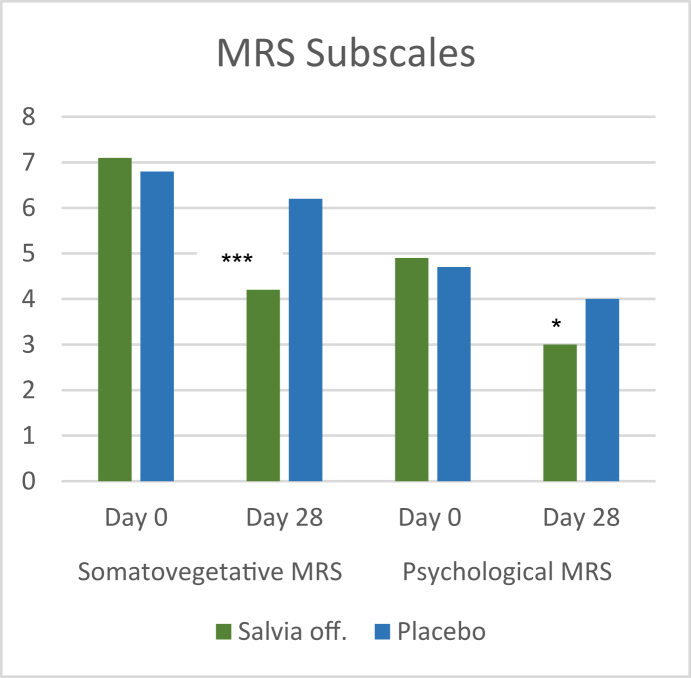
distinctly reduced MRS by 39.2% from 15.3 ± 6.87 to 9.3 ± 5.75 and significantly in comparison to placebo (p = 0.002). The HFS score decreased by 55.3% from 15.9 ± 13.77 to 7.1 ± 7.41, reaching significance on week 3 onwards (p = 0.028). Clinical effects of correlated with relevant reduction of frontal lobe beta2 wave qEEG intensities at electrodes F3/4/7/8 and are underpinned by secondary parameters and ITT analysis. within 4 weeks significantly reduced the somato-vegetative (e.g. hot flushes) and psychological MRS subscale (e.g. physical and mental exhaustion) subscale (p < 0.05) without a significant effect on the genito-urinary subscale. A positive impact of compared to placebo was furthermore seen on sleep quality, discontent and fatigue (p < 0.05) as evidenced by sleep and profile of mood state questionnaires.Tolerability was uniformly rated as very good for extract and placebo, with an overall incidence of three adverse events in total, none of which treatment-related.
The results support the use of for the specific treatment of a wide range of somato-vegetative and psychological symptoms as experienced by menopausal women and correlate this effect to a restoration of associated dysbalanced brain waves.The study was registered as EudraCT-No 2016-005033-77.
评估新鲜提取物片剂缓解绝经后女性典型症状的疗效和安全性,并通过测量脑电波强度变化来深入了解其作用方式。
将80名年龄在48至65岁之间的绝经后女性随机分为两组,在双盲条件下,一组服用Menosan®片剂([3400毫克新鲜收获的乙醇提取物]),另一组服用安慰剂,为期4周。疗效分析评估了符合方案人群中绝经评定量表(MRS)、潮热严重程度评分(HFS)和定量脑电图(qEEG)强度的变化情况。意向性治疗人群(包括绝经后期女性)的数据进一步证实了结果。
MRS明显降低了39.2%,从15.3±6.87降至9.3±5.75,与安慰剂相比有显著差异(p = 0.002)。HFS评分从15.9±13.77降低了55.3%,至7.1±7.41,从第3周起达到显著水平(p = 0.028)。的临床效果与电极F3/4/7/8处额叶β2波qEEG强度的相关降低有关,并得到次要参数和意向性治疗分析支持。在4周内显著降低了躯体-植物神经(如潮热)和心理MRS子量表(如身心疲惫)(p < 0.05),对泌尿生殖子量表无显著影响。与安慰剂相比,在睡眠质量、不满和疲劳方面也有积极影响(p < 0.05),睡眠和情绪状态问卷证明了这一点。提取物和安慰剂的耐受性总体评定为非常好,总共发生了3起不良事件,均与治疗无关。
结果支持使用治疗绝经后女性经历的多种躯体-植物神经和心理症状,并将这种效果与相关失衡脑电波的恢复联系起来。该研究已注册为EudraCT编号2016-005033-77。