Obed Doha, Salim Mustafa, Bingoel Alperen S, Hofmann Thurid R, Vogt Peter M, Krezdorn Nicco
Department of Plastic, Aesthetic, Hand and Reconstructive Surgery, Hannover Medical School, Carl-Neuberg-Strasse 1, 30625, Hannover, Germany.
Department of Hematology and Oncology, University Medical Center Goettingen, Goettingen, Germany.
Aesthetic Plast Surg. 2021 Aug;45(4):1783-1791. doi: 10.1007/s00266-021-02140-7. Epub 2021 Feb 22.
This study aims at assessing the treatment effect, disease severity and quality-of-life outcomes of botulinum toxin (BTX) injections for focal hyperhidrosis.
We included randomized controlled trials of BTX injections compared with placebo for patients with primary or secondary focal hyperhidrosis. PubMed, Embase and the Cochrane Library were searched to August 2020. Gravimetric sweat rate reduction, disease severity measured by Hyperhidrosis Disease Severity Scale and quality-of-life assessment measured by Dermatology Life Quality Index were the outcomes of interest. Cochrane risk-of-bias tools were employed for quality assessment of given randomized controlled trials.
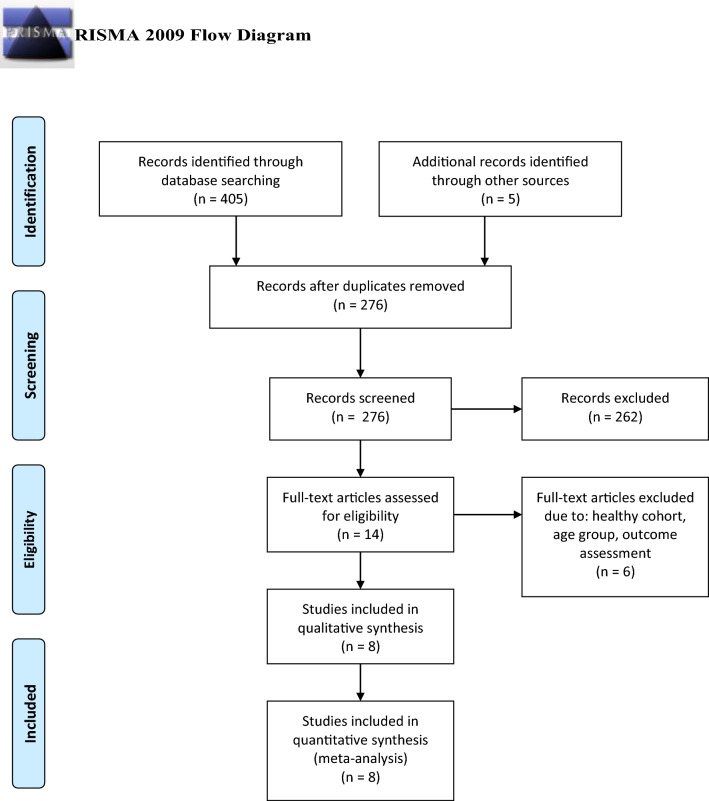
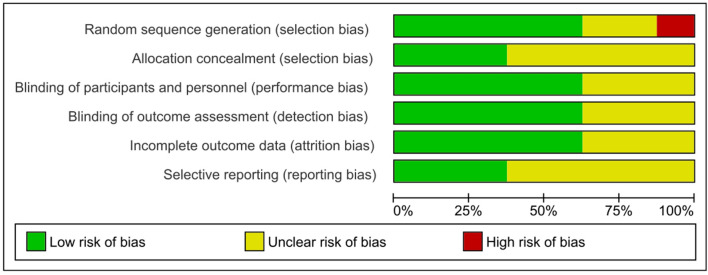
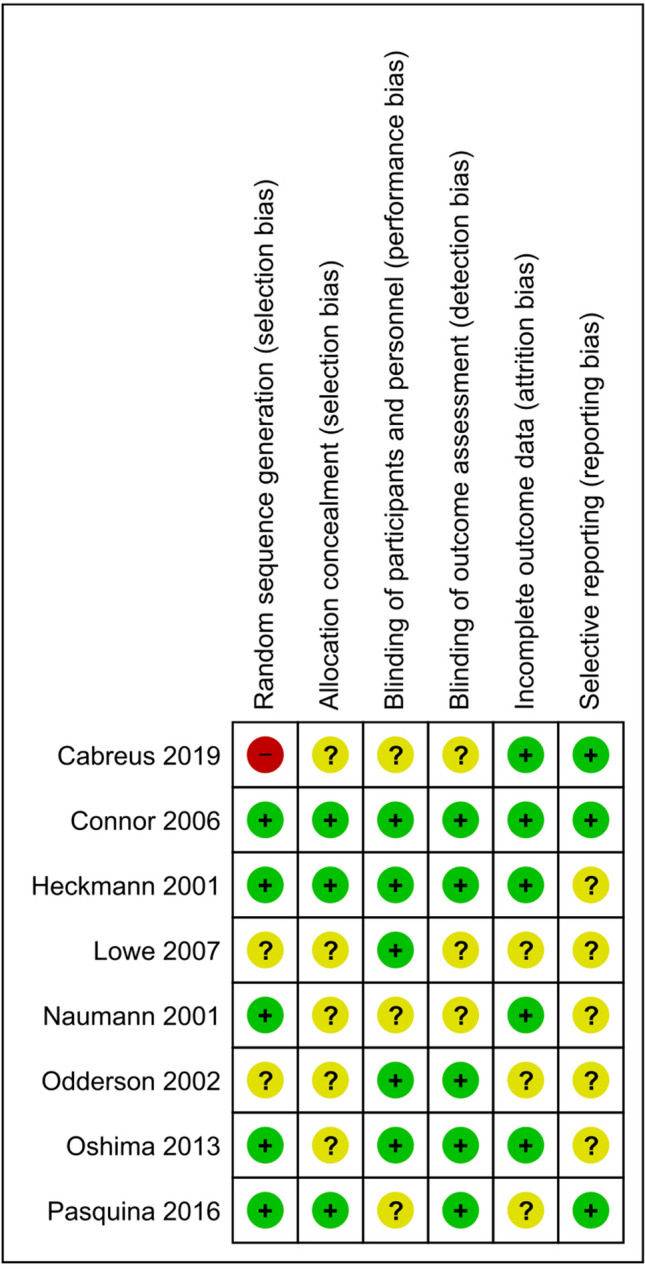
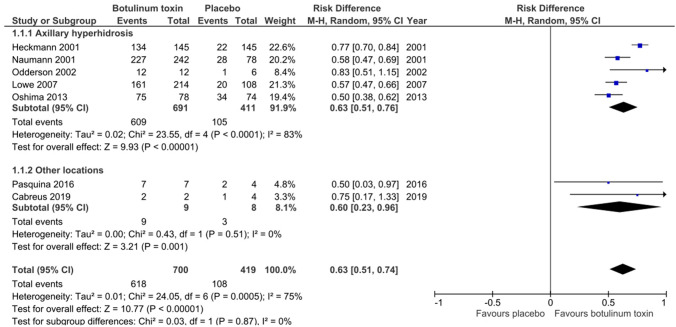
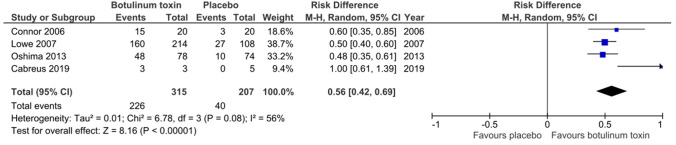
Eight studies met our inclusion criteria (n=937). Overall, risk bias was mixed and mostly moderate. BTX injections showed reduced risk in comparison with placebo for the gravimetric quantitative sweat reduction of > 50 % from baseline (risk difference: 0.63, 95% CI 0.51 to 0.74). Additionally, improvements were seen for disease severity and quality-of-life assessments evaluated by Hyperhidrosis Disease Severity Score reduction of ≥ 2 points (risk difference: 0.56, 95% CI 0.42 to 0.69) and mean change in Dermatology Life Quality Index (mean difference: - 5.55, 95% CI - 7.11 to - 3.98). The acquired data were insufficient to assess for long-term outcomes and limited to an eight-week follow-up period.
In focal axillary hyperhidrosis, BTX significantly reduces sweat production and yields superior outcomes in assessments of disease severity and quality-of-life. However, the quality-of-evidence is overall moderate and included studies account for short-term trial periods only. Further studies assessing BTX in comparison with first-line treatments for hyperhidrosis are warranted.
This journal requires that authors assign a level of evidence to each article. For a full description of these evidence-based medicine ratings, please refer to the Table of Contents or the online Instructions to Authors www.springer.com/00266 .
本研究旨在评估肉毒杆菌毒素(BTX)注射治疗局限性多汗症的疗效、疾病严重程度和生活质量结果。
我们纳入了将BTX注射与安慰剂进行比较的针对原发性或继发性局限性多汗症患者的随机对照试验。检索了截至2020年8月的PubMed、Embase和Cochrane图书馆。感兴趣的结果包括通过重量法测量的出汗率降低、用多汗症疾病严重程度量表测量的疾病严重程度以及用皮肤病生活质量指数测量的生活质量评估。采用Cochrane偏倚风险工具对纳入的随机对照试验进行质量评估。
八项研究符合我们的纳入标准(n = 937)。总体而言,风险偏倚情况不一,大多为中等。与安慰剂相比,BTX注射使重量法测定的出汗量较基线减少>50%的风险降低(风险差异:0.63,95%置信区间0.51至0.74)。此外,在通过多汗症疾病严重程度评分降低≥2分评估的疾病严重程度和生活质量评估方面有改善(风险差异:0.56,95%置信区间0.42至0.69),以及皮肤病生活质量指数的平均变化方面(平均差异:-5.55,95%置信区间-7.11至-3.98)。所获得的数据不足以评估长期结果,且仅限于八周的随访期。
在局限性腋窝多汗症中,BTX显著减少汗液分泌,并在疾病严重程度和生活质量评估中产生更好的结果。然而,证据质量总体为中等,且纳入研究仅涵盖短期试验期。有必要进行进一步研究以评估BTX与多汗症一线治疗方法相比的情况。
证据级别III:本刊要求作者为每篇文章指定证据级别。有关这些循证医学评级的完整描述,请参阅目录或在线作者指南www.springer.com/00266 。