University of South Carolina School of Medicine, Department of Pharmacology, Physiology, and Neuroscience, Columbia, SC 29208, United States.
University of South Carolina School of Medicine, Department of Pharmacology, Physiology, and Neuroscience, Columbia, SC 29208, United States.
Physiol Behav. 2021 May 15;234:113370. doi: 10.1016/j.physbeh.2021.113370. Epub 2021 Feb 21.
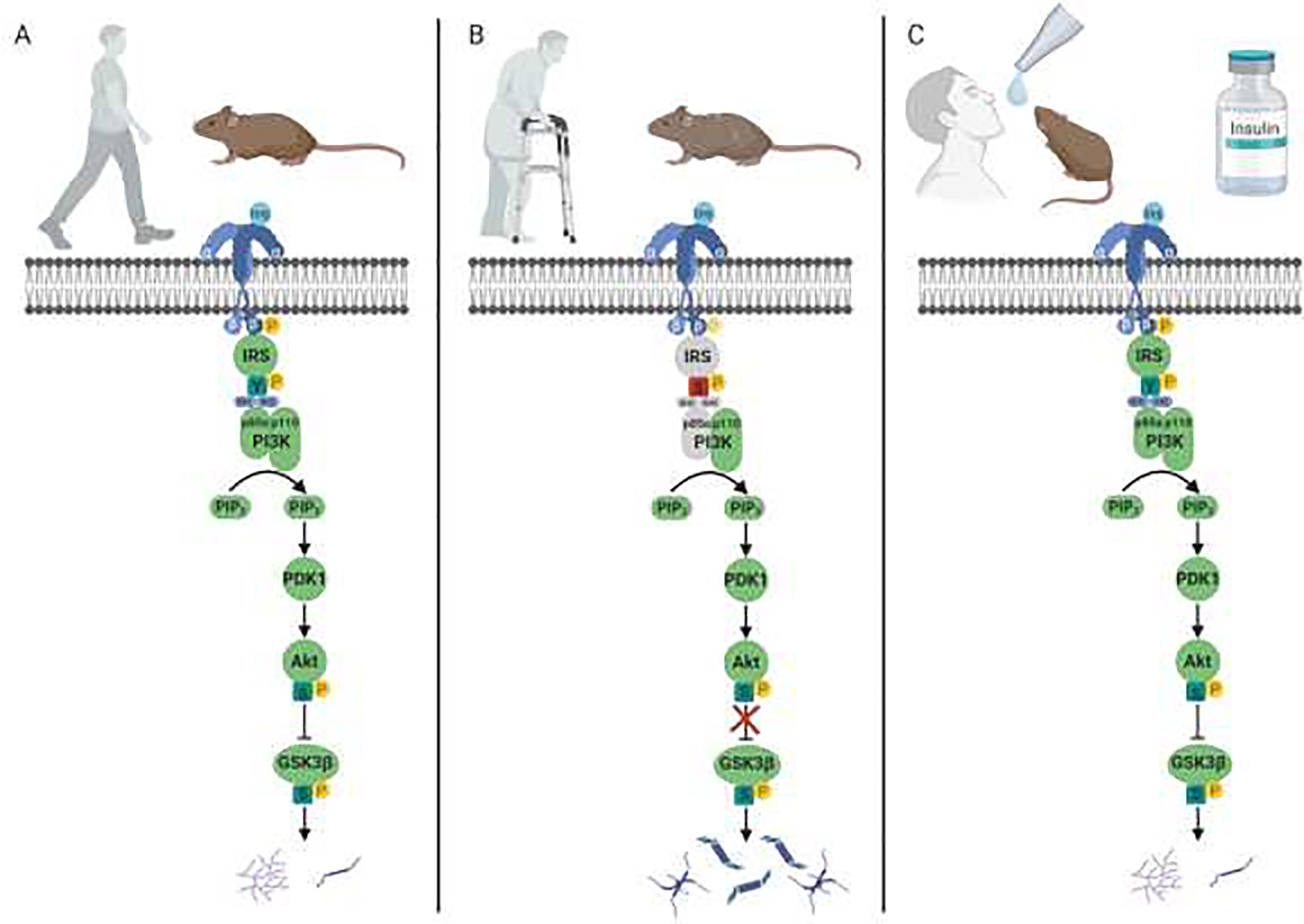
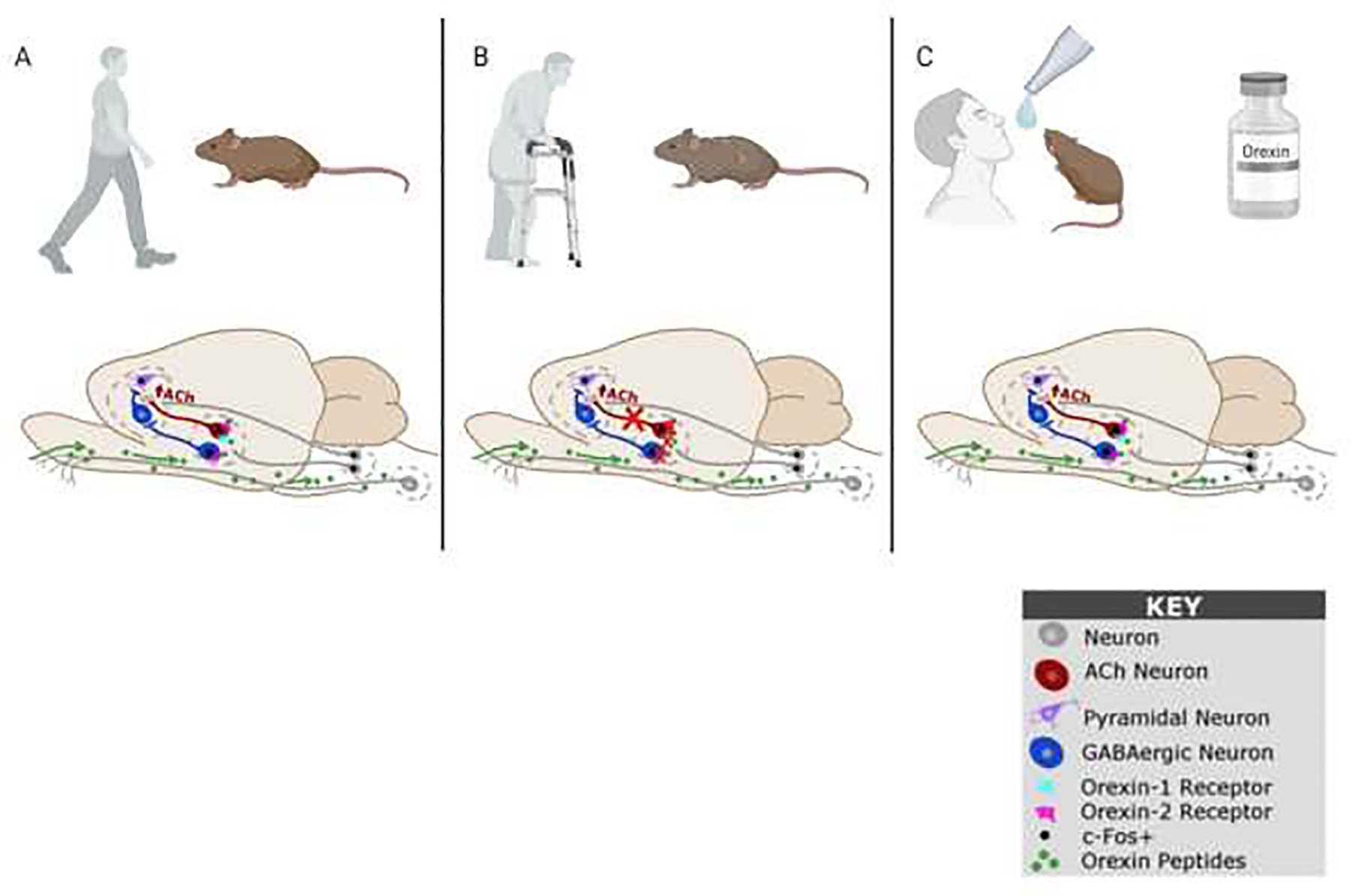
The intranasal (IN) administration of neuropeptides, such as insulin and orexins, has been suggested as a treatment strategy for age-related cognitive decline (ARCD). Because dysfunctional neuropeptide signaling is an observed characteristic of ARCD, it has been suggested that IN delivery of insulin and/or orexins may restore endogenous peptide signaling and thereby preserve cognition. IN administration is particularly alluring as it is a relatively non-invasive method that directly targets peptides to the brain. Several laboratories have examined the behavioral effects of IN insulin in young, aged, and cognitively impaired rodents and humans. These studies demonstrated improved performance on various cognitive tasks following IN insulin administration. Fewer laboratories have assessed the effects of IN orexins; however, this peptide also holds promise as an effective treatment for ARCD through the activation of the cholinergic system and/or the reduction of neuroinflammation. Here, we provide a brief overview of the advantages of IN administration and the delivery pathway, then summarize the current literature on IN insulin and orexins. Additional preclinical studies will be useful to ultimately uncover the mechanisms underlying the pro-cognitive effects of IN insulin and orexins, whereas future clinical studies will aid in the determination of the most efficacious dose and dosing paradigm. Eventually, IN insulin and/or orexin administration may be a widely used treatment strategy in the clinic for ARCD.
经鼻腔(IN)给予神经肽,如胰岛素和食欲素,已被提议作为治疗与年龄相关的认知衰退(ARCD)的策略。由于神经肽信号传导功能障碍是 ARCD 的一个观察特征,因此有人认为 IN 给予胰岛素和/或食欲素可能恢复内源性肽信号传导,从而保持认知。IN 给药特别有吸引力,因为它是一种相对非侵入性的方法,可以将肽直接靶向大脑。几个实验室已经研究了 IN 胰岛素在年轻、年老和认知受损的啮齿动物和人类中的行为影响。这些研究表明,IN 胰岛素给药后,各种认知任务的表现得到改善。较少的实验室评估了 IN 食欲素的影响;然而,这种肽也有望通过激活胆碱能系统和/或减少神经炎症成为 ARCD 的有效治疗方法。在这里,我们简要概述了 IN 给药的优点和输送途径,然后总结了 IN 胰岛素和食欲素的当前文献。额外的临床前研究将有助于最终揭示 IN 胰岛素和食欲素的促认知作用的机制,而未来的临床研究将有助于确定最有效的剂量和给药方案。最终,IN 胰岛素和/或食欲素给药可能成为治疗 ARCD 的一种广泛应用的临床治疗策略。