Department of Radiation Oncology, University of Toronto, Toronto, ON, Canada.
Institute of Medical Science, University of Toronto, Toronto, ON, Canada.
Sci Rep. 2021 Feb 25;11(1):4533. doi: 10.1038/s41598-021-83366-y.
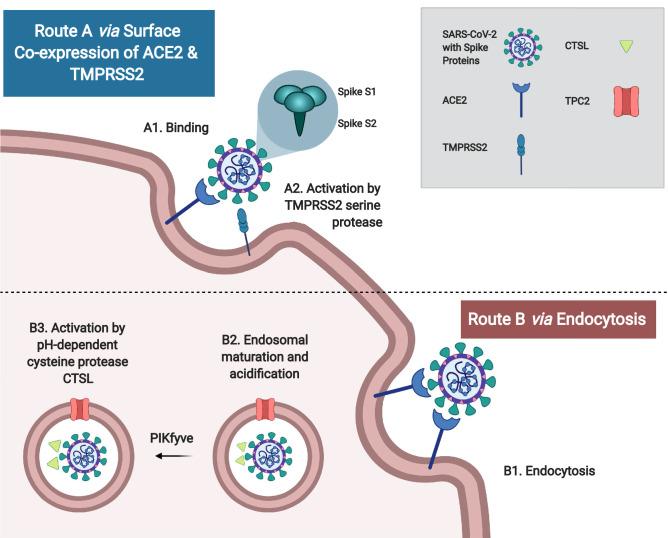
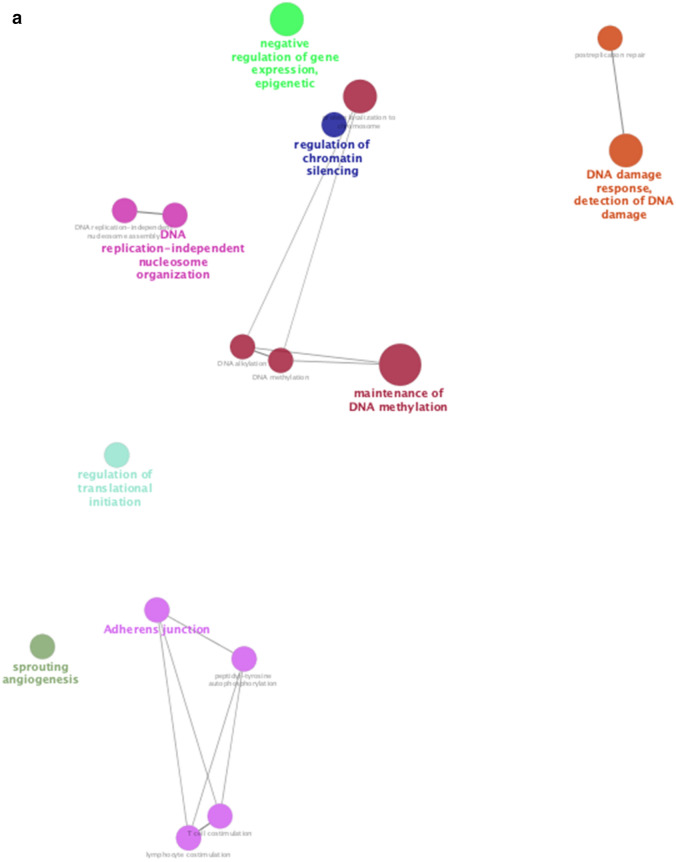
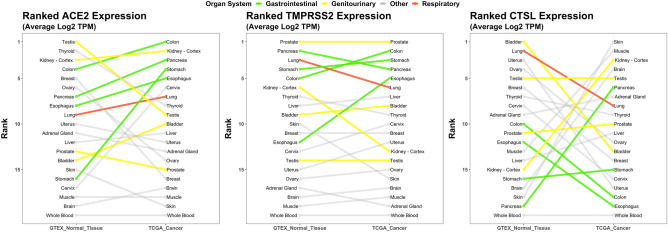
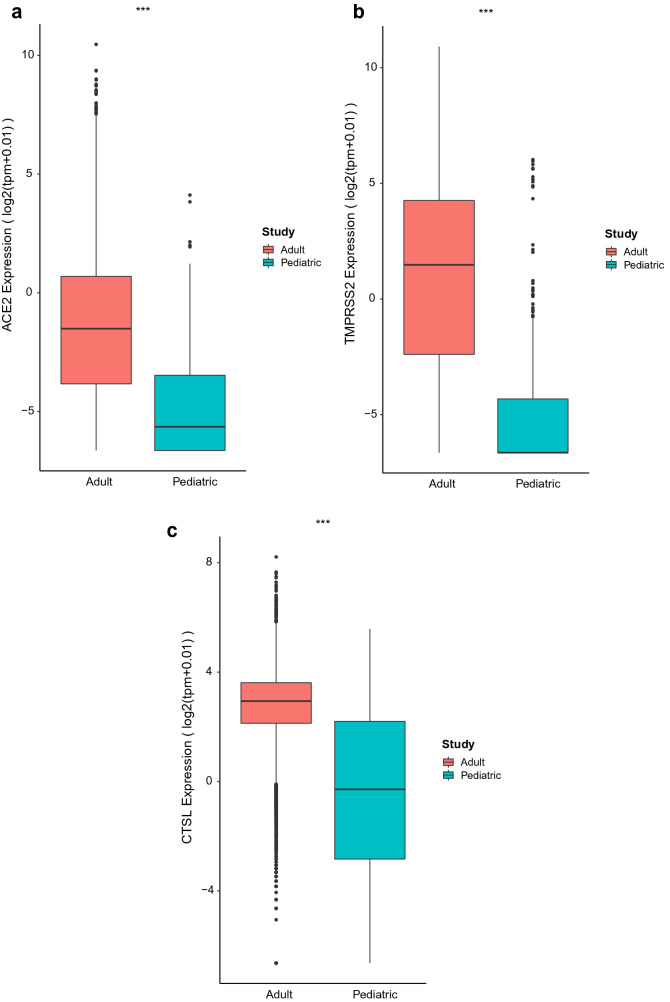
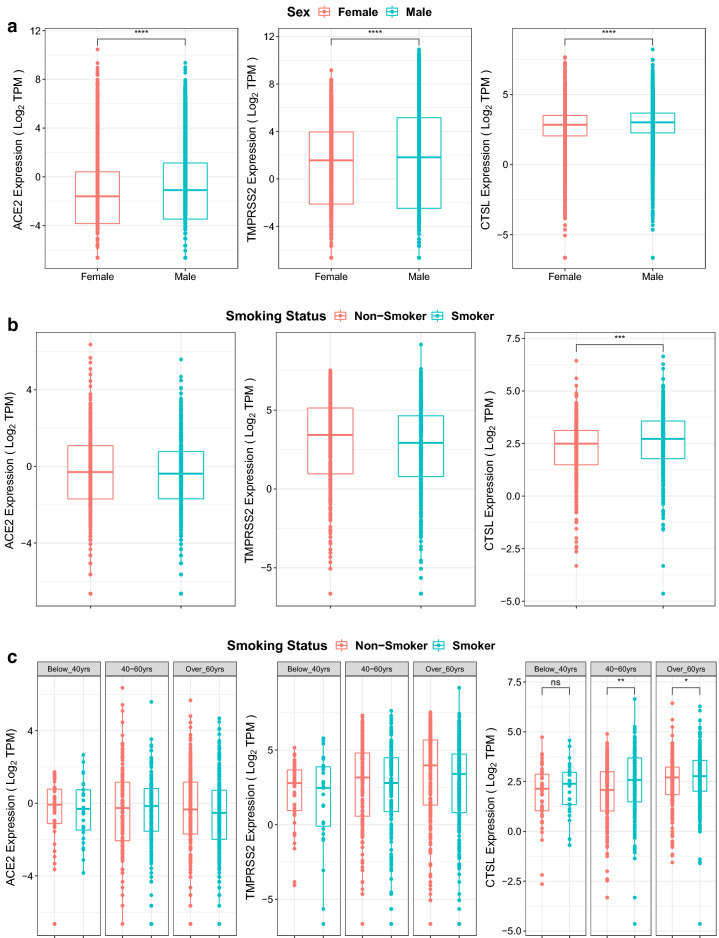
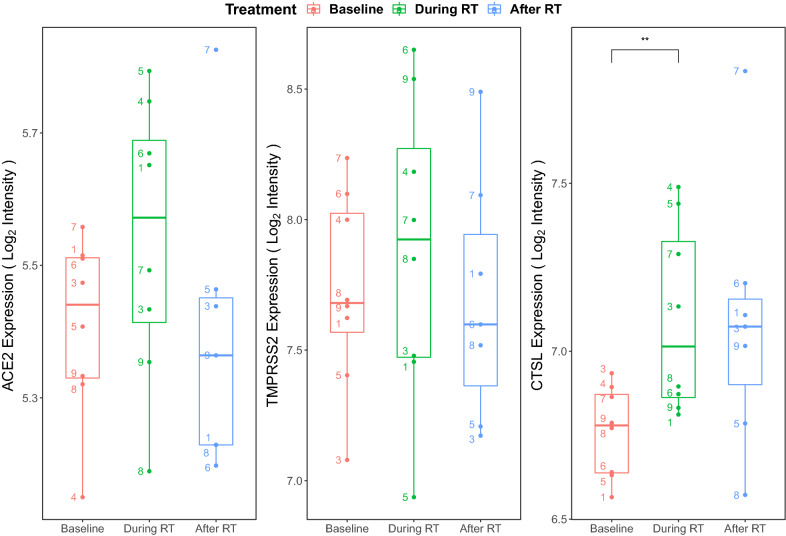
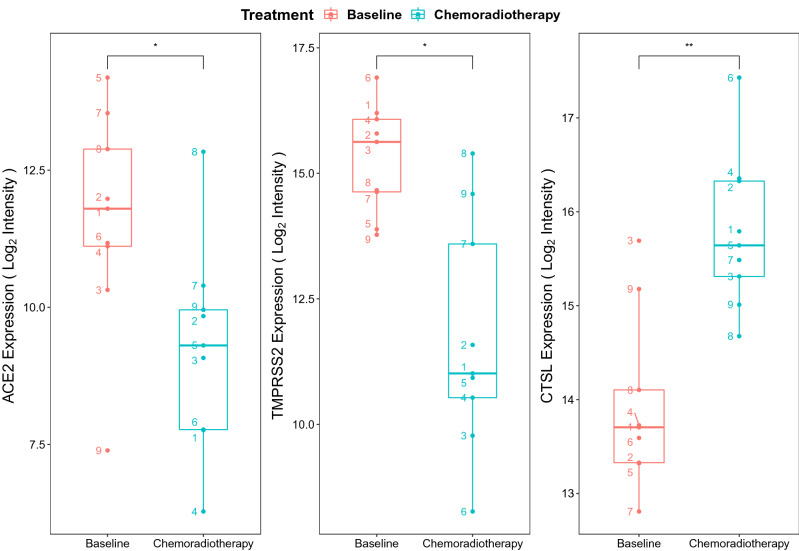
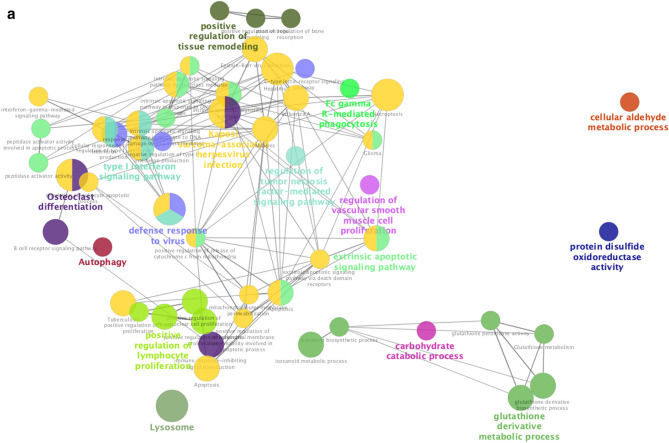
Multiple studies have reported a doubling in risk of Coronavirus Disease-2019 (COVID-19) among cancer patients. Here, we examine the potential biological rationale behind this recurrent epidemiological observation. By leveraging large-scale genome-wide transcriptional data of normal and malignant tissues from adults and children, we found evidence of increased expression of SARS-CoV-2 viral entry genes in the cancer state, particularly in respiratory, gastrointestinal, and genitourinary tract tissues, with decreased expression in pediatric vs. adult samples. Additionally, by interrogating the temporal effects of radiotherapy on human peripheral blood mononuclear and mucosal cells, we observed important treatment-related alterations in host innate immunity, specifically type I interferon responses. Overall, cancers enhance expression of critical viral entry genes, and innate viral defenses can be dysregulated transiently during radiation treatments. These factors may contribute to the observed increased susceptibility to SARS-CoV-2 entry and severity of COVID-19 in cancer patients.
多项研究报告称,癌症患者感染 2019 年冠状病毒病(COVID-19)的风险增加了一倍。在这里,我们研究了这一反复出现的流行病学观察背后的潜在生物学原理。通过利用来自成人和儿童的正常和恶性组织的大规模全基因组转录组数据,我们发现了癌症状态下 SARS-CoV-2 病毒进入基因表达增加的证据,特别是在呼吸道、胃肠道和泌尿生殖道组织中,儿科样本中的表达水平低于成人样本。此外,通过研究放射治疗对人外周血单核细胞和粘膜细胞的时间效应,我们观察到宿主固有免疫的重要治疗相关改变,特别是 I 型干扰素反应。总的来说,癌症会增强关键病毒进入基因的表达,而在放射治疗过程中,固有病毒防御可能会短暂失调。这些因素可能导致观察到的癌症患者对 SARS-CoV-2 进入和 COVID-19 严重程度的易感性增加。