Graduate Institute of Natural Products, Drug Development and Value Creation Research Center, Kaohsiung Medical University, Kaohsiung, Taiwan.
Department of Medical Research, Kaohsiung Medical University Hospital, Kaohsiung, Taiwan.
Sci Rep. 2021 Feb 25;11(1):4610. doi: 10.1038/s41598-021-84207-8.
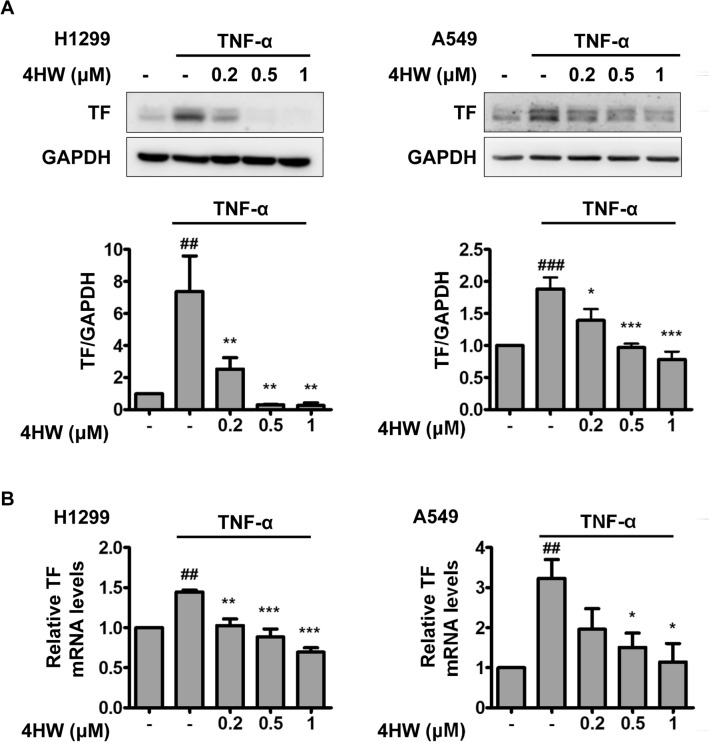
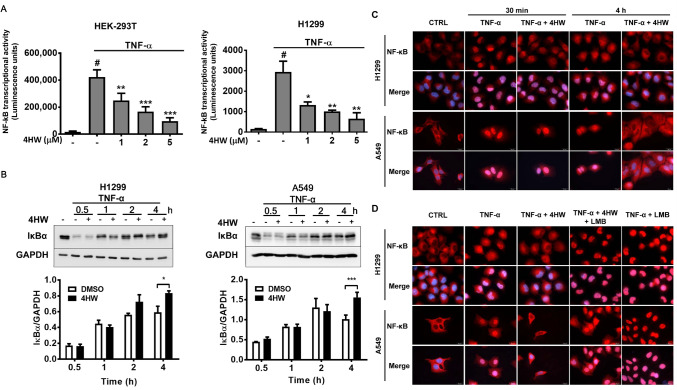
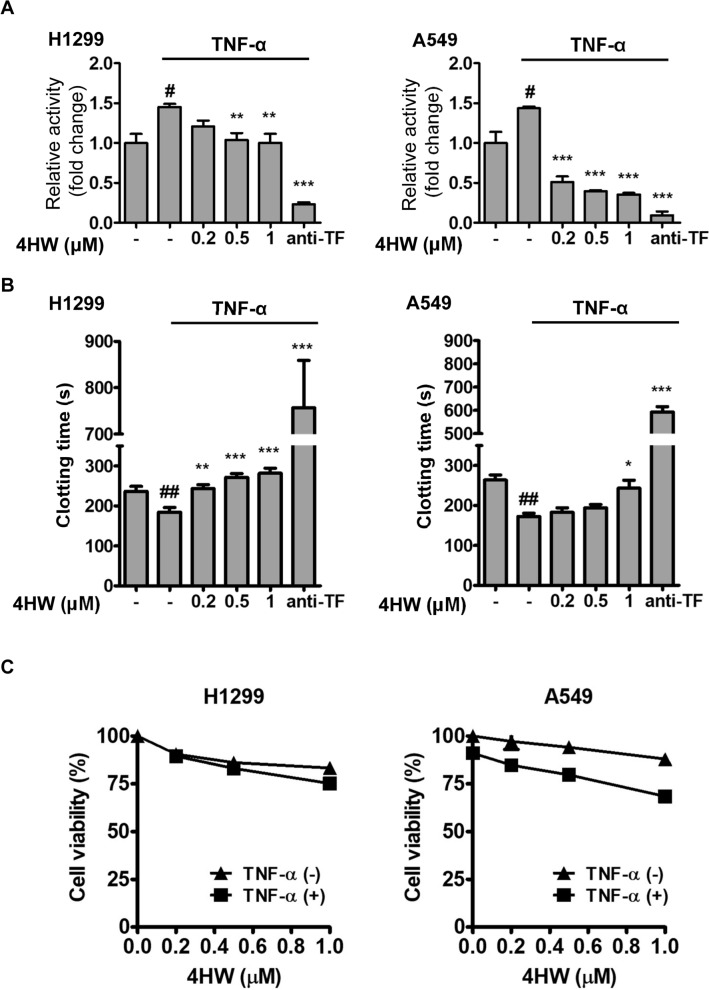
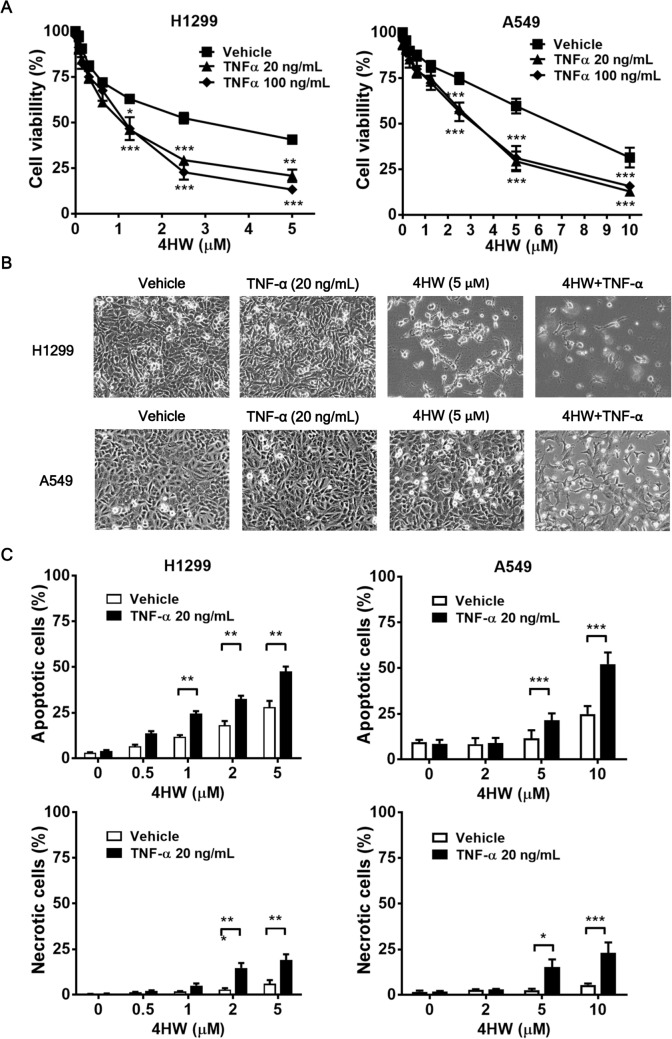
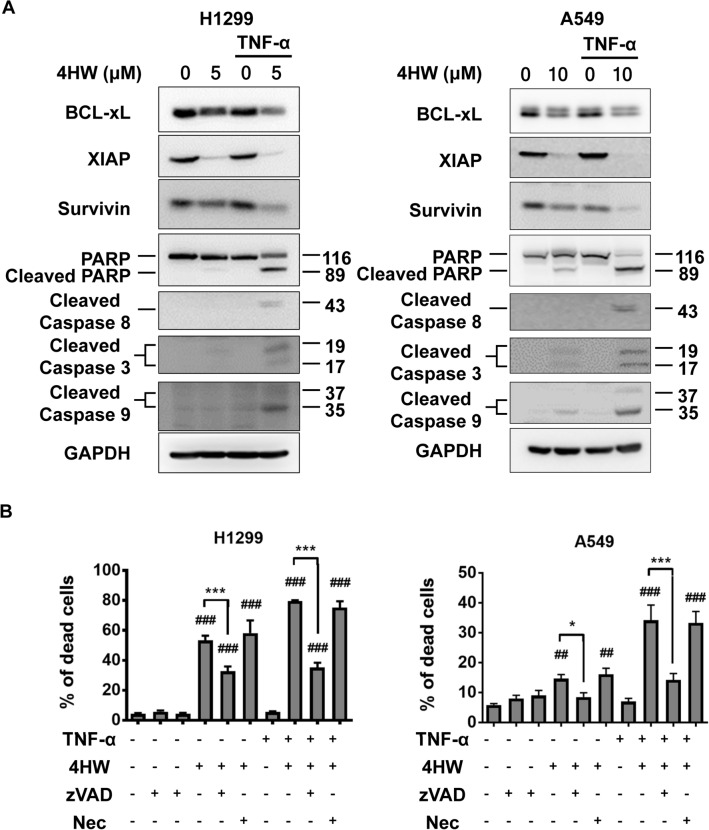
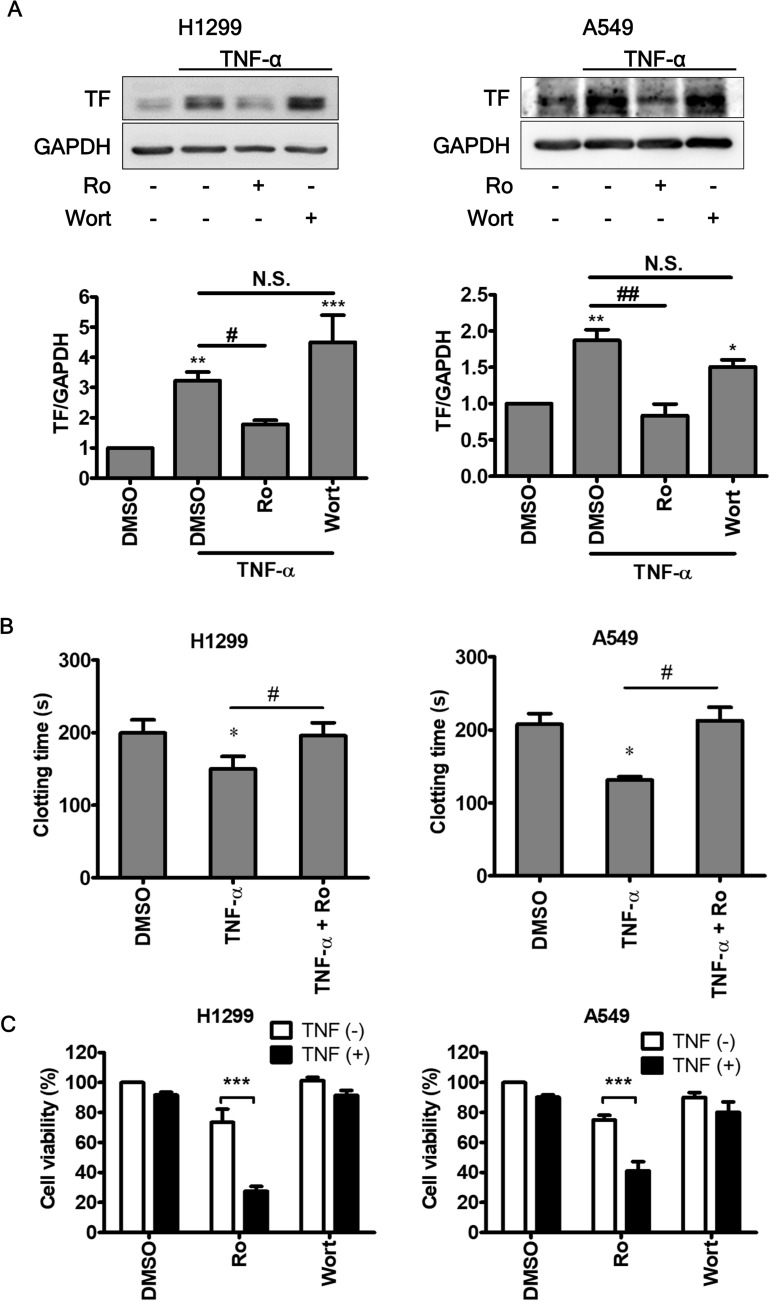
Inflammation in the tumor microenvironment is positively correlated with cancer progression and metastasis as well as the risk of thromboembolism in lung cancer patients. Here we show, in human non-small cell lung cancer (NSCLC) cell lines, the master inflammatory cytokine tumor necrosis factor (TNF-α) induced tissue factor expression and procoagulant activity, and these effects were potently inhibited by 4β-hydroxywithanolide E (4HW), a natural compound isolated from Physalis peruviana. Furthermore, combination of 4HW and TNF-α caused synergistic cytotoxicity against NSCLC cells by inducing caspase-dependent apoptosis. The underlying mechanism by which 4HW reverses the procoagulant effect of TNF-α but enhances its cytotoxic effect appears to be due to inhibition of NF-κB, which is a key switch for both inflammation-induced coagulation and cell survival. Our results suggest that 4HW may have a potential application for treating inflammation-derived cancer progression and cancer-associated hypercoagulable state.
肿瘤微环境中的炎症与癌症的进展和转移以及肺癌患者发生血栓栓塞的风险呈正相关。在这里,我们在人类非小细胞肺癌(NSCLC)细胞系中表明,主要的炎症细胞因子肿瘤坏死因子(TNF-α)诱导组织因子表达和促凝活性,而这些作用被天然化合物 4β-羟基羽扇豆醇 E(4HW)强烈抑制,4HW 是从秘鲁番茄中分离出来的。此外,4HW 与 TNF-α 的联合作用通过诱导 caspase 依赖性细胞凋亡对 NSCLC 细胞产生协同细胞毒性作用。4HW 逆转 TNF-α的促凝作用但增强其细胞毒性作用的潜在机制似乎是由于抑制 NF-κB,NF-κB 是炎症诱导的凝血和细胞存活的关键开关。我们的研究结果表明,4HW 可能具有治疗炎症相关的癌症进展和癌症相关的高凝状态的潜在应用。